Production
In Paris, a young Argentine screenwriter attempts to escape his daily routine through a fictional story set in Argentina. This attracts the attention of those around him, including Alice, a young actress. But his story gradually escapes him and he becomes inextricably entangled in dreams and reality.
A banker hires a seedy detective to find his daughter and keep her safe from kidnappers.
A dockworker seeking revenge on the killer of his sister finds himself the object of desire for two women.
An English novelist is lured, with disconcerting and disorienting results, into purchasing a crumbling mansion by what he imagines are the deliberately "literary" ploys of its housekeeper and two mysterious, lurking women.
In France in the near future, revolt and chaos erupt. A right-wing politician, Philippe Muphand, is set to take control when his lady friend Caroline walks out, announcing she will take up with the first fool she sees. The fool is Serge Laine, a professor and author of the prize-winning "Le voyage qui ne finit pas," headed to the train station for tickets to Barcelona where he and his wife will enjoy a second honeymoon and he will lecture at the university. Caroline seduces Serge, and he soon abandons wife, family, job, and honesty to embrace Caroline, the romanticism of Jack London, and murder.
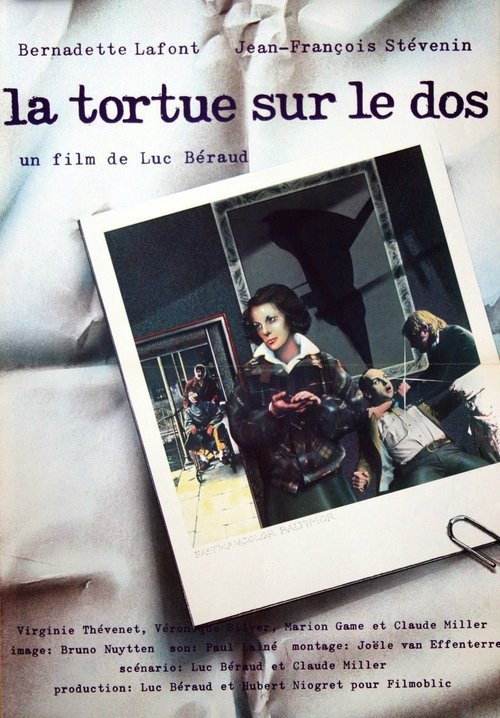
A young woman is questioned by the police and the judges, suspected of being a modern witch. The girl who shared her apartment has been found dead, and a pair of scissors impaled through her heart, as she lay attached to the bedposts. Apparently, the girl does have powers, to make all people around her fall prey to her spell, glissing progressively into desire, lust, and the unknown.
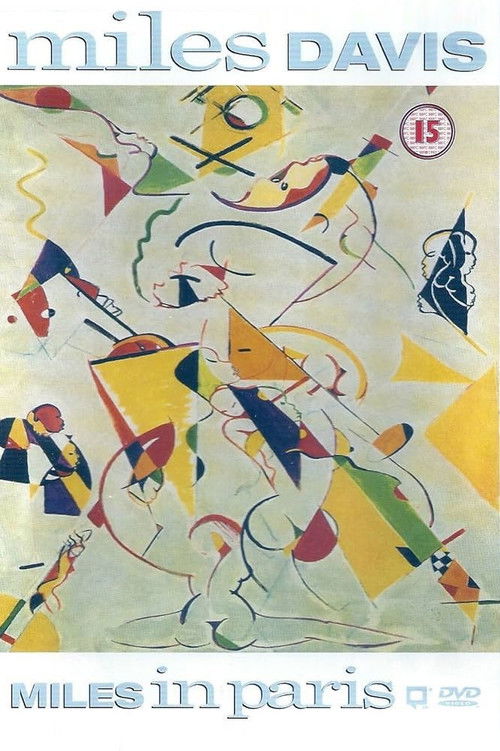
Recorded during the 10th Paris Jazz Festival - 3rd November, 1989 at Le Zenith, Paris, France, with Kenny Garrett, Kei Akagi, Joe "Foley" McCreary, Benny Rietveld, Ricky Wellman, and John Bigham. Also includes interviews with Miles.
Industrious accountant David Martinaud claims to be visiting his parents every weekend, but it's merely a cover for the labor-intensive refurbishing of his country cottage. The reason for David's secrecy is that his childhood crush, Lise, lives nearby, and, although she's married, he still believes they'll get together. His devotion to the idea borders on mania, and, when Lise's husband is accidentally killed, he quickly spirals out of control.
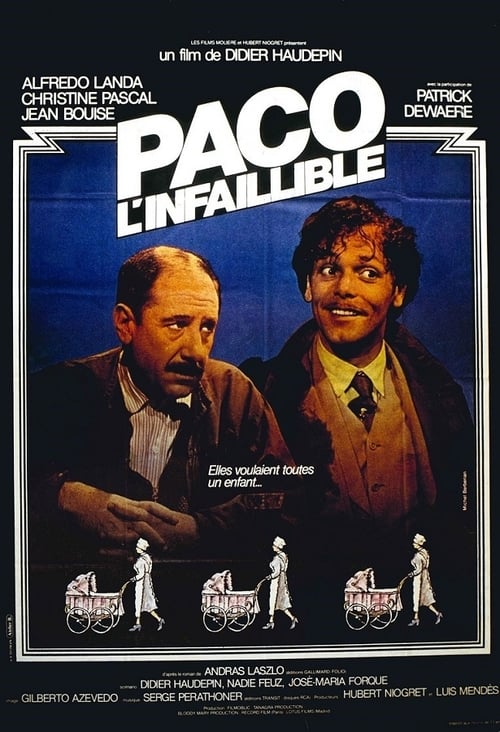
In Madrid of the 20's, many women were hired as wet nurses for middle class families. Milk is paid very well, so women are turning to the honest services of Paco, glazier by trade, which completes his monthly salary getting pregnant the clients who pay for it.
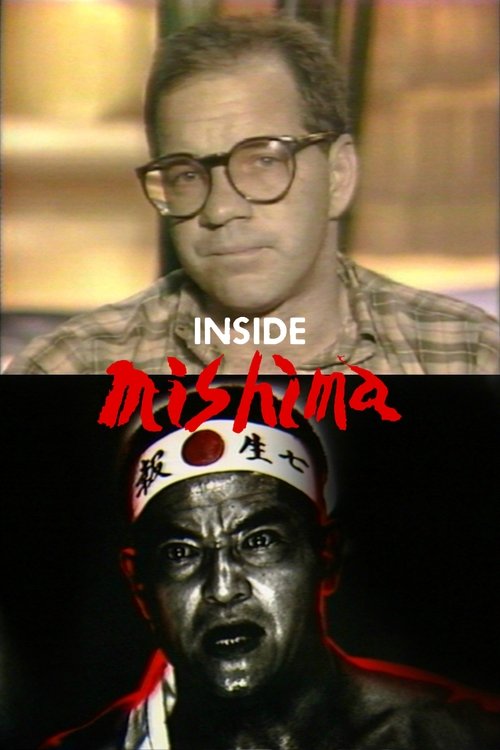
Short report on the making of Paul Schrader's film Mishima: A Life in Four Chapters, aired as part of the VISIONS: CINEMA programme in 1985.
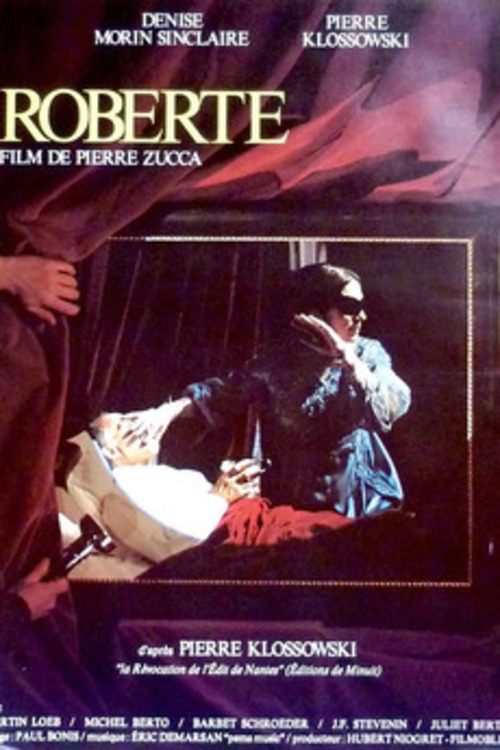
Roberte, 40, resistant during the war, Calvinist and anticlerical, is deputy to the chamber and inspector of Censorship. She married Octave, an old Catholic aesthete, professor of canon law, whom she saves from impeachment for collaboration during the war. He submits his wife to a perverse custom: the laws of hospitality or prostitution of the wife by the husband.
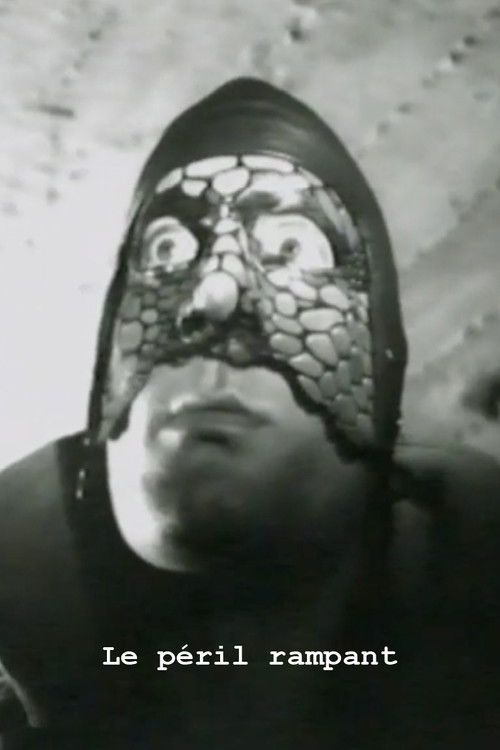
The film follows the villain “The Serpent” in his fight to conquer the world at any cost. Close to the best B series, Yaccelini runs through its plot of scientists, chases and highly suspenseful endings, aware that the most intense adventure is the one that never manages to hit the brakes.
South Korean cinema is in the throes of a creative explosion where mavericks are encouraged and masters are venerated. But from where has this phenomenon emerged? What is the culture that has yielded this range of filmmakers? With The Nine Lives of Korean Cinema, French critic, writer and documentarian Hubert Niogret provides a broad overview but, nevertheless, an excellent entry point into this unique type of national cinema that still remains a mystery for many people. The product of a troubled social and political history, Korean cinema sports an identity that is unique in much modern film. Niogret's documentary tells of the country's cinematic history - the ups along with the downs - and gives further voice to the artists striving to express their concerns, fears and aspirations.
Unable to put a single word on paper, a youngish man with one novel to his credit finds that his life is crumbling to ruins around him because of his severe case of writer's block. He tries every remedy known to man and makes up a few new ones in this comedy. All his efforts are futile: he loses his girlfriend and his apartment and has a succession of misadventures until finally, homeless and hospitalized, he rediscovers his inspiration.
An intimate window into one of the great movements in film history that brought about an evolution in the art of cinema. The documentary portrays the movement with insight on the lives and works of Jean-Luc Godard, François Truffaut and other principal players in the New Wave.
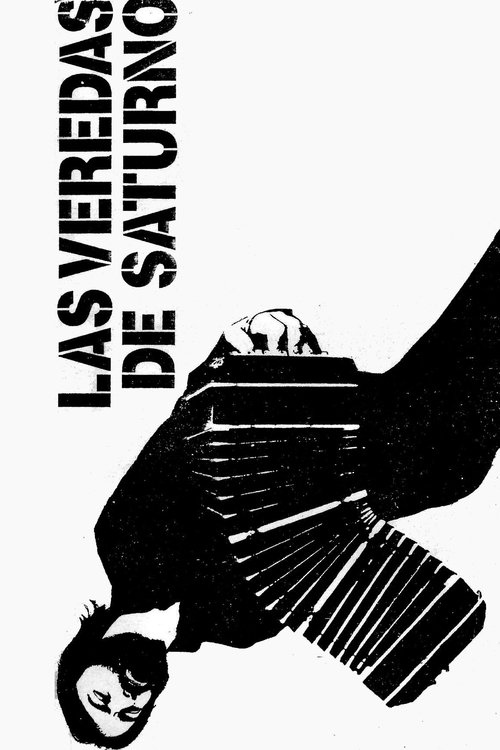
Hugo Santiago and writers Juan José Saer and Jorge Semprún move back and forth between Paris and the city of Aquilea in a shadowy fable about exile. The frontier between one city and the other begins to blur after Bandoneonist Rodolfo Mederos is visited by his sister, a member of a guerrilla organization.
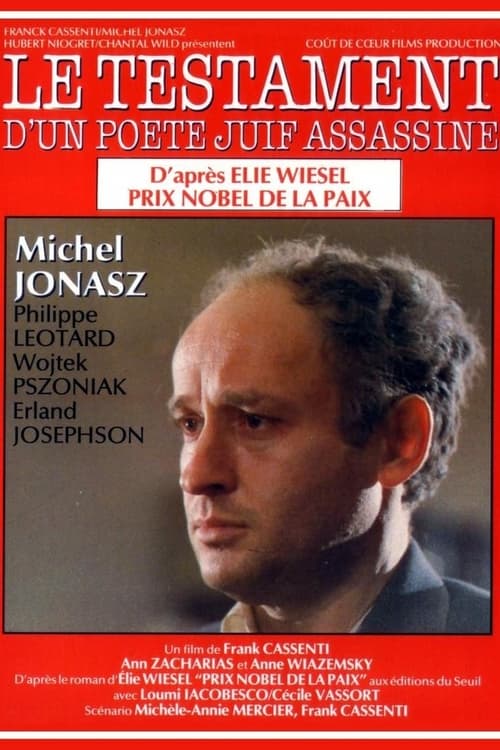
This somber drama chronicles the writings of Paltiel Kossover (Michel Jonasz), a Rumanian Jew who was incarcerated in a Stalinist prison. Zupanev (Erland Josephson) is a sympathetic court registrar who smuggles the documents and later presents them to the poet's son Grisha (Vincent David).
This documentary by Hubert Niogret looks at the revival of Japanese cinema during the 1990s.
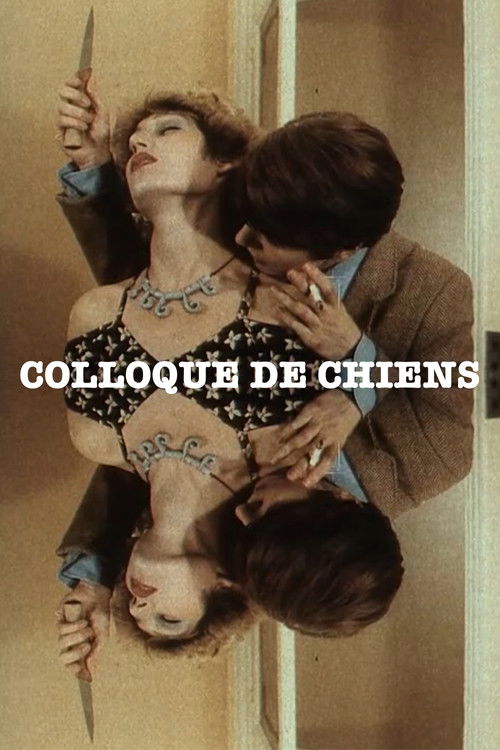
A charming tale of murder, perversity and narrative echoes told through shots of barking dogs and a La jetée-like series of stills.
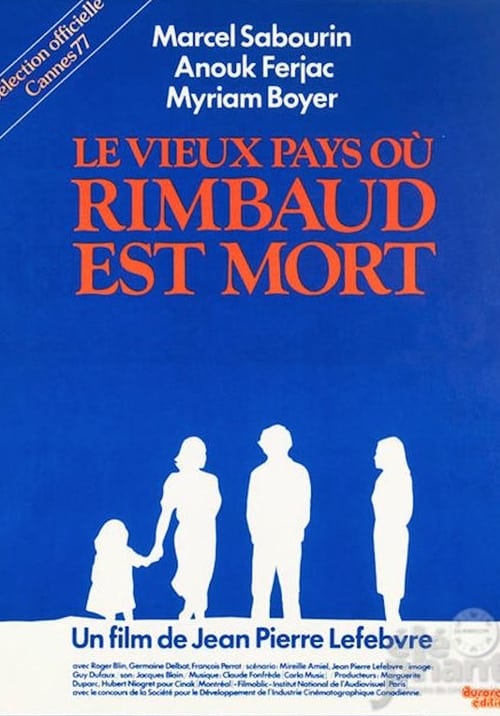
A middle-aged man travels to France and is discouraged by the attitudes of the people concerning his native land until he meets and begins relationships with two lonely women.