Acting
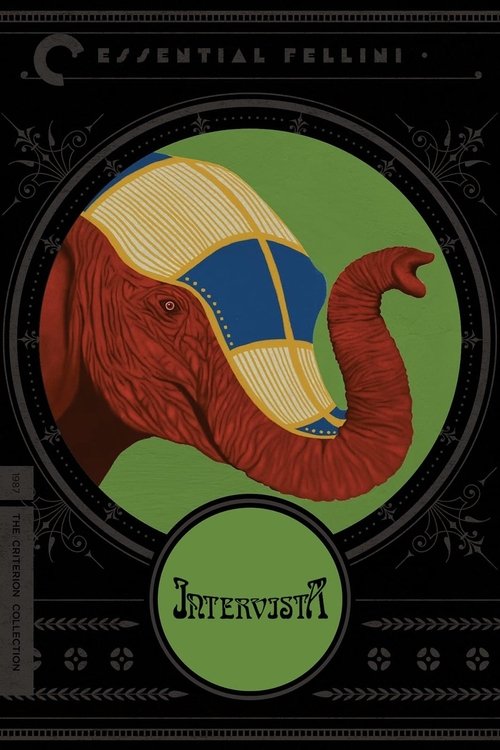
Federico Fellini welcomes us into his world of film making with a mockumentary about his life in film, as a Japanese film crew follows him around.
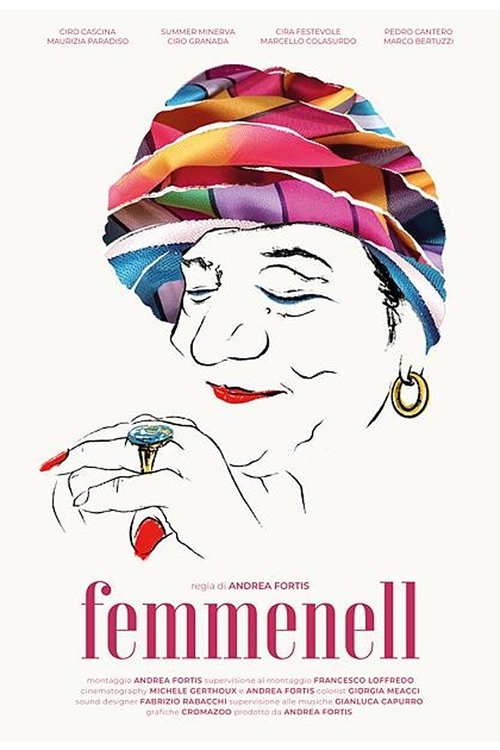
A journey between the sacred and profane in which the Femminielli, an ancient non-binary Neapolitan figure, fight for their survival against the globalizing tides of modernity.
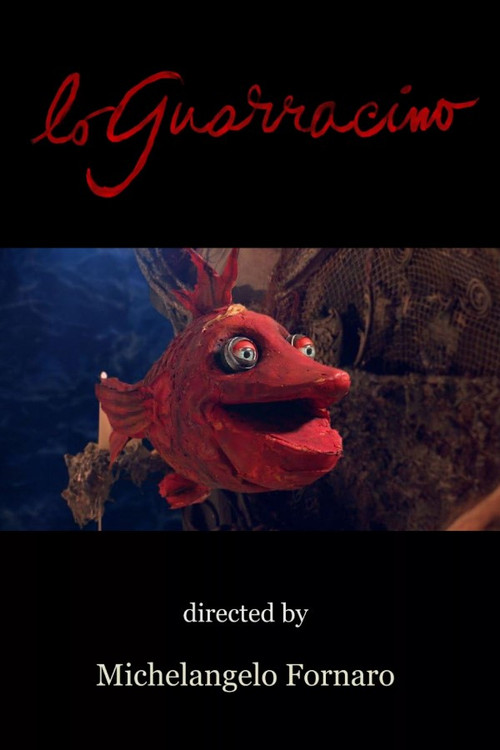
A Donatello award nominated short animated feature based on a 17th century Neapolitan song of the sea.
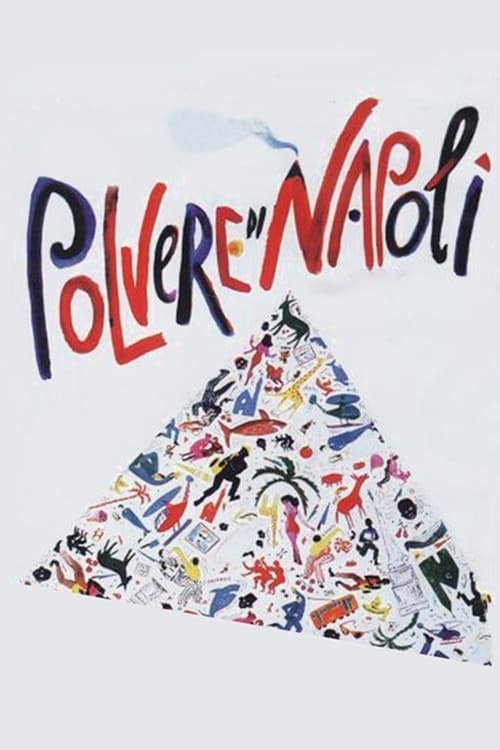
Five Neapolitan directors depict life in the city under the shadow of Mount Vesuvius for this anthology film of comedy, drama, surrealism, and political commentary.
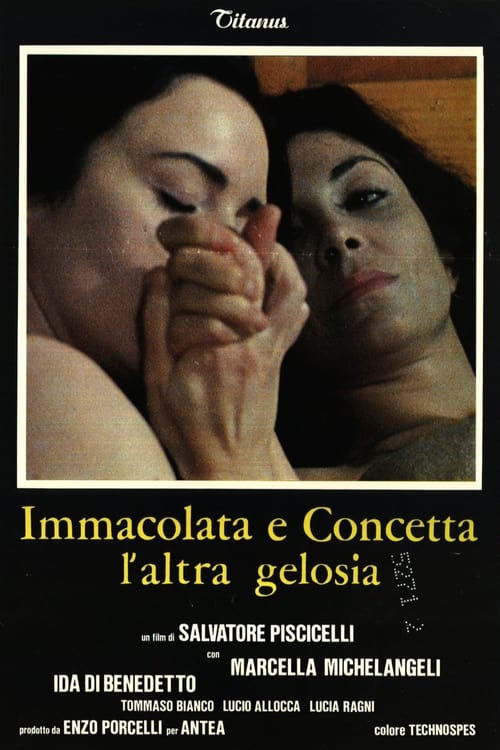
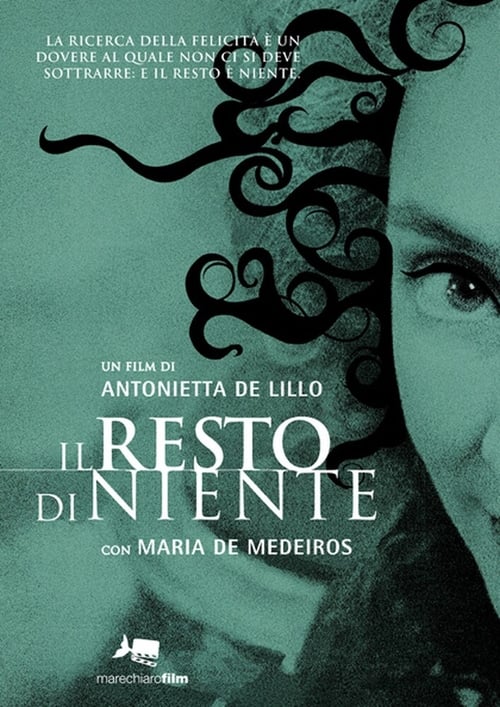
A love story between two women in the Naples outskirts, a universe so far away from the glare of modernity, turbid, rural, completely naked in its ugliness and sorrow, where "people are talking".
The title deliberatly recalls the famous L'oro di Napoli (Napoli's Gold) by Vittorio De Sica (1954). Alike De Sica's film here Naples is the real protagonist: Naples and its dust, not its gold. Through five episodes expressing different aspects of Naples, we have a picture of the town that doesn't belong to the postcard stereotypes...
Set in the 1790s, this historical drama follows the travails of an idealistic noblewoman who helps lead a daring revolution in Italy.
A Neapolitan cartoonist who lives with his beekeeper mother, creates with his friend Loris a graphic novel about Mileva, a heroine who in a post-apocalyptic future fights to save a queen bee in a world where nature has been destroyed.
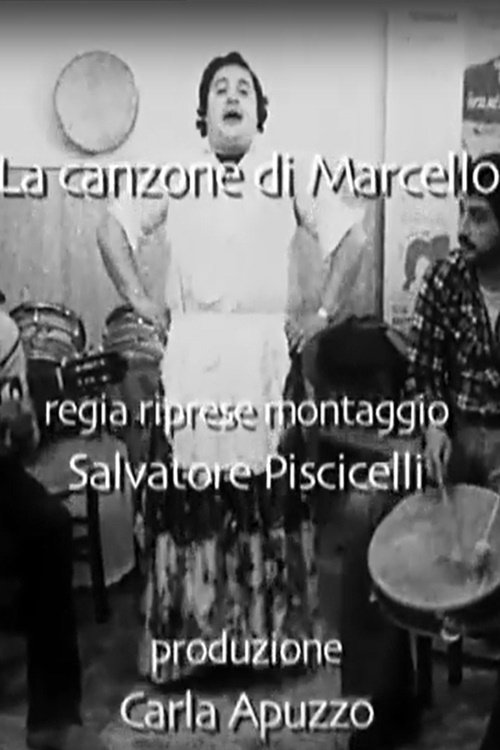
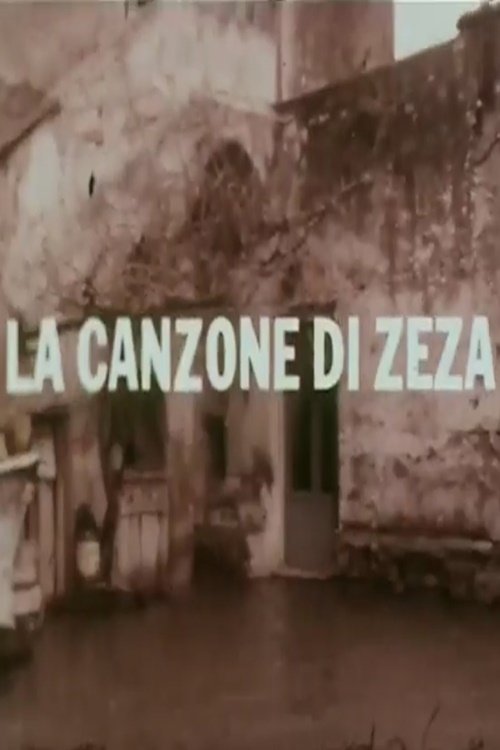
Piscicelli made this piece for the programme *Cronaca* – an investigative feature whose protagonists are the same as those involved in social struggles – though he did not credit himself. The director filmed the latest carnival in Pomigliano d’Arco on 16mm, where tradition blends with workers’ struggles. We see Marcello Colasurdo and E’ Zezi again, who had previously starred in the medium-length film La canzone di Zeza, shot the previous year. Divided into two parts, it was never broadcast in full in 1977; in subsequent years, a 66-minute version was shown, corresponding to one of the two episodes.
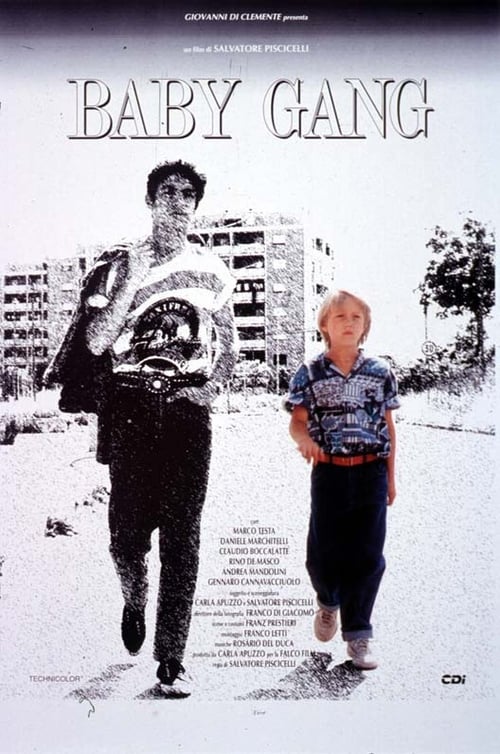
No description available.