
Maram Al-Buloshi
Acting
Known For

Cairo Class (Dofa'at Al Qahera) is a 2019 Kuwaiti-Egyptian period drama set in 1950s Egypt. A group of Kuwaiti students — mostly women — travel to Cairo to enrol at Cairo University, embarking on a transformative era of art, open-minded ideas, political currents, and extraordinary love stories. The series follows their individual journeys as they navigate romance, ambition, friendship, and self-discovery against the backdrop of a vibrant and culturally rich Cairo.
Cairo Class
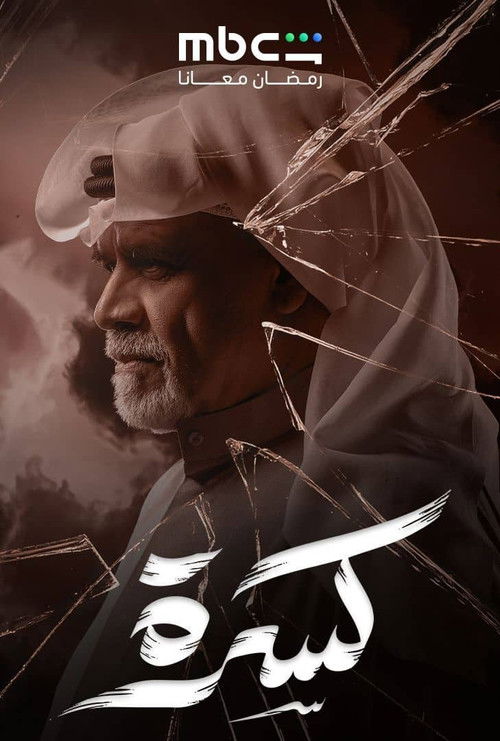
Set in 1990s Kuwait, the story follows Aref and Dananeer as they struggle to build a better life while enduring the burden of rebellious children, and of greed.
Kasra
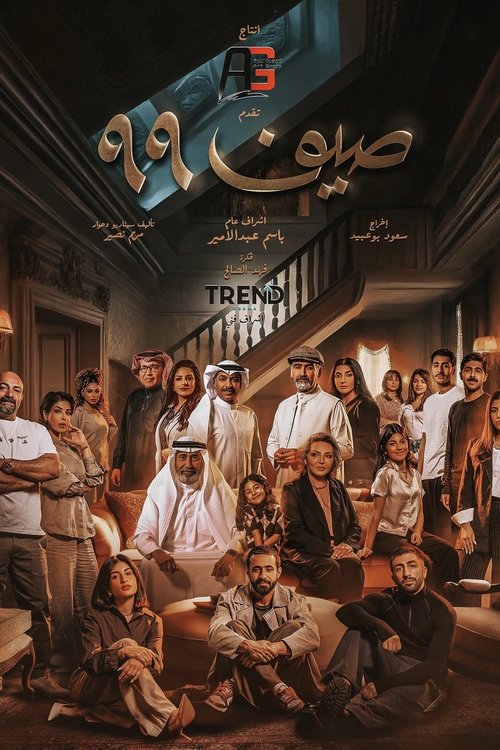
In 2025, the Shuaib bin Marouf family returns to face the past of the summer of 1999 full of secrets that still affect their lives and the lives of their grandchildren.
The Summer of '99
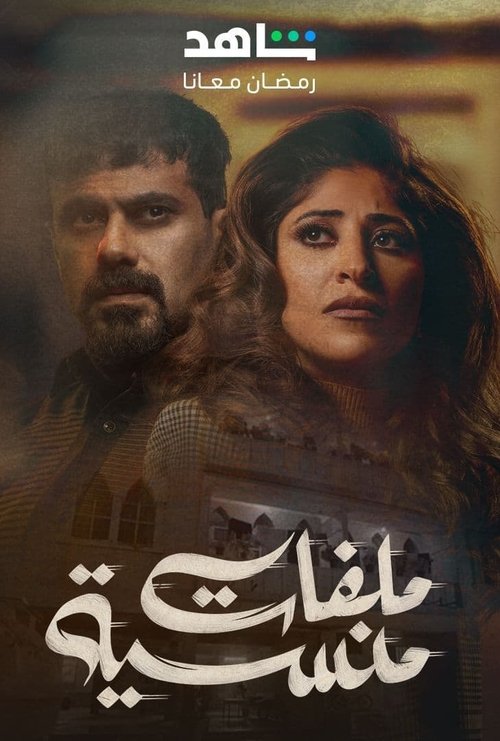
A retired policewoman is pulled into a complex case in a quiet residential building, and discovers that much bigger secrets lie behind its doors.
Forgotten Files

A family drama inspired by real stories from Kuwaiti society. the series explores love, separation, and unspoken emotional struggles within one family. Through quiet moments and layered relationships, Little Steps reflects the realities of Gulf families with honesty, warmth, and emotional depth.
Little Steps
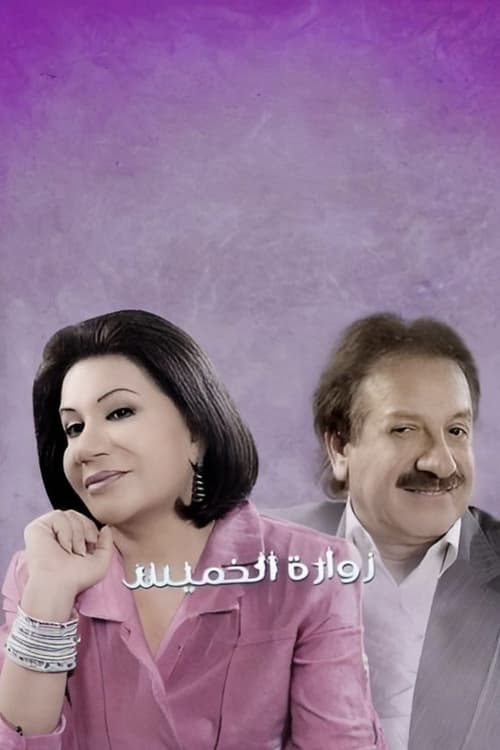
The events of the series revolve in a comic framework about (Moza) and (Thnayan), the heads of a family, which includes 5 children, who together try to constantly reunite the family through the weekly meeting of the grandparents with their children and grandchildren in (Zuwara), shedding light on the problems that afflict family relations, which It can cause disconnection or strife if not handled wisely.
Thursday's Visit
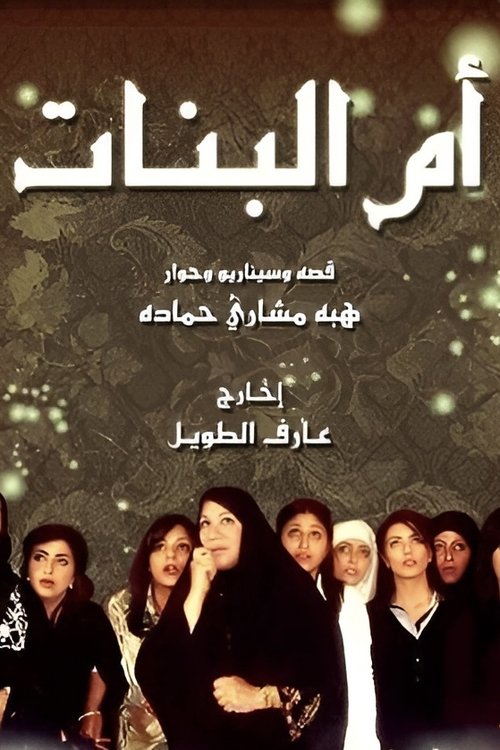
A Kuwaiti mother has six daughters and one son struggling with her daughters after leaving her husband's house to start a new life.
Om Albanat
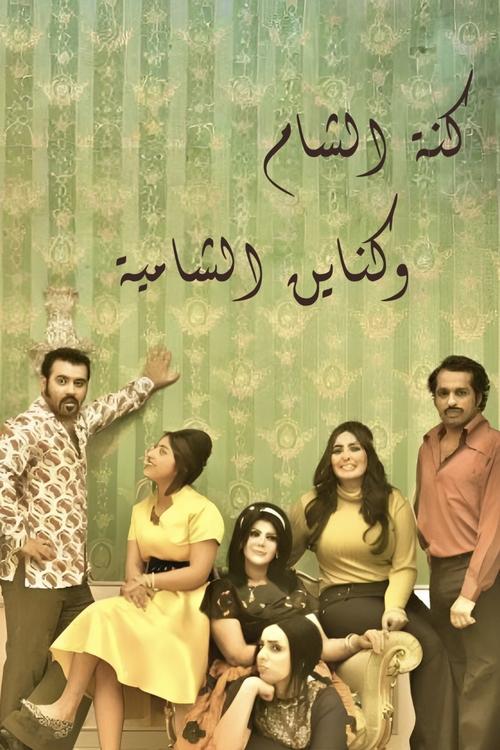
كنة الشام وكناين الشامية، مسلسل كويتي أنتج بعام 2012، كتبته هبة مشاري حمادة وأخرجه جمعان الرويعي.
Kanat Alsham w Knain Alshamia

بين حقبة الخمسينيات والسبعينيات، تدور أحداث المسلسل الدرامي الجديد، مع مقتل التاجرالكبير محمد الراكد في الهند، تاركاً ولده الصغير "جاسم" وزوجته الحامل التي تتوفى بعد عدة أشهر من ولادة ابنتهما "نورة"، بعد أن يستولي "منصور" وزوجته "غنيمة" على أموال وأملاك التاجر الكبير ويقومان بتربية الطفلين الصغيرين إلى أن تقع المفاجأة الكبيرة وتبدأ رحلة البحث عن الحقيقة وسط أجواء من التشويق والرومانسية، حيث تتكشف العديد من الأحداث والأسرار حول رحلة محمد الراكد وأسرار حادثة مقتله هناك.
الخافي أعظم
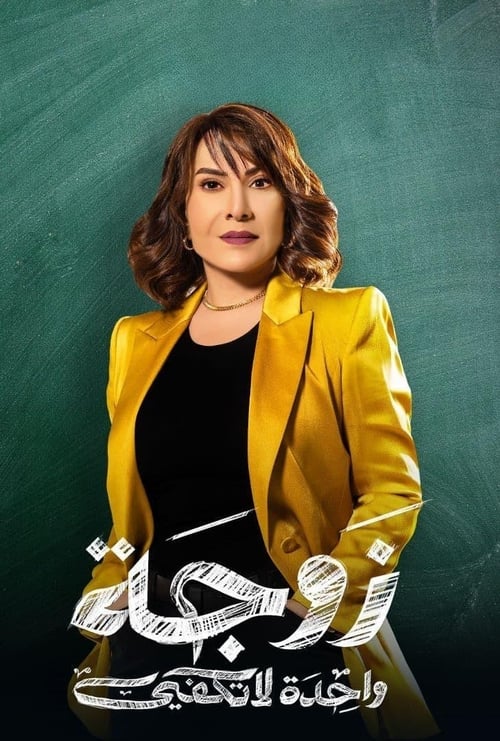
Married to Rasheed with whom she runs a school, Hela thinks she has the perfect husband. Only because she doesn’t know his secret…
One Wife Is Not Enough

No description available.
Father of Girls
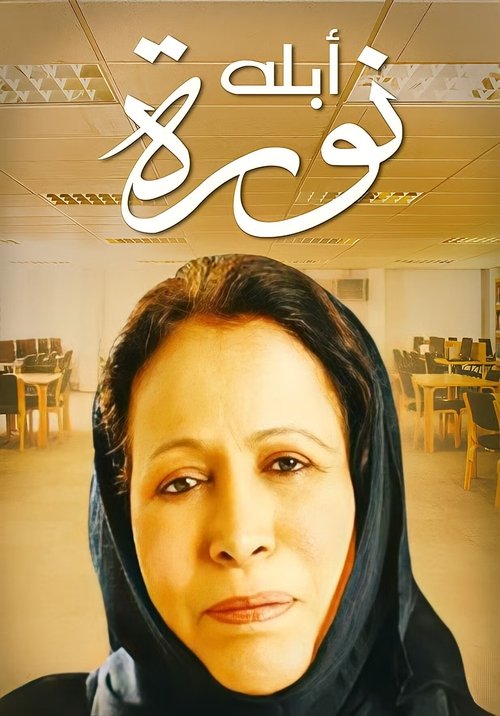
A contemporary social series that highlights the issues of education and education, and addresses some problems, including the problems of female and female students and the relationship of the house with the school, and how they can be affected by the surroundings around them, in addition to the positive and negative effects in dealing with others and acquiring different habits, whether bad or good.
Miss Noura
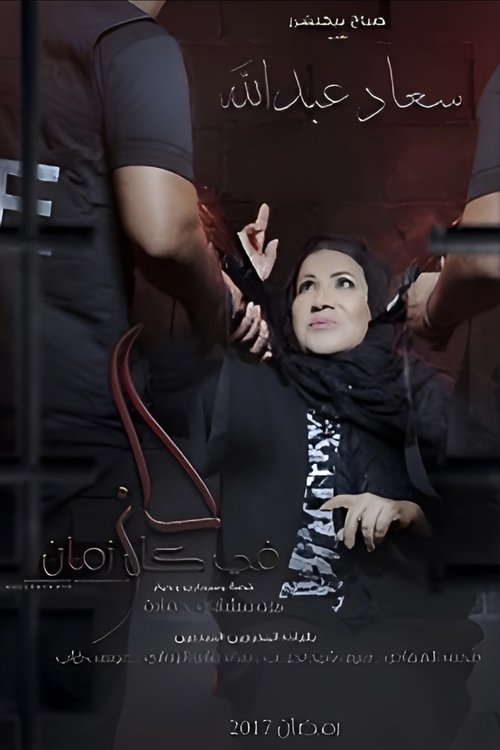
Kan Fi Kull Zaman is a Kuwaiti anthology drama written by Heba Meshari Hamada and led by the iconic Souad Abdullah, who portrays over ten different characters throughout the series. Breaking away from the traditional 30-episode format, the series presents a collection of standalone stories — each spanning two to four episodes — blending social, political, comedic, and heritage themes drawn from Arab life, delivered in a tone that shifts between light comedy and quiet tragedy.
Kan Fi Kol Zaman

Silver is a fifty-year-old woman, but her mind stopped at ten years and influenced her in terms of behavior and thinking, she is kind and affectionate, dealing with others with pure intention. But she has many experiences with her family and those around her, where many treat her with opportunistic.
Fedha with a White Heart

No description available.
After You Left Me
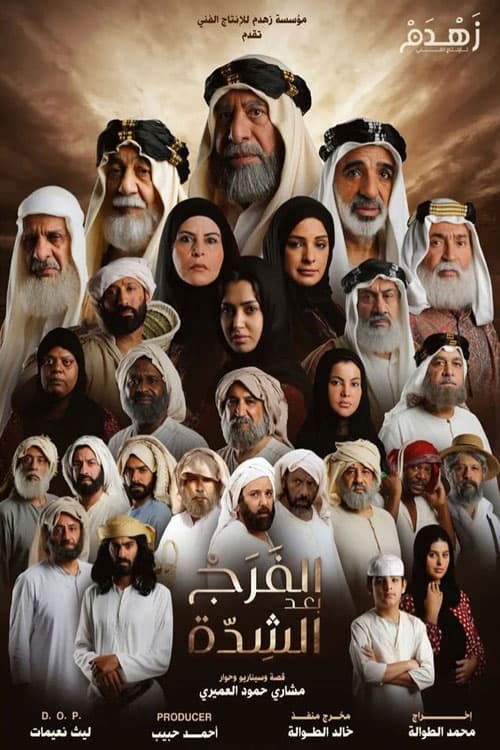
The Kuwaiti TV series (Al-Faraj Ba'd Al-Shidda) recalls the solidarity and support of the people of Kuwait, including merchants and the rich, in donating during the time of famine between 1867 and 1870, which was called (Year of Al-Hailaq). The Year of Al-Hailaq is a famine that struck Kuwait, beginning in 1867 during the reign of Sheikh Abdullah bin Sabah Al-Sabah. Al-Hailaq is a word that means destruction or perishing. The regions neighboring the Emirate of Kuwait were exposed to a massive drought that was not expected. Kuwait was fortified and had the ability to survive this drought. The Kuwait Wall became the main destination for these afflicted people.
Relief after hardship
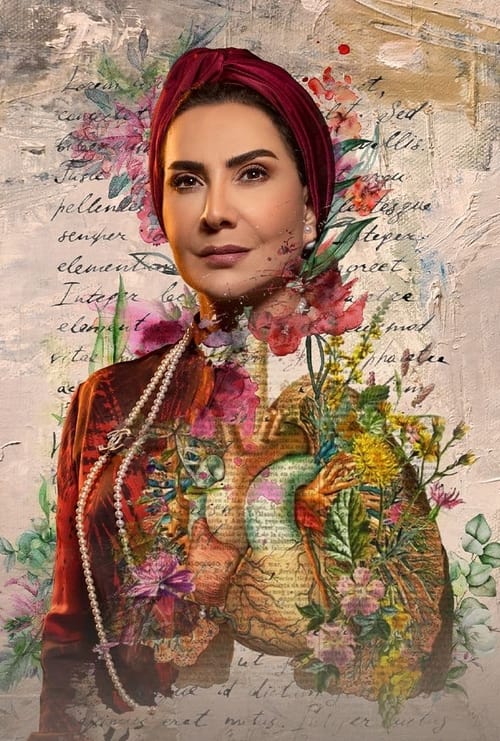
Unable to return home, a cunning wedding dancer stays back at the groom’s family home but soon gets too comfortable as she tries to gain the upper hand.
From El Haram Street To...
social drama about life and family dynamics.
Naqsh Al Henna

A love story between ambitious chef Dalal and Talal who is still recovering after getting out of a toxic relationship, they meet through an accident and soon fall in love and decide to get married. But we observe through their relationship the difference between their personalities, which causes many problems that threaten the end of the relationship, to finally meet on new foundations of trust and true partnership.
Wainak Min Zaman

The events are derived from tales from the reality of daily life, as they remain locked in the house and cannot go out, while Maryam suffers from her husband's distance from her after retiring in a wheelchair and her anxiety from the outside after her marriage.