Directing
Since its 1988 premiere, this critically acclaimed documentary series has presented hundreds of films that put a human face on contemporary social issues by relating a compelling story in an intimate fashion. "POV" has won virtually every major film and broadcasting award available, including 38 Emmys, 22 Peabody Awards and three Oscars.
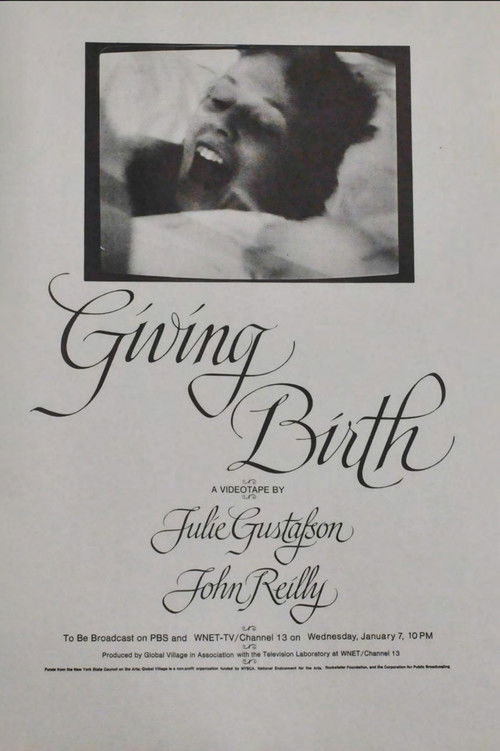
This documentary examines childbirth practices in the United States through four couples experiencing pregnancy and delivery. Each case presents a different approach to birth, ranging from high-technology hospital procedures to alternative methods such as Leboyer and midwife-assisted childbirth.
Through eloquent portrayals of four different life experiences — birth, aging, marriage and the death of a parent — Home addresses how the dissolution of the nuclear family and the increasing control of daily life by institutions have affected the individual. The subjects of this verité documentary include a ninety-four year-old woman in a nursing home and a young man caring for his terminally ill mother at home.
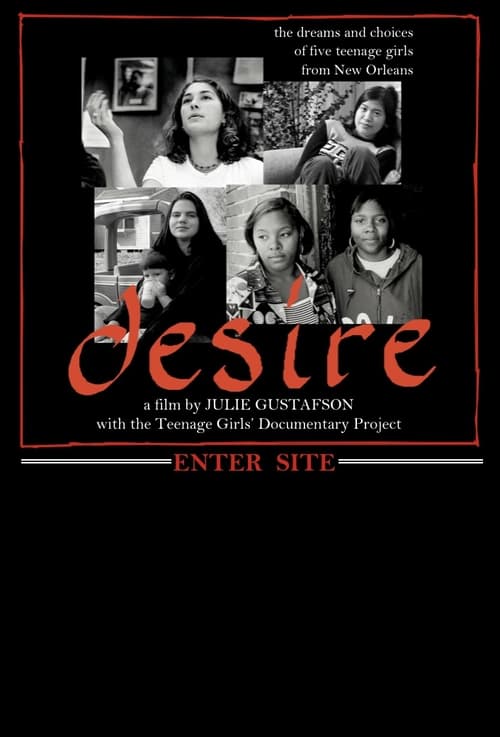
Independent videomaker, Julie Gustafson, invites a diverse group of teenage girls from New Orleans to make autobiographical videos exploring their developing sexuality and identity. An unprecedented long-term collaboration, DESIRE weaves together the girls’ video work, the stories of their changing lives, as well as the family, social and economic contexts in which their desires and choices are shaped.
“Autobiography and politics intermingle in personal tales from the last wilderness in the Eastern Megalopolis…a complex and compelling orchestration of passions.”
In this seminal feminist video, ten women address the camera and seemingly each other in a wide-ranging exploration of such previously taboo subjects as women’s sexuality, power, and fears about intimacy.
A chilling post mortem on the tragic case of two teenagers who decided to shoot themselves in the head with a shotgun, and the ensuing court case staged to place the blame on the heavy metal band Judas Priest.
A video exploration of the Declaration of Independence’s most ambiguous "self-evident truth" through portraits of six people whose paths intersect at a maximum security prison in Pittsburgh, PA.
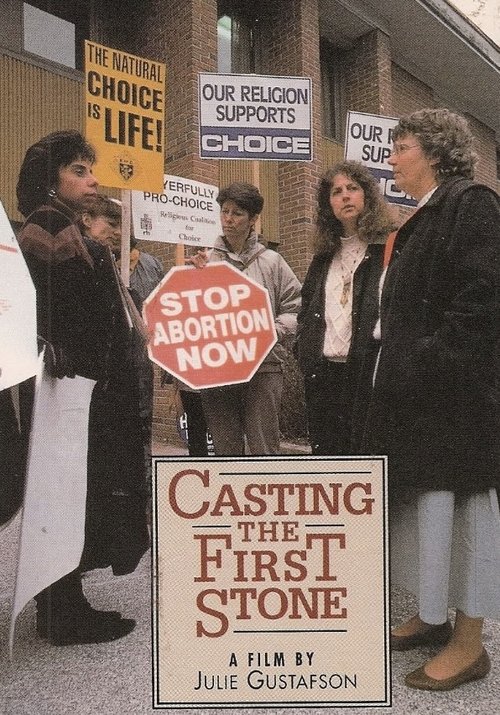
Set against the background of the Supreme Court’s historic decisions on women's reproductive rights, this documentary looks at the abortion controversy through the eyes of six women activists on both sides of the barricades in Paoli, PA. CASTING THE FIRST STONE focuses on six women who regularly confront each other from opposite sides of the picket line.
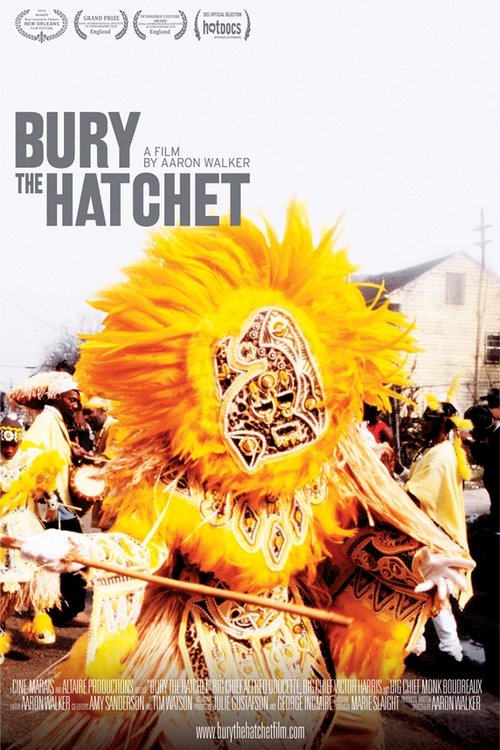
BURY THE HATCHET is a portrait of three Mardi Gras Indian “Big Chiefs” of New Orleans, descendants of runaway slaves taken in long ago by the Native Americans of the Louisiana bayous. Once plagued by intertribal violence, today these African-American tribes take to the backstreets of New Orleans on Mardi Gras, dressed in elaborate Native-American influenced costumes they've sewn over the course of the year. When tribes meet, instead of attacking each other with hatchets and knives, they battle over which Chief has the prettiest suit. Director Aaron Walker's 5-year-long intimate entry into this often hidden New Orleans experience also reveals other battles the Chiefs face every day: harassment by the police, gentrification of their neighborhoods, disinterested youth, old age, and natural disaster. Still, the Chiefs prove their determination to survive.
In July 1983, seven United States citizens entered AVCO Systems Division, a manufacturing plant for MX and Pershing II missiles in Wilmington, Massachusetts. They threw blood on blueprints and computers to protest the buildup of nuclear arms. AVCO PLOWSHARES documents the ensuring trial, which includes dramatic testimony on civil disobedience and the question if a greater moral imperative exists beyond the letter of the law. Acting on their own behalf, the defendants argued "the justification defense" to claim their duty as citizens to warn of impending nuclear threats.