Patrick Godfrey
Acting
Biography
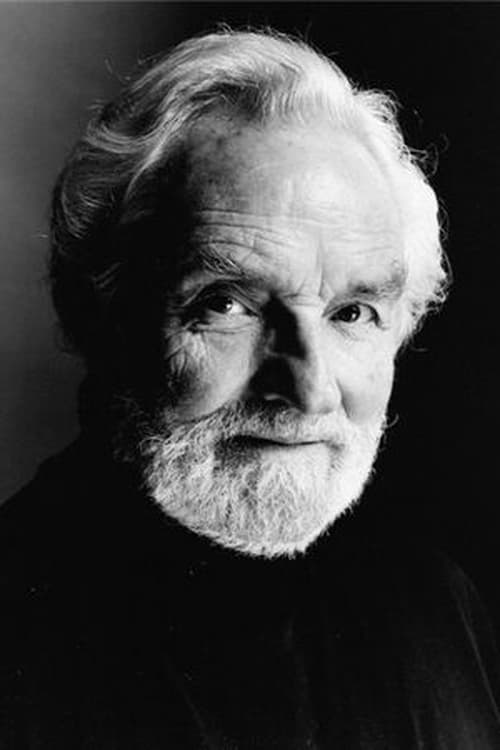
Patrick Lindesay Archibald Godfrey (born 13 February 1933) is an English actor of film, television and stage. Godfrey was born in Finsbury, London to Rev. Frederick Godfrey and Lois Mary Gladys (née Turner). In 1956 Godfrey joined the Radio Drama Company by winning the Carleton Hobbs Bursary. He made his film debut in Miss Julie (1972), and appeared in several British films of the 1980s, 1990s and 2000s, including A Room with a View, The Remains of the Day, The Importance of Being Earnest, The Count of Monte Cristo, Dimensions and Les Misérables. He also played Leonardo da Vinci in the Cinderella adaptation Ever After alongside Drew Barrymore and Dougray Scott. He had many roles on television, appearing in Doctor Who, Inspector Morse, and other series.
Known For

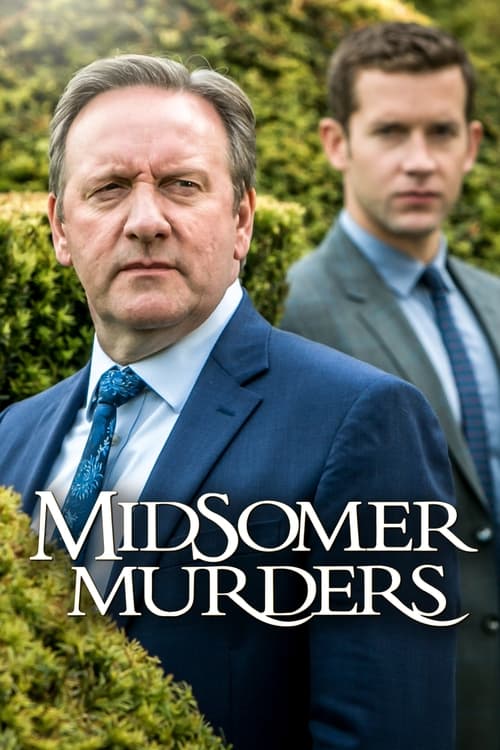
The peacefulness of the Midsomer community is shattered by violent crimes, suspects are placed under suspicion, and it is up to a veteran DCI and his young sergeant to calmly and diligently eliminate the innocent and ruthlessly pursue the guilty.
Midsomer Murders

The adventures of The Doctor, a time-traveling humanoid alien known as a Time Lord. He explores the universe in his TARDIS, a sentient time-traveling spaceship. Its exterior appears as a blue British police box, which was a common sight in Britain in 1963 when the series first aired. Along with a succession of companions, The Doctor faces a variety of foes while working to save civilizations, help ordinary people, and right many wrongs.
Doctor Who

Drama series about the staff and patients at Holby City Hospital's emergency department, charting the ups and downs in their personal and professional lives.
Casualty

Play for Today is a British television anthology drama series, produced by the BBC and transmitted on BBC1 from 1970 to 1984. During the run, more than three hundred programmes, featuring original television plays, and adaptations of stage plays and novels, were transmitted. The individual episodes were between fifty and a hundred minutes in duration.
Play for Today

Crown Court is an afternoon television courtroom drama produced by Granada Television for the ITV network that ran from 1972, when the Crown Court system replaced Assize courts and Quarter sessions in the legal system of England and Wales, to 1984.
Crown Court

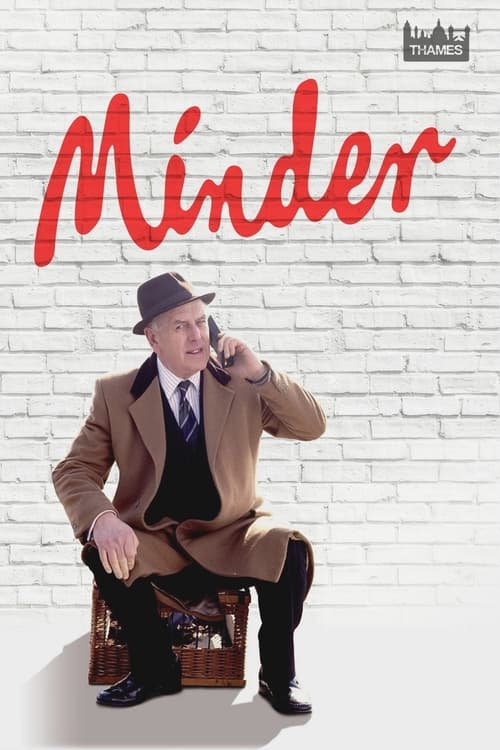
Roguish comedy drama following the misadventures of small-time crook Arthur Daley.
Minder

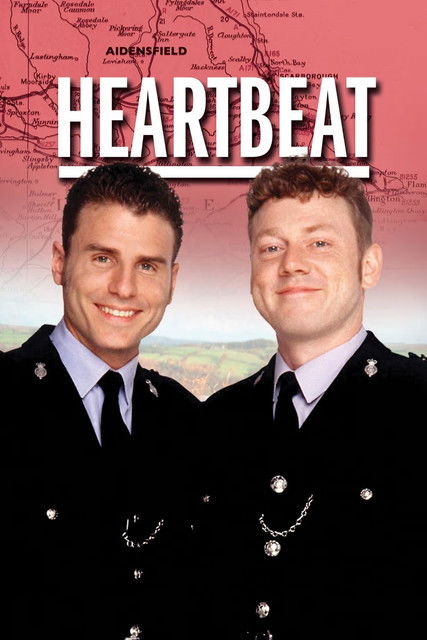
Set during the 1960s in the fictional North Yorkshire village of Aidensfield, this enduringly popular series interweaves crime and medical storylines.
Heartbeat

Inspector Morse is a detective drama based on Colin Dexter's series of Chief Inspector Morse novels. The series starred John Thaw as Chief Inspector Morse and Kevin Whately as Sergeant Lewis, as well as a large cast of notable actors and actresses.
Inspector Morse

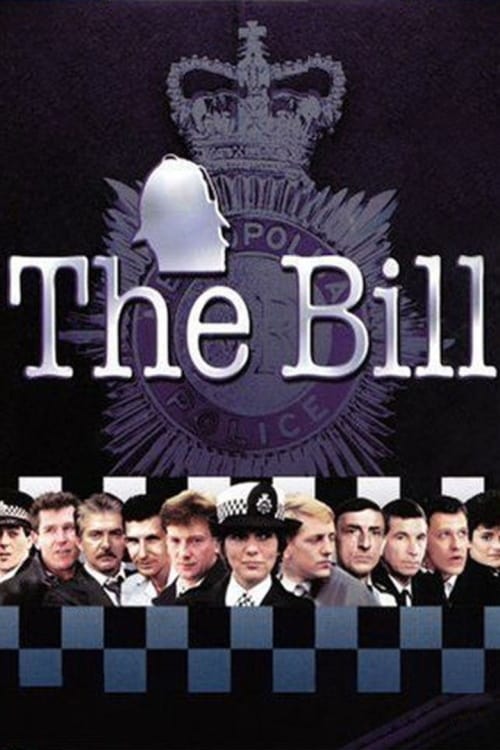
The daily lives of the men and women at Sun Hill Police Station as they fight crime on the streets of London. From bomb threats to armed robbery and drug raids to the routine demands of policing this ground-breaking series focuses as much on crime as it does on the personal lives of its characters.
The Bill

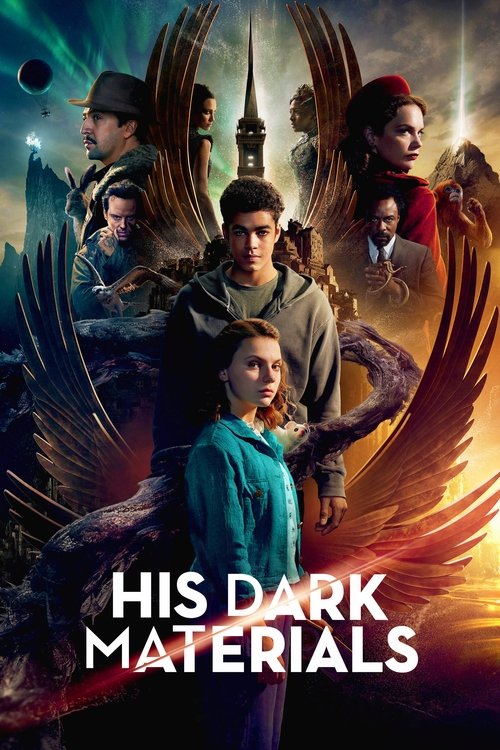
Lyra is an orphan who lives in a parallel universe in which science, theology and magic are entwined. Her search for a kidnapped friend uncovers a sinister plot involving stolen children and turns into a quest to understand a mysterious phenomenon called Dust. She is later joined on her journey by Will, a boy who possesses a knife that can cut windows between worlds. As she learns the truth about her parents and her prophesied destiny, the two young people are caught up in a war against celestial powers that ranges across many worlds.
His Dark Materials

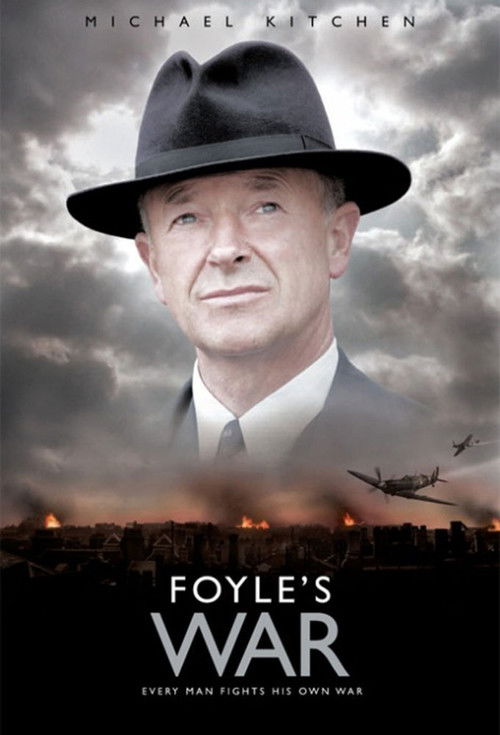
As WW2 rages around the world, DCS Foyle fights his own war on the home-front as he investigates crimes on the south coast of England. Foyle's War opens in southern England in the year 1940. Later series sees the retired detective working as an MI5 agent operating in the aftermath of the war.
Foyle's War

Series of single made-for-television dramas.
Screen Two

Theatre 625 is a British television drama anthology series, produced by the BBC and transmitted on BBC2 from 1964 to 1968. It was one of the first regular programmes in the line-up of the channel, and the title referred to its production and transmission being in the higher-definition 625-line format, which only BBC2 used at the time.
Theatre 625

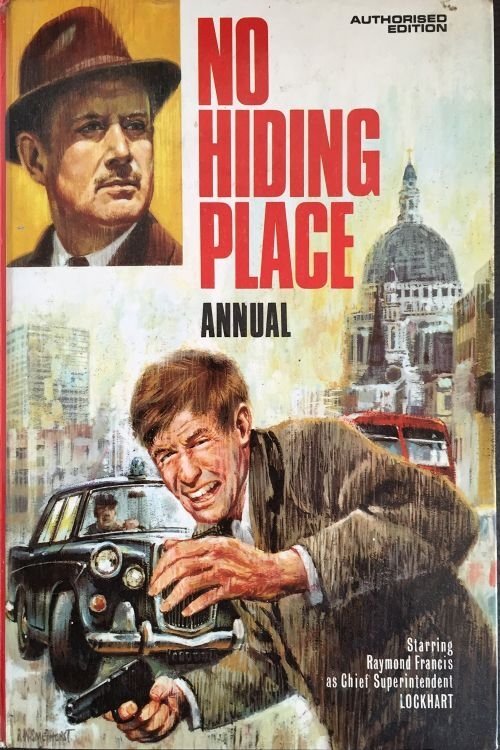
No Hiding Place is a British television series that was produced at Wembley Studios by Associated-Rediffusion for the ITV network between 16 September 1959 and 22 June 1967. It was the sequel to the series Murder Bag and Crime Sheet, all starring Raymond Francis as Detective Superintendent, later Detective Chief Superintendent Tom Lockhart.
No Hiding Place

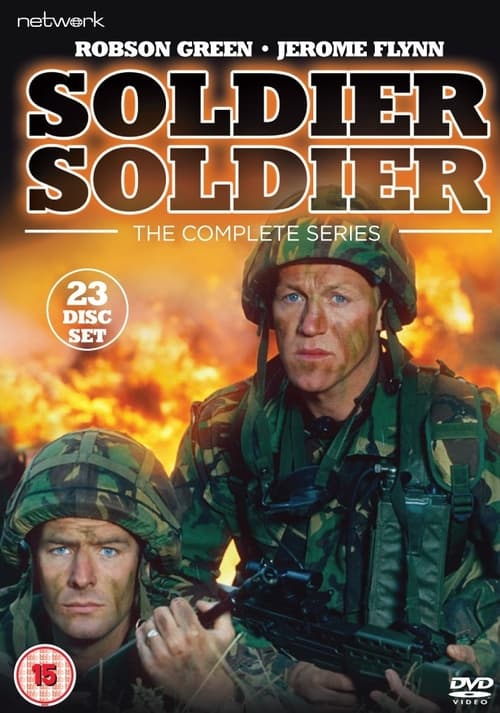
The daily lives of a group of soldiers in 'B' Company, 1st Battalion The King's Fusiliers.
Soldier Soldier

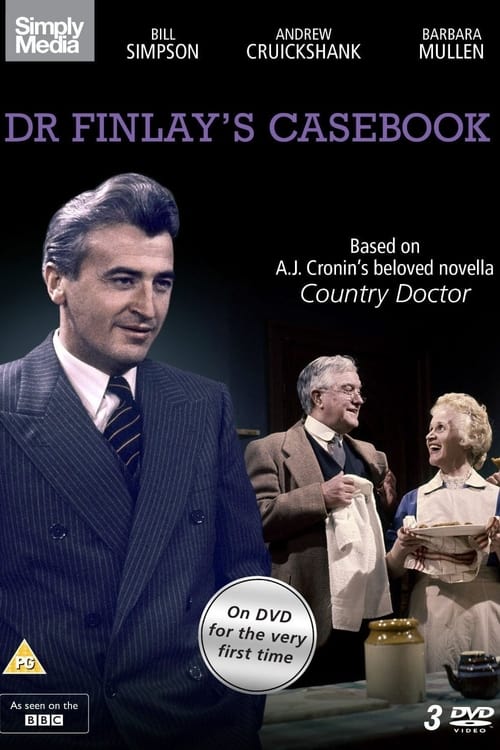
Dr Finlay's Casebook is a BBC television series that was broadcast from 1962 until 1971. Based on A. J. Cronin's novella Country Doctor, the storylines centred on a general medical practice in the fictional Scottish town of Tannochbrae during the late 1920s.
Dr. Finlay's Casebook

An anthology series of various plays and dramatic performances.
Performance

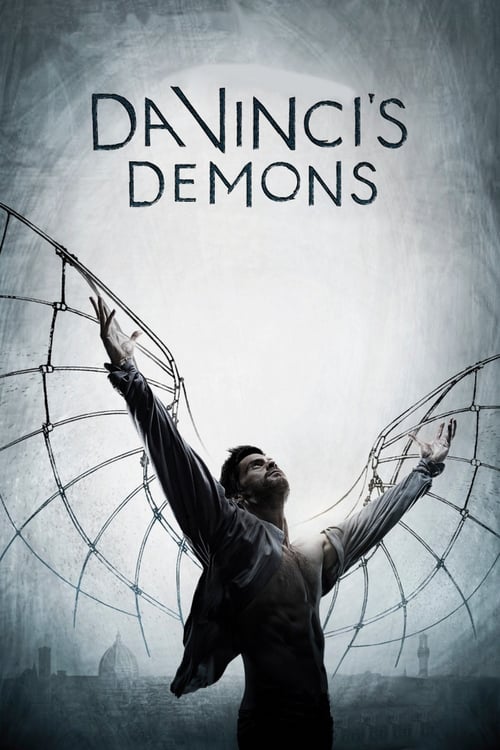
The series follows the "untold" story of Leonardo Da Vinci: the genius during his early years in Renaissance Florence. As a 25-year old artist, inventor, swordsman, lover, dreamer and idealist, he struggles to live within the confines of his own reality and time as he begins to not only see the future, but invent it.
Da Vinci's Demons

Justice is a British drama television series which originally aired on ITV in 39 hour-long episodes between 8 August 1971 and 16 October 1974. Margaret Lockwood stars as Harriet Peterson a female barrister in the North of England. It was made by Yorkshire Television and was based loosely on Justice Is a Woman, an episode of ITV Playhouse broadcast in 1969 in which Lockwood had previously also played a barrister. The theme music was Crown Imperial by William Walton.
Justice

An anthology of plays and novels adapted into feature length TV movies, broadcast on BBC2 from September 1977 to April 1979.