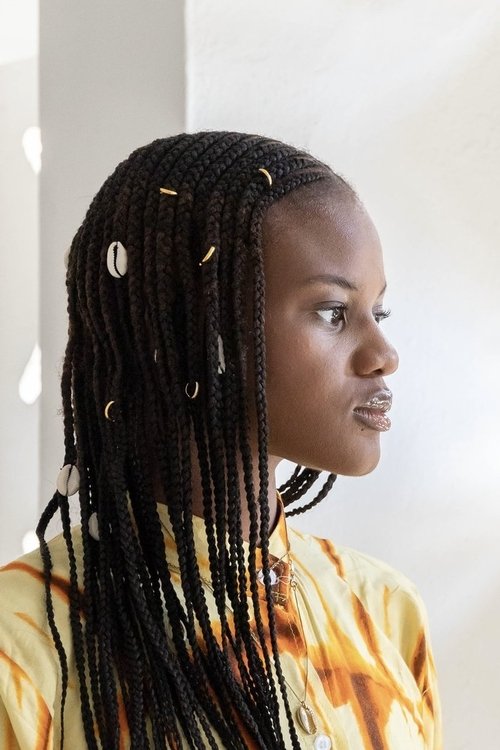
Johanna Makabi
Directing
Known For
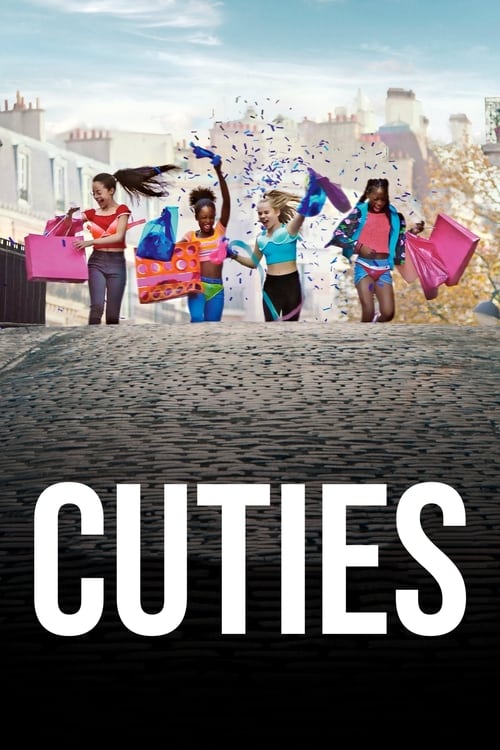
Amy, an 11-year-old girl, joins a group of dancers named “the cuties” at school, and rapidly grows aware of her burgeoning femininity—upsetting her mother and her values in the process.
Cuties

Lucas is a 17-year-old gay teenager coping with the sudden and unexpected death of his father in an accident that may or may not have been suicide. He views his life as a wild animal in need of taming. Between a brother settled in Paris and a mother with whom he now lives alone, Lucas will have to fight to rediscover hope and love.
Winter Boy

No description available.
Que les meilleurs gagnent
Thirtysomething Dom is undergoing therapy. As the Christmas holidays come to an end, he is granted, for the first time in years, the right to spend a day alone with his daughters. A precious day… that he dreads seeing come to an end.
Happy Meal
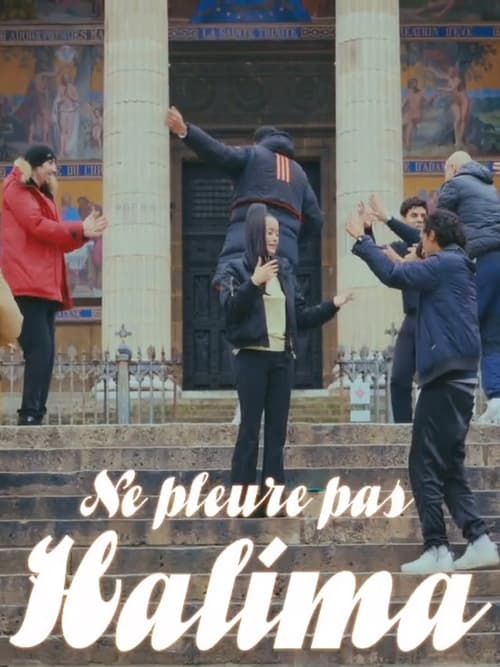
Halima is a young woman who doesn't go unnoticed. Along with writing militant articles on her blog, she works as a receptionist and hangs out with her group of flamboyant friends. The thing is, her student visa is about to expire. Moving in worlds which seem hostile to her, Halima tries to find her place.
Don't Cry Halima
Paulette Nardal, Martinique-born pioneer of the Négritude movement, introduces herself and her critique, with a surprise visitor, in this elegantly staged visit to the past.
Paulette et le clown
Grâce, 8 years old, hates her neighborhood, she hates cheerleading and today she decided to join her father in space.
Grâce
Today, Fatou goes to the laundromat in Harlem and meets a young man.
A Laundry Day
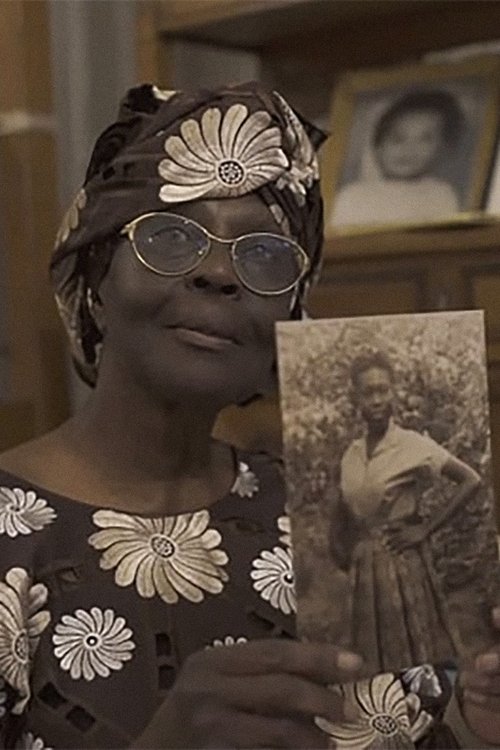
Mbissine Thérèse Diop played the starring role in Ousmane Sembène’s landmark first feature, 1966’s Black Girl (La Noire de…). Today, she looks back on her experience as a Black actress in the 1960s.
Our Memory
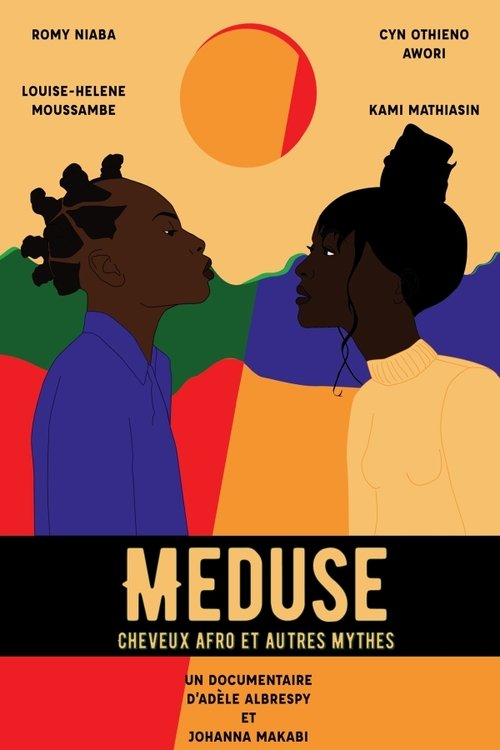
From London to Paris, Marseille to finish in Dakar, we start looking for various African neighborhood in order to film various types and techniques of hairdressing: braided braids, flat braids, plaited braids, weaving, straightening, Afro ... Throught Meetings and conversations with people and hairdressers, we question the importance of treatment and maintenance of hair in African cultures. Through the stories of Romy, Cyn, Kami and Louise we follow the evolution of their hair which finally turns out to be more political than aesthetic.