Samuel George
Directing
Biography
Dr. Samuel George is an award-winning documentary filmmaker and analyst for the Bertelsmann Foundation, a non-profit, non-partisan organization based in Washington, DC. Samuel’s documentaries bring viewers up close and personal to people and communities facing the challenges and opportunities of the 21st century, offering candid perspectives that allow viewers to draw their own conclusions. His films focus on the intersection of politics, economics, social issues, and daily life. Filming on the ground from the Turkish – Syrian border, to the factories of Juarez, Mexico, to elections in West Virginia, the films offer a voice to those impacted by policy and macro trends, but who often are denied a seat at the table where decisions are made. George’s documentaries have screened at film festivals, collaborative events, and have broadcast across the country. Three of his films have in syndication on PBS, and a number of others are available on streaming services . All films are freely available online at http://www.bfnadocs.org. George graduated with a Bachelor’s Degree in History from Oberlin College in 2007, and a Master’s Degree in International Economics and Latin American Studies from the Johns Hopkins University School of Advanced International Studies (SAIS) in 2012. He completed a PhD at the Johns Hopkins University School of Advanced International Studies in 2024.
Known For

For decades, migrant workers have worked the fields of Immokalee, harvesting tomatoes, peppers, eggplants, oranges and other produce that is then shipped across the United States of America. Many of the workers are undocumented, and attempting to keep their jobs even as federal migration crackdowns hover over the town. The Fields of Immokalee film follows the daily lives of tomato workers, from the 5:00am trips to the parking lot in hopes of finding day labor, to work sessions in the scorching mid-day heat, to child detention centers for migrant youth that have been separated from their families. Via these vignettes, the film offers insight into the most volatile political issue of our time.
The Fields of Immokalee

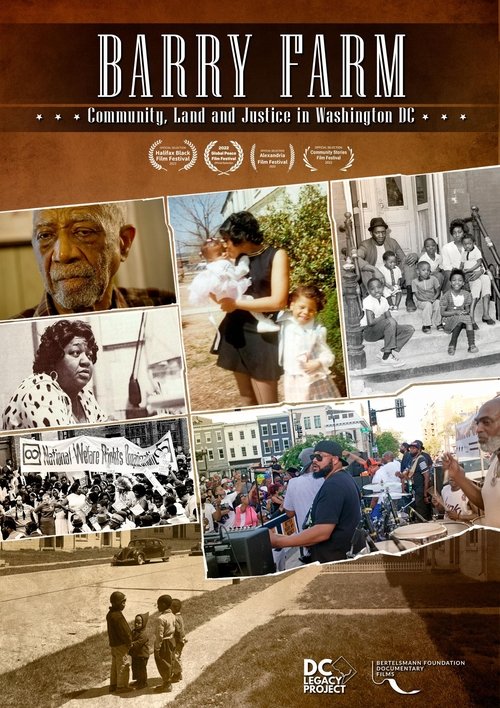
Take a left off of the Anacostia Freeway on to Firth Sterling Ave in Washington, DC - what do you see? You see empty fields. You see shiny new buildings just breaking ground. Construction equipment. Sweeping views of the capital. As one community member states in this film, if you are a developer, you see a gold mine. But these empty fields hold powerful memories. Enslaved people once worked this land. Later, during Reconstruction, the formerly enslaved purchased it, and built one of DC's first thriving Black communities.
Barry Farm

In recent years, Chinese investment has poured into Southeast Europe, offering access to desperately-needed development financing. But at what cost? The conditions around the cash have raised concerns related to democracy, labor standards, and debt. This is part of China's Belt and Road initiative, and an extension of the controversial approach China has already taken in Africa and Latin America. Why are European countries now turning to China? And what does it mean for the continent's future? From the copper mines of Eastern Serbia, to Montenegro's billion-dollar highway to nowhere, this film goes to the frontlines of China's economic advancements into Europe.
Tinderbox, Belt & Road: China in the Balkans

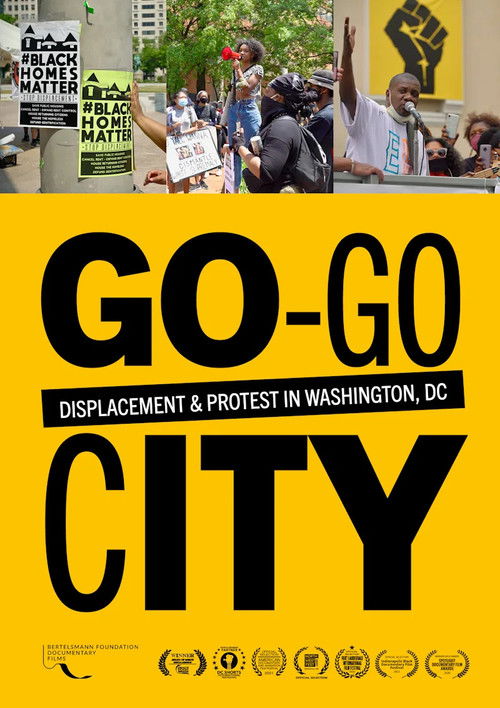
For decades, Washington, DC has been a beacon for Black culture and Go-Go music. Now, a wave of economic and cultural gentrification threatens to erase this history, as displaced communities take to the streets to protest and defend the city’s iconic Go-Go sound.
Go-Go City: Displacement & Protest in Washington, DC

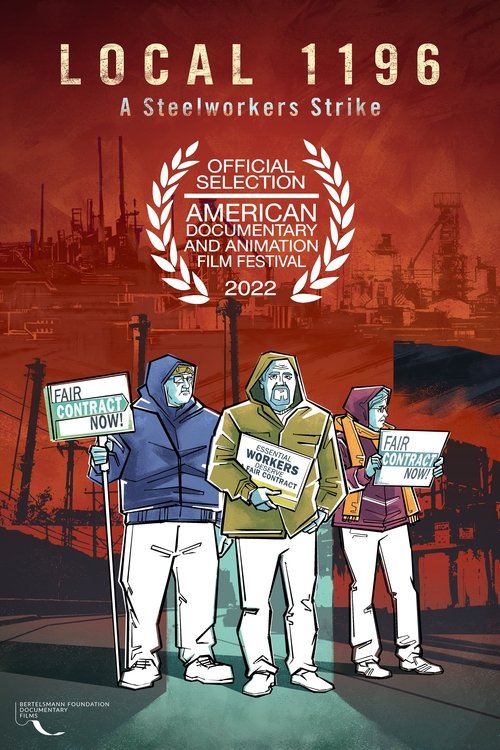
In March of 2021, the steelworkers of USW 1196 in Brackenridge struck, citing unfair labor practices. Over the next four months, “Local 1196” follows the steelworkers from late night conversations on the picket lines, to fiery debates at the union hall, to their living rooms as bills come due.