Mieke Bal
Directing
Known For
This film explores multinational shoe company Bata’s impact on individual lives and their surroundings. The film’s aesthetic, shifting from site to site and shot to shot, offers pockets as a visual version of the bubble that was the Bata colony itself. The characters are all connected to that past. They guide the viewers through the merging of past and present in memory. The film’s colouration also evokes this mixture.
Colony
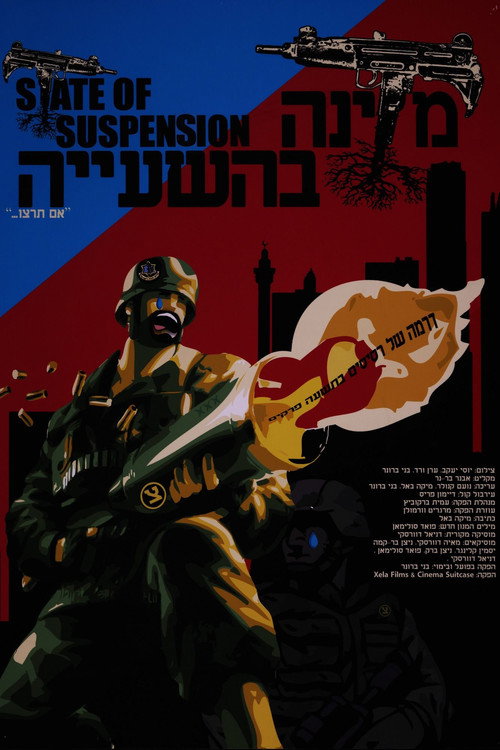
State of Suspension is a drama of fragments in nine chapters; an unusual and provocative look at Israel, sixty years after independence. The film is a composite of satirical performances, music and poetry especially composed for the film, which transform the Israeli national anthem and the Declaration of Independence into inclusive rallying calls. These elements are interspersed with unique archival material, compelling situations, revealing statements by a variety of people, all related to the ongoing conflict and the occupation.
State of Suspension
With the non-existing word “refugee-dom” Lena Verhoeff and I wanted to express the state, emotional and physical, of the life of the refugee on the road. On everyday television, we see images of people walking with luggage and small children and exhausted faces. But our theme was a bit different. The phrase “lonely but not alone” came from an autobiography of former Dutch queen Wilhelmina, published in 1959, to describe her life as always surrounded by a dense crowd of people at court but still, always feeling lonely. The two qualifiers, lonely and alone, which seem to be synonymous, are here, through the conjunction “but”, rather presented as an opposition; an opposition qualifying a non-existing noun.
Refugeedom: Lonely But Not Alone
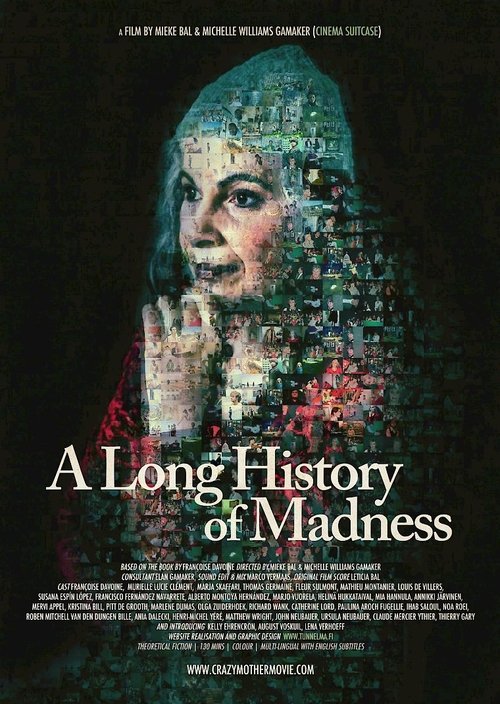
If your mentally ill patient dies, are you to blame? For Dr Françoise Davoine, Parisian psychoanalyst, this question becomes disturbingly real as one of her patients, Ariste, dies. Davoine is abducted and put on trial by mediaeval fools and through the course of one hellish day - across several centuries and countries - must argue her case for exoneration. As the journey forces Dr Davoine to question her own life, via a mix of fiction, documentary and theory, A Long History of Madness takes the viewer on a one-of-a-kind journey into the minds of the ‘mad’ and those designated to cure them.
A Long History of Madness
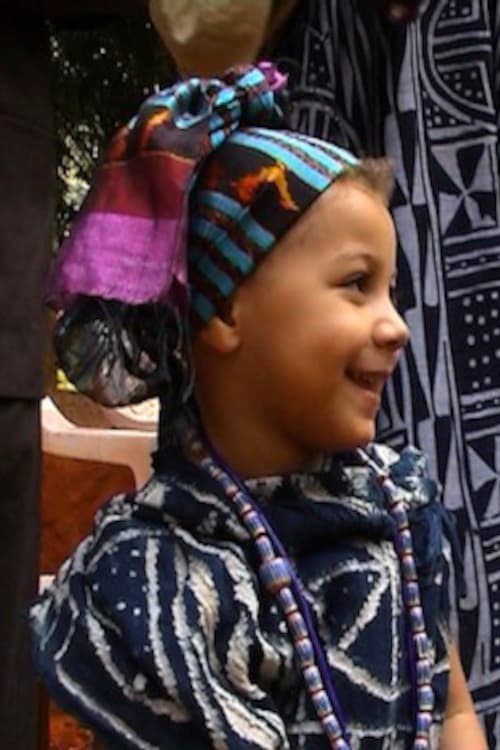
Between age three and four, Vera Loumpet-Galitzine traverses many landscapes, exploring where she comes from, to come into her own. We follow her to her school and neighbourhood activities in France, Cameroon and Russia. As Vera dances, sings and runs around these visually engaging landscapes, seemingly easily integrated into her rich fantasy world, we attempt to imagine what they look like to her. What does she see, think, or imagine?