Acting
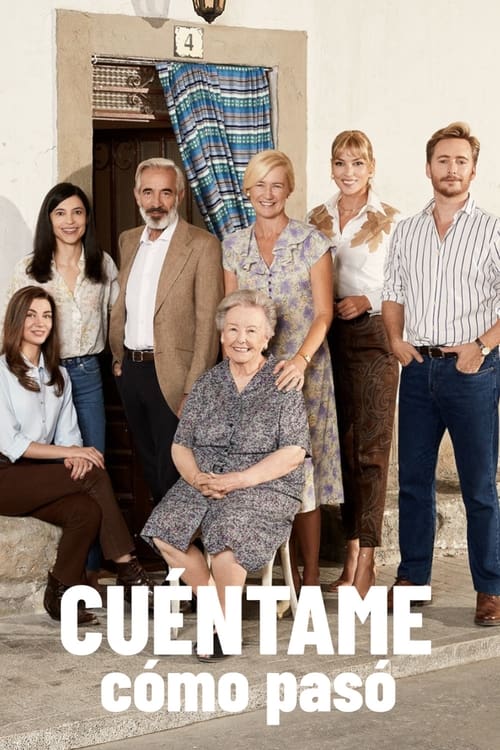
Recounts the experiences of a middle-class family, the Alcántaras, during the last years of the rule of Francisco Franco and the beginning of the Spanish Transition to democracy.
La que se avecina is a Spanish television comedy created by Alberto Caballero, Laura Caballero and Daniel Deorador. The TV-series focusing around the inhabitants of Mirador de Montepinar, a fictional building located on the outskirts of a big city. Both its storylines and cast are heavily based on Aquí no hay quien viva, which ended when Telecinco bought Miramón Mendi, the series production company. The episodes debuted on the Telecinco network, and were later rerun by the same network as well as cable/satellite channels FactoríaDeFicción and Paramount Comedy. The series debuted in 22 April 2007 and became popular thanks to its funny characters, witty script, use of catchphrases and capacity to integrate and poke fun at contemporary issues; the program presents a caustic satire of many of the 'types' found in Spanish society. The name of the show involves wordplay, as "vecina" is the Spanish word for neighbour.
Pedro, Luis, Raúl and Santi are four friends who feel a bit lost in the new world of empowered women, each trying to adjust in their own haphazard way.
'L'Alqueria Blanca’ ('The White Village') proposes a journey through time, up to the 1960s, which reflects the life of an inland village, in the Alcoià county. The atmosphere is eminently rural and is marked by the great differences between the two most representative families of the place, the Falcó and the Pedreguer, who star in a series of stories with love above the class difference, envy, jealousy and scandal. It all comes down to some unstoppable advances in society.
After being dumped by her lover, Pepa finds her life and the lives of those around her spiraling out of control in a deliciously chaotic series of events.
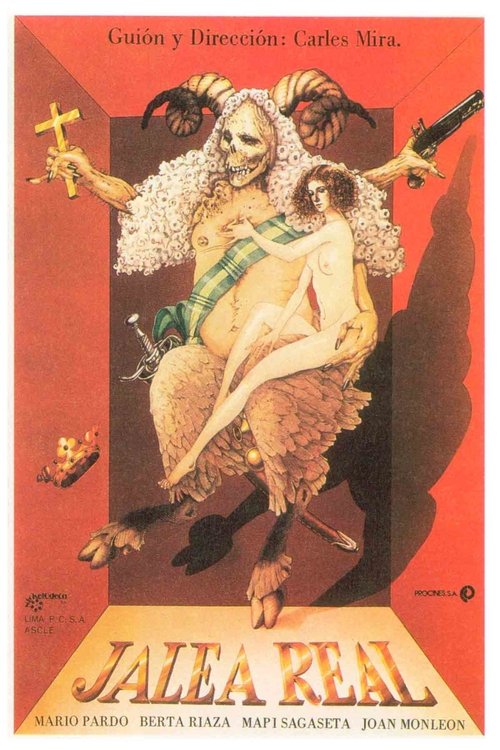
Once upon a time, there was an empire where the sun never set. This empire had a court. This court had a king, but this king had no heir. They married the king, who understood that copulation was a duty of state and attempted it with exemplary dedication, but failed. The entire court, from the nobility to the jesters, gets down to work, sparing no means or methods, to produce the desired heir, and they reach a conclusion: the king has been bewitched and needs be exorcised.
No description available.
Remake of the tale of an acclaimed matador who finds himself involved with a beautiful woman, jeopardizing both his marriage and career.
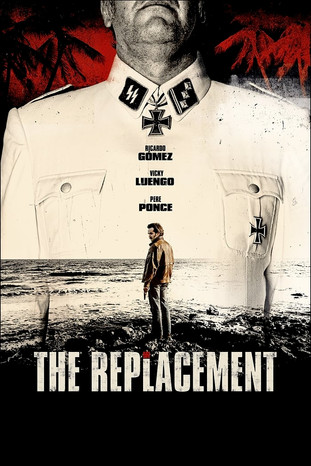
Spain, 1982. Andrés Expósito, a young police inspector, accepts a posting in Denia, a small town on the Mediterranean coast, in the hope of leading a quieter life and that the natural environment will help improve the fragile health of his daughter; but once in his new post he becomes involved by chance in the investigation of the strange death of the inspector he has come to replace.
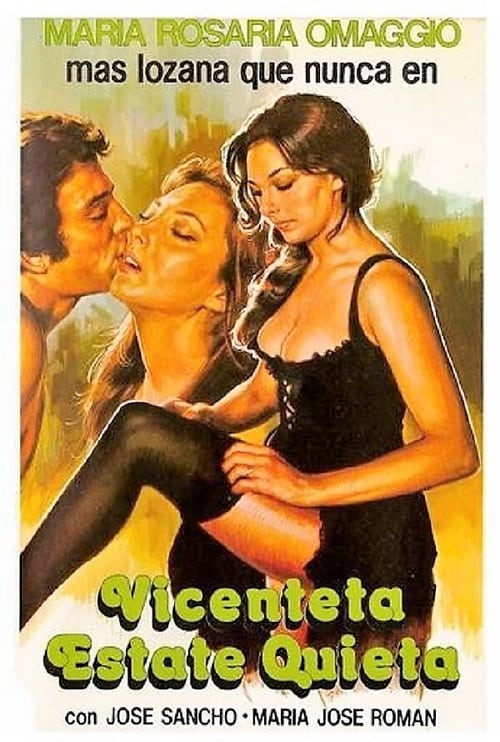
Just when normalcy seemed to have returned to the Valencian town of Favara with Visanteta's marriage, tragedy strucks and she's widowed. To avoid the wrath of Saint Barbara after Visanteta's honor is threatened, they seek her a husband, but none lasts for long.
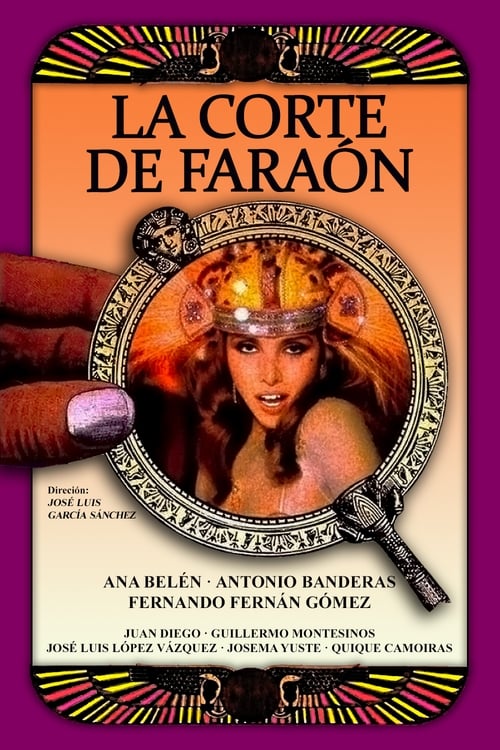
In the early Spanish Civil Post-war, in Madrid, during the most hard times of the Franco dictatorship, a group of second-rate players try to get out of their wretched lives taking advantage of the artistic caprices of the son of a rich man who supports the regime. They try to stage a Pre-war 'zarzuela' (a sort of Spanish operetta), 'La Corte Del Faraón', which ironically, thirty years later, is too obscene for the regime censorship. They finally manage to perform the 'zarzuela' but end up in the police station where they confirm that justice depends on which side are you on
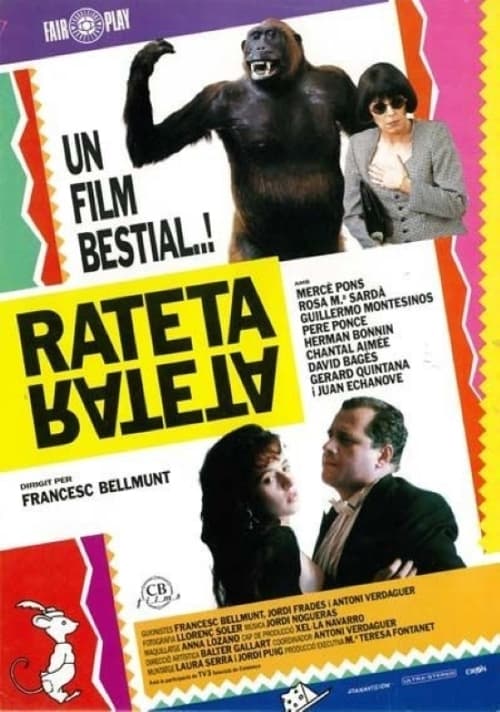
She wanted to be rich, to have lovers, to go to Barcelona: but Montserrateta had to make do with living in a village in the Pyrenees, with her boyfriend, and milking cows on her parents' farm, until one day, she finds a lottery ticket.
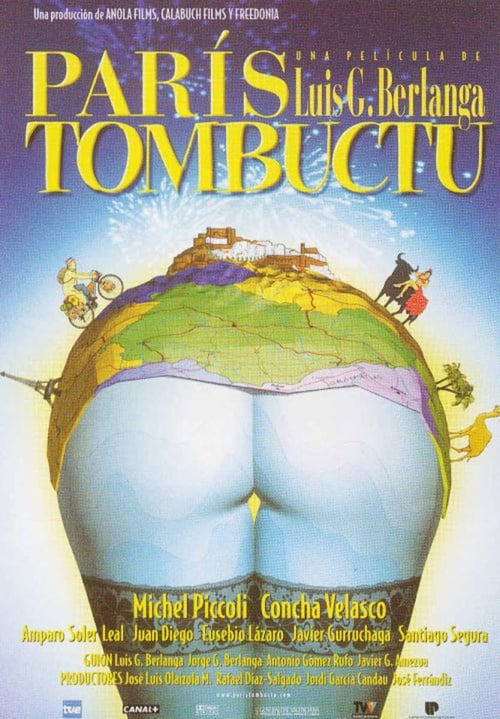
The frustration and vital weariness of Michel des Assantes, a prestigious plastic surgeon in Paris, is unbearable: he has a wife whom he does not love, a son who is foreign to him and friends whom he despises but, at the same time, he is incapable of taking his own life. One day, he buys a bike from a bizarre cyclist who was to make the Paris-Timbuktu route and sets out to make the journey: then, Timbuktu becomes for him the Promised Land.
Teodoro, a Spanish engineer working as a professor in the United States, returns to Spain to enjoy a sabbatical year.
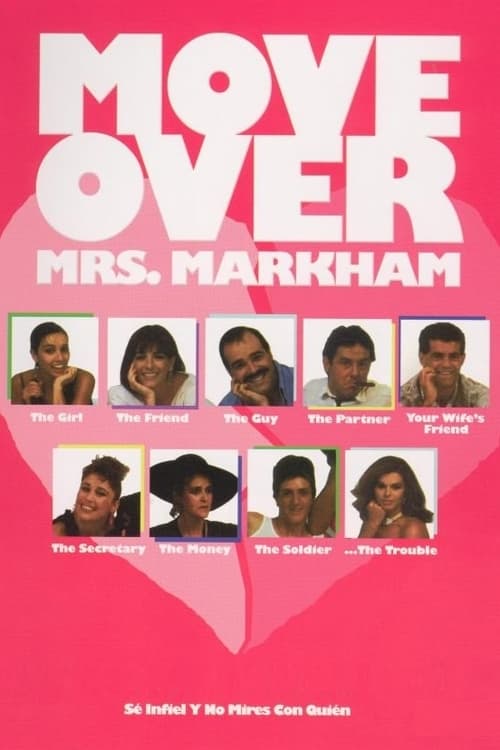
Pablo and Fernando, owners of a children's book publishing company about to go bankrupt, have managed through unorthodox means to contract the country's best-selling author, Adela Mora. The evening of the official signing, Paco asks his friend to let him use his house for a love tryst while Fernando wines and dines Adela. At the same time, Paco's wife, Carmen, will be taking her lover to Rosa's house. From here on the rout begins, as Paco tries to get rid of Silvia, his secretary, and Carmen, her husband. Fernando thinks Rosa is cheating on him with Oscar, who thinks Fernando is gay and having an affair with his partner, while the soldier thinks his girlfriend is a professional...
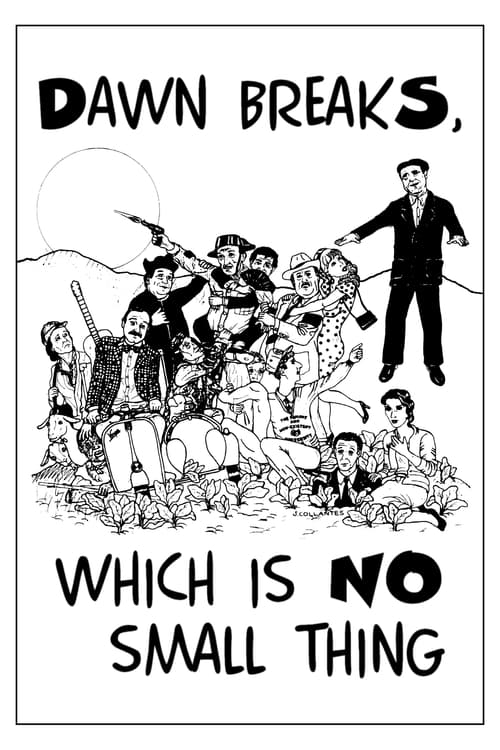
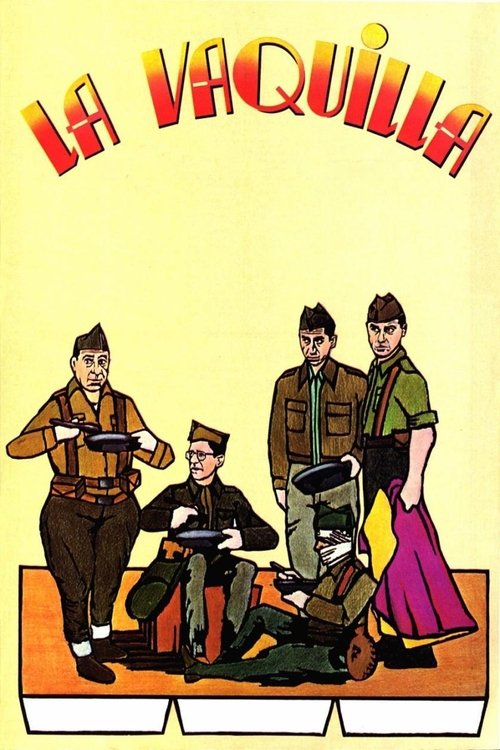
During the Spanish Civil War a platoon of mismatched Republican soldiers cross the front-line to steal the bull that the enemy is going to fight on the local holiday of the nearby village. In addition to ruining the Nationalist faction's celebration they want the animal in order to butcher it and feed their famished troops. They get caught in the process and have to go through a series of funny and pathetic incidents before they can get back to their side.
Adapted from the novel by Juan Marse, the film shows two distant worlds in the Spain of the 50's, the suburban and the bourgeois, which are related through two characters, Manolo Reyes, vulgar motorcycle thief who aspires to escape poverty and Teresa Serrat, university student of bourgeois extraction seduced by the revolutionary cause.