Acting
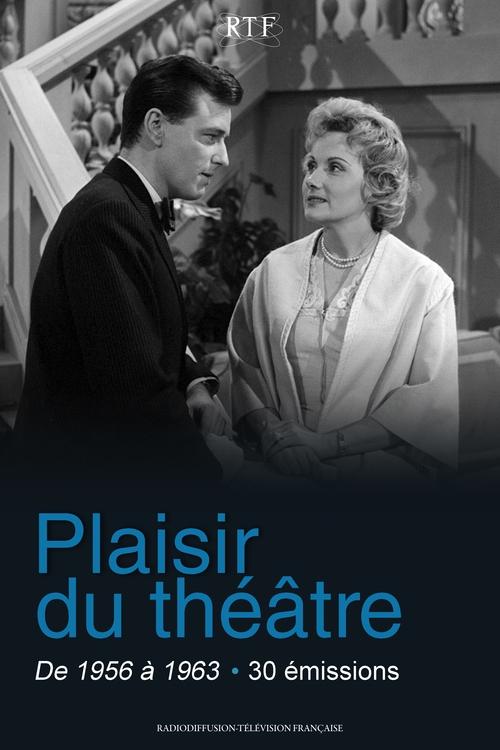
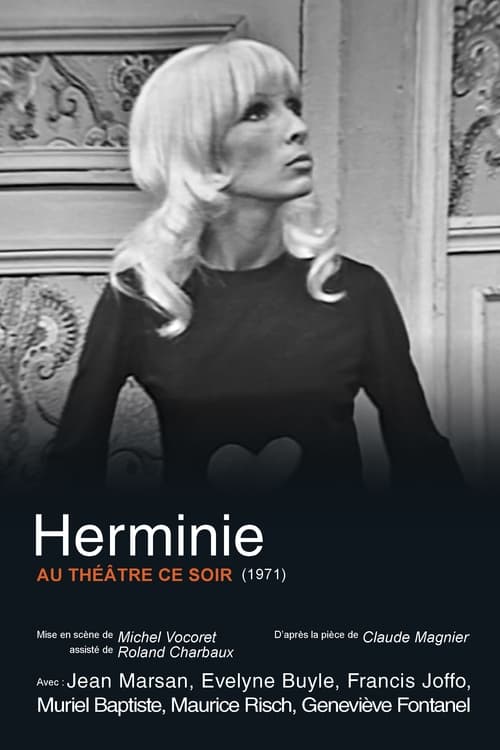
At Theater tonight is a TV show broadcasted from 25th August 1966 to 21st September 1985. The show is broadcast plays recorded in two or three days, during public performances at the Théâtre Marigny on the Champs-Élysées, or sometimes Edouard VII theater.
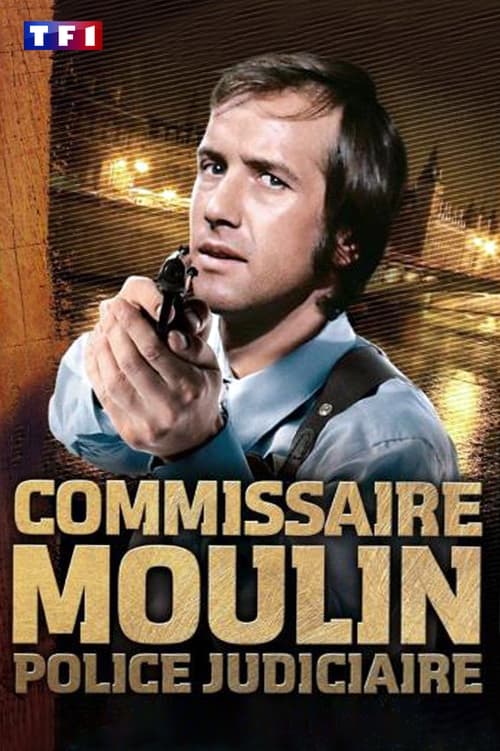
The series follows the adventures of lighthearted Jean-Paul Moulin, a police Commissaire, and his team as they solve crimes.
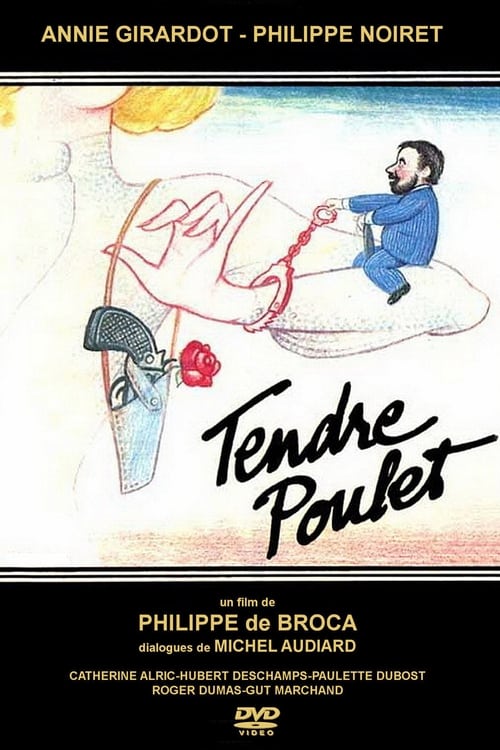
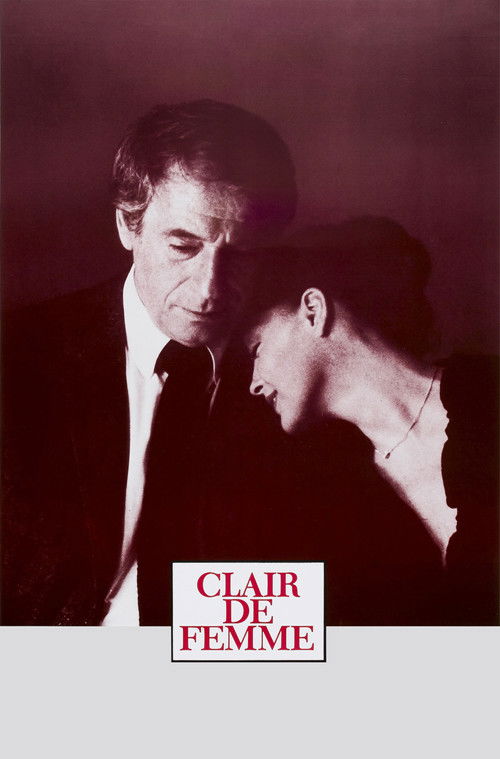
When Lise's car bumps Antoine's bike, they recognize each other from a brief fling 20 years before while at the Sorbonne. He's now a professor of Greek; she's loathe to tell him she's a police inspector. A call interrupts their first dinner date: a Deputy of the National Assembly has been murdered. She has a suspect, another Deputy, and must track him while deflecting Antoine's eye from her vocation. All roads in the inquiry lead to Christine Vallier, the dead Deputy's mistress, a beguiling 22-year-old whose mother ran the Assembly's snack bar. When more deputies die and Antoine learns Lise's identity, she must act quickly solve the crime and save her future.
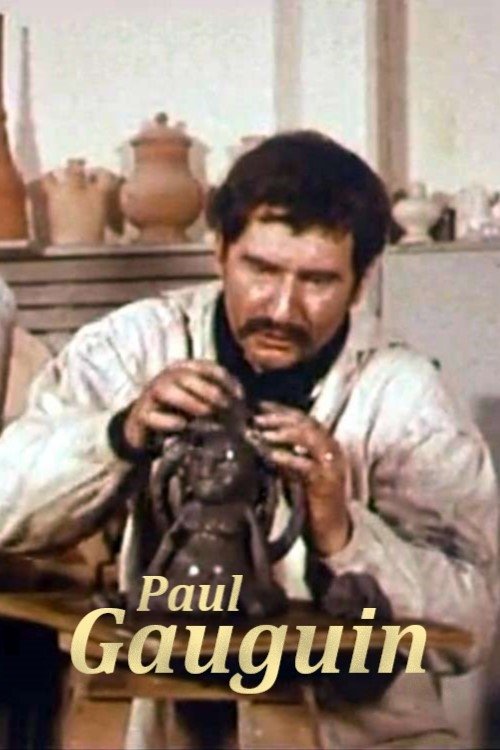
The life of famous painter Paul Gauguin.
No description available.
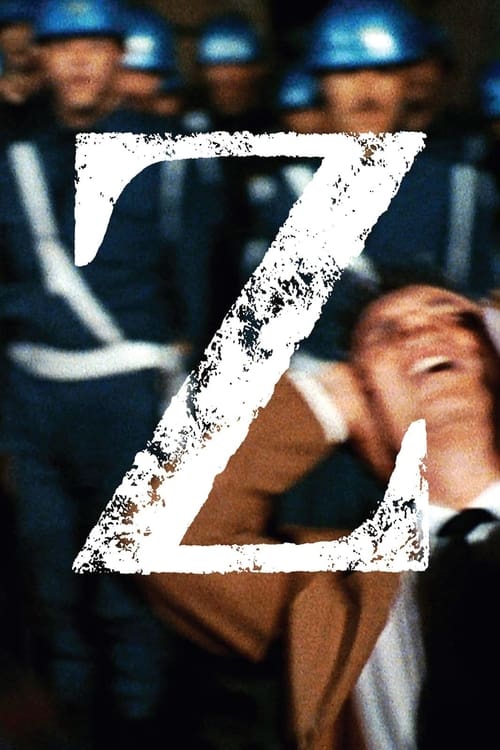
A prominent politician is murdered during a demonstration. The government and army are trying to suppress the truth, but a tenacious magistrate is determined not to let them get away with it.
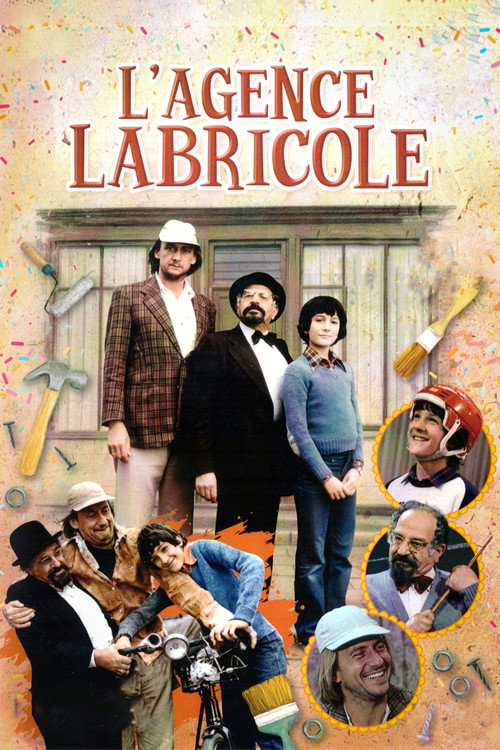
L'Affaire Labricole was a 1981 French - Belgian thriller TV series aired in France, Belgium and Switzerland.
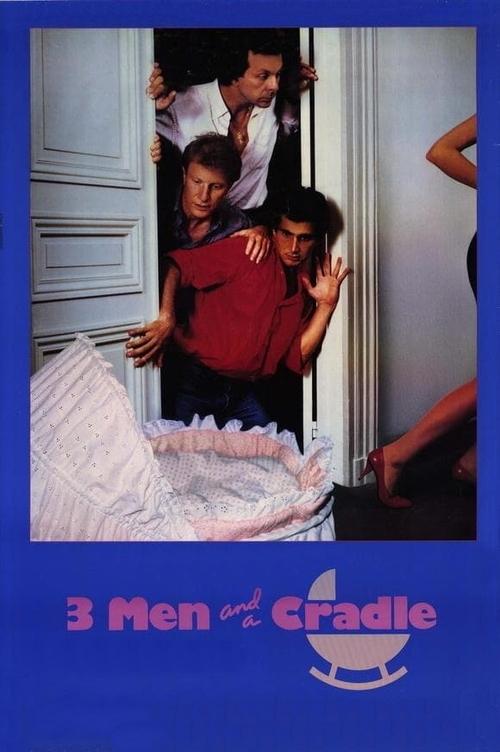
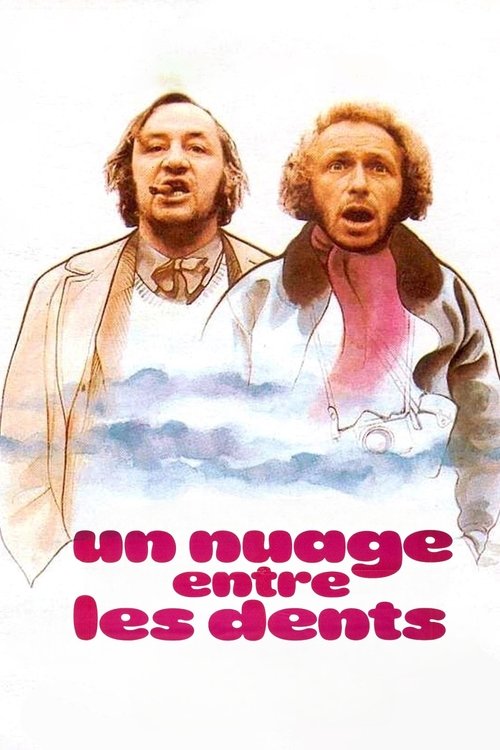
Three young men - Jacques, Pierre, and Michel - share an apartment in Paris, and have many girlfriends and parties. Once, during a party, a friend of Jacques' tells him he has a quite compromising package to deliver, and asks him if he can leave it discreetly at their place. Jacques agrees and, as he works as a steward, flies away for a one-month trip in Japan, telling Pierre and Michel about the package. Then, one of Jacques' former girlfriends drops a baby before their door, making Pierre and Michel believing it is the package they are waiting for. Their lives are then completely changed.
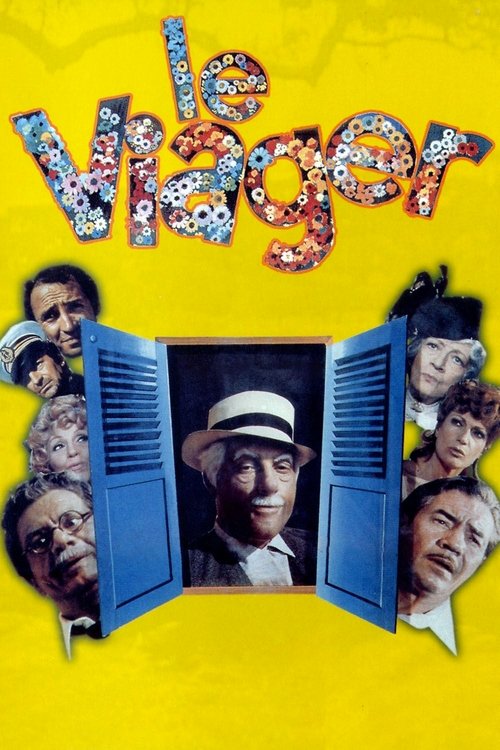
In 1930, Louis Martinet, a peaceful sexagenarian, no longer has a long life to live according to the words of his doctor, Leon Galipeau, who sees to take advantage of the very interesting situation of the "future deceased". This one indeed has a small house in Saint-Tropez. Galipeau sniffs the windfall. Following his advice, Martinet agrees to give it in life to the brother of the doctor, Emile, and then rushes back to a health of iron. Worse, he even survives the war. Galipeau, exhausted, decide to use the great means to get rid of the importunce who persists in thwarting their project ...
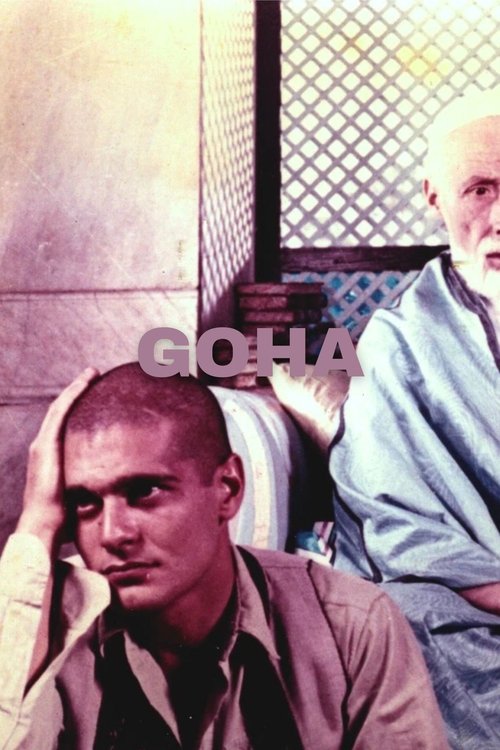
As far as can be determined, Goha was Tunisia's first entry in the Cannes Film Festival. Omar Sharif stars as a naïve young man who is taken for granted by friends and family. Little do they know that he has more intelligence, tenacity and imagination than all of them put together. The story takes an unexpectedly dramatic turn when the man falls in love with the young wife of his village's elderly "wise man". Based on an ancient Tunisian folk tale, Goha boasts impressive production values and sure-handed direction (by Jacques Baratier).
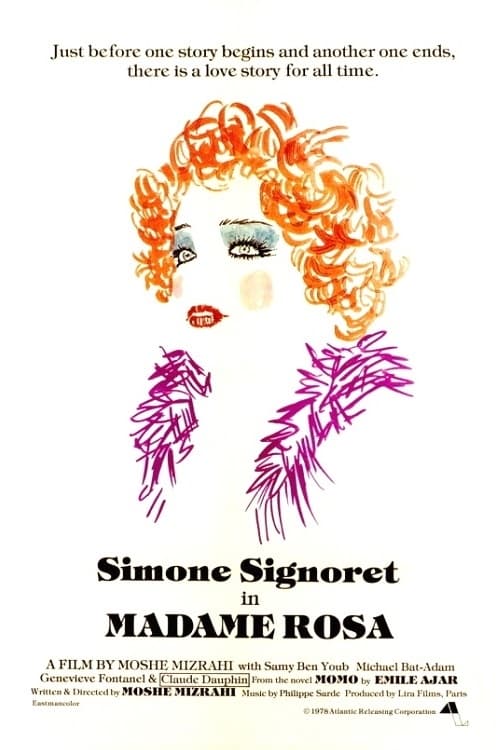
Madame Rosa lives in a sixth-floor walkup in the Pigalle; she's a retired prostitute, Jewish and an Auschwitz survivor, a foster mom to children of other prostitutes. Momo is the oldest and her favorite, an Algerian lad whom she raises as a Muslim. He asks about his parents; she answers evasively. As she ages and takes fewer children, Momo must do more for her; as money is tight, he tries to earn pennies on the street with a puppet. He's a beautiful man-child, and Madame Rosa makes him promise never to sell himself or become a pimp. A film editor, Nadine, befriends him, and his father appears as well. Madame Rosa reaches her last days in fear of hospitals, and Momo must act.
Having both suffered extreme losses, two disparate souls try to form a relationship for consolation rather than romance.
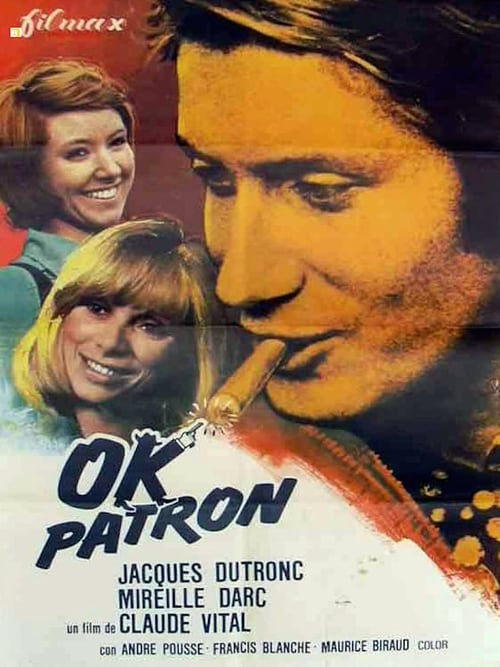
Mario, the head of the Mafia in France, has just been mortally wounded. His "companion" decides to find him a successor, before the New York "organization" appoints one. She instructs her two bodyguards to take on anyone who likes money, doesn't have any and, above all, doesn't want to work too hard - in short, "the average Frenchman"... They discover Léon Bonnet, a representative of "magic crosses". They send him gifts: champagne, weapons (a mistake...), a ring for his fiancée, and a meal worthy of the finest gourmets. In return, they take him to Mario's dying bedside, and have him sign over the estate. It's then that Leon, with his angelic good looks, restores order within the Mafia, surprising all his adversaries with his manners, and outwitting the police...
Malisard is a reporter at "Soir de Paris", his colleague Prévot is a photographer. Together, they roam the streets of Paris.
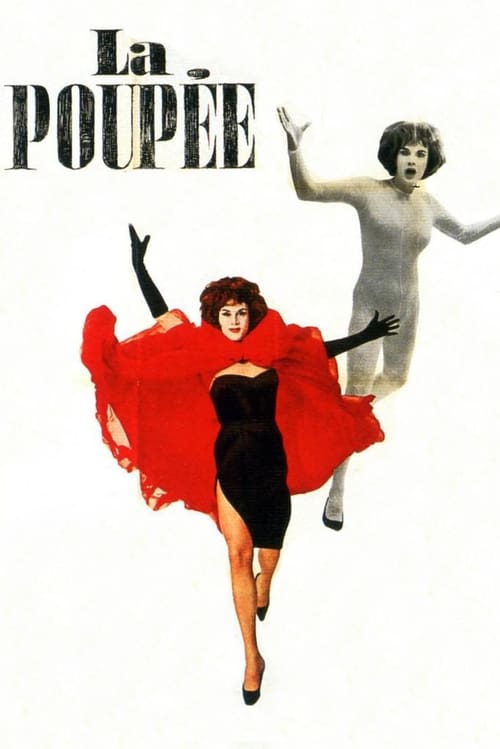
An avant-garde political satire that takes place in a mythical country in South America. The dictator has been replaced by a look-alike revolutionary, and the dictator's wife has been replaced by a robot.
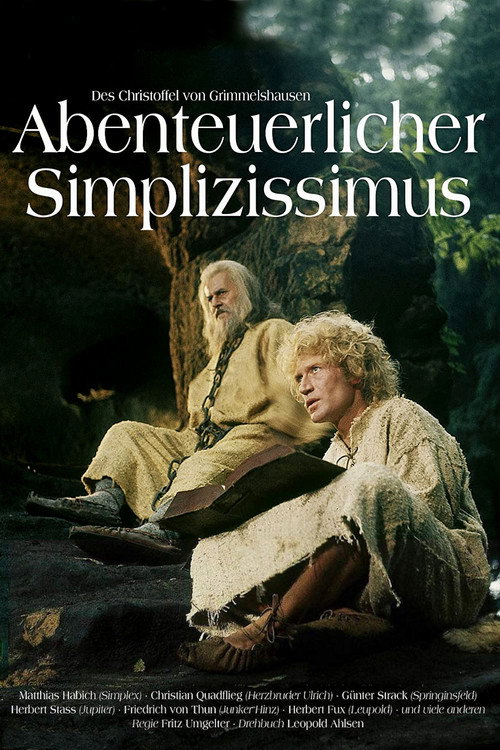
The boy Simplizissimus grows up with simple farmers in the Spessart region. But the idyll is abruptly destroyed by the Thirty Years' War. Simplizissimus is sent to the besieged fortress of Hanau. When the lansquenets there play crude jokes on him, he flees with his friend Herzbruder to the Croats. But even here he does not fare much better.
Based on the play by Victor Hugo, portraying the rise, fall and execution of Fabiano Fabiani, a fictional favourite of Mary I of England.
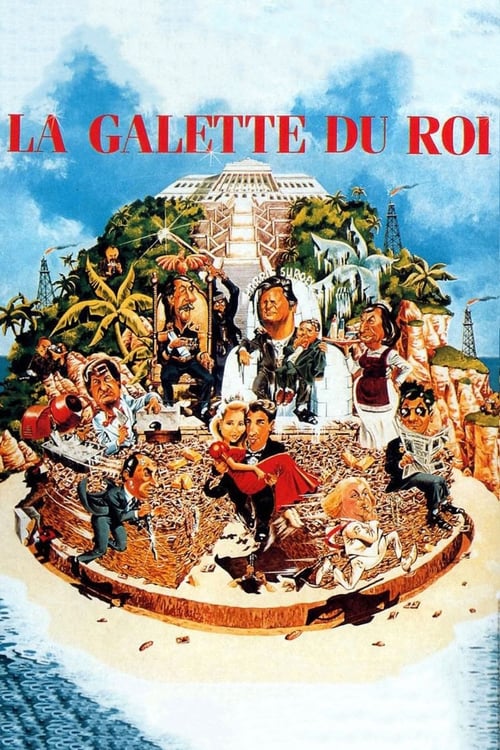
In this conventional, broadly comic farce of greed and royal matrimony, nearly bankrupt businessman Victor Harris is marrying Maria-Helena, a princess who comes with a dowry that is made up of one half of her island kingdom. Her father, the cowardly King Arnold III is counting on the money this marriage will bring him. The country is now almost bankrupt because of the king's gambling debts. As Harris and the king look forward to their illusory profits from the royal merger, other characters add some liveliness to the otherwise predictable story.