FEEL IT.STREAM
François Darbon

François Darbon

Acting

Biography

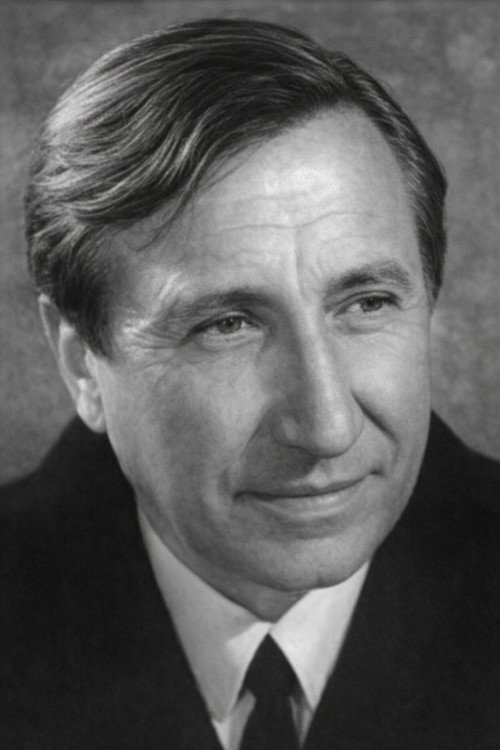
François Darbon is a French actor, director, and writer. In 1938, François Darbon began his first theatrical experiences in Tunis. With a company of amateur actors, he performed for three evenings at the municipal theatre. The following day, nostalgic for those nights on stage, he decided to make it his profession. In September 1939, during his military service near Biarritz, he met the man he would never leave, André Clavé, who, like him, had been mobilized as a Reserve Officer Cadet. Their friendship was born through discussions about theatre, and at a time when André Clavé had temporarily set aside the troupe he had founded in 1936, the company Les Comédiens de la Roulotte, with Geneviève Wronecki-Kellershohn, Jean Desailly—then a very young amateur beginner—and a few others. François Darbon would meet them again in September 1940 to perform La paix chez soi. The following month, the troupe joined the Jeune France movement, and they finally began a life as professional actors. They were joined in February 1941 by Jean Vilar, who agreed to come to La Roulotte “simply as a writer,” and by Hélène Gerber, both students of Charles Dullin. Thanks to financial support from Jeune France, the troupe went on a theatrical tour through central France during the summer of 1941. In the summer of 1942, La Roulotte set off again, touring Brittany and central France, but this time without subsidies, as Jeune France had been dissolved at the end of winter. For security reasons, Clavé was then forced to leave his own company a year after joining a Resistance network, the Brutus network. François Darbon used the final years of the war to study under Charles Dullin. After the war, he reunited with André Clavé. Having returned from the Nazi camps of Buchenwald and Dora, Clavé was asked in 1946 by Jeanne Laurent to reconstitute his troupe, Les Comédiens de la Roulotte, to conduct exploratory tours. She later asked him to replace Roland Piétri as director of the Centre Dramatique de l’Est in Colmar. Darbon took part in all these ventures until the end of December 1952, when Michel Saint-Denis replaced Clavé. Darbon and Clavé then founded the Clavé-Darbon Company together and performed in France and Germany until 1955, when André Clavé was forced to leave the theatre to pursue other paths. François Darbon then followed a more solitary path, working from production to production and film to film. He would nonetheless cross paths with Clavé again—both men bound by unwavering loyalty—when Clavé asked him to train African radio announcers in diction at the school he directed, the Studio-École (a school created by Pierre Schaeffer in preparation for decolonization). At 25, Darbon married the lovely Nathalie Manoyloff, of Russian origin. They had a daughter, Sophie. Sophie Darbon is an author, actress, and director like her father. She recently published a children’s tale, Sotisette Planplan et la clé des fées, with Edilivre, dedicated to her parents.

Known For

Graf Yoster gibt sich die Ehre
6.5

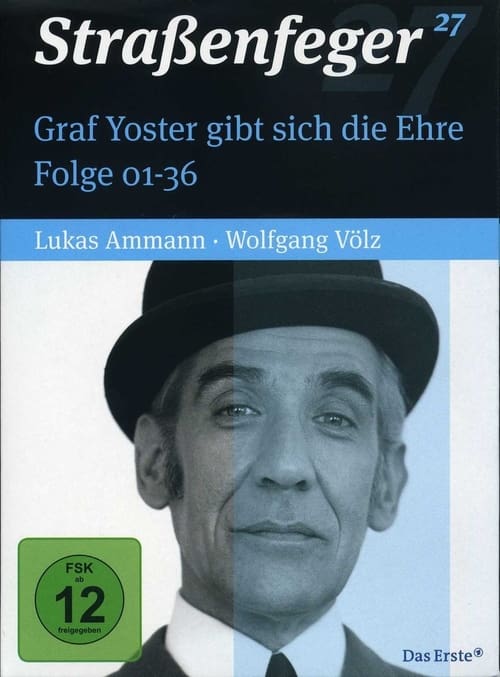
Graf Yoster gibt sich die Ehre [French title: Le comte Yoster a bien l'honneur] is a TV series which followed the adventures of the title’s amateur gentleman detective. It was a success in particular in Germany and in France. Originally the show was a German production in black-and-white but it evolved into a European co-production in colour.

Graf Yoster gibt sich die Ehre

1967
Die Schatzinsel
8.1

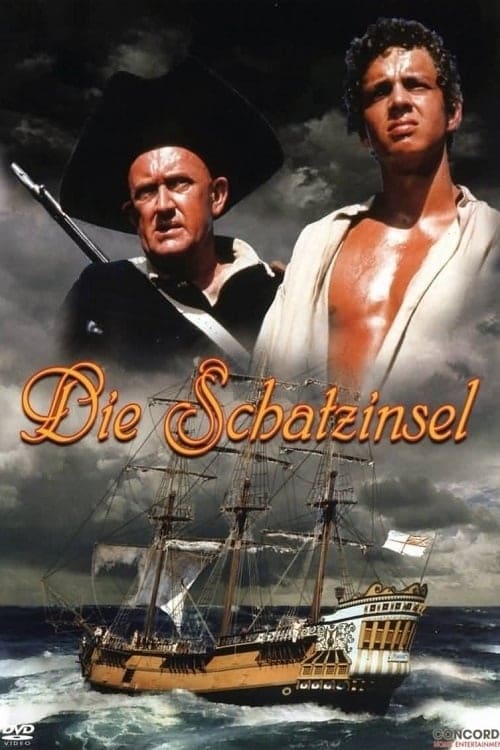
"Die Schatzinsel" (Treasure Island) - 1966: An Overview This film is a live-action, East-German/Czechoslovak adaptation of Robert Louis Stevenson's classic adventure novel. However, it's crucial to know that it is not a direct, faithful adaptation of the book. Instead, it is a highly liberal and stylised re-imagining that blends the pirate adventure with the popular genre of the time: the Euro-Western. Plot Summary (The Basic Premise) The core premise remains the same: a young man, Jim Hawkins, comes into possession of a treasure map and embarks on a voyage to a remote island. However, the 1966 version takes significant liberties: Setting: While the novel is set in the 18th century, this film has a distinct 19th-century "Wild West" feel, with characters using revolvers and wearing costumes that feel more like cowboys than classic 1700s pirates.

Die Schatzinsel

1966
The Accursed Kings
8.0

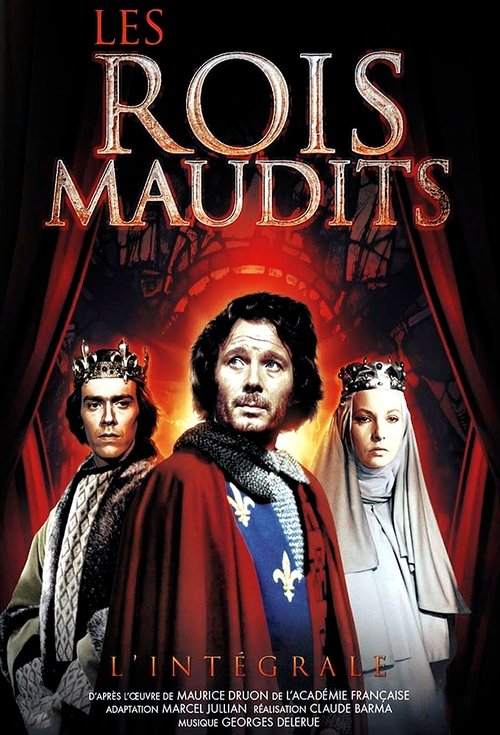
It is the start of the 14th century and Philip IV the Fair reigns supreme over France. His three sons would rule after him. Isabelle, his only daughter, is married to King Edward II of England. Under Philip's reign, France is great but its people are unhappy. Only one power dares to stand up to him: the order of the Knights Templar. When the last Grand Master of the Temple, Jacques de Molay, is burned at the stake, he curses Philip and so begins a dark period, full of blood and violence, death and tears ...

The Accursed Kings

1972
Les Misérables
7.2

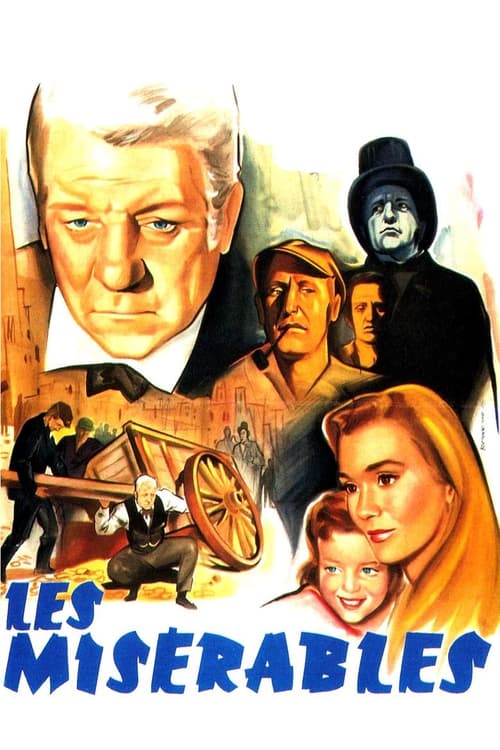
In 19th century France, Jean Valjean, a man imprisoned for stealing bread, must flee a relentless policeman named Javert. The pursuit consumes both men's lives, and soon Valjean finds himself in the midst of the student revolutions in France.

Les Misérables

1958
Stolen Kisses
7.3

The third in a series of films featuring François Truffaut's alter-ego, Antoine Doinel, the story resumes with Antoine being discharged from military service. His sweetheart Christine's father lands Antoine a job as a security guard, which he promptly loses. Stumbling into a position assisting a private detective, Antoine falls for his employers' seductive wife, Fabienne, and finds that he must choose between the older woman and Christine.

Stolen Kisses

1968
Antoine and Colette
7.2

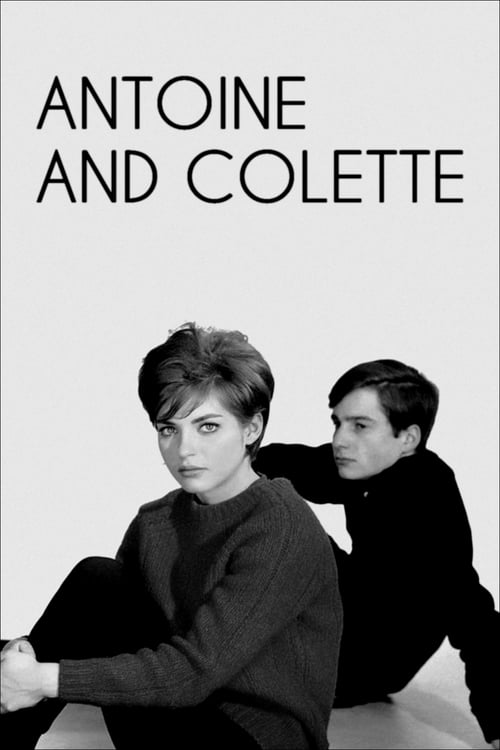
Now aged 17, Antoine Doinel works in a factory which makes records. At a music concert, he meets a girl his own age, Colette, and falls in love with her. Later, Antoine goes to extraordinary lengths to please his new girlfriend and her parents, but Colette still only regards him as a casual friend. First segment of “Love at Twenty” (1962).

Antoine and Colette

1962
The Fabiani Affair
6.2

The tale of the famous vendetta, vengeance over the years between two families. For nearly nothing at the start, as always with Sicilians or Corsican people, from the underworld or not...

The Fabiani Affair

1962
Love at Twenty
6.8

Love at Twenty unites five directors from five different countries to present their different perspectives on what love really is at the age of 20. The episodes are united with the score of Georges Delerue and still photos of Henri Cartier-Bresson.

Love at Twenty

1962
The Mask of the Gorilla
6.1

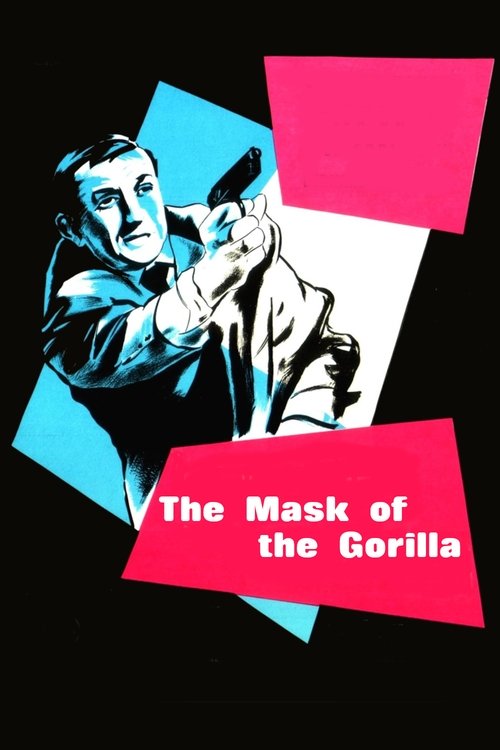
Géo Paquet, aka The Gorilla, breaks from jail. Now an escaped convict, the elite agent must infiltrate a dangerous gang working for a foreign embassy as their leader, a spy enjoying diplomatic immunity, can't be arrested by regular police.

The Mask of the Gorilla

1958
The Elusive Corporal
6.4

An upper-class corporal is captured by the Germans during their 1940 invasion of France. Assisted and accompanied by characters as diverse as a morose dairy farmer, a waiter, a myopic intellectual, a working-class Parisian, and a German dental assistant, the corporal tries to escape from prison camps, sometimes making it a few yards, sometimes reaching the border.

The Elusive Corporal

1962
Les Rosenberg ne doivent pas mourir
8.0

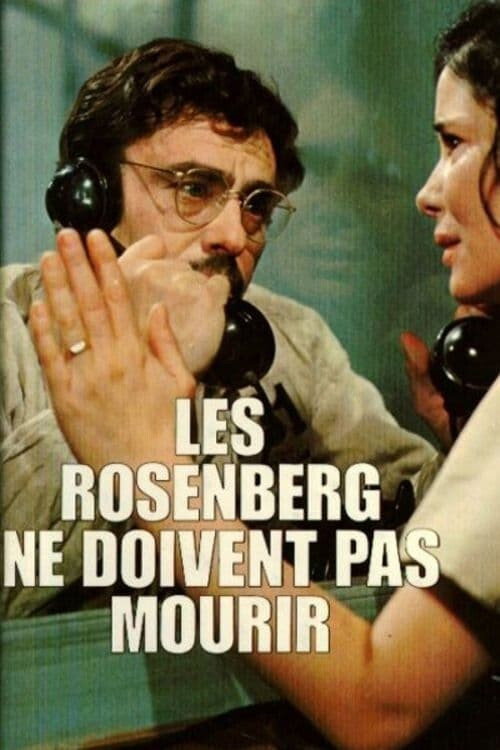
A French film about a famous American trial - that of Julius and Ethel Rosenberg, who became the first people in American history to receive the death penalty for espionage.

Les Rosenberg ne doivent pas mourir

1975
Be Beautiful and Shut Up
5.5

A beautiful 18-year-old orphan escapes from a reformatory and hooks up with a gang of jewel smugglers, and decides on a life of crime. However, she falls for and marries a policeman, putting a crimp in her criminal career.

Be Beautiful and Shut Up

1958
Don't Tempt the Devil
6.2

A lovely young nurse finds herself framed for the murder of a hospital patient who died after she administered an injection.

Don't Tempt the Devil

1963
The Boss
5.6

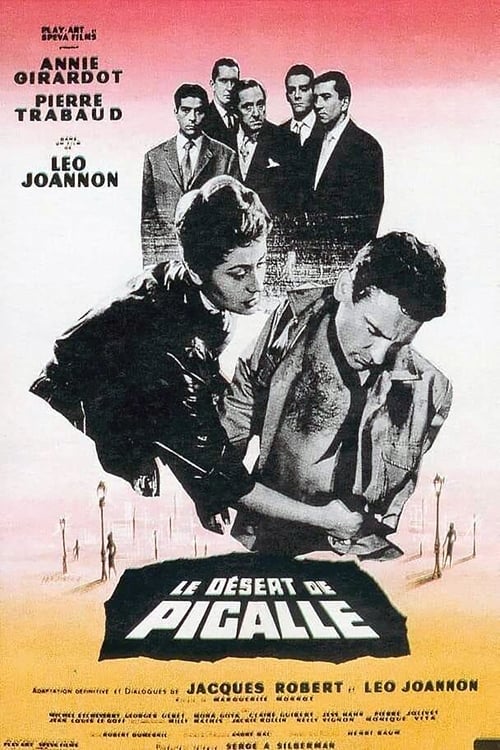
Pursued by a rival gang after a violent robbery, Toni escapes with nearly thirty million francs. On the train to Paris, to avoid arousing suspicion, he has no choice but to threaten an honorable philosophy professor, Justin Mignonnet, with his gun, so that he will carry the loot for him. To make sure he returns the money, he takes his papers and makes him promise to be present at the exchange appointment at the Pigalle Hotel the next day. Completely lost, Mignonnet decides to obey orders, but just as he is about to return the money, a young woman, a member of the enemy gang, comes to collect it.

The Boss

1960
That's Show Business
6.8

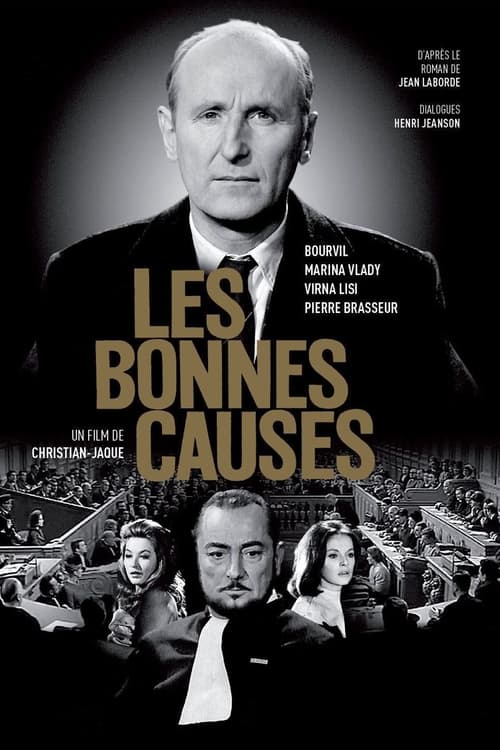
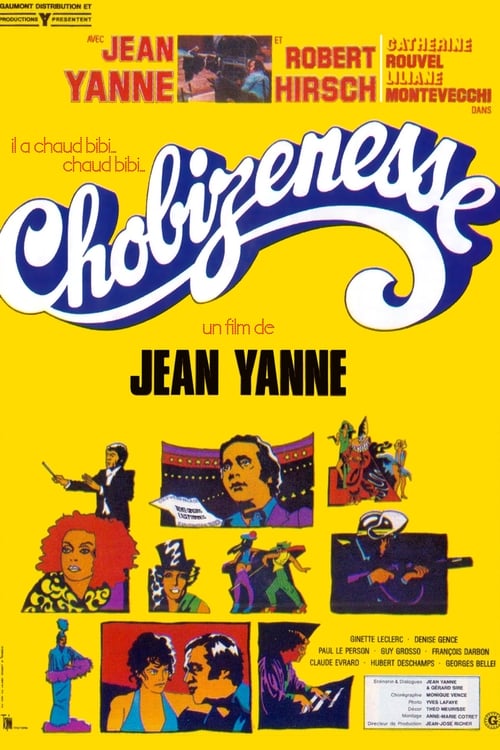
Clement Mastard is the head of a leading journal dedicated to extravagant vaudeville. An unexpected contract requires him to reconnect with his former headliner Celia Bergson part to try to avant-garde theater. It is through this that he met Johann Sebastian Bloch, misunderstood musician who cause the loss but the side which Mastard, the man without scruples, to humanize and eventually produce a real masterpiece, the Missa Solemnis

That's Show Business

1975
The Hussars
6.0

Brigadier Le Gouce and Private Flicot lose their horses during a campaign in Italy. To avoid looking ridiculous, the two hussars cross the country in search of their mounts. But when they are mistaken for deserters, their regiment gives chase.

The Hussars

1955
The Road to Shame
6.1

Pierre Rossi and Béatrice live in the same block of flats in Marseille and love each other. One night, Béatrice leaves her apartment. Pierre knows that his fiancée goes to a rendezvous, but she would not tell him more than just that. Worried, Pierre follows her but he is attacked and stolen his identity papers by two men, Tom and Nasol, on the payroll of Quaglio, one of the city's bosses. Later on, Quaglio kills Nasol and deposits the body in a garage, leaving Pierre's papers nearby. As for Pierre, he manages to follow Tom to a villa where several young women have been invited. Pierre, horrified, realizes that this place is the headquarters for the white slave trade. - Written by Guy Bellinger

The Road to Shame

1959
A Legitimate Defense
5.8

Two friends from the last war, Pierrot, a bar owner, and Gustave, a police inspector, are in contact with a notorious gang of racketeers in Montmartre. Tired of putting up with Albert the King's demands, Pierrot kills the gangster during a bar brawl. His first instinct is to flee, but on Gustave's advice, he turns himself in to the law. All things considered, he'll be safer in prison than exposed to the reprisals of the "underworld". Pierrot goes to trial. He was acquitted as having acted in self-defense. But his release leaves him open to the vengeance of Bob, one of Albert's accomplices. Pierrot narrowly escapes an ambush, but is finally able to rid himself of the threat hanging over him, thanks to the friendship of Inspector Gustave, and finally reunites with the companion of his life, Dora, who has never stopped trembling for him.

A Legitimate Defense

1958
Hi-Jack Highway
6.4

A trucker encounters a dead body on the road home. He reports the incident to the police, who suspect that Jean was responsible for the death, and his new truck is impounded. To make matters worse, the man's widow accuses him of having robbed her husband, and a gang of sinister crooks are also harassing him.

Hi-Jack Highway

1955
Gypsy Law
10.0

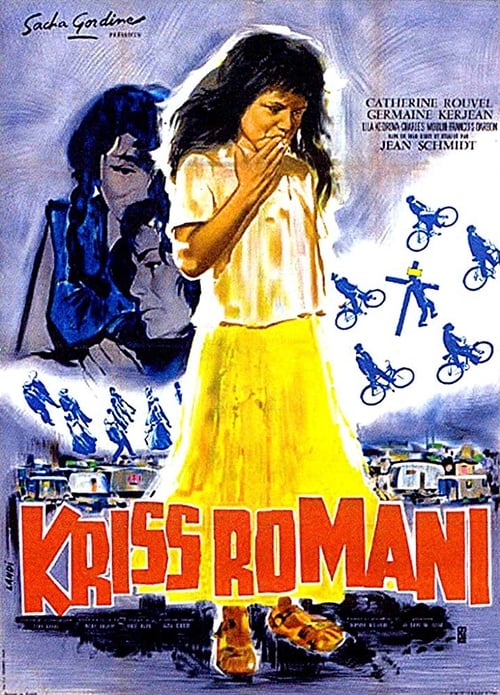
The idyllic life of a beautiful gypsy girl is shattered when she runs away from a pre-arranged marriage to a member of her tribe. Away from the safety of her people, she encounters bigotry against her kind. A little girl feels sorry for the missing gypsy beauty and searches for a magic root that can cure the wandering gypsy from her wanderlust and bring her home again. Music, dance, ancient gypsy rituals, and colorful European scenery highlight this feature which takes a decidedly jaundiced view of the racial indignities suffered by the heroine.

Gypsy Law

1963