Frank Speed
Directing
Known For
Among the Yoruba of Western Nigeria and Dahomey the Gelede cult honours the earth spirits, the ancestors and especially the Great Mother. The festival filmed here emphasises the status of women and placated their potentially dangerous mystic powers. The commentary emphasises that the annual Gelede festival serves a cathartic role by paying respect to women in a patriarchal society. During the course of the festival social tensions are brought out into the open and ridiculed; antagonism between the sexes is thus controlled and given a legitimate outlet. The film shows the preparation of masks and the climax of the festival in which the Great Mask appears at midnight. On the following day the lesser masks entertain, satirising the movements of women.
Gelede: A Yoruba Masquerade
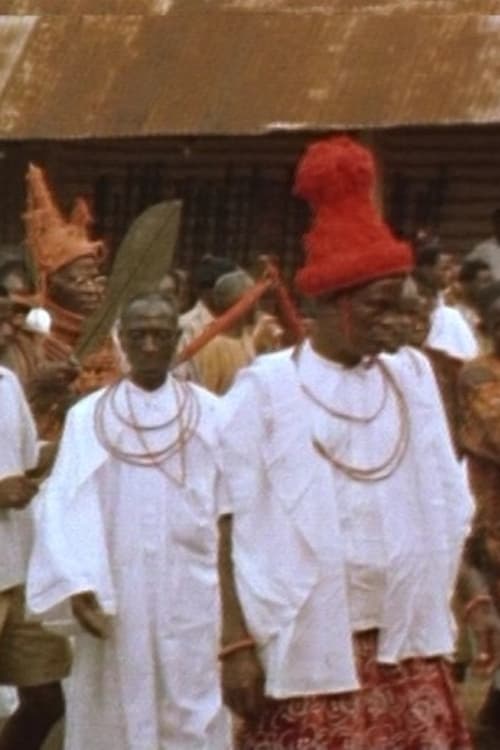
Until it was conquered by the British in 1897, the city of Benin, in what is now Nigeria, was the centre of a powerful kingdom. Its rulers, the Obas of Benin, were mysterious, secluded figures who spent much of their time in the performance of rituals designed to enhance their power and to ensure the prosperity of their subjects. Many of the art objects for which Benin is famous were used in these rituals, some of which are still performed. This film shows some of the most significant moments in the rituals that take place around the beginning of the new year, including the greatest event of the ritual year, the Igwe Festival, in which the Obas divine powers are strengthened and renewed. The object of worship is the head of the living Oba, the seat of his ritual energy, on which the well-being of the nation is believed to depend on.
Benin Kingship Rituals

Four million Tiv people form the major culture of the Benue state of southern Nigeria. They are popularly known as the greatest democrats in Africa as their society is based on fraternal cooperation between age mates rather than on authoritative chieftaincy. Men of an age work together on communal farming and house building and celebrate their achievements with feasts famed for the excellence of their music and dance. Their women create amongst the greatest dances in Nigeria within their extended family compounds. Each year, during the dry season, when there is little farm work, the leaders of the dance teams compose songs to record recent experiences and new features in their lives which they express in the rhythms and gestures of their dance.
Kwagh Hir

The film is a brief description of life in a busy commercial centre that still depends upon and retains its ancient traditions. These are based on the history of the town which was founded on the banks of the river Oshun. This river itself is one of the most important river deities of the Yoruba whose cults spread even as far as Brazil. Aduni Susanne Wenger, a chief priestess of the Obatala cult, is shown rebuilding the once neglected Oshun shrine, with her fellow artists, Adebisi Akanji, OyeWale and Lani. The Beiers show how art based on traditional pagan religion forms the foundation of the modern movement.
New Images
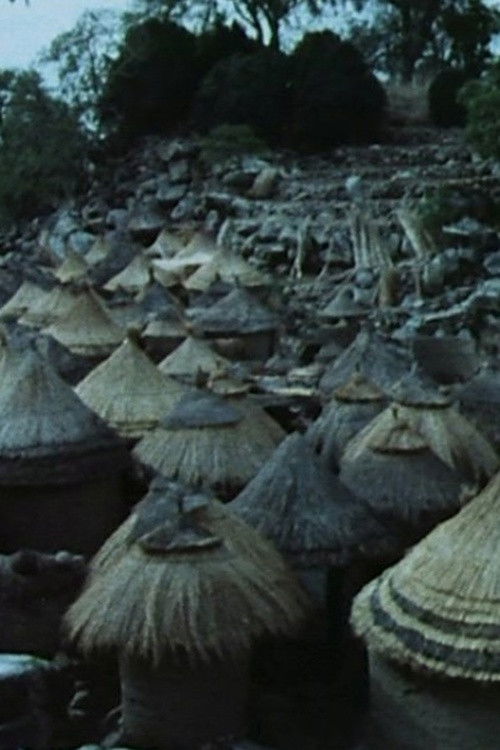
In isolated mountain hamlets in Nigeria’s Jos Plateau the Ngas have traditionally observed the movements of the moon in the night sky. The moon is a key symbol in Ngas cosmology, believed to regulate the rhythm of all life. The film traces the moon’s influence on Ngas work and thought during a single growing season. The documentary tells the story form the point of view of a single traditional Ngas bard.
Sons of the Moon
The communal rituals of most villages of the Eastern Niger Delta focus on two great classes of spirits - the heroes and the water people. The heroes once lived with the men, founded their institutions and brought them their characteristic means of gaining a livelihood. Today, as spirits, they continue to maintain the established institutions and the skills with which people wrest a living from their environment. The water people, by contrast, have never lived with men: they are the creators and owners of the rivers and creeks, controlling the state of the waters and the abundance of fish. The little village of Soku, hidden in the heart of the eastern Delta, has a group of heroes headed by Fenibaso, and its creeks and rivers are controlled by the water-spirit Duminea. This film shows some highlights of the annual ritual for Duminea. As in most Kalabari festivals, spirit possession features prominently in the proceedings.