Tim Litchfield
Editing
Known For
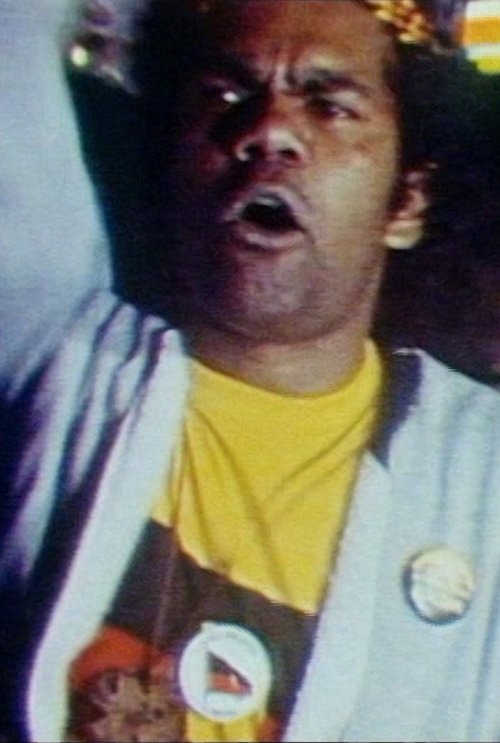
Reveals how Australia's first people are still suffering from social oppression, with many living on reservations where alcoholism is rampant and unemployment the major occupation. Aboriginal land rights are a central theme: Miller clearly demonstrates the contrast between the attitudes of European Australians, who see the land only as a resource to be mined, farmed, grazed and built upon, and Aboriginal Australians, who regard the land as sacred. Archival footage compares the original lifestyle of Aboriginal Australians to their current pitiful condition, and shows how European settlers attempted to "civilise" mixed blood children by taking them away from their parents and enrolling them in boarding schools.
Couldn't Be Fairer
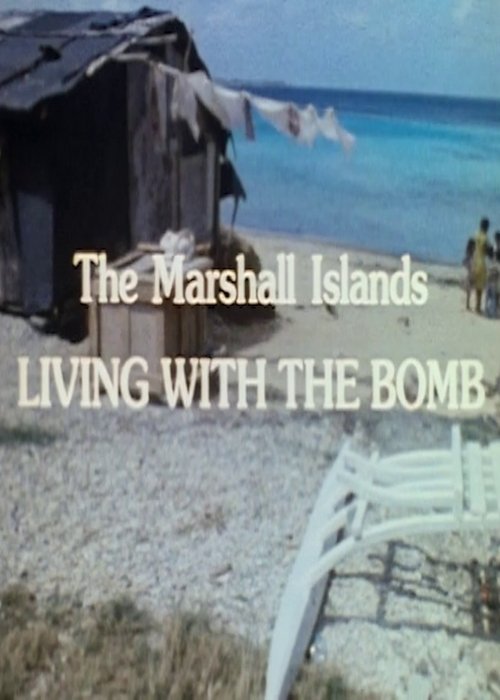
The people of the Bikini Atoll were removed from their homelands as a result of American testing of nuclear bombs in the Pacific. They now live on another island, dependent on American food and support. They can never go back to Bikini Atoll because it is poisoned beyond the possibility of habitation. This film is a poignant, impressive study of a people whose culture has been vanquished.
The Human Face of the Pacific: The Marshall Islands. Living with the Bomb
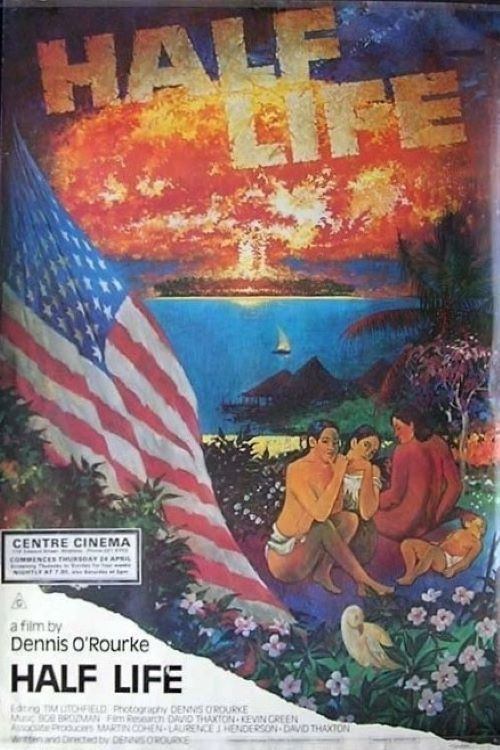
Dennis O’Rourke’s documentary investigates the 1954 Castle Bravo hydrogen bomb test in the Marshall Islands and its long-term consequences. Combining declassified U.S. military footage, archival material, and interviews with Marshallese islanders and American servicemen, the film recounts how radioactive fallout affected residents of Rongelap and Utirik Atolls and explores the political and scientific context of Cold War nuclear testing.
Half Life

The film follows a number of European and American ecotourists as they travel from village to village throughout the Sepik River area in Papua New Guinea, driving hard bargains for local handcrafted items, paying to view formerly sacred ceremonies and taking photographs of every aspect of "primitive" life. With some prodding, the tourists unwittingly reveal an unattractive and pervasive ethnocentrism to O'Rourke's cameras. The tourists thus become somewhat dehumanized by the camera, even as the tourists themselves are busy exoticizing even the most mundane aspects of Sepik River life.