
Leonore Mau
Directing
Known For
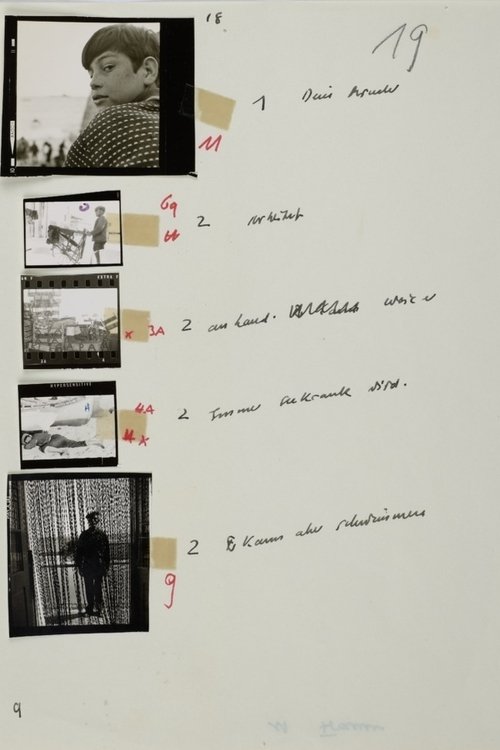
The portrait shows everyday life in the Portuguese fishing village of Sesimbra, south of Lisbon, at the time of Salazar's dictatorship in 1964. Mau's photos, e.g. fish spread out in geometric patterns, and Fichte's commentary support each other. But the word 'commentary' is misleading and does not adequately describe the poetic, reportage-like text.
Der Fischmarkt und die Fische

In the early 1960s, Hubert Fichte and architectural photographer Leonore Mau met. An extraordinary love affair and productive artistic working group arose, which lasted until Hubert Fichte's death. Nathalie David, long-time assistant Leonore Mau's, draws, in many Sunday visits, an intimate portrait of the person and her relationship with Fichte.
Diese Photographin heißt Leonore Mau

12 minutes. 6 pages of text. 180 lines. 90 photos 2 lines per photo. 45 photos of the new Agadir. 45 photos from the slums of Morocco.
2 x 45 Bilder / Sätze von Agadir
The film explores the eponymous location in Rome. Photographs and commentary run almost completely separately side by side.The sequence of photographs approaches the people depicted and then moves away again. The result is a pulsation, a waxing and waning in the sequence. An attached film sequence is integrated into the film. It reflects the form of the photographic film, as the flipped comic strip is transformed into a flip book through the movement of the fingers.
Die Spanische Treppe
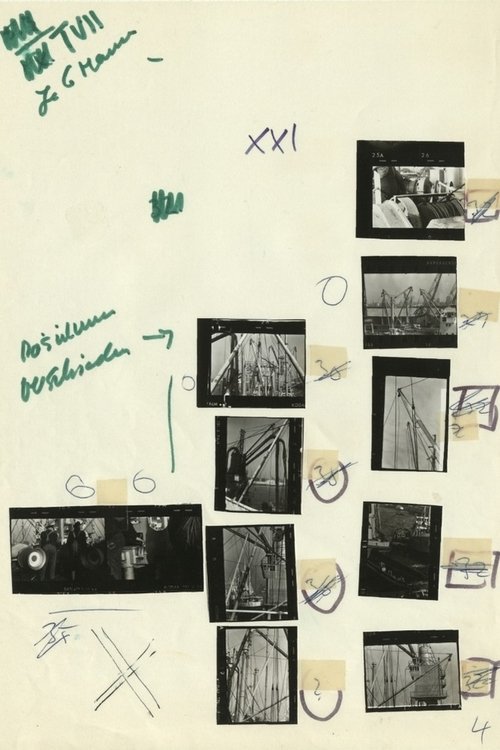
The film depicts the daily routine of a wage laborer looking for work every day, who is at the lowest social level of the worker hierarchy. The commentary partly takes up the language of the dock workers and blends wonderfully with the black and white photographs. The two together result in a precisely constructed reportage about work and leisure in the port environment and its social conditions. Three moving film sequences interrupt the photo sequence and thematize the photographic form.