Directing
No description available.
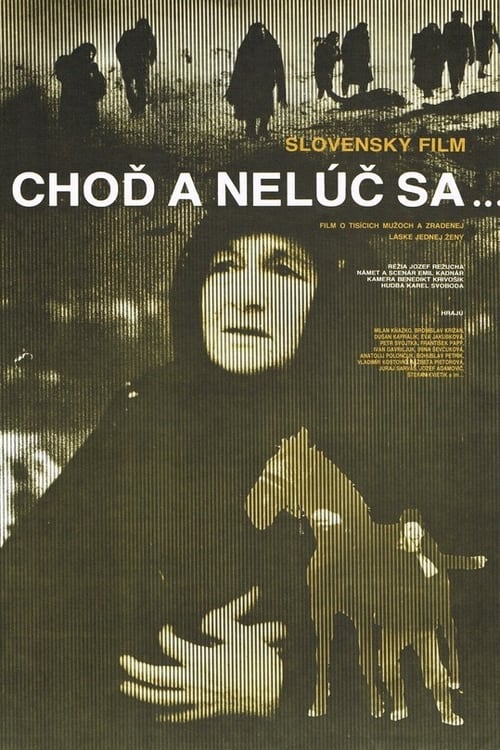
The dramatic story captures the hard and dangerous life of the partisan group "Čapajev" led by Ľudovít Kukorelli during World War II. It retrospectively presents the course of the Slovak National Uprising in eastern Slovakia.
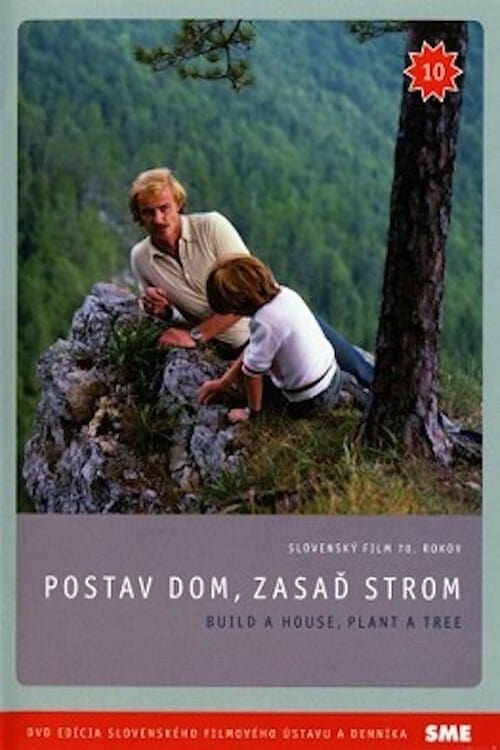
Juraj Jakubisko's first feature film after a forced nine-year-long break is a story about an unconventional man, Jozef Matúš. He arrives to a small village in eastern Slovakia to settle down and start a family. He is ready to subordinate everything to his goal. It all starts with stealing building material and ends with him disregarding those close to him to a point where his ambitions are turning against him. Build a House, Plant a Tree is a viewer-friendly film with a plot resembling a western, including several attractive action sequences.
An apocalyptic story of three wars in three film tales encompassing the end of the WWI,WWII, as well as a vision of the world destroyed by nuclear weapons. This film was honored at the film festivals in Venice and Sorrento. Immediately after that the copy with Italian subtitles was locked in a safe as evidence of the anti-communist activities of the director, who used real footage of the Soviet invasion.
A group of French students are drawn into the psychological and sexual games of a mysterious man called Duchemin. Once they sample his "fear powder" the students experience a series of hallucinations.
The film presents a parade of customs, music, songs and dances of the Slovak people in four seasons, based on a theatre play by I. Teren and K.L. Zachar from the first years after the liberation.
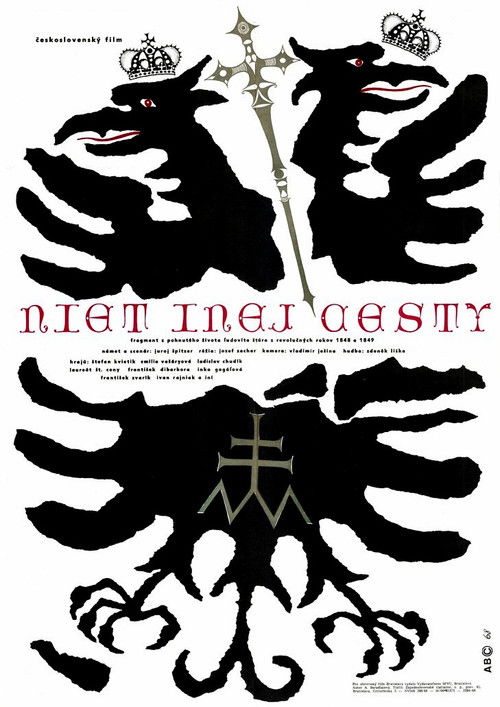
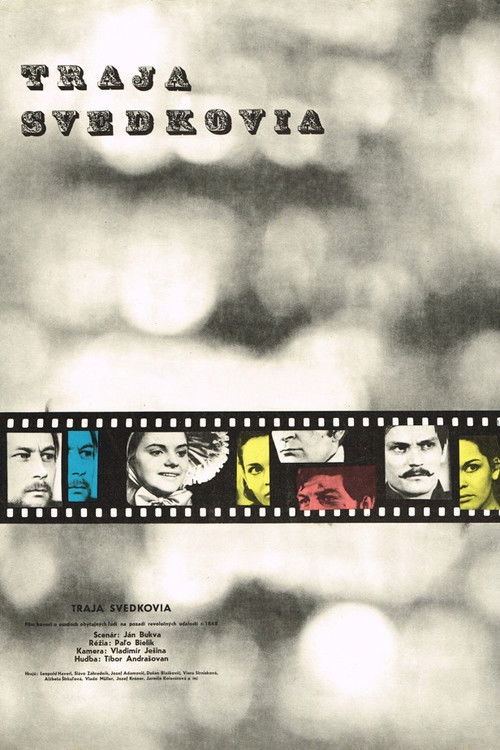
A biographical film about the Slovak nationalist Ľudovít Štúr. It captures the revolutionary events of 1848 in Austria-Hungary, when Štúr, as a member of the Diet, led the fight for the national rights of the Slovak people.
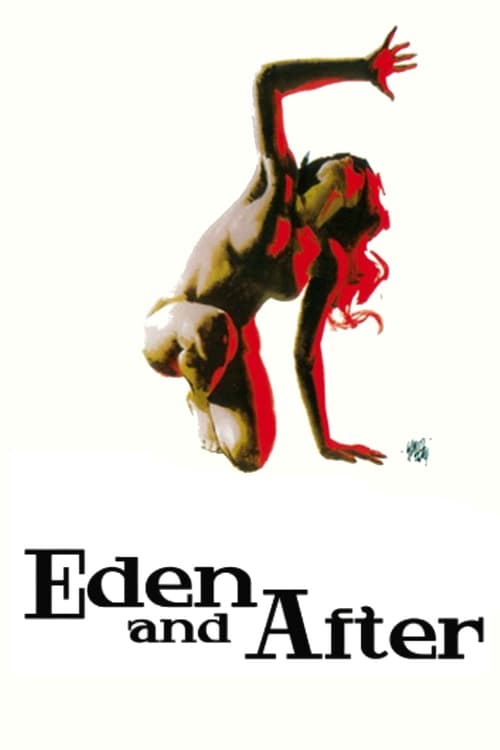
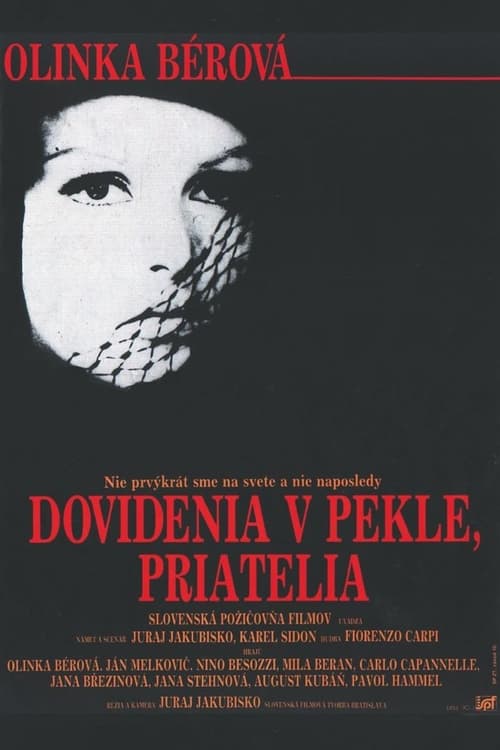
As a car full of an assortment of characters rolls down an embankment and bursts into flames, the old driver says "See You in Hell, Friends." The relations between the characters are shown in flashbacks. The pretty Rita and her fiancee Petras meet the old colonel, and come to live in his farmhouse. Rita marries the colonel as well as her fiancee, and has a daughter Christine. The colonel's supposed father shows up, and also makes amorous advances on Rita. They all live blissfully together until two holy women with axes arrive. The women start chopping down trees to build an ark. Rita starts having nightmares and Christine is crucified.
A historical drama set in the revolutionary times of 1848.
A man changes his behavior according to the term of the year.
In the aftermath of war, two men and a woman begin acting more like children than adults, leading to tragedy.
Impoverished King Bonifác wants to marry his only daughter Miluška off to fill the royal treasury. Miluška, with the help of Katka, a kind and wise maid, refuses all offers because her heart belongs to Ľubomír - a prince without property. The king becomes very angry and promises his daughter to the devil.
A play about the issue of family relationships, real and calculated partnership.
The freshly graduated engineer gradually sobers up from his student ideals and encounters a different reality than he had expected. Few people understand his resistance to the established conditions in a prosperous company, and the hero's personal conflicts with his superiors deepen. He recognises hypocrisy: people say something different from what they really think. He encounters sycophancy and calculation whether he stays in the country or moves to the big city.