Ezio Frigerio
Art
Biography
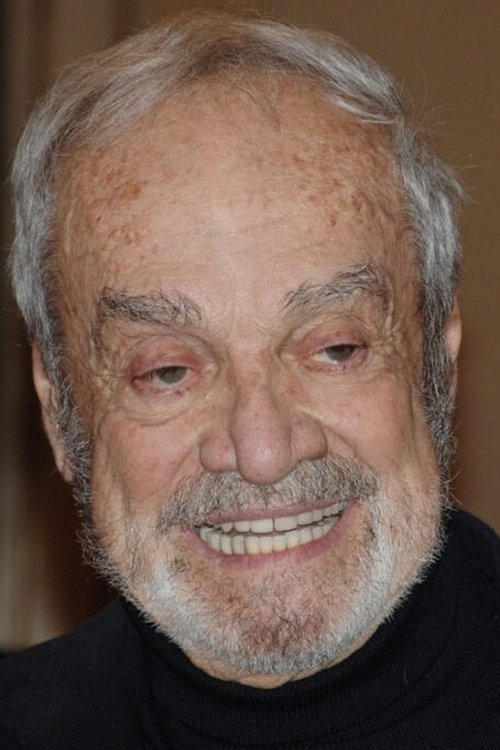
Ezio Frigerio (16 July 1930 – 2 February 2022) was an Italian costume designer and art director. After finishing architecture studies, he approached theatre art by realising the costumes for Casa di Bambola and L'opera da 3 soldi, two plays directed by Giorgio Strehler at Piccolo Teatro in the 1955-56 theatre season. From then on a fertile artistic marriage started between art director and producer, setting up several unique productions as I giganti della montagna (1966), Santa Giovanna dei macelli (1970), Re Lear (1972), Il temporale (1980), L'Illusion Comique, which premiered in 1984 at Théatre de l'Odéon in Paris, La grande magia, which premiered in 1985 and was reprised several times. The collaboration with Strehler made Frigerio enter the world of opera: Mozart's Le Nozze di Figaro, Don Giovanni and Così fan tutte were realized by Strehler and Frigerio between 1973 and 1996. Così fan tutte was being staged just before Strehler died. Frigerio also created stage designs for the Burgtheater in Vienna: Trilogie der Sommerfrische (Trilogia della villeggiatura) by Carlo Goldoni, directed by Strehler, 1974; Judith by Hebbel, directed by Gerhard Klingenberg, 1975. Other operatic stage designs include: Cherubini's Medea, directed by Liliana Cavani, for the Opéra National de Paris; Strauss' Elektra, directed by Nuria Espert, for De Munt Theatre in Brussels; Verdi's Ernani, directed by Luca Ronconi, 1980, Beethoven's Fidelio, directed by Werner Herzog in 1999 for the Teatro alla Scala in Milan; Bellini's Norma, directed by Piero Faggioni, for the Vienna State Opera in 1977; Verdi's Rigoletto, for the Polish National Opera in 1997. The team of Frigerio and Squarciapiano also designed the Met Opera's gorgeous and sensational Zandonai FRANCESCA DA RIMINI in 1984 (Scotto, Domingo, MacNeil, Levine). Frigerio also created the sets for Liliana Cavani's movie Galileo e i Cannibali and Jean-Paul Rappeneau's Cyrano de Bergerac, which got an Oscar nomination in 1991. He designed the grave of Rudolf Nureyev. Frigerio often collaborated with Italian costume designer Franca Squarciapino who was also his life partner. Frigerio died on 2 February 2022, at the age of 91. Source: Article "Ezio Frigerio" from Wikipedia in English, licensed under CC-BY-SA 3.0.
Known For

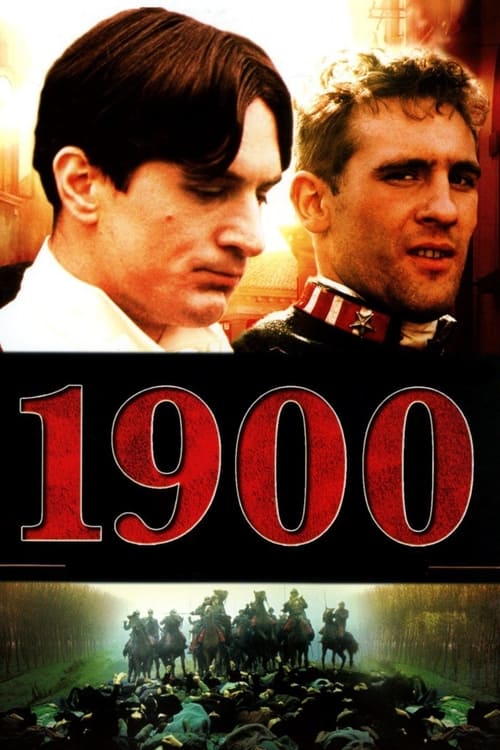
The epic tale of a class struggle in twentieth century Italy, as seen through the eyes of two childhood friends on opposing sides.
1900

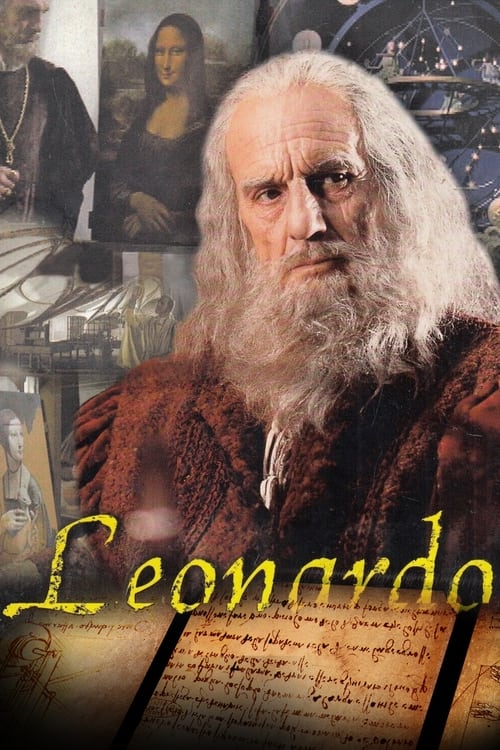
Miniseries dramatizing the life of the Italian Renaissance polymath Leonardo da Vinci.
The Life of Leonardo da Vinci

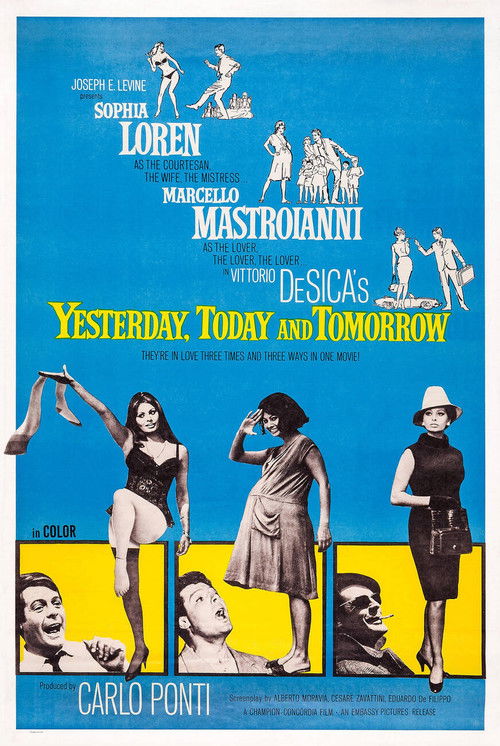
Three tales of very different women using their sexuality as a means to getting what they want.
Yesterday, Today and Tomorrow

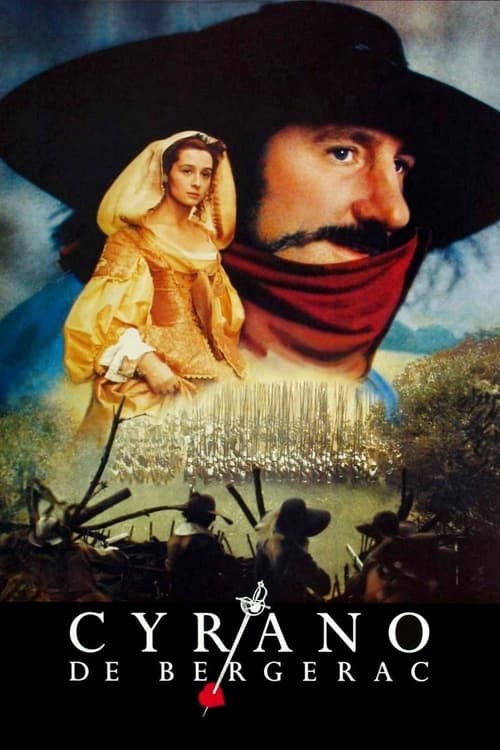
Famed swordsman and poet Cyrano de Bergerac is in love with his cousin Roxane. He has never expressed his love for her as he his large nose undermines his self-confidence. Then he finds a way to express his love to her, indirectly.
Cyrano de Bergerac

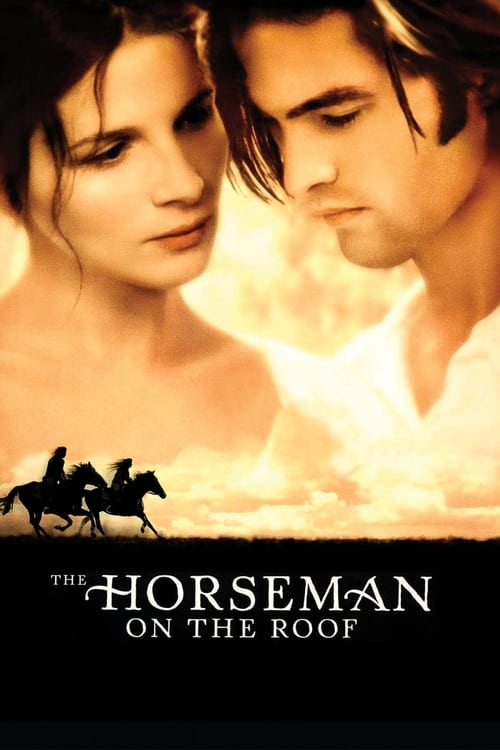
In a time of war and disease, a young officer gallantly tries to help a young woman find her husband.
The Horseman on the Roof

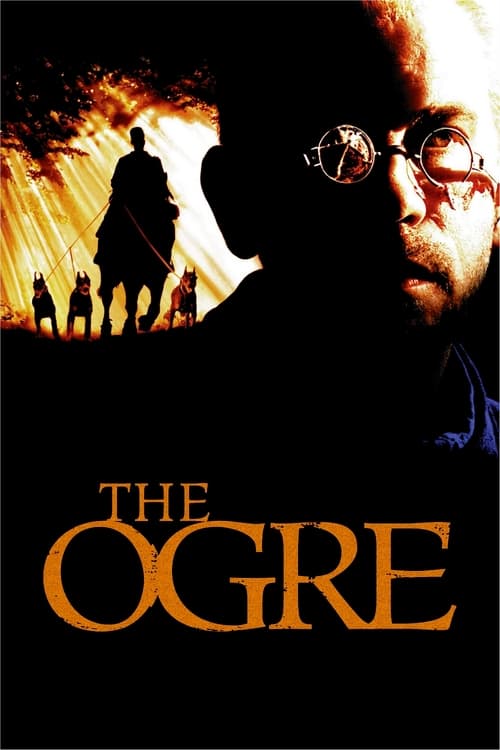
Frenchman Abel Tiffauges is a naive man who lives a simple life working as a mechanic. Falsely accused of being a child abuser, he is recruited as a soldier when World War II begins, but is captured soon and taken to the heart of Nazi Germany.
The Ogre

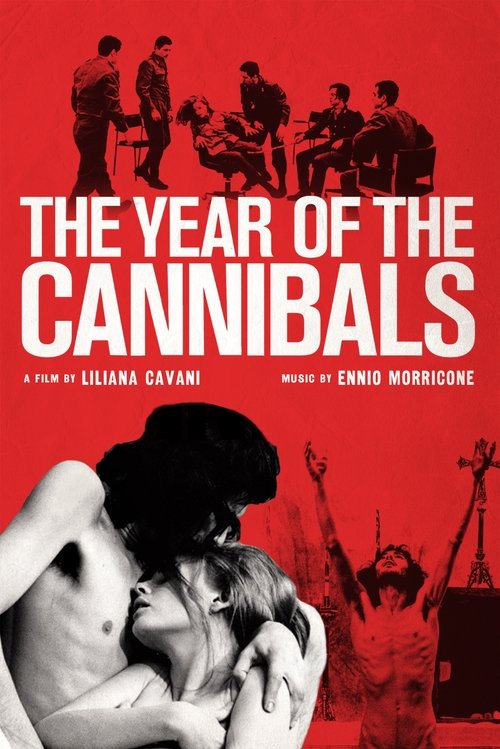
On the streets of a damp metropolis lie the corpses of hundreds and hundreds of boys and girls. No one can give them a resting place because of a law enacted by a repressive State. But the young Antigone, with the help of a foreigner, Tiresias, violates this rule in the name of pietas, undermining the established order.
The Year of the Cannibals

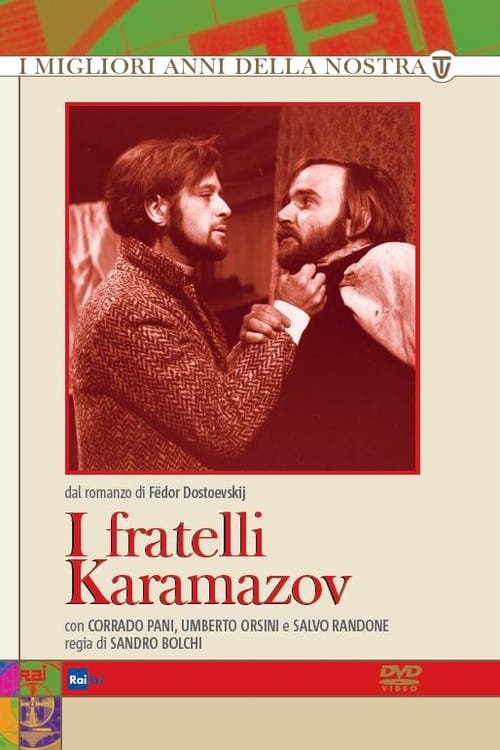
Italian adaptation of Dostoevskys famous novel.
The Brothers Karamazov

Twenty years after the end of the war, a German submarine has not yet surrendered and continues to wander the seas. Its travelers include a half-witted officer, a meager and dazed crew, and Ombrina, a girl rescued from a shipwreck when she was only one year old and adopted by the men of the strange vessel.
Make Love, Not War

Omnibus film with individual segments directed by Renato Castellani, Luigi Comencini and Franco Rossi; all of them starring the radiant Catherine Spaak as "out of place" women longing for love, in a Sicillian village, a monastery, and a modern Italian urban setting, respectively.
Three Nights of Love

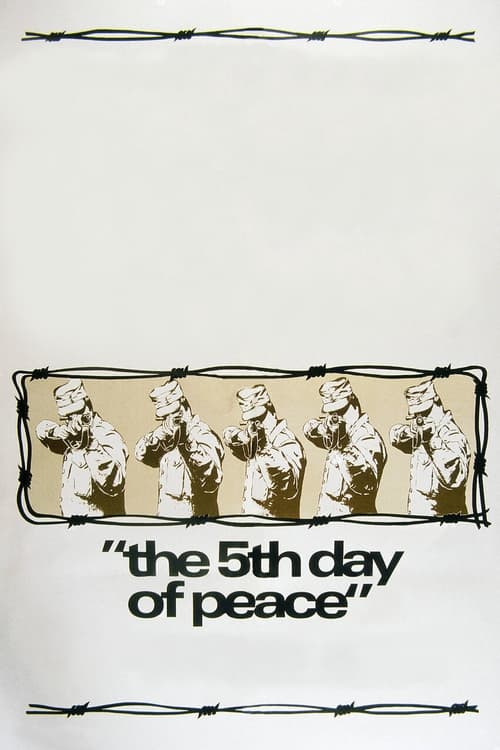
Based on a true story. Near the end of World War II, two German deserters are put in an Allied POW camp. When a rigid and militaristic German colonel learns about their desertion, he wants them court-martialed, even if the war is over. The uninterested Allied officers oblige him, and the two men face the firing squad on "the fifth day of peace".
The Fifth Day of Peace

During World War II, a plane full of RAF fighter crashes in the Ethiopian desert and they are met upon by an enemy Italian patrol that allows them to go free. But, when the Brits are given orders to attack the Italians, lots of problems ensue.
The Best of Enemies

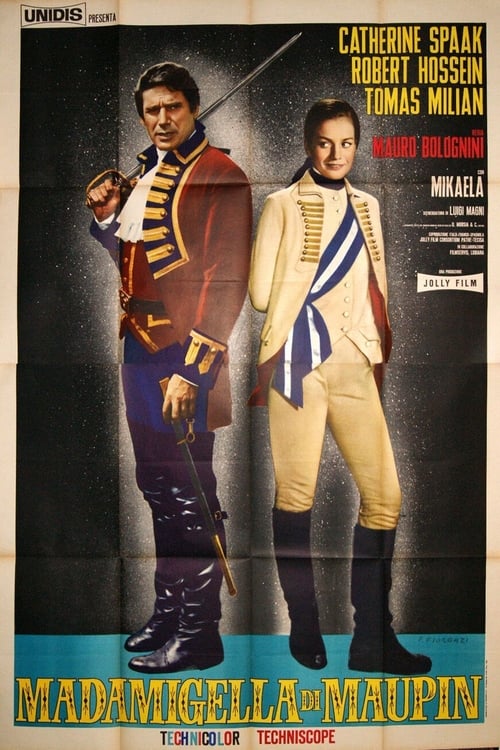
Mademoiselle de Maupin escapes from her uncle's castle, invaded by Hungarian troops, under the guise of a clergyman named Theodore. An army recruiter forces Theodore to enlist in the King's army, and not even the religious robe is an insurance against it. Theodore is assigned to be aide-de-camp to Alcibiade, a man as virile in combat, as he seems troubled for the figure of his aid. D'Albert, an aristocrat, will expose Theodore's true sex, and after a number of confusing, comedy situations, Alcibiade will appease his troubled feelings.
Mademoiselle de Maupin
Rigoletto is an opera in three acts by Giuseppe Verdi. The Italian libretto was written by Francesco Maria Piave based on the play Le roi s'amuse by Victor Hugo. Despite serious initial problems with the Austrian censors who had control over northern Italian theatres at the time, the opera had a triumphant premiere at La Fenice in Venice on 11 March 1851. This 1994 recording, directed by Riccardo Muti, stars Roberto Alagna, Renato Bruson and Andrea Rost.
Rigoletto

A humble scientist from Padua proves that the Earth revolves and that it is not the center of the universe.
Galileo

January 1649: Since the death of his father, the young Louis XIV must undergo the hard apprenticeship of royal power. He must face the intrigues of the great ones of the kingdom who lead La Fronde, the agreements and the betrayals of those close to him. He is helped in this by his mother Anne of Austria and by the Cardinal Mazarin.
Louis, the Child King

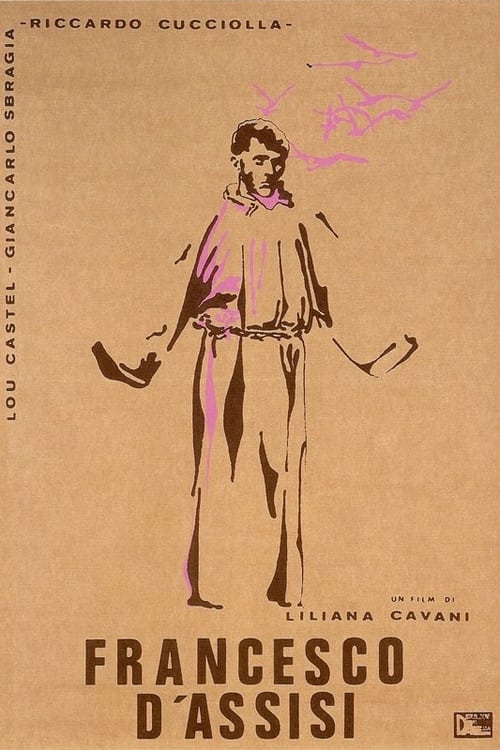
A 1966 biopic of Francis of Assisi presents him as a troubled rebel and champion of radical brotherhood, reflecting the spirit of 1968 student protests. Praised and condemned, the film sparked controversy for its bold, dissenting portrayal of faith.
Francis of Assisi

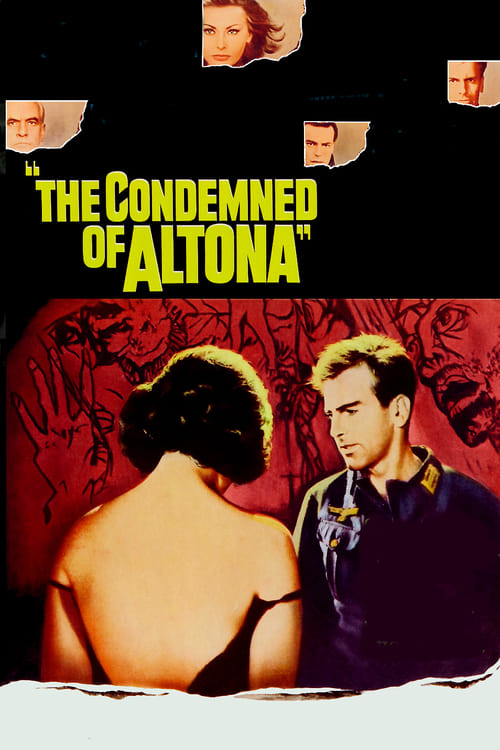
A dying German magnate invites his youngest son and daughter-in-law home to discuss the future of the family's shipbuilding empire. There, the daughter-in-law stumbles upon a secret of the family's Nazi past.
The Condemned of Altona

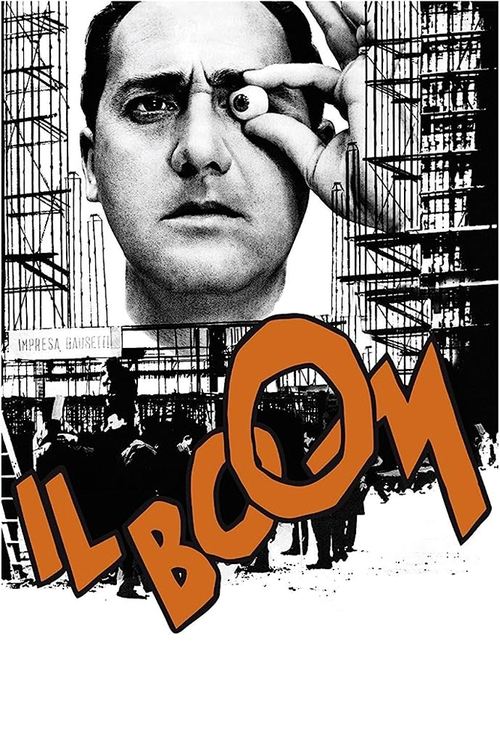
Sweet-sour comedy on Italy's 1950s rage to get rich as fast as possible! The businessman wants to satisfy his wife's craving for luxury and a "respectable life" so he becomes heavily indebted. In desperation he agrees to sell a precious part of his body for a large sum of money. But just before the crucial operation he panics...
The Boom

Eva-Maria Westbroek stars in the title role of Zandonai’s sensuous drama, opposite Marcello Giordani as Paolo. Piero Faggioni’s lush production provides the perfect setting for one of the all-time great tales of tragic passion, adapted from an episode in Dante’s Inferno. Mark Delavan co-stars as Giovanni, the husband and brother of the star-crossed lovers, whose jealousy leads him to kill them both. Robert Brubaker is Malatestino and Marco Armiliato conducts.