Peter Capell
Acting
Biography
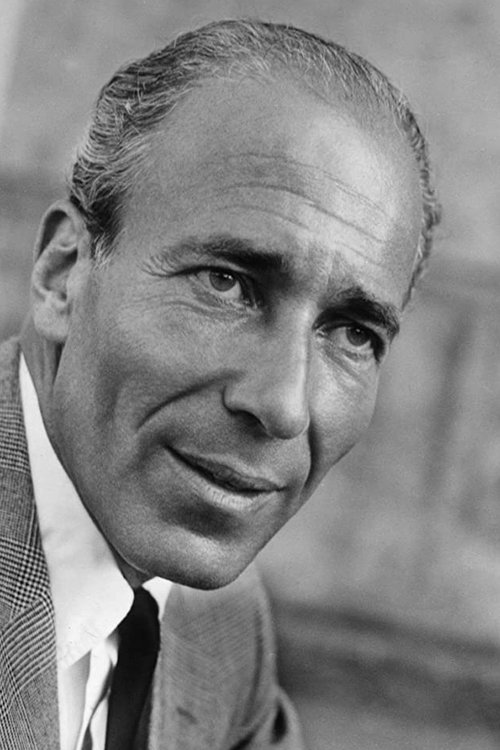
Peter Capell (3 September 1912 - 3 March 1985) was a German actor who was active on screen from 1945 until 1985. His first role was in Winterset, shortly after the end of the Second World War. His final role came a year before his death, when he appeared in Mamas Geburtstag. Both of these were television productions. He also appeared in many films, including Willy Wonka and the Chocolate Factory (1971), in which he played a "tinker" who spoke to Charlie Bucket (Peter Ostrum) at the gates of Willy Wonka's chocolate factory. Capell died, aged 72, in March 1985. Description above from the Wikipedia article Peter Capell, licensed under CC-BY-SA, full list of contributors on Wikipedia.

Known For

A police department, lead by an older, experienced detective solve crimes together.
The Old Fox

Derrick was a German TV series produced by Telenova Film und Fernsehproduktion in association with ZDF, ORF and SRG between 1974 and 1998 about Detective Chief Inspector Stephan Derrick and his loyal assistant Inspector Harry Klein, who solve murder cases in Munich and surroundings.
Derrick

An American radio–television anthology series, created in 1947 by Canadian director Fletcher Markle, who came to CBS from the CBC. Studio One, presented by Westinghouse, was one of the first of the anthology TV programs. The episodes were often abridged remakes of movies from years gone by and many future well-known television and movie actors appeared in the productions.
Studio One

Playhouse 90 is an American television anthology series that was telecast on CBS from 1956 to 1960 for a total of 133 episodes. It originated from CBS Television City in Los Angeles, California. Since live anthology drama series of the mid-1950s were usually hour-long shows, the title highlighted the network's intention to present something unusual, a weekly series of hour-and-a-half dramas rather than 60-minute plays. Playhouse 90 began as a pitch by Frank Stanton—the formidable, forward-thinking right-hand man to CBS chairman William S. Paley—during a brainstorming session for program ideas. The project was ultimately developed by Hubbell Robinson, a CBS vice president who received no screen credit on Playhouse 90 but is often described as its creator.
Playhouse 90

Lights Out was an extremely popular American old-time radio program, an early example of a network series devoted mostly to horror and the supernatural, predating Suspense and Inner Sanctum. Versions of Lights Out aired on different networks, at various times, from January 1934 to the summer of 1947 and the series eventually made the transition to television. In 1946, NBC Television brought Lights Out to TV in a series of four specials, broadcast live and produced by Fred Coe, who also contributed three of the scripts. NBC asked Cooper to write the script for the premiere, "First Person Singular", which is told entirely from the point of view of an unseen murderer who kills his obnoxious wife and winds up being executed. Variety gave this first episode a rave review ("undoubtedly one of the best dramatic shows yet seen on a television screen"), but Lights Out did not become a regular NBC-TV series until 1949.
Lights Out

An anthology series adapted from the radio program of the same name. Like the radio program, many scripts were adaptations of literary classics by well-known authors. Classic authors such as Edgar Allan Poe, Agatha Christie, and Charles Dickens all had stories adapted for the series, while contemporary authors such as Roald Dahl and Gore Vidal also contributed.
Suspense

Tales of Tomorrow is an American anthology science fiction series that was performed and broadcast live on ABC from 1951 to 1953. The series covered such stories as Frankenstein, starring Lon Chaney, Jr., 20,000 Leagues Under the Sea starring Thomas Mitchell as Captain Nemo, and many others featuring such performers as Boris Karloff, Brian Keith, Lee J. Cobb, Rod Steiger, Bruce Cabot, Franchot Tone, Gene Lockhart, Walter Abel, Leslie Nielsen, and Paul Newman. The series had many similarities to the later Twilight Zone which also covered one of the same stories, "What You Need". In total it ran for eighty-five 30-minute episodes.
Tales of Tomorrow

A commanding officer defends three scapegoats on trial for a failed offensive that occurred within the French Army in 1916.
Paths of Glory

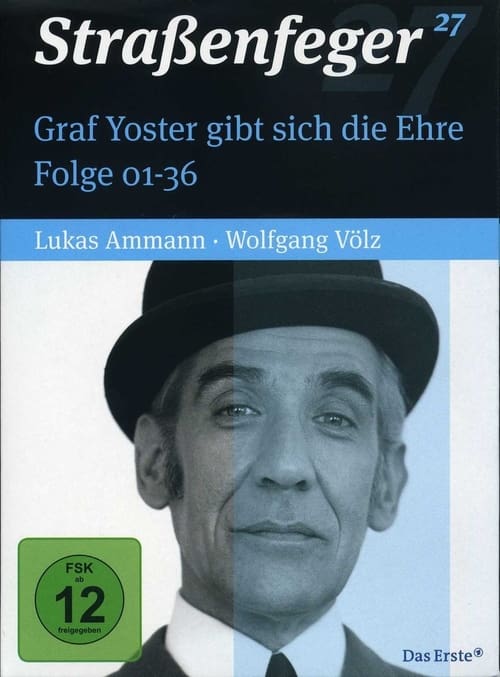
Graf Yoster gibt sich die Ehre [French title: Le comte Yoster a bien l'honneur] is a TV series which followed the adventures of the title’s amateur gentleman detective. It was a success in particular in Germany and in France. Originally the show was a German production in black-and-white but it evolved into a European co-production in colour.
Graf Yoster gibt sich die Ehre

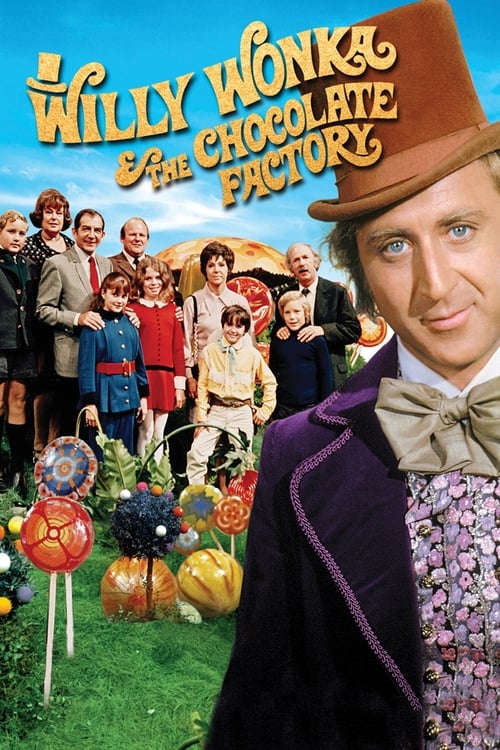
When eccentric candy man Willy Wonka promises a lifetime supply of sweets and a tour of his chocolate factory to five lucky kids, penniless Charlie Bucket seeks the golden ticket that will make him a winner.
Willy Wonka & the Chocolate Factory

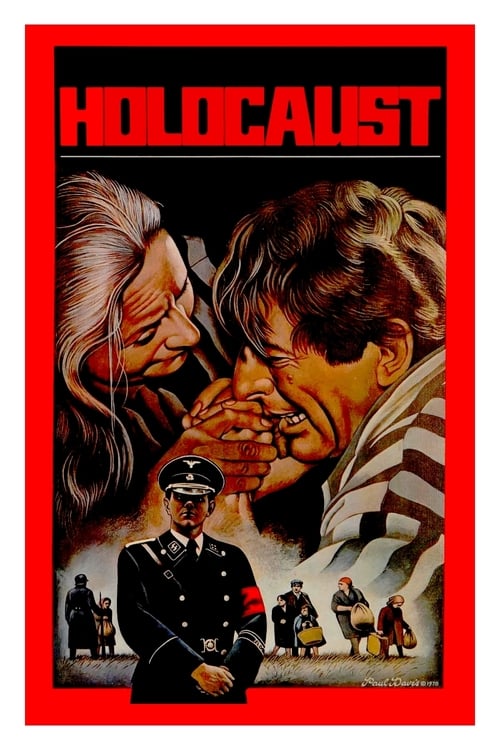
Berlin, Germany, 1935. The day Karl Weiss, a Jewish painter, and Inga Helms, a Christian woman, marry, is the one in which both of them and the entire Weiss family are caught up in the maelstrom of the Nazi regime, the storms of World War II and the horrors of the criminal Final Solution, the Holocaust, the Shoah; while Erik Dorf, an ambitious lawyer, undertakes his fall into hell at the hands of the sinister Reinhard Heydrich.
Holocaust

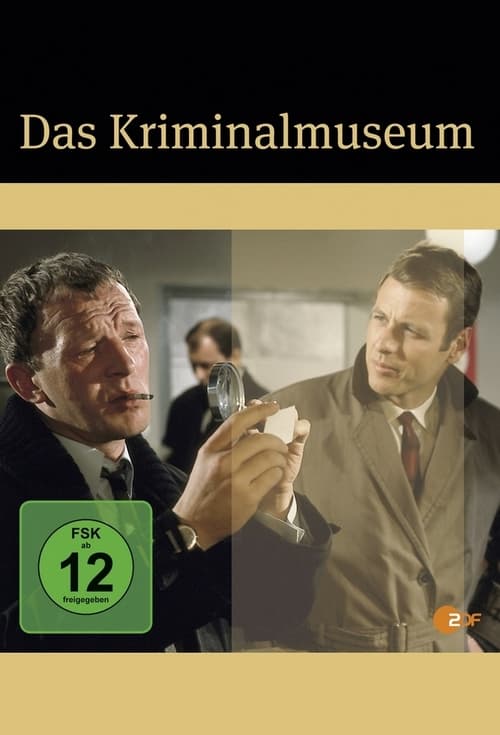
Das Kriminalmuseum was a German television series. It ran from 1963 to 1970 on ZDF and was one of its first programs. Each episode began with a tracking shot through an unspecified crime museum, stopping at one of the displays, whose story was then told. Each episode was between 60 and 75 minutes long and featured different actors as the criminal commissioner. The best known was Erik Ode, who in 1969 moved to Der Kommissar, appearing in 97 episodes. The theme music of the series was written by German composer Martin Böttcher, who also composed the complete scores for five episodes.
Das Kriminalmuseum

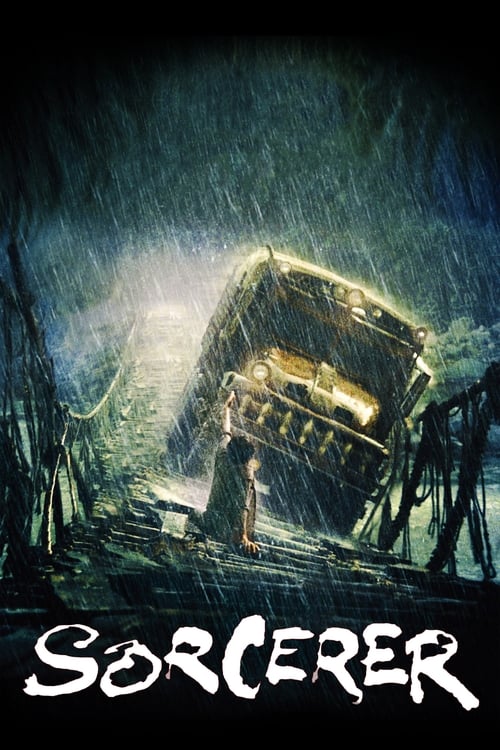
Four men from different parts of the globe, all hiding from their pasts in the same remote South American town, agree to risk their lives transporting several cases of dynamite (which is so old that it is dripping unstable nitroglycerin) across dangerous jungle terrain.
Sorcerer

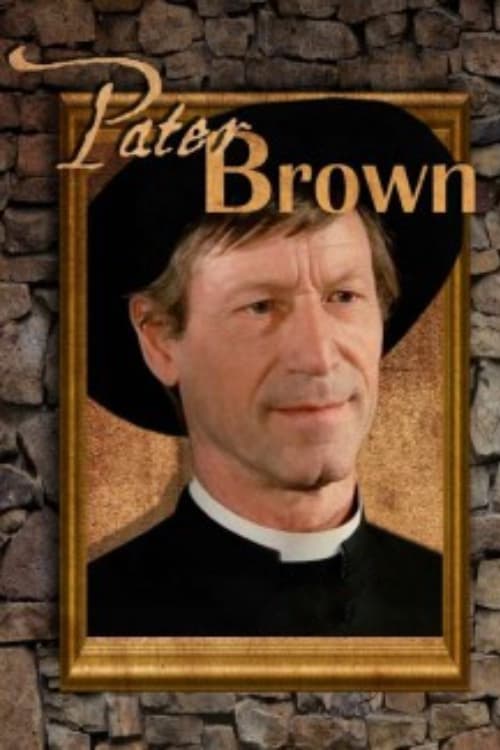
No description available.
Pater Brown

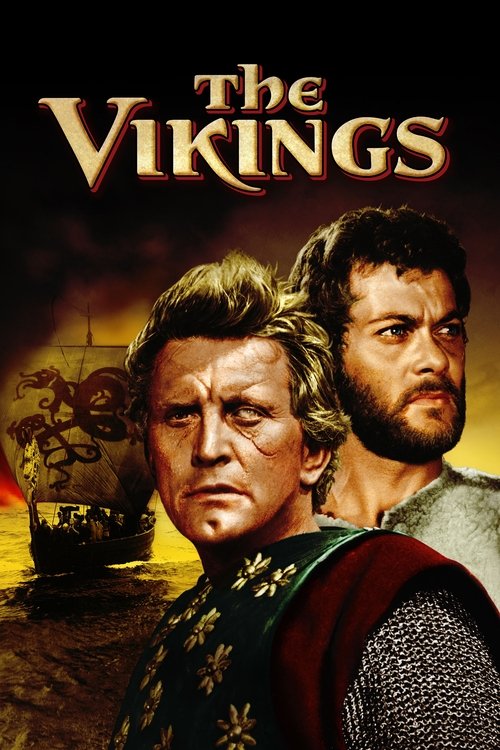
Einar, brutal son of the viking Ragnar and future heir to his throne, tangles with clever slave Eric, for the hand of a beautiful English maiden.
The Vikings

Doctor Snuggles is an animated television series created by Jeffrey O'Kelly based on original artwork by Nick Price, about a friendly and optimistic inventor named Doctor Snuggles who has unusual adventures with his friends. The show featured fantastical scenarios which usually involved Doctor Snuggles inventing something outlandish such as a robot helper or diamond-making machine, and had a variety of supporting characters who were mostly anthropomorphic animals.
Doctor Snuggles
No description available.
Okay S.I.R.

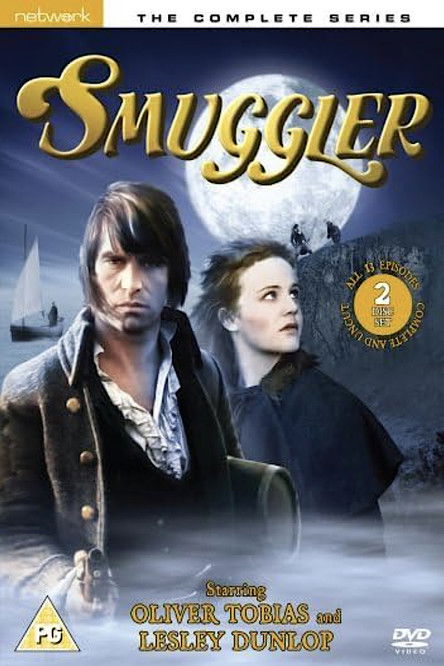
Set during the Napoleonic wars of the early 1800s, Oliver Tobias stars as Jack Vincent, a swashbuckling ex-British naval captain turned smuggler. A strong-willed, independent man who lives by both his wits and the sword, Vincent is ably assisted by Sarah and petty thief Honesty Evans in his struggle to stay one step ahead of the Excise Men...
Smuggler

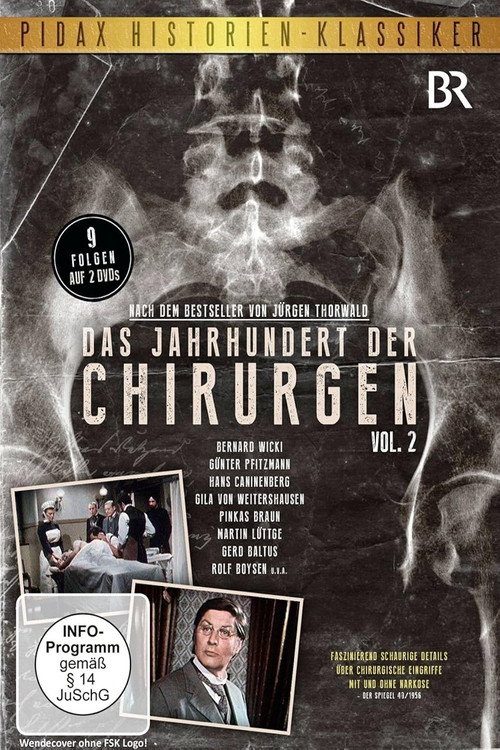
A special insight into medicine presented on film: sterile operations, hospitals used to be built by the wind, anaesthesia, surgical gloves, similar to the films Sauerbruch or Kneip.
The Century of Surgeons

Stendhal's epic tale of a young French officer in the Napoleonic wars, and his aunt - a duchess of legendary beauty and resourcefulness.