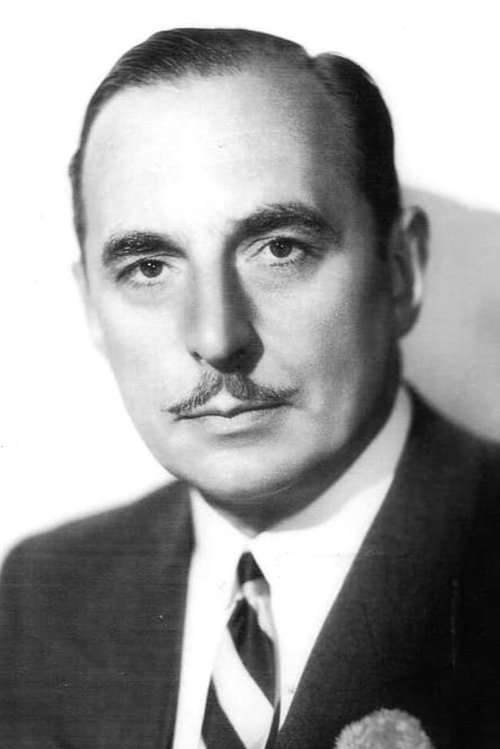
Douglass Dumbrille
Acting
Biography
From Wikipedia, the free encyclopedia Douglass Rupert Dumbrille (October 13, 1889 – April 2, 1974) was a Canadian actor and one of the Canadian pioneers in early Hollywood. In 1913, the East Coast film industry was flourishing and that year he appeared in the film What Eighty Million Women Want, but it would be another 11 years before he appeared on screen again. In 1924, he made his Broadway debut and worked off and on in the theatre for several years while supplementing his income by selling such products as car accessories, tea, insurance, real estate, and books. During the Great Depression, Dumbrille moved to the West Coast of the U.S., where he specialized in playing secondary character roles alongside the great stars of the day. His physical appearance and suave voice equipped him for roles as slick politician, corrupt businessman, crooked sheriff, or unscrupulous lawyer. He was highly regarded by the studios and was sought out by Cecil B. DeMille, Frank Capra, Hal Roach and other prominent Hollywood filmmakers. A friend of fellow Canadian-born director Allan Dwan, Dumbrille played Athos in Dwan’s 1939 adaptation of The Three Musketeers. Dumbrille had roles in more than 200 motion pictures and, with the advent of television, made numerous appearances in the 1950s and 1960s. He had the ability to project a balance of menace and pomposity in roles as the "heavy" in comedy films, such as those of the Marx Brothers or Abbott and Costello.
Known For

The cases of master criminal defense attorney Perry Mason and his staff who handled the most difficult of cases in the aid of the innocent.
Perry Mason

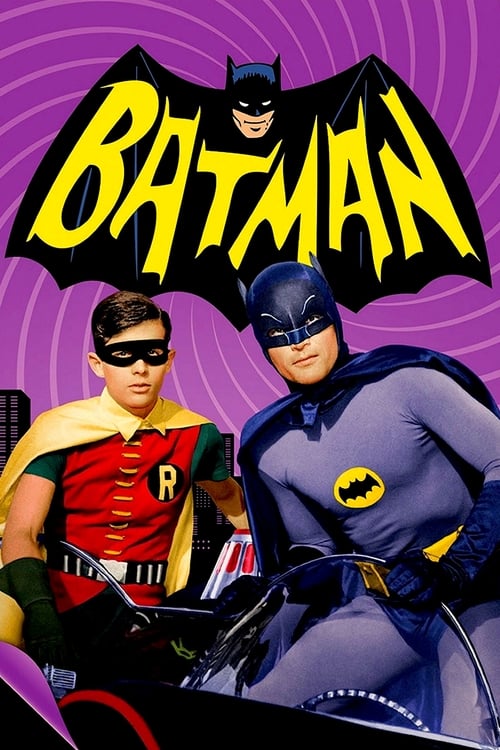
Wealthy entrepreneur Bruce Wayne and his ward Dick Grayson lead a double life: they are actually crime fighting duo Batman and Robin. A secret Batpole in the Wayne mansion leads to the Batcave, where Police Commissioner Gordon often calls with the latest emergency threatening Gotham City. Racing to the scene of the crime in the Batmobile, Batman and Robin must (with the help of their trusty Bat-utility-belt) thwart the efforts of a variety of master criminals, including The Riddler, The Joker, Catwoman, and The Penguin.
Batman

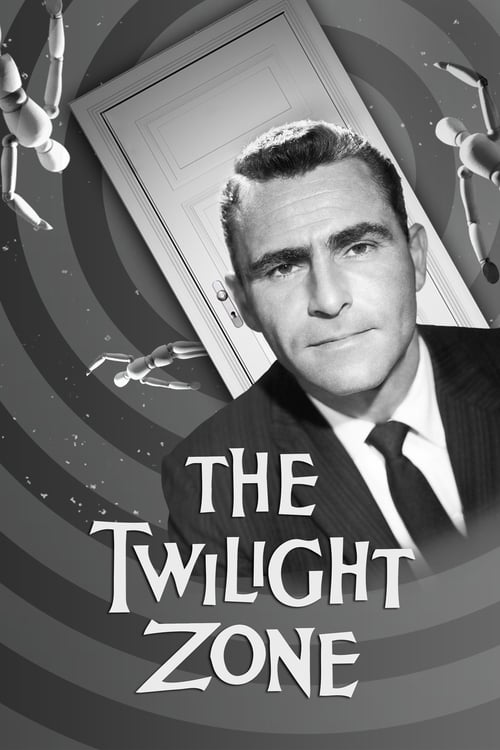
An anthology series containing drama, psychological thriller, fantasy, science fiction, suspense, and/or horror, often concluding with a macabre or unexpected twist.
The Twilight Zone

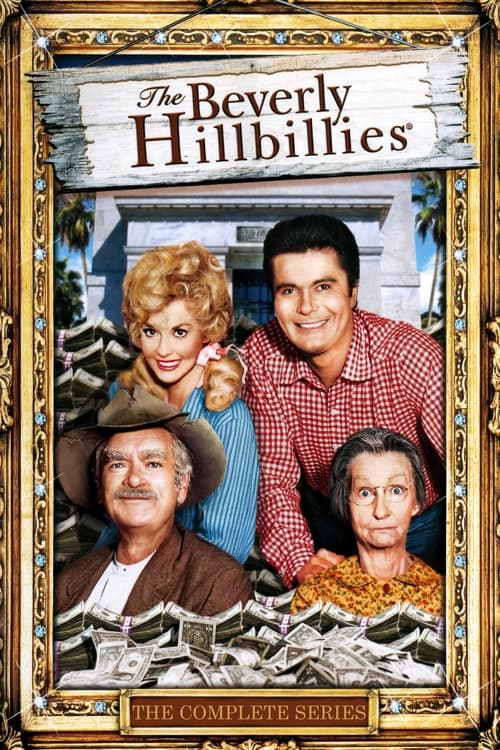
Jed Clampett's swamp is loaded with oil. When a wildcatter discovers the huge pool, Jed sells his land to the O.K. Oil Company and at the urging of cousin Pearl, moves his family to a 35-room mansion in Beverly Hills, California.
The Beverly Hillbillies

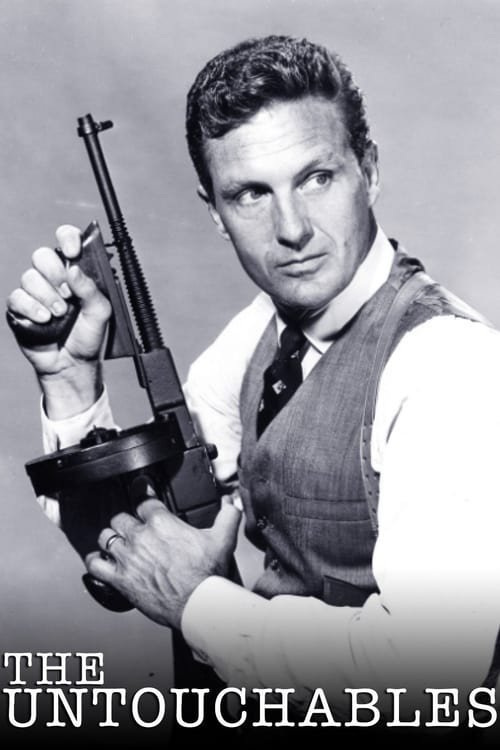
Special Agent Eliot Ness and his elite team of incorruptible agents battle organized crime in 1930s Chicago.
The Untouchables

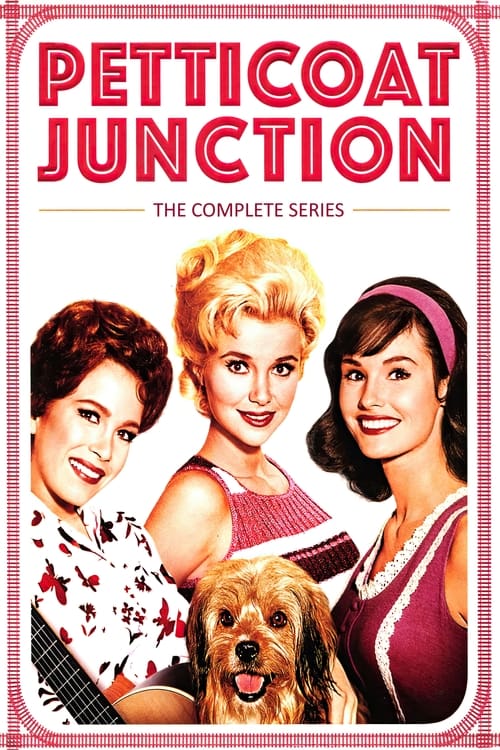
The Bradley family are proud owners of the Shady Rest Hotel. Kate and her three young daughters do the job of running the hotel.
Petticoat Junction

Matinee Theater is an American anthology series that aired on NBC during the Golden Age of Television, from 1955 to 1958. The series, which ran daily in the afternoon, was frequently live. It was produced by Albert McCleery, Darrell Ross, George Cahan and Frank Price with executive producer George Lowther. McCleery had previously produced the live series Cameo Theatre which introduced to television the concept of theater-in-the-round, TV plays staged with minimal sets. Jim Buckley of the Pewter Plough Playhouse recalled: When Al McCleery got back to the States, he originated a most ambitious theatrical TV series for NBC called Matinee Theater: to televise five different stage plays per week live, airing around noon in order to promote color TV to the American housewife as she labored over her ironing. Al was the producer. He hired five directors and five art directors. Richard Bennett, one of our first early presidents of the Pewter Plough Corporation, was one of the directors and I was one of the art directors and, as soon as we were through televising one play, we had lunch and then met to plan next week’s show. That was over 50 years ago, and I’m trying to think; I believe the TV art director is his own set decorator —yes, of course! It had to be, since one of McCleery’s chief claims to favor with the producers was his elimination of the setting per se and simply decorating the scene with a minimum of props. It took a bit of ingenuity.
Matinee Theater

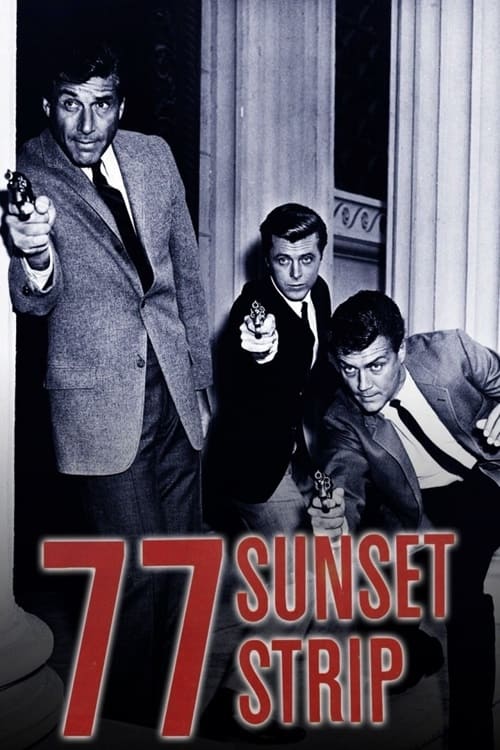
Stu Bailey and Jeff Spencer are the wisecracking, womanizing private-detective heroes of this Warner Brothers drama. They work out of an office located at 77 Sunset Strip in Los Angeles, California, right next door to a snazzy restaurant where Kookie works as a valet. The finger-snapping, slang-talking Kookie occasionally helps Stu and Jeff with their cases, and eventually becomes a full-fledged member of the detective agency. Rex Randolph and J.R. Hale also join the firm, and Suzanne is their leggy secretary.
77 Sunset Strip

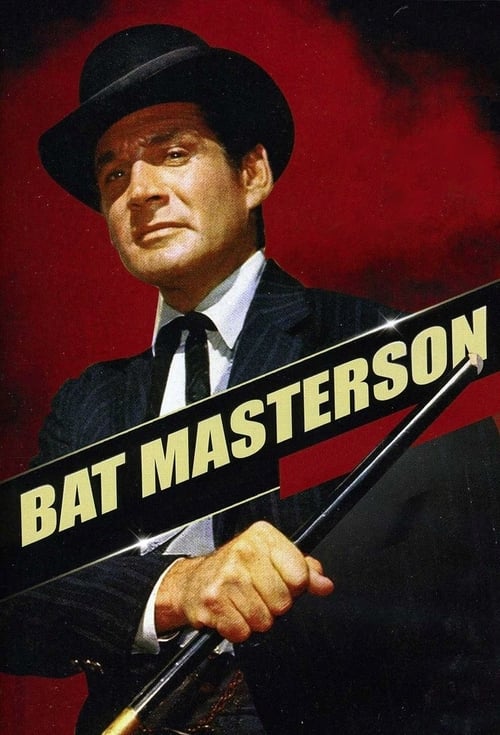
Bat Masterson is an American Western television series which showed a fictionalized account of the life of real-life marshal/gambler/dandy Bat Masterson. The title character was played by Gene Barry and the half-hour black-and-white shows ran on NBC from 1958 to 1961. The series was produced by Ziv Television Productions, the company responsible for such hit series as Sea Hunt and Highway Patrol.
Bat Masterson

The Many Loves of Dobie Gillis is an American sitcom that aired on CBS from 1959 to 1963. The series and several episode scripts were adapted from a 1951 collection of short stories of the same name, written by Max Shulman, who had also written a feature film adaptation of his short stories for MGM in 1953, The Affairs of Dobie Gillis. The series revolved around the life of teenager/young adult Dobie Gillis, who, along with his best friend, beatnik Maynard G. Krebs, struggles against the forces of his life - high school, the military, college, and his parents - as he aspires to attain both wealth and dates with girls. The Many Loves of Dobie Gillis was produced by Martin Manulis Productions in association with 20th Century Fox Television. Creator Shulman also wrote the theme song in collaboration with Lionel Newman.
The Many Loves of Dobie Gillis

Studio 57 is an American anthology series that was broadcast on the now-defunct DuMont Television Network from September 1954 to September 1955, and in syndication from 1955 to 1956.
Studio 57

Cavalcade of America is an anthology drama series that was sponsored by the DuPont Company, although it occasionally presented a musical, such as an adaptation of Show Boat, and condensed biographies of popular composers. It was initially broadcast on radio from 1935 to 1953, and later on television from 1952 to 1957. Originally on CBS, the series pioneered the use of anthology drama for company audio advertising. Cavalcade of America documented historical events using stories of individual courage, initiative and achievement, often with feel-good dramatizations of the human spirit's triumph against all odds. This was consistent with DuPont's overall conservative philosophy and legacy as an American company dating back to 1802. The company's motto, "Maker of better things for better living through chemistry," was read at the beginning of each program, and the dramas emphasized humanitarian progress, particularly improvements in the lives of women, often through technological innovation.
Cavalcade of America

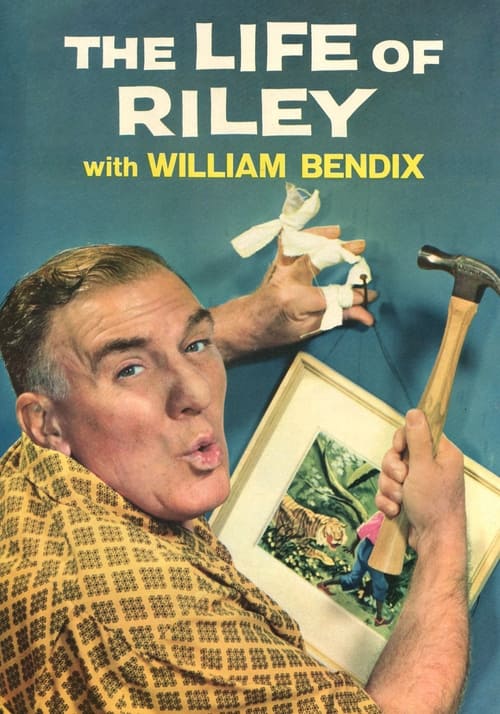
Riley worked in an aircraft plant in California, but viewers usually saw him at home, cheerfully disrupting life with his malapropisms and ill timed intervention into minor problems.
The Life Of Riley

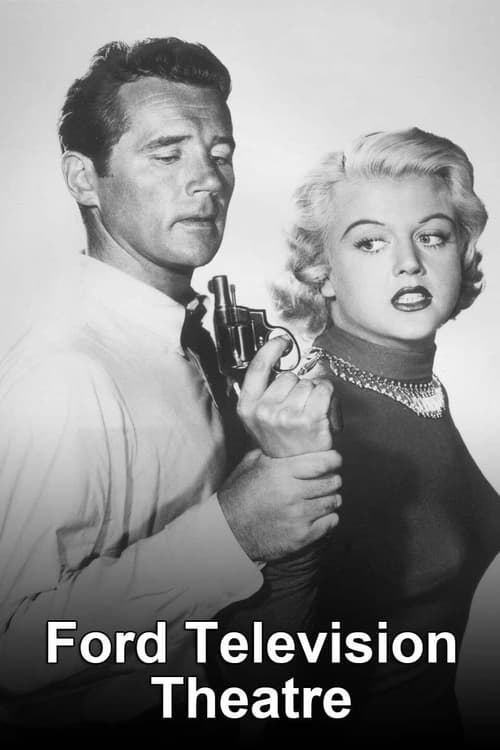
This show started in New York City, with Broadway actors and actresses. It then moved to Hollywood, California, where Hollywood actors and actresses headed the cast.
The Ford Television Theatre

An anthology series that explored the ways sudden and unexpected wealth changed life for better or for worse. It told the stories of people who were given one million dollars from a benefactor who insisted they never know him, with one exception.
The Millionaire

The DuPont Show with June Allyson is an American anthology drama series which aired on CBS from September 21, 1959 to April 3, 1961 with rebroadcasts continuing until June 12, 1961. The series was hosted by actress June Allyson.
The DuPont Show with June Allyson

Presented by Eastman Kodak, this show was a series of original scripts directed by acclaimed directors and featuring well-known performers. The stories ranged from musicals to comedies and dramas.
Screen Director's Playhouse

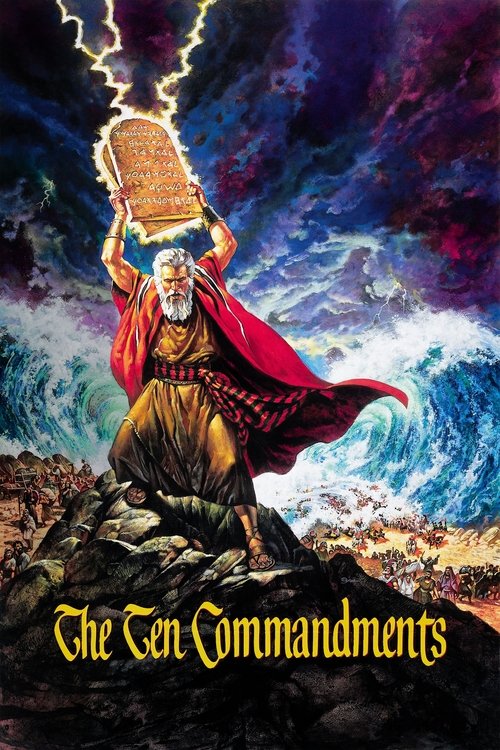
Escaping death, a Hebrew infant is raised in a royal household to become a prince. Upon discovery of his true heritage, Moses embarks on a personal quest to reclaim his destiny as the leader and liberator of the Hebrew people.
The Ten Commandments
Lux Video Theatre is an American anthology series that was produced from 1950 until 1959. The series presented both comedy and drama in original teleplays, as well as abridged adaptations of films and plays.
Lux Video Theatre

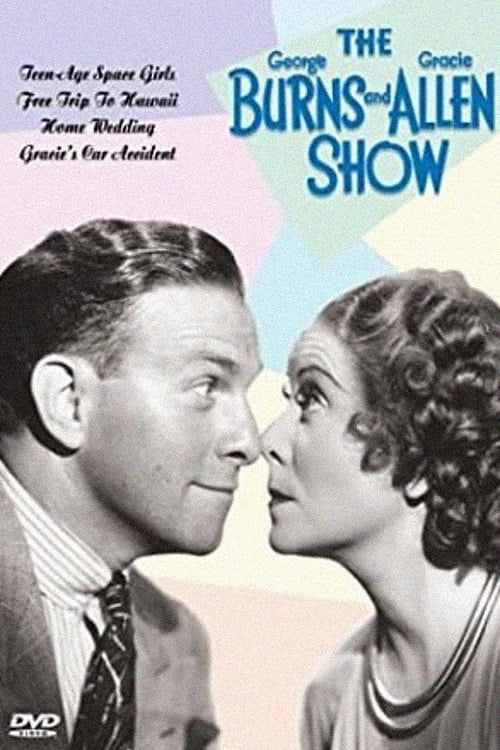
Burns and Allen, an American comedy duo consisting of George Burns and his wife, Gracie Allen, worked together as a comedy team in vaudeville, films, radio and television and achieved great success over four decades.