Frances Marion
Writing
Biography
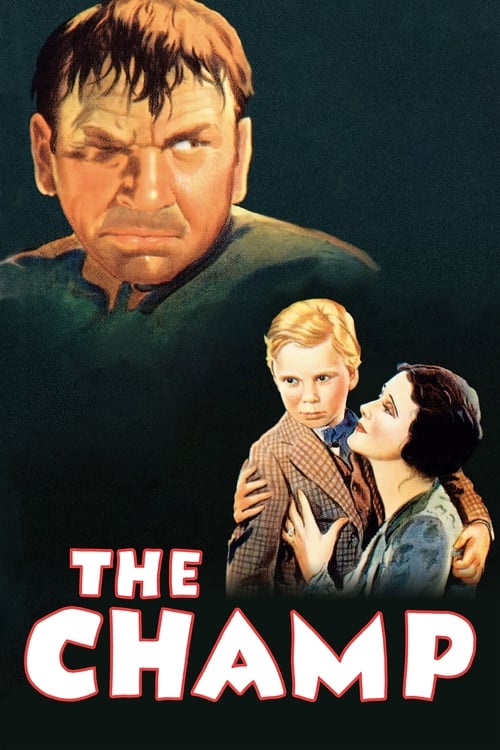
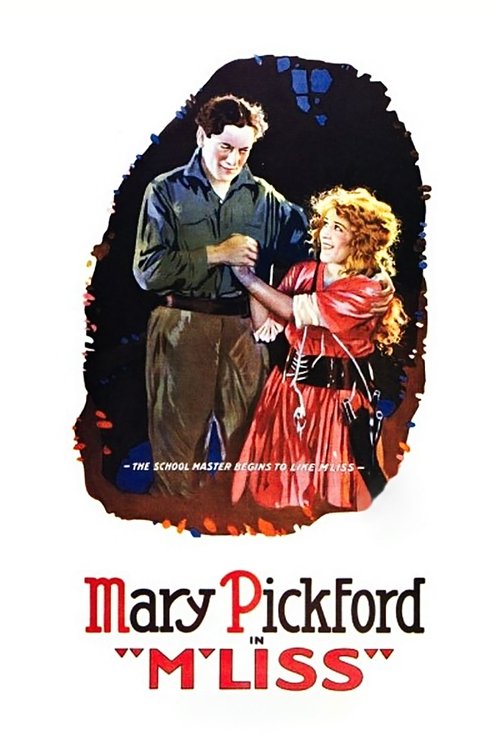
Frances Marion (November 18, 1888 – May 12, 1973) was an American journalist, author, and screenwriter often cited as the most renowned female screenwriter of the 20th century alongside June Mathis and Anita Loos. She was the first writer to win two Academy Awards. Born Marion Benson Owens in San Francisco, California, she worked as a journalist and served overseas as a combat correspondent during World War I. On her return home, she moved to Los Angeles and was hired as a writing assistant, an actress and general assistant by "Lois Weber Productions", a film company owned and operated by pioneer female film director Lois Weber.She has a face as an actor, but she preferred a work that she isn't in the camera. She learned how to write a scenario from Weber. Marion wrote a story for a movie for her, but it burned before it was released. As "Frances Marion", she wrote many scripts for actress/filmmaker Mary Pickford, including Rebecca of Sunnybrook Farm and The Poor Little Rich Girl, as well as scripts for numerous other successful films of the 1920s and 1930s.Marion went to New York for her job, and her husband decline to live with her and divorced. She became the first female to win an Academy Award for Best Adapted Screenplay in 1930 for the film The Big House, she received the Academy Award for Best Story for The Champ in 1932, both featuring Wallace Beery, and co-wrote Min and Bill starring her friend Marie Dressler and Beery in 1930. She was credited with writing 300 scripts and over 130 produced films. She directed and occasionally appeared in some of Mary Pickford's early movies. For many years she was under contract to MGM Studios, but, independently wealthy, she left Hollywood in 1946 to devote more time to writing stage plays and novels. Frances Marion published a memoir Off With Their Heads: A Serio-Comic Tale of Hollywood in 1972. Marion died the following year of a ruptured aneurysm in Los Angeles.