Hana Skovajsová
Crew
Known For
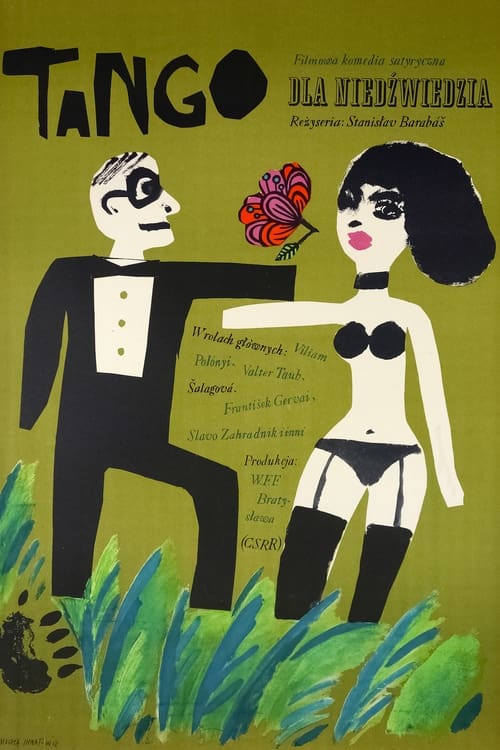
The unhappy and desperate director of the Šúpala Zoo tries to sell a sick bear to a foreign tourist for shooting, because the purchase of other animals for the ZOO is only possible with anti-socialist currency, i.e. hard currency, and so the administrator does everything possible and impossible just to get them...
Tango pre medveďa

"Using the same, three times repeating dialogue – dramatic conversation between man and woman – Jerzy Skolimowski from Poland, Slovak director Peter Solan and Czech director Zbynìk Brynych shot three different stories. The result was an extraordinary experiment in the world cinema, which we can call an insight in the relationships of men and women of different age groups, an analysis of love and marriage of those who are at the beginning, in the middle or going towards the end of their life."
Dialogue 20-40-60
No description available.
Trofej neznámeho strelca
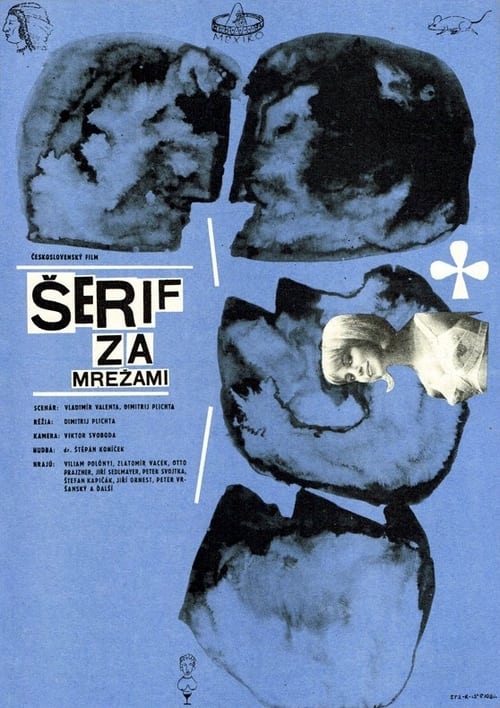
A dramatic story from the setting of a youth de tention center. Youngster Jakub, out of delusory solidarity, gets convicted of theft and goes to prison in place ofthe "sheriff" of his gang. He naively hopes that the sheriff will appreciate his gesture and leaves the stolen goods in a safe hideaway to later divide them fairly among the gang members. This conviction gives Jakub the strength to endure the unbearable conditions in the center. But reality is often much harsher than naive ideals and hollow relations in the gang.
The Sheriff Behind Bars
No description available.
Geľo Sebechlebský
No description available.
Vláčik do stanice víťazstvo
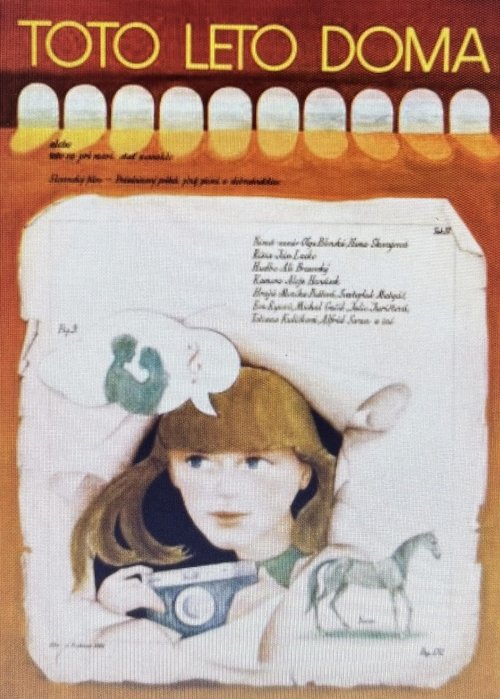
No description available.
Toto leto doma
Slovak partisans, bravely fighting against Nazi superiority, would never have succeeded to such an extent if they had not been supported by the villagers. Despite the threat of repression, it is the villagers who care for the wounded, hide them, and behave conscientiously. Although the film was made in the late 1960s, it fully adopts the patterns of partisan stories, perhaps the only thing it can be credited with is a more developed sense of authenticity in the story, characters, and setting.
Stopy na Sitne
No description available.