Nora Denney
Acting
Biography
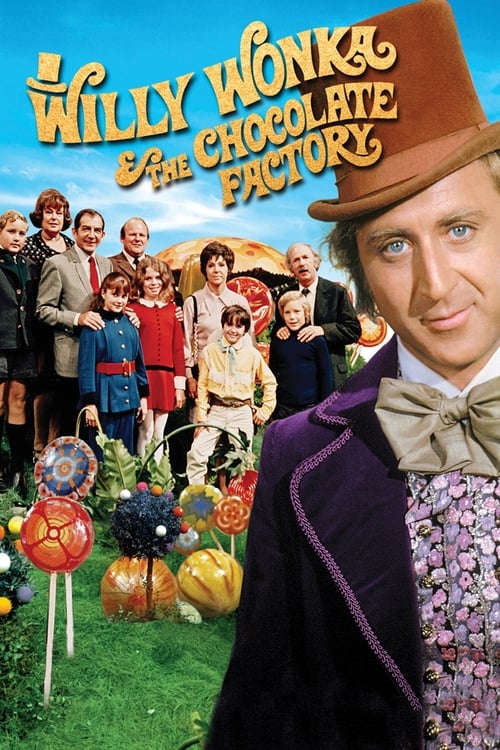
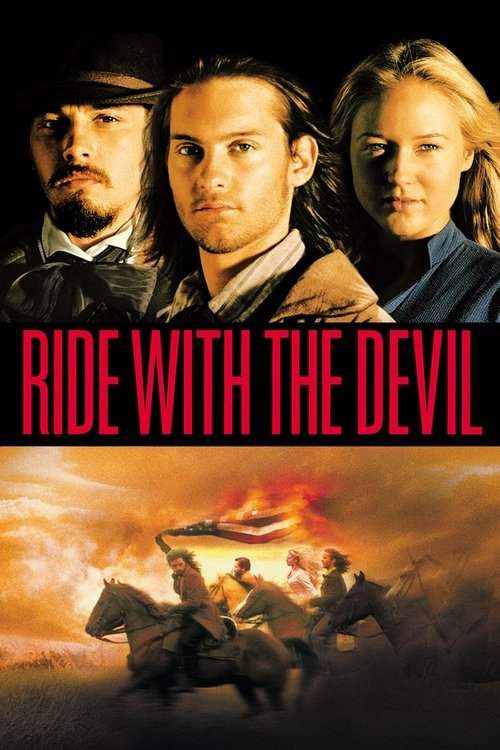
From Wikipedia, the free encyclopedia Nora Denney (September 3, 1927 – November 20, 2005), also known and credited as Dodo Denney, was an American stage, television, and film actress. Her show business career began in Kansas City when she was hired by the local television station Channel 5 (KCMO TV) to play Marilyn the Witch, an onscreen host for horror movies. She performed in many television series, including Green Acres, Petticoat Junction, Hart to Hart, Get Smart, Room 222 and That Girl, and her film credits included Who's Minding the Mint? (1967), I Walk the Line (1970), Do Not Fold, Spindle or Mutilate (1971), I Wonder Who's Killing Her Now? (1975), American Hot Wax (1978) and Truman (1995). She made her final film appearance in 1999, in Ang Lee's Ride with the Devil. Perhaps her most notable film role was as Mrs. Teevee in Willy Wonka & the Chocolate Factory (1971), starring Gene Wilder and Jack Albertson.
Known For

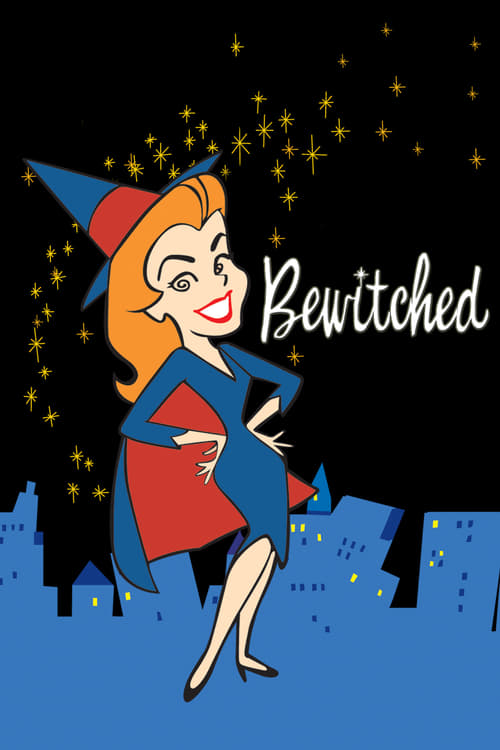
Samantha Stephens is a seemingly normal suburban housewife who also happens to be a genuine witch, with all the requisite magical powers. Her husband Darrin insists that Samantha keep her witchcraft under wraps, but situations invariably require her to indulge her powers while keeping her bothersome mother Endora at bay.
Bewitched

Get Smart is an American comedy television series that satirizes the secret agent genre. Created by Mel Brooks with Buck Henry, the show stars Don Adams, Barbara Feldon, and Edward Platt. Henry said they created the show by request of Daniel Melnick, who was a partner, along with Leonard Stern and David Susskind, of the show's production company, Talent Associates, to capitalize on "the two biggest things in the entertainment world today"—James Bond and Inspector Clouseau. Brooks said: "It's an insane combination of James Bond and Mel Brooks comedy." This is the only Mel Brooks production to feature a laugh track. The success of the show eventually spawned the follow-up films The Nude Bomb and Get Smart, Again!, as well as a 1995 revival series and a 2008 film remake. In 2010, TV Guide ranked Get Smart's opening title sequence at No. 2 on its list of TV's Top 10 Credits Sequences, as selected by readers.
Get Smart

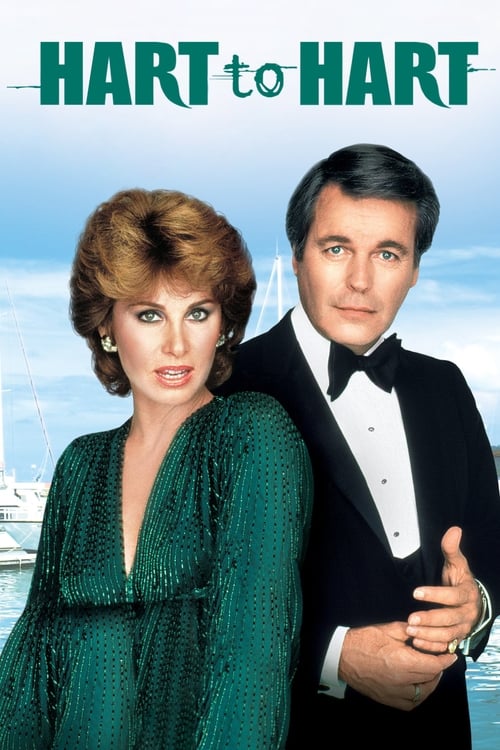
Wealthy couple Jonathan and Jennifer Hart, a self-made millionaire and his journalist wife, moonlight as amateur detectives.
Hart to Hart

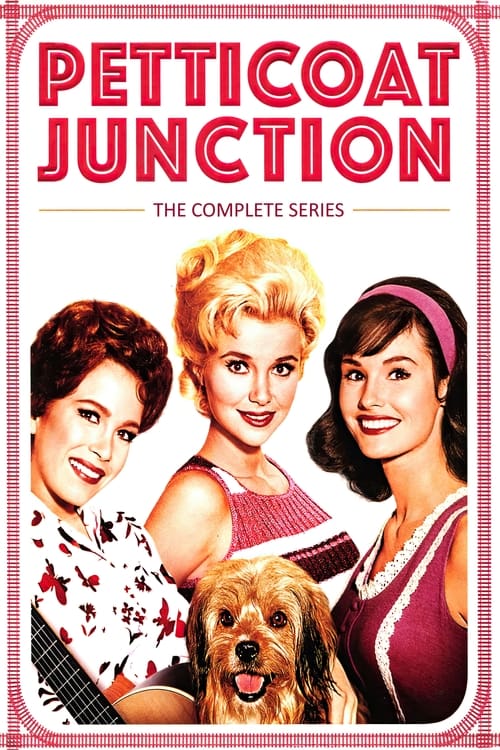
The Bradley family are proud owners of the Shady Rest Hotel. Kate and her three young daughters do the job of running the hotel.
Petticoat Junction

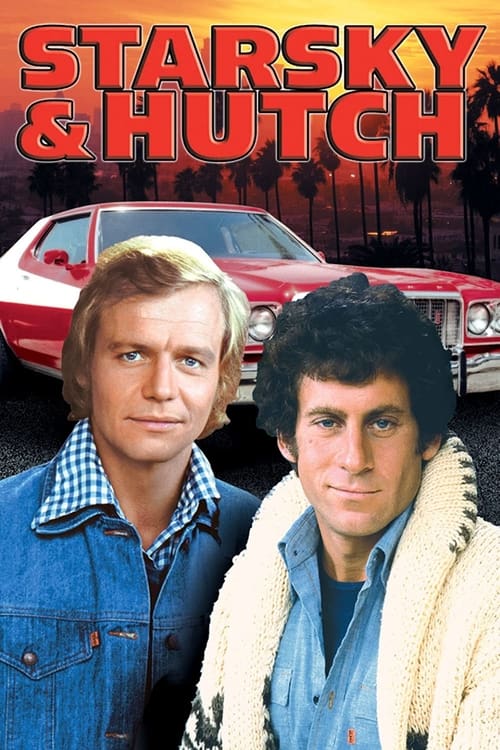
Streetwise Detective David Starsky partners up with a more intellectual partner, Kenneth 'Hutch' Hutchinson, to protect citizens and patrol the streets of Bay City.
Starsky & Hutch

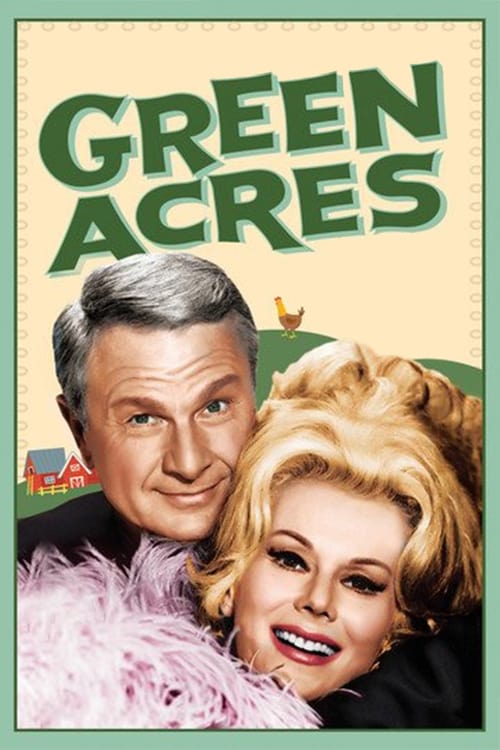
Green Acres is an American sitcom starring Eddie Albert and Eva Gabor as a couple who move from New York City to a rural country farm. Produced by Filmways as a sister show to Petticoat Junction, the series was first broadcast on CBS, from September 15, 1965 to April 27, 1971. Receiving solid ratings during its six-year run, Green Acres was cancelled in 1971 as part of the "rural purge" by CBS. The sitcom has been in syndication and is available in DVD and VHS releases. In 1997, the two-part episode "A Star Named Arnold is Born" was ranked #59 on TV Guide's 100 Greatest Episodes of All Time.
Green Acres

That Girl is an American sitcom that ran on ABC from 1966 to 1971. It stars Marlo Thomas as the title character Ann Marie, an aspiring actress, who moves from her hometown of Brewster, New York to try to make it big in New York City. Ann has to take a number of offbeat "temp" jobs to support herself in between her various auditions and bit parts. Ted Bessell played her boyfriend Donald Hollinger, a writer for Newsview Magazine; Lew Parker and Rosemary DeCamp played Lew Marie and Helen Marie, her concerned parents. Bernie Kopell, Ruth Buzzi and Reva Rose played Ann and Donald's friends. That Girl was developed by writers Bill Persky and Sam Denoff, who had served as head writers on The Dick Van Dyke Show earlier in the 1960s.
That Girl

Deputy Marshal Sam McCloud of the small western town of Taos, New Mexico is assigned to the metropolitan New York City Police Department (NYPD) as a special investigator.
McCloud

Eight Is Enough is an American television comedy-drama series that ran on ABC from March 15, 1977, until August 29, 1981. The show was modeled after syndicated newspaper columnist Thomas Braden, a real-life parent with eight children, who wrote a book with the same name.
Eight Is Enough

Dramatically presented situations, often controversial, of interest to children and teenagers. Several episodes were either in animated form or presented as documentaries. Topics included illiteracy, substance abuse and teenage pregnancy.
ABC Afterschool Special

Mayberry R.F.D. is an American television series produced as a spin-off and direct continuation of The Andy Griffith Show. When star Andy Griffith decided to leave his series, most of the supporting characters returned for the new program, which ran for three seasons on the CBS Television Network from 1968–1971. During the final season of The Andy Griffith Show, widower farmer Sam Jones and his young son Mike are introduced and gradually become the show's focus. Sheriff Andy Taylor takes a backseat in the storylines, establishing the sequel series. The show's first episode, "Andy and Helen's Wedding", had the highest ratings in recorded television history. Sheriff Taylor and newlywed wife Helen make guest appearances on RFD until late 1969, and then relocate with Opie. Mayberry R.F.D. was popular throughout its entire run, but was canceled after its third season in CBS's infamous "rural purge" of 1971. R.F.D. stands for "Rural Free Delivery", a quaint postal depiction of the rural Mayberry community.
Mayberry R.F.D.

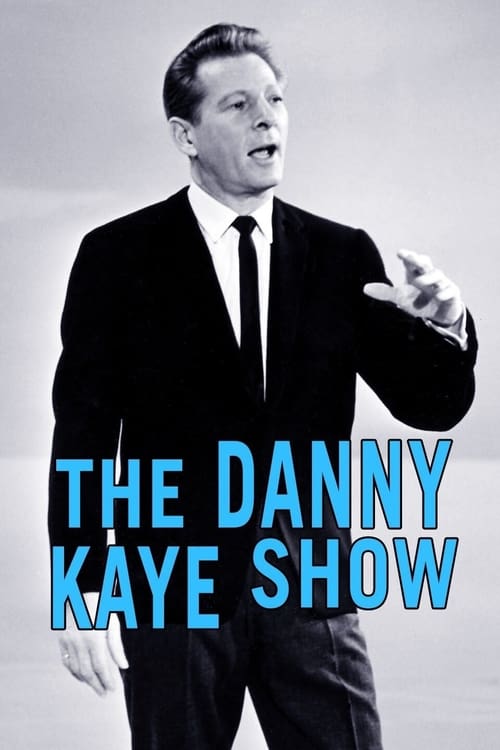
The Danny Kaye Show is an American variety show hosted by Danny Kaye that aired on CBS from 1963 to 1967 on Wednesday nights. Directed by Robert Scheerer, the show premiered in black-and-white, but later switched to color broadcasts. At the time, Kaye was at the height of his popularity, having starred in a string of successful films in the 1940s and '50's, made successful personal appearances at such venues as the London Palladium, and appeared many times on television. His most recent films had been considered disappointing, but the television specials he starred in were triumphant, leading to this series. Prior to his television and film career, Kaye had made a name for himself with his own radio show, and numerous other guest appearances on other shows.
The Danny Kaye Show

When eccentric candy man Willy Wonka promises a lifetime supply of sweets and a tour of his chocolate factory to five lucky kids, penniless Charlie Bucket seeks the golden ticket that will make him a winner.
Willy Wonka & the Chocolate Factory

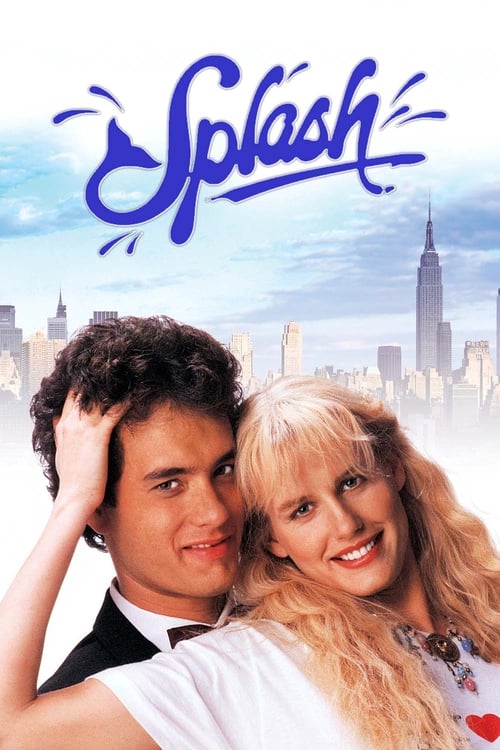
A successful businessman falls in love with the girl of his dreams. There's one big complication though; he's fallen hook, line and sinker for a mermaid.
Splash

No description available.
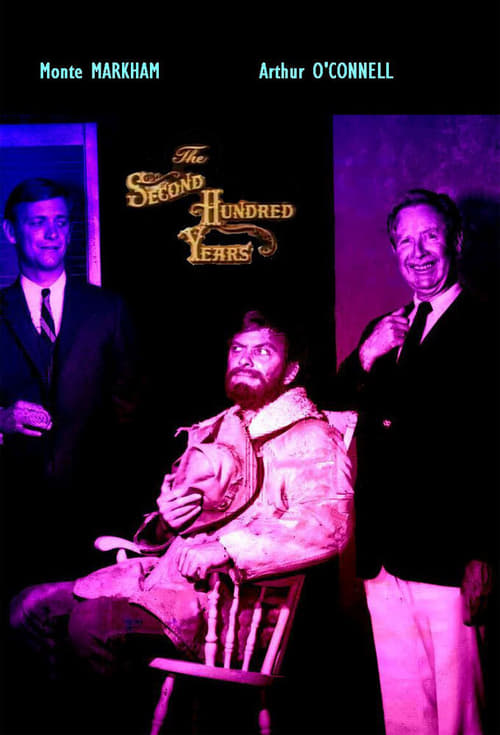
The Second Hundred Years

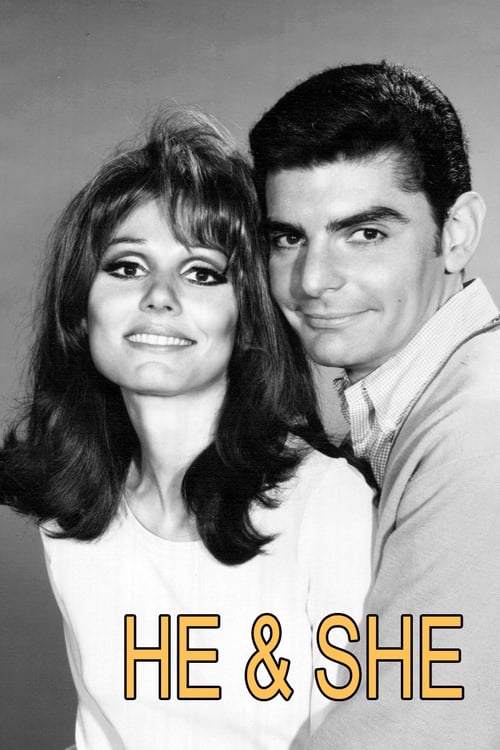
He & She is an American sitcom that aired on the CBS television network as part of its 1967-1968 lineup, originally sponsored by General Foods and Lever Brothers. He & She is widely considered to be ahead of its time by broadcast historians. Its sophisticated approach to comedy was viewed as opening doors to the groundbreaking MTM family of sitcoms of the 1970s, beginning with The Mary Tyler Moore Show in 1970. The character of Oscar was openly the pattern for the Ted Baxter character, for which creator Leonard Stern granted permission. CBS aired reruns of He & She in prime time from June 1970 to September 1970.
He & She
No description available.
The Sandy Duncan Show

Friends Jake and Jack Bull join up with Civil War guerrilla fighters, yet after the realities of war set in, they must decide what honor truly means.
Ride with the Devil

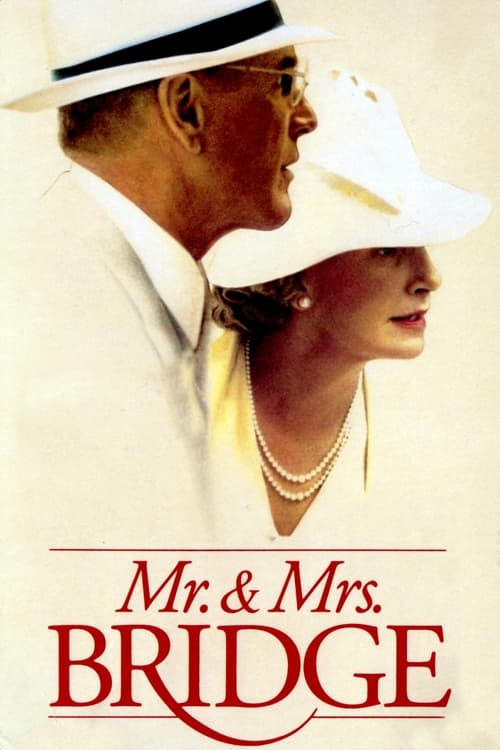
Set during World War II, an upper-class family begins to fall apart due to the conservative nature of the patriarch and the progressive values of his children.
Mr. & Mrs. Bridge

Biographical account of America's President for the latter part of WWII. Shows Truman's rise from small-town nobody to leader of the USA, his decision to use the Atomic Bomb against Japan, and subsequent election as the US' post-war President.