FEEL IT.STREAM
?

Felix Greene

Directing

Biography

Felix Greene (21 May 1909 – 15 June 1985) was a British journalist, author, and documentary filmmaker best known for his extensive film and written reportage on China, Vietnam, Cuba, and other communist countries during the 1960s and 1970s. Educated at Sidcot School and Clare College, Cambridge, Greene began his career at the BBC in the 1930s and later worked as a correspondent and filmmaker at a time when access to many of these regions was restricted for Western journalists. Greene first visited China for the BBC in 1957 and went on to make multiple documentary films based on prolonged stays and extensive travel, including China, One Man’s China, Report from China, Tibet!, and Freedom Railway. His work combined interviews, observational footage, and on-location reporting, and was widely circulated through theatrical screenings, television broadcasts, and educational distribution. Greene’s films and books attracted both praise and criticism for their portrayal of communist societies, and his work remains an important historical record of Cold War–era documentary filmmaking.

Known For

China!
9.0

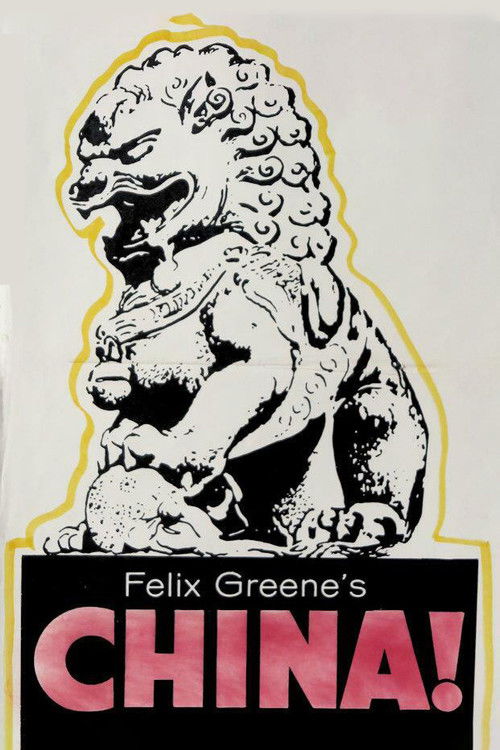
"China!" is a documentary by Felix Greene presenting everyday life in the People’s Republic of China, filmed during extensive travel across the country in the mid-1960s.

China!

1965
Inside North Vietnam
7.0

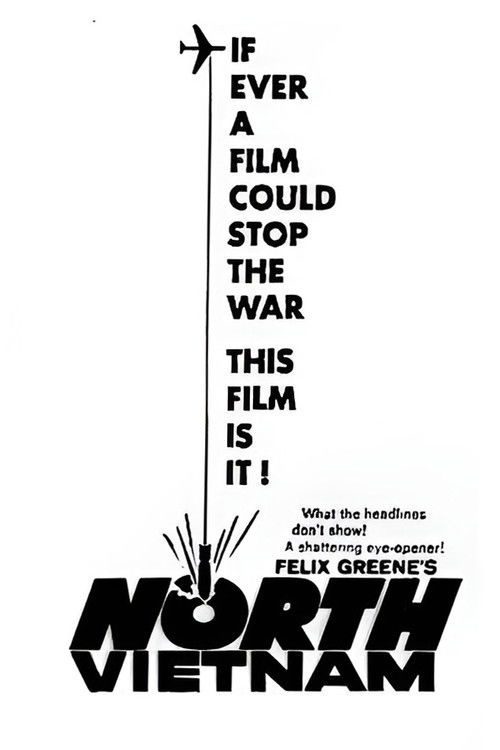
"Inside North Vietnam" is a documentary directed by Felix Greene that documents life in North Vietnam during the Vietnam War, focusing on civilians, rural communities, and reconstruction efforts following U.S. bombing raids. Filmed during Greene’s visit as a Western journalist with rare access to the region, the documentary combines observational footage of everyday life with scenes of damage and recovery, presenting a contemporaneous record of North Vietnamese society during wartime.

Inside North Vietnam

1967
One Tenth of Our Nation
N/A

"One Tenth of Our Nation" is a 1940 documentary directed by Felix Greene that documents the historical and contemporary conditions of African Americans in the southern United States, with a particular focus on education. Produced for the General Education Board, the film contrasts poverty and limited opportunity with educational initiatives at secondary and collegiate levels, tracing Black life from the legacy of slavery and agricultural labor to modern training programs and institutions.

One Tenth of Our Nation

1940
One Man's China
N/A

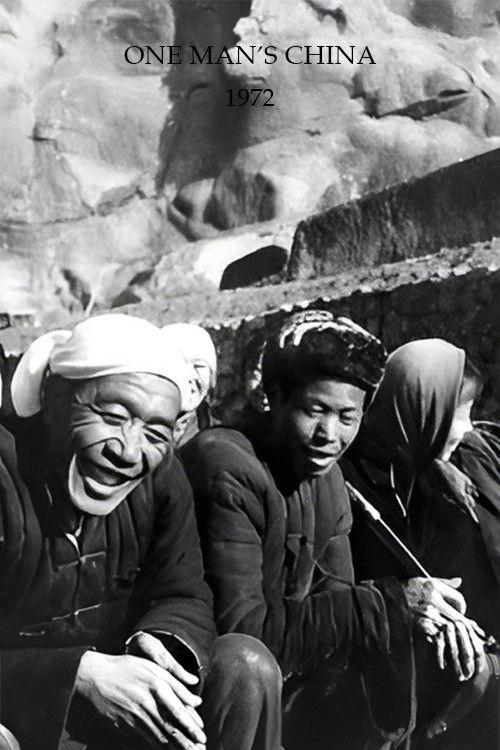
Born in England, Felix Greene first visited China for the BBC. He travelled extensively, often in remote areas to which no Westerner had been for over 20 years. He returned with what is the most complete professional film coverage of China that has been obtained by any Western filmmaker.

One Man's China

1972
Tibet!
N/A

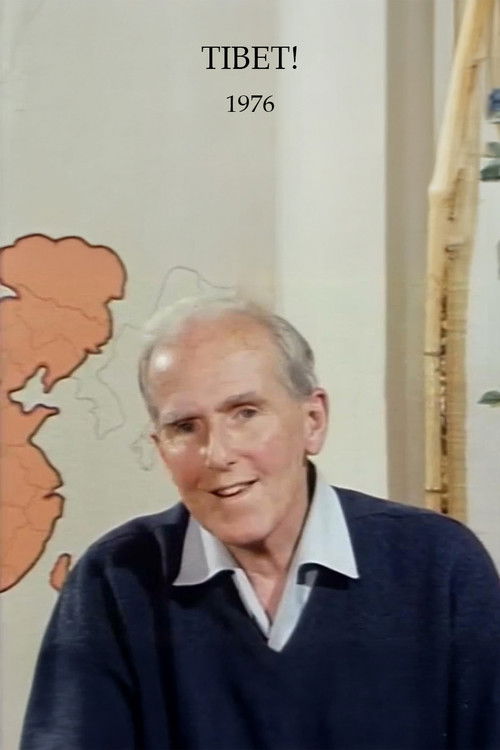
A 1976 color documentary by Felix Greene examining changes in Tibet between 1950 and 1976, made after a period in which few Westerners were reported to have entered the region.

Tibet!

1976
The Freedom Railway
N/A

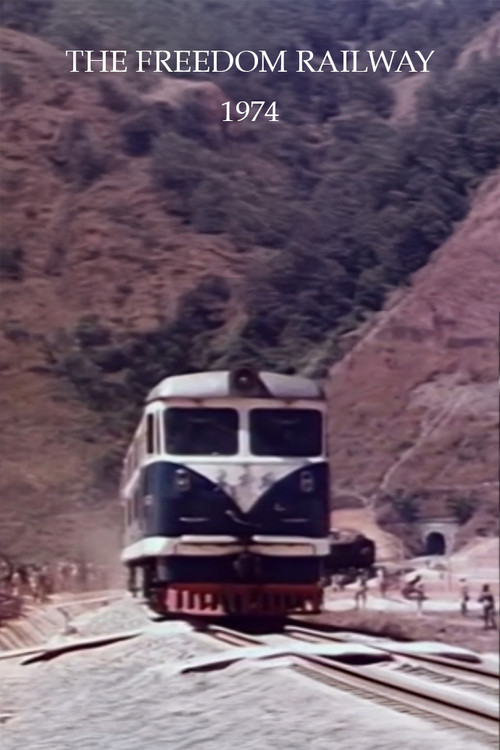
"The Freedom Railway" is a 1974 color documentary directed by Felix Greene that records the construction of the Tan–Zam Railway. Filmed over a two-month period, the documentary focuses on the work of approximately 14,000 Chinese laborers involved in building the railway, presenting an on-site account of the project’s development.

The Freedom Railway

1974
Peking Symphony Orchestra
N/A

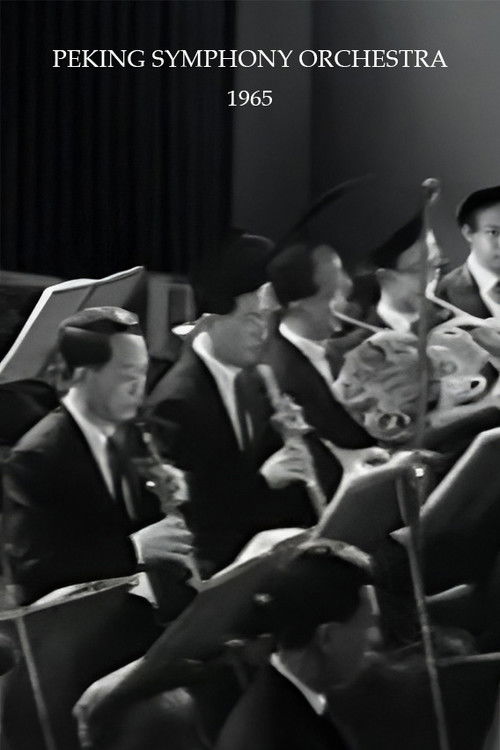
"Peking Symphony Orchestra" is a 1965 black-and-white documentary directed by Felix Greene that records a concert performance by the Peking Symphony Orchestra under the direction of conductor Li Teh-Lun. The film presents orchestral works from the Western classical tradition, including excerpts from Liszt’s Piano Concerto No. 2.

Peking Symphony Orchestra

1965
Cuba va!
8.0

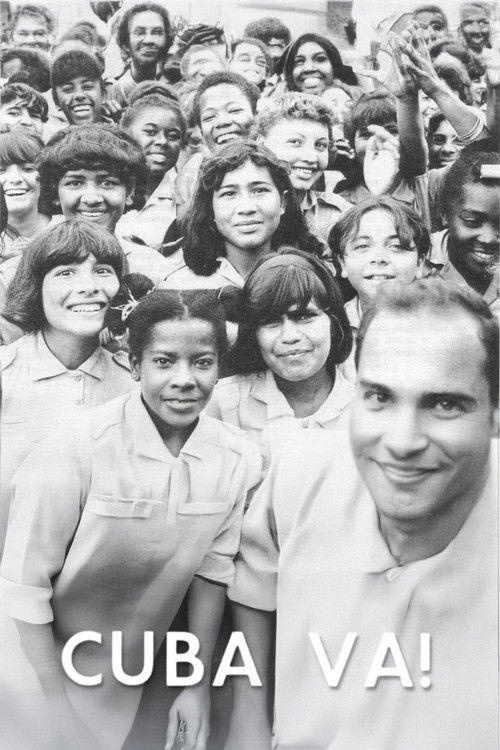
"Cuba va!" is a 1971 color documentary directed by Felix Greene that records social, economic, and cultural life in Cuba more than a decade after the 1959 revolution. Filmed over an extended period, the documentary presents scenes of education, agriculture, industry, healthcare, and the arts, alongside historical footage used for comparison, and includes appearances by Fidel Castro and contemporary Cuban musicians and performers.

Cuba va!

1971