FEEL IT.STREAM
Ariane Mnouchkine

Ariane Mnouchkine

Directing

Biography

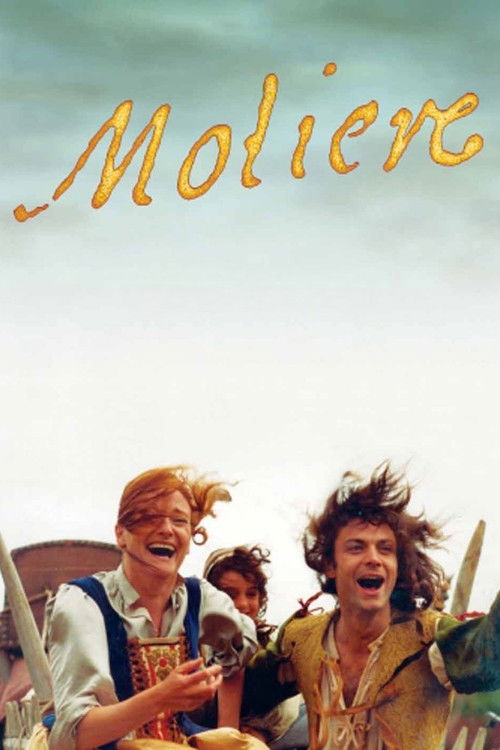
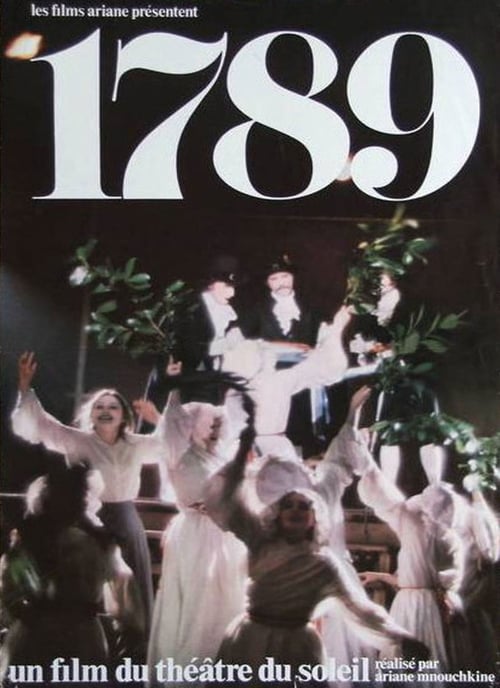
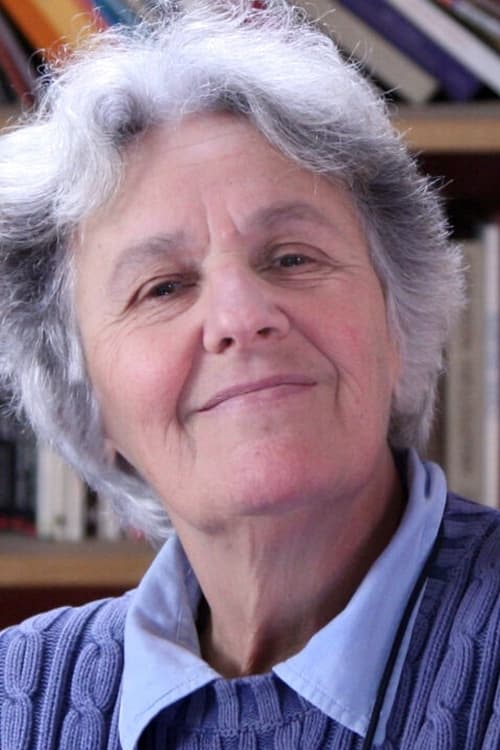
Ariane Mnouchkine (born 3 March 1939) is a French stage director. She founded the Parisian avant-garde stage ensemble Théâtre du Soleil in 1964. She wrote and directed 1789 (1974) and Molière (1978), and directed La Nuit Miraculeuse (1989). She holds a Chair of Artistic Creation at the Collège de France, an Honorary Degree in Performing Arts from the University of Rome III, awarded in 2005 and an Honorary Doctor of Letters from Oxford University, awarded 18 June 2008. Ariane Mnouchkine is the daughter of Jewish Russian film producer Alexandre Mnouchkine and June Hannen (daughter of Nicholas Hannen). Mnouchkine's paternal grandparents, Alexandre and Bronislawa Mnouchkine, were both deported from Drancy to Auschwitz on 17 December 1943, where they were both murdered. Ariane is the namesake of the production company Ariane Films that was founded by her father. Mnouchkine attended Sorbonne University in Paris, France, where she studied Literature. On a year abroad at Oxford University in England, studying English Literature, she joined the Oxford University Dramatic Society, and decided to return to her roots in theatre. She founded the ATEP (Association Théâtrale des Étudiants de Paris or Parisian Students’ Theatrical Association) in 1959 when she returned to the Sorbonne. She continued theatre studies at L'École Internationale de Théâtre Jacques Lecoq, where in 1964 she founded Théâtre du Soleil (Theatre of the Sun) with her fellow students. The theatre collective still continues to create social and political critiques of local and world cultures. Théâtre du Soleil's productions are often performed in found spaces like barns or gymnasiums because Mnouchkine does not like being confined to a typical stage. Similarly, she feels theatre cannot be restricted with the "fourth wall". When audiences enter a Mnouchkine production, they will often find the actors preparing (putting on makeup, getting into costume) right before their eyes. In 1971, Mnouchkine signed the Manifesto of the 343, publicly announcing she had an illegal abortion. Mnouchkine has developed her own works, like the political-themed 1789, as well as numerous classical texts like Molière's Don Juan or Tartuffe. Between 1981 and 1984, she translated and directed a series of William Shakespeare plays: Richard II, Twelfth Night, and Henry IV, Part 1. While she developed the shows one at a time, when she finished Henry IV, she toured the three together as a cycle of plays. Similarly, she developed Iphigenia by Euripides and the Oresteia (Agamemnon, Choephori, and The Eumenides) by Aeschylus between 1990–92. ... Source: Article "Ariane Mnouchkine" from Wikipedia in English, licensed under CC-BY-SA 3.0.

Known For

The Castaways of the Fol Espoir
6.2

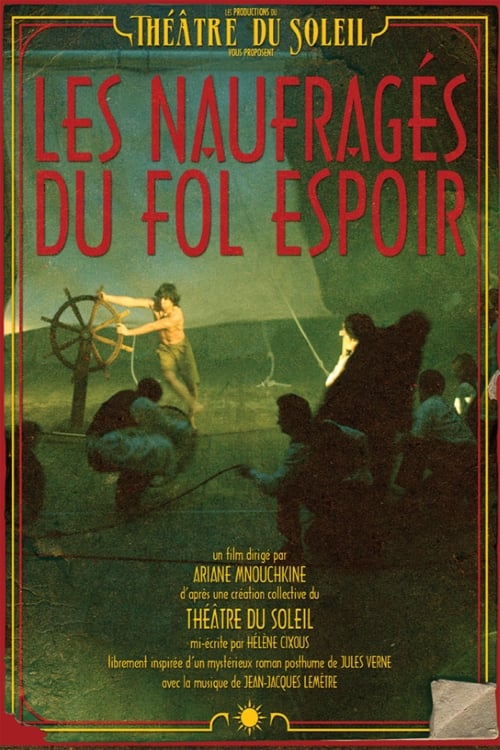
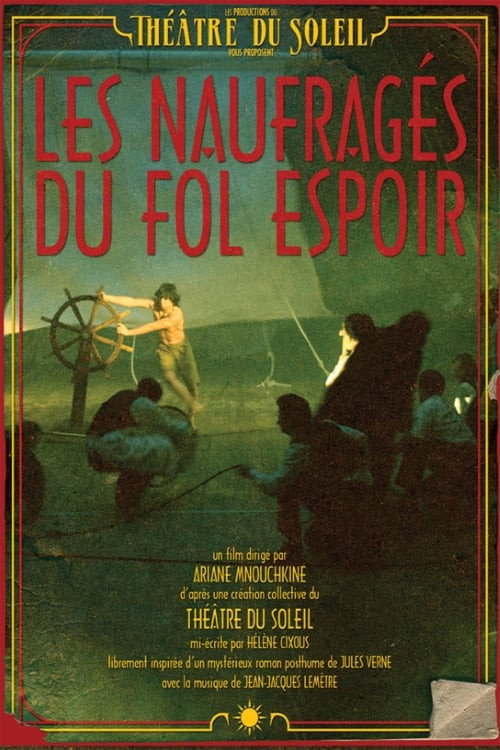
A film-crew in the early twentieth century, the cabaret known as ‘Le Fol Espoir’ has been transformed into an amateur soundstage. The motion picture tells the story of a ship and its passengers – from the famous opera singer down to the petty criminal. The film is an optimistic political fable intended to educate the masses. There’s comedy aplenty – slapstick punches, custard pies and gags reminiscent of Buster Keaton and Fatty Arbuckle; there’s adventure, high drama moments of great bravura , and passionate love stories. The filming begins on June 28th 1914, the day of the Archiduke Franz Ferdinand’s assassination in Sarajevo, the gunpowder that sets Europe alight. It ends with news of another assassination – that of Jean Jaures on July 31st followed by the general conscription of August 1st, heralded by church bells across France. The allegory of the shipwreck is filmed at breakneck pace during the last five weeks before war breaks out.

The Castaways of the Fol Espoir

2014Movie
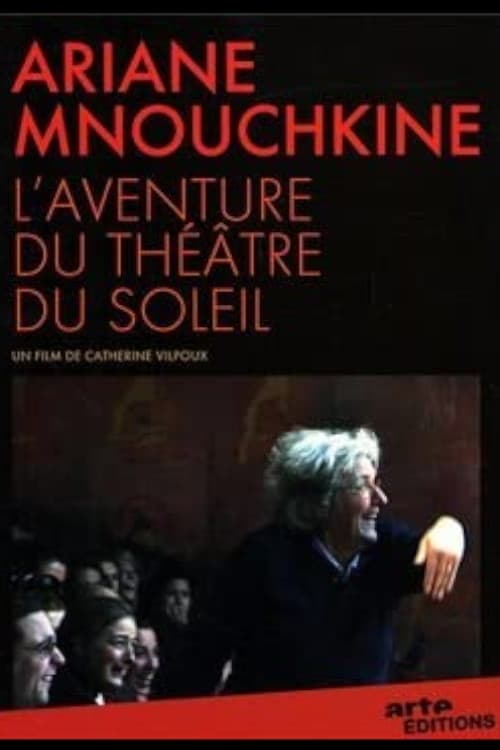
Ariane Mnouchkine - L'aventure du Théâtre du Soleil

In this film, Catherine Vilpoux recounts Ariane Mnouchkine’s iconic artistic journey: her inspirations, her dreams for the theatre, her love of cinema, her unique and extraordinary bond with audiences. Extensive archival material – much of which has never been seen before – together with extracts from performances and rehearsals, as well as interviews and coverage of various tours and travels, reveal an in-depth portrait of the Théâtre du Soleil, and its artistic and political commitment both in France and internationally, for which it was awarded the International Ibsen Award in September 2009. Everyone who has seen one of Ariane Mnouchkine’s productions at the Théatre du Soleil in Paris leaves with the feeling of having been part of a tale of enchantment. A tale that is larger than life but at the same time reveals life.

Ariane Mnouchkine - L'aventure du Théâtre du Soleil

2009Movie
The Castaways of the Fol Espoir

A film crew in the early twentieth century, the cabaret known as ‘Le Fol Espoir’ has been transformed into an amateur soundstage. The motion picture tells the story of a ship and its passengers – from the famous opera singer down to the petty criminal. The film is an optimistic political fable intended to educate the masses. There’s comedy aplenty – slapstick punches, custard pies and gags reminiscent of Buster Keaton and Fatty Arbuckle; there’s adventure, high drama moments of great bravura , and passionate love stories. The filming begins on June 28th 1914, the day of the Archiduke Franz Ferdinand’s assassination in Sarajevo, the gunpowder that sets Europe alight. It ends with news of another assassination – that of Jean Jaures on July 31st followed by the general conscription of August 1st, heralded by church bells across France. The allegory of the shipwreck is filmed at breakneck pace during the last five weeks before war breaks out.

The Castaways of the Fol Espoir

2014Series
Lepage au Soleil: The origin of Kanata

In the spring of 2016, for the first time in 54 years, Ariane Mnouchkine entrusts her troupe, the Théâtre du Soleil, to another director. Robert Lepage then embarks on the creation of Kanata, a work that imagines the meeting of Europeans with First Nations people in Canada over two centuries. Lepage au Soleil: The origin of Kanata shows how, the 36 comedians from 11 different countries, discover in their own stories astonishing resonance with those of the natives. How, inspired by the cosmopolitanism of comedians, Robert Lepage tries to get them to talk about their own stories through those of the natives. The documentary plunges into the heart of a theatrical creation in search of universality turned upside down by a media scandal even before its premiere.

Lepage au Soleil: The origin of Kanata

2019Movie