FEEL IT.STREAM
Sacha Pitoëff

Sacha Pitoëff

Acting

Biography

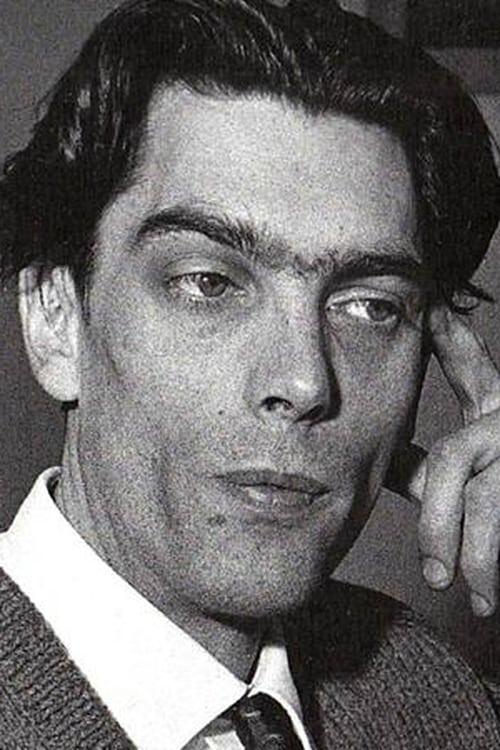
Sacha Pitoëff (born Alexandre Pitoëff; 11 March 1920 – 21 July 1990) was a Swiss-born French actor and stage director. Pitoëff was born in Geneva, Switzerland, on 11 March 1920, the son of Russian-born parents Ludmilla (née Smanova) and Georges Pitoëff. Both of his parents were born in the city of Tbilisi (in modern-day Georgia), then a part of the Russian Empire. The Pitoëffs were prominent actors in France, Georges was a founding member of the Cartel des Quatre (Group of Four), a group including Louis Jouvet, Charles Dullin, and Gaston Baty, dedicated to rejuvenating the French theatre. Sacha graduated from Lycée Pasteur in Neuilly-sur-Seine, outside Paris. He studied acting and stage direction under Jouvet at the Théâtre de l'Athénée. During World War II, the younger Pitoëff followed his mother back to Switzerland, where he played his earliest roles. After the war he returned to Paris, becoming general manager at the Théâtre des Bouffes du Nord. He made his directorial debut with a 1950 staging of Uncle Vanya, which proved both a critical and commercial success. He became a fixture of Parisian theatre in the 1960s, becoming the director of his own troupe. His repertoire included works by Jean Genet, Eugène Ionesco, Hugo Claus, Robert Musil, Anna Langfus and Anton Chekhov. With Romy Schneider, he staged The Seagull, Uncle Vanya and Three Sisters at Théâtre de l'Œuvre. In 1967, he achieved his greatest success with a well-regarded production of Luigi Pirandello's Henry IV, which he directed and starred in, with Claude Jade. Pitoëff played his first film role in 1952, in the omnibus film The Seven Deadly Sins. Appearing in over 50 films, he is probably best known for his performance in Alain Resnais's enigmatic Last Year at Marienbad (1960), as the unnamed man who may or may not be Delphine Seyrig's husband. He was featured in roles of various sizes in such films as Henri-Georges Clouzot's Les Espions (1957), Peter Ustinov's Lady L (1965), René Clément's Is Paris Burning? (1966), and Jacques Demy's Donkey Skin (1970). He also appeared in several Hollywood productions, including Anatole Litvak's Anastasia (1956) and The Night of the Generals (1967), Mark Robson's The Prize (1963) and Dick Clement's To Catch a Spy (1971). Toward the end of his acting career, he began appearing in horror films. His final role was as the bookseller Kazanian in Dario Argento's Inferno (1980). For the last ten years of his life, Pitoëff was a professor at the National School of Theatre Arts and Techniques (ENSATT) in Lyon, where his students included Gérard Depardieu, Jean-Roger Milo and Niels Arestrup. Pitoëff was married to French actress Luce Garcia-Ville, until her death by suicide in 1975. He had two siblings, actress Svetlana Pitoëff and writer Aniouta Pitoeff. His height and distinctively-gaunt, lanky appearance may have been a consequence of Marfan syndrome. Having suffered from depression in the final years of his life, he died in Paris at Pitié-Salpêtrière Hospital on 21 July 1990, at the age of 70. Source: Article "Sacha Pitoëff" from Wikipedia in English, licensed under CC-BY-SA 3.0.
Known For

The New Avengers
7.1

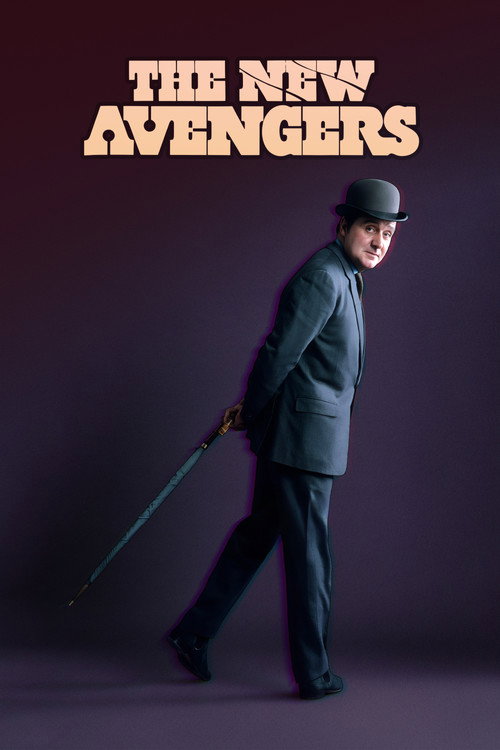
The New Avengers is a British secret agent fantasy adventure television series broadcast during 1976 and 1977. It is a sequel to the 1960s series The Avengers and was developed by Albert Fennell and Brian Clemens. A joint United Kingdom-France-Canada production, the show picks up the adventures of John Steed and his team of Avengers fighting evil plots and world domination. Whereas in the original series Steed had almost always been partnered with a woman, in the new series he had two partners: Mike Gambit, a top agent, crack marksman and trained martial artist, and Purdey, a former trainee with The Royal Ballet who was an amalgam of many of the best talents from Steed's previous female partners.

The New Avengers

1976
No image
6.0

No description available.

Samedi soir

1971
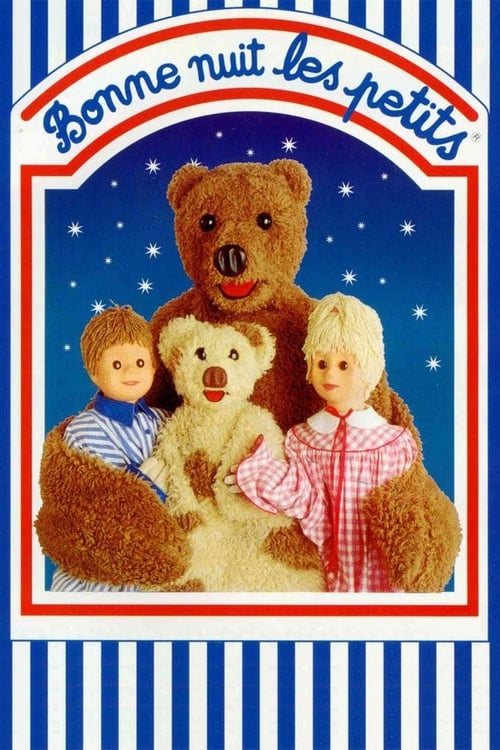
Bonne nuit les petits
6.4

No description available.

Bonne nuit les petits

1962
Graf Yoster gibt sich die Ehre
6.5

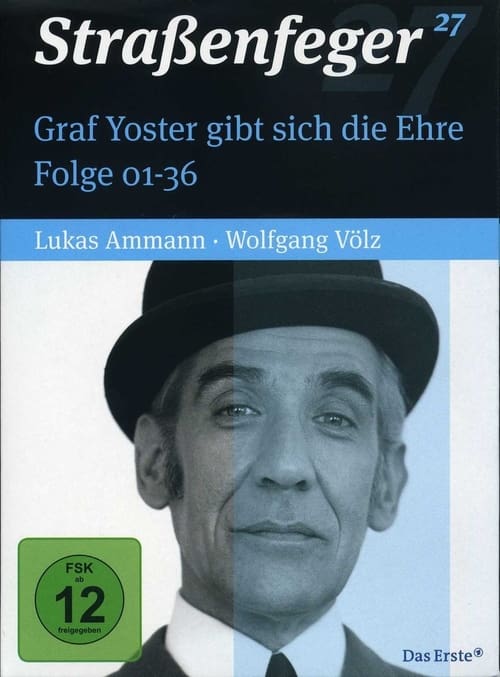
Graf Yoster gibt sich die Ehre [French title: Le comte Yoster a bien l'honneur] is a TV series which followed the adventures of the title’s amateur gentleman detective. It was a success in particular in Germany and in France. Originally the show was a German production in black-and-white but it evolved into a European co-production in colour.

Graf Yoster gibt sich die Ehre

1967
Sherlock Holmes
7.2

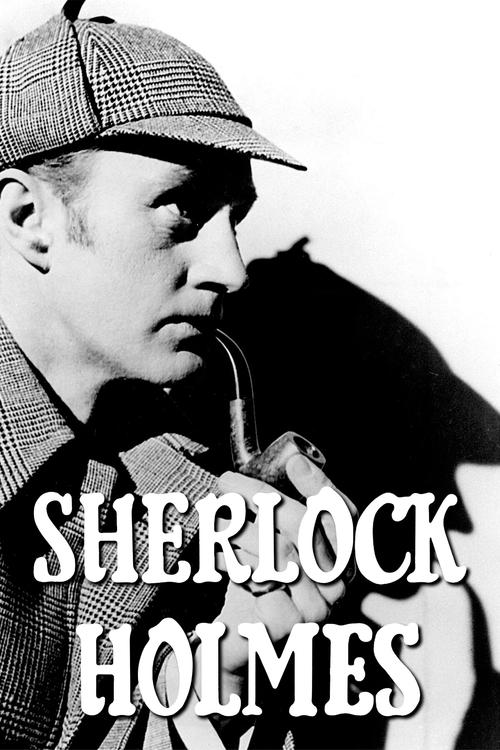
The first American television series of Sherlock Holmes adventures aired in syndication in the fall of 1954. The 39 half-hour mostly original stories were produced by Sheldon Reynolds and filmed in France by Guild Films, starring Ronald Howard as Holmes and Howard Marion Crawford as Watson. Archie Duncan appeared in many episodes as Inspector Lestrade. Richard Larke, billed as Kenneth Richards, played Sgt. Wilkins in about fifteen episodes. The series' associate producer, Nicole Milinaire, was one of the first women to attain a senior production role in a television series.

Sherlock Holmes

1954
Graf Luckner
10.0

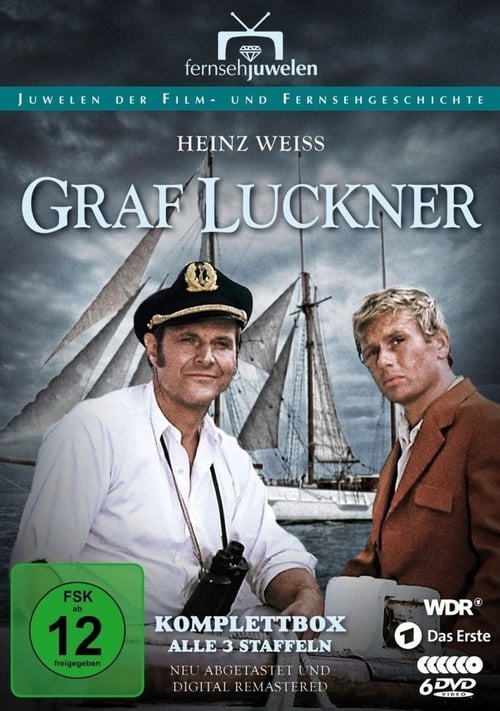
Between the first and second World Wars, we portray glorified and renown naval sea officer Felix Graf von Lucker and his fictitious ship Niobe, which is the 1887 built Amphitrite from Southampton. Von Luckner is famous for his tactical genius in the first World War, especially sinking 14 enemy ships and only losing one crewman, whilst always seeking a peaceful outcome - making him the ideal seaman.

Graf Luckner

1971
Donkey Skin
7.2

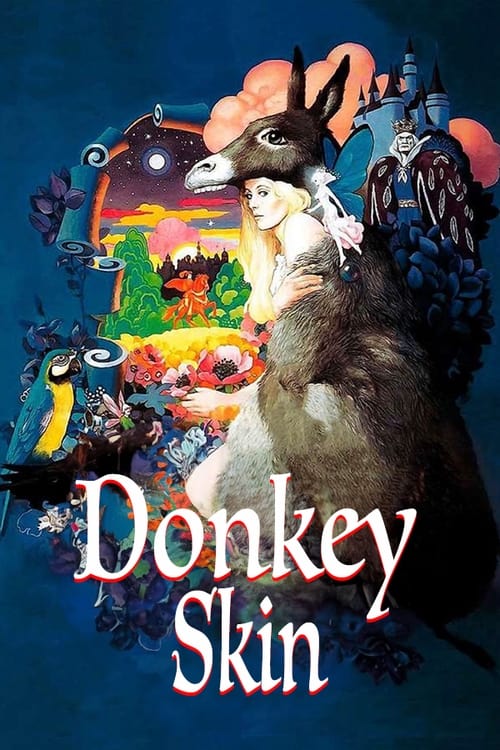
A fairy godmother helps a princess disguise herself so she won't have to marry her father.

Donkey Skin

1970
Last Year at Marienbad
7.4

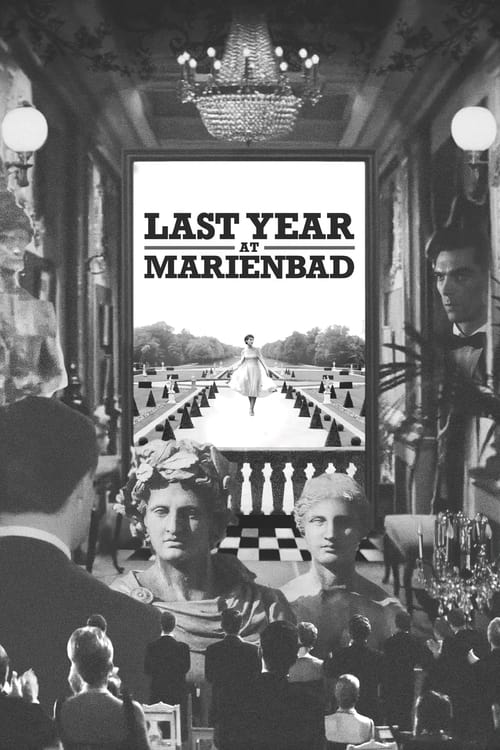
At a weekend gathering, a man tells a woman that they had spent time there together a year prior. But, the woman has no recollection whatsoever and is convinced that he is simply fabricating the encounter. The more he speaks about their activities the previous year however, the more compelling he becomes. The question remains however – did they meet previously or not?

Last Year at Marienbad

1961
Is Paris Burning?
7.2

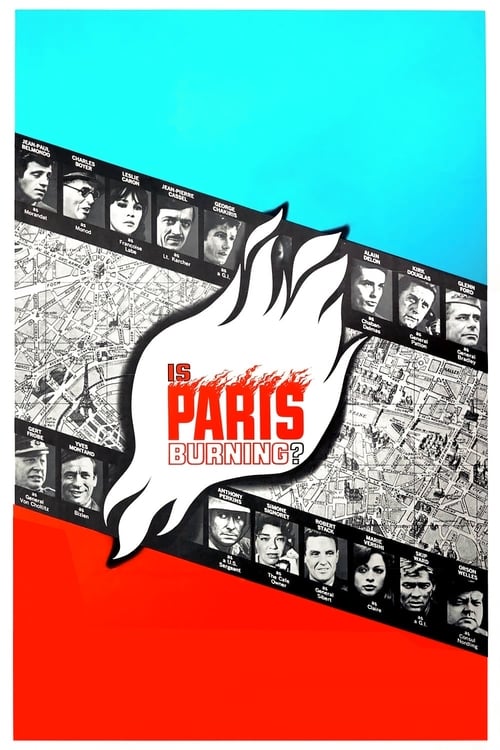
Near the end of World War II, Gen. Dietrich von Choltitz receives orders to burn down Paris if it becomes clear the Allies are going to invade, or if he cannot maintain control of the city. After much contemplation Choltitz decides to ignore his orders, enraging the Germans and giving hope to various resistance factions that the city will be liberated. Choltitz, along with Swedish diplomat Raoul Nordling, helps a resistance leader organize his forces.

Is Paris Burning?

1966
The Night of the Generals
6.8

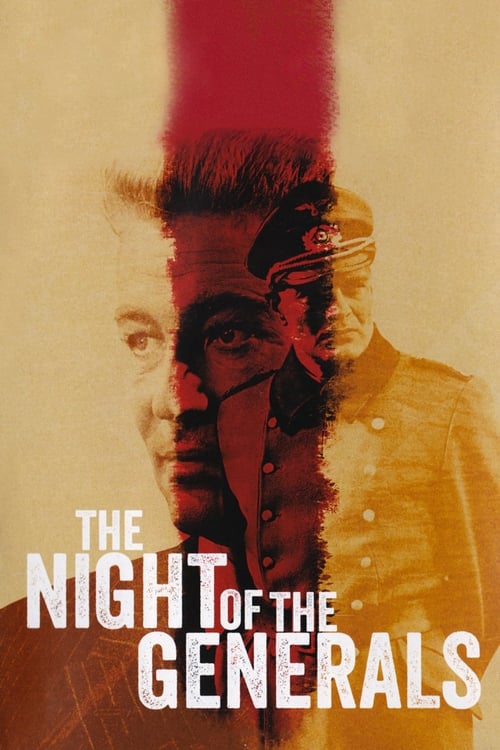
A German intelligence officer investigates a prostitute's killing in Warsaw during World War II. He lands on three major Nazi generals as suspects, two of whom are also involved in a plot to kill Adolf Hitler.

The Night of the Generals

1967
Inferno
6.6

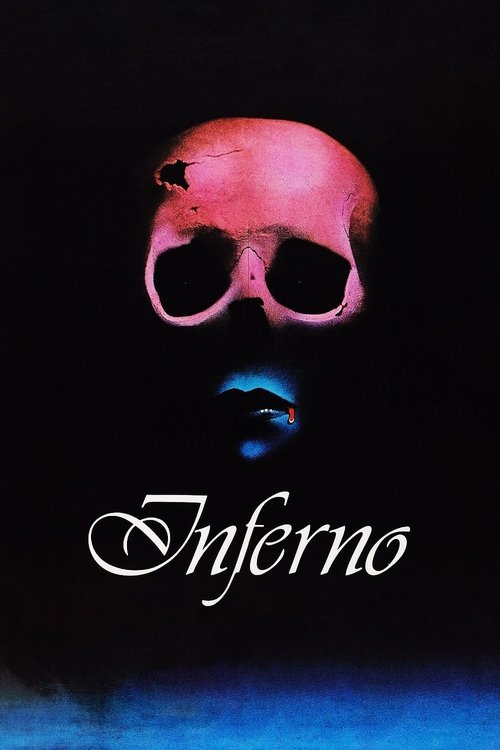
A young man returns from Rome to his sister's satanic New York apartment house.

Inferno

1980
The Prize
6.7

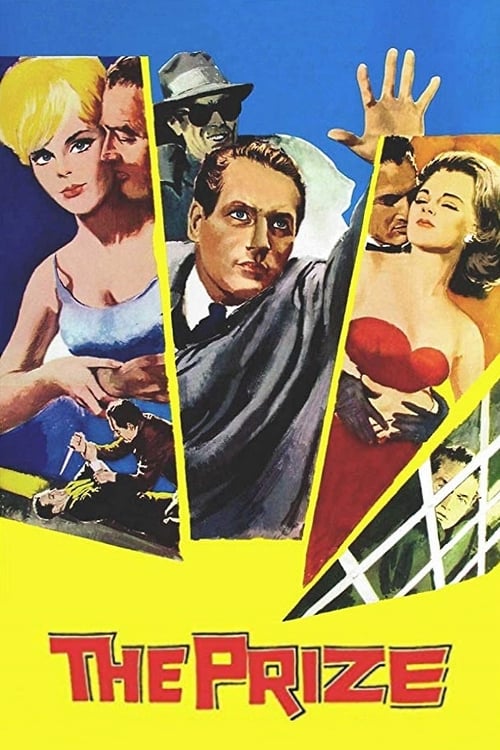
A group of Nobel laureates descends on Stockholm to accept their awards. Among them is American novelist Andrew Craig, a former literary luminary now writing pulp detective stories to earn a living. Craig, who is infamous for his drinking and womanizing, formulates a wild theory that physics prize winner Dr. Max Stratman has been replaced by an impostor, embroiling Craig and his chaperone in a Cold War kidnapping plot.

The Prize

1963
Lagardère
8.0

Lagardère is a French miniseries consisting of six 50-minute episodes, created by Marcel Jullian based on Paul Féval's novel Le Bossu (the eighth film adaptation outside of theater, out of 10 known adaptations), and some of the sequels imagined by Paul Féval Jr.1, directed by Jean-Pierre Decourt, and broadcast from September 20 to October 25, 1967, on the first channel of ORTF.

Lagardère

1967
Schulmeister, l'espion de l'Empereur
8.5

Schulmeister, l’espion de l’empereur (Schulmeister, the Emperor's Spy) is a French historical adventure television series consisting of 13 episodes (1971–1974), inspired by the real life of Charles Louis Schulmeister, a famous spy in the service of Napoleon I. It alternates between historical facts and fiction, offering a fictionalized portrait of a cunning spy, loyal to Napoleon, and always ready to turn a situation to his advantage.

Schulmeister, l'espion de l'Empereur

1971
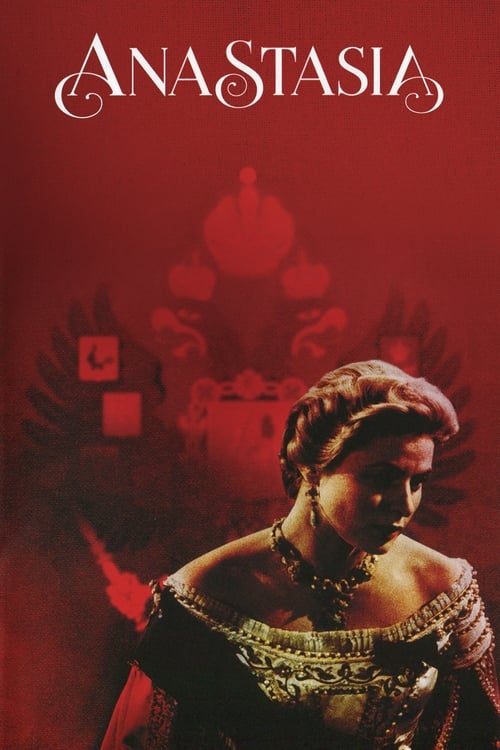
Anastasia
6.8

Russian exiles in Paris plot to collect ten million pounds from the Bank of England by grooming a destitute, suicidal girl to pose as heir to the Russian throne. While Bounin is coaching her, he comes to believe that she is really Anastasia. In the end, the Empress must decide her claim.

Anastasia

1956
The Spies
6.6

A doctor at a run-down psychiatric hospital is offered a large sum of money to shelter a new patient. Soon the place is full of suspicious and secretive characters, all apparently international secret agents trying to find out who and what the patient is.

The Spies

1957
La Poupée sanglante
8.5

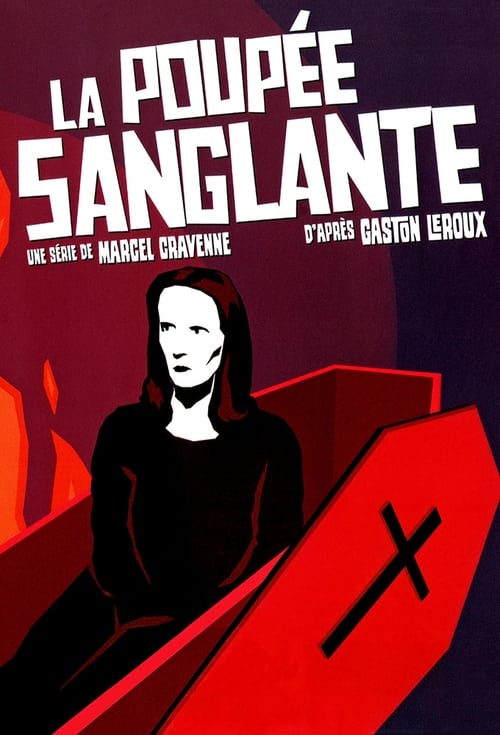
Paris, 1925. Bénédict Masson, bookbinder and poet, is secretly in love with his neighbor, Christine. Christine works at the strange Coulteray mansion where the marquise accuses her husband of being a vampire. But Bénédict has other preoccupations: six of his apprentices have disappeared without a trace.

La Poupée sanglante

1976
Lady L
5.8

Lady L is an elegant 80-year-old woman who recalls her amorous life story, including past loves and lusty, scandalous adventures she has lived through.

Lady L

1965
Les Grands Détectives
9.0

No description available.

Les Grands Détectives

1975
Vengeance of the Three Musketeers
6.9

To avenge her defeat and with the help of the Cardinal's army leader Rochefort, the treacherous Milady de Winter kidnaps both D'Artagnan and Constance, in order to spur a war between the French and the English, as per the Cardinal's wish.

Vengeance of the Three Musketeers

1961