Patrick Dewaere
Acting
Biography
Patrick Dewaere (26 January 1947 – 16 July 1982) was a French film actor. Born in Saint-Brieuc, Côtes-d'Armor, he was the son of French actress Mado Maurin. An actor from a young age, his career lasted more than 21 years until his suicide in Paris, in 1982. Patrick Dewaere was the third child of an actor's family. His biological father, Michel Têtard, was a lyricist who had an affair with Dewaere's mother, Mado Maurin, who was married to Pierre-Marie Bourdeaux. Dewaere grew up believing Bourdeaux was his biological father. After Dewaere's parents divorced, his mother remarried Georges Collignon, who sexually abused Dewaere as a child. Under the direction of his mother, Dewaere, his four brothers and his sister performed in movies and television series. The family lived in Paris. Dewaere attended the Cours Hattemer, a private school. One of his first TV appearances was in 1961, when he was 14 years old. He appeared in a video for the song "Nuits d'Espagne" by Dalida. Later, he was a promising and popular French actor in the late 1960s and 1970s. At the age of 17, Dewaere learned that he was not the biological child of his mother’s ex-husband, Pierre-Marie Bourdeaux, but that of conductor and singer Michel Têtard. In 1968, he took the name of "Dewaere" which his maternal great-grandmother inspired him. A year earlier, he had met his first wife, Sotha, an actress who co-founded the Café de la Gare, an experimental theatre. They separated in 1970 but remained married for eleven years. From 1968, he collaborated with the Café de la Gare, where he met Miou-Miou and Gérard Depardieu, with whom he made a breakthrough after many secondary roles in various films, in the scandalous comedy Going Places. Miou-Miou became Dewaere’s companion and the mother of his daughter Angèle (1974). She left Dewaere for singer Julien Clerc, shortly before the shooting of F...like Fairbanks, in which both play a couple in separation. Patrick Dewaere became one of the most popular actors in French cinema in the 1970s. Between 1977 and 1982, he was nominated five times to the Césars in the "Best Actor" category, the most important award in France. In his work, Dewaere was restless and very conscientious, which may have caused his depressed mood. He also had serious drug problems, and it is known that he had been sexually abused as a child. He consolidated his status as a savage and ruthless actor in Alain Corneau’s cult film Série noire (1979). In his roles, Dewaere was long attached to the kind of young rebel. Only in his later films did his comic and dramatic diversity manifest itself. He often worked with director Bertrand Blier. In 1980, Dewaere hit a journalist who had announced against his will his union with Elsa Chalier. Subsequently, the actor was ignored by the French press, his name was even abbreviated with his initials (P.D). For eleven years Dewaere was married to French actress Sotha. In the early 1970s, he became the companion of French actress Miou-Miou, until they separated in 1976. They had one daughter. Shortly before the release of Paradis Pour Tous (1982), a black comedy where his character tries to commit suicide, the actor shot himself in his house in Paris. He was 35 years old. ... Source: Article "Patrick Dewaere" from Wikipedia in English, licensed under CC-BY-SA.
Known For

No description available.
Champs-Elysées

A talk show presented by Michel Drucker
Les Rendez-vous du dimanche

Marcello Mastroianni, Isabelle Adjani, Alain Delon, Martin Scorsese, Woody Allen... the biggest stars in cinema were welcomed by Christian Defaye on his show Spécial cinéma. Between intimate confessions from actors and immersion in the world of the greatest filmmakers, Christian Defaye took viewers on a journey into the fascinating world of cinema for nearly thirty years.
Spécial cinéma

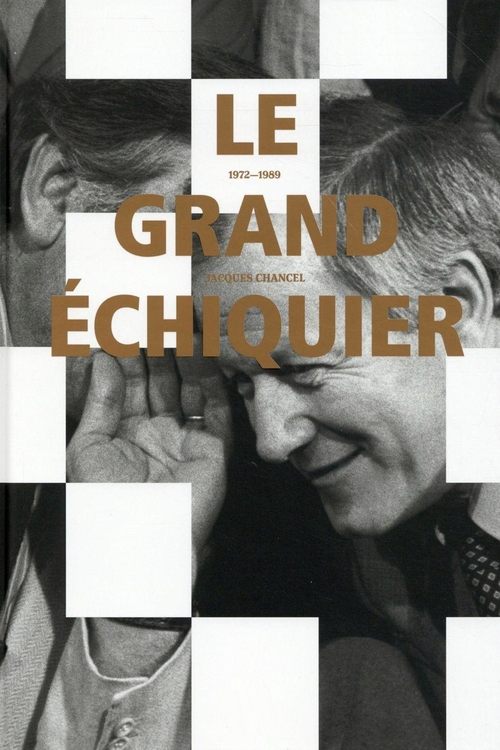
Le Grand Échiquier is a French variety television program created and presented by Jacques Chancel. It aired at 8:30 pm on the first channel of the ORTF from January 12, 1972 to July 12, 1972, then on the second color channel of the ORTF from September 1972 to December 1974, and finally on Antenne 2 from January 1975 to December 21, 1989. The program returned to France 2 on December 20, 2018 and is hosted by Anne-Sophie Lapix.
Le Grand Échiquier

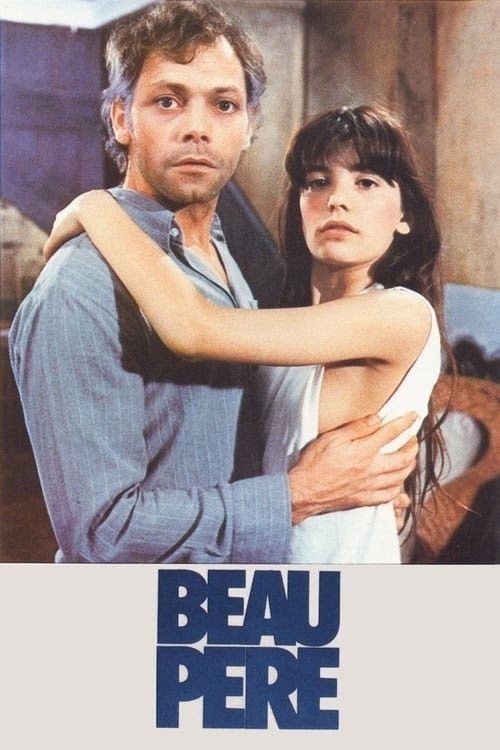
Rémi is a man trapped in a deteriorating marriage. When his wife is unexpectedly killed in a car accident, Rémi is left with his stepdaughter, Marion, who chooses to stay with him rather than live with her birth father. After the initial shock passes, Rémi is caught off-guard when Marion begins expressing her attraction to him. Initially repulsed, Marion's mature beauty wears him down as he finally caves to her seductions.
Beau Pere

No description available.
À bout portant

No description available.
Il était une fois Champs-Élysées

Two whimsical, aimless thugs harass and assault women, steal, murder, and alternately charm, fight, or sprint their way out of trouble. They take whatever the bourgeoisie holds dear, whether it’s cars, peace of mind, or daughters. Marie-Ange, a jaded, passive hairdresser, joins them as lover, cook, and mother confessor. She’s on her own search for seemingly unattainable sexual pleasure.
Going Places

In France in the near future, revolt and chaos erupt. A right-wing politician, Philippe Muphand, is set to take control when his lady friend Caroline walks out, announcing she will take up with the first fool she sees. The fool is Serge Laine, a professor and author of the prize-winning "Le voyage qui ne finit pas," headed to the train station for tickets to Barcelona where he and his wife will enjoy a second honeymoon and he will lecture at the university. Caroline seduces Serge, and he soon abandons wife, family, job, and honesty to embrace Caroline, the romanticism of Jack London, and murder.
Heat of Desire

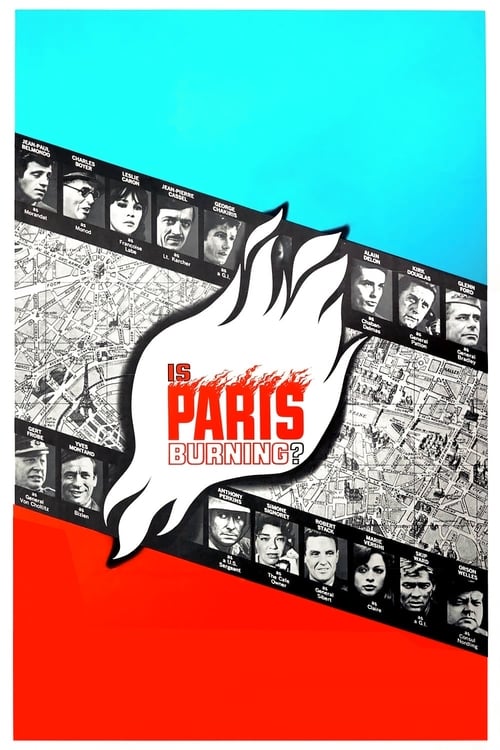
Near the end of World War II, Gen. Dietrich von Choltitz receives orders to burn down Paris if it becomes clear the Allies are going to invade, or if he cannot maintain control of the city. After much contemplation Choltitz decides to ignore his orders, enraging the Germans and giving hope to various resistance factions that the city will be liberated. Choltitz, along with Swedish diplomat Raoul Nordling, helps a resistance leader organize his forces.
Is Paris Burning?

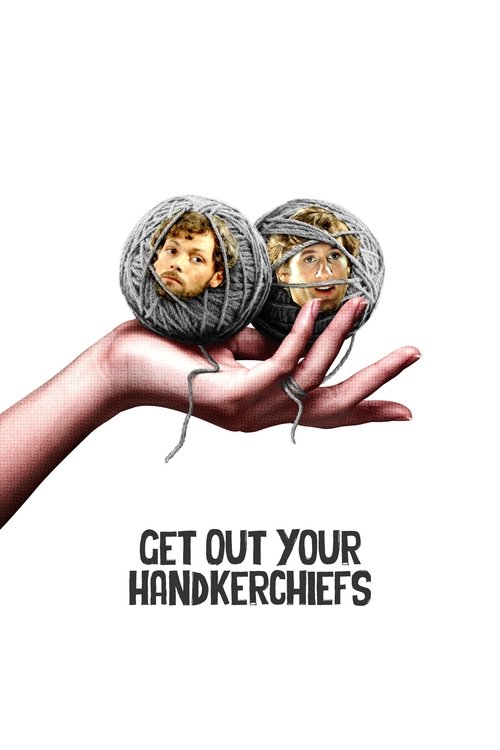
Solange is seriously depressed, and her kindhearted husband, Raoul, makes it his mission to cure her doldrums. After many failed attempts to cheer her up, Raoul hits upon a possible solution: find his wife a lover. Unfortunately, his choice, Stéphane, proves to be just as ineffectual in restoring her flagging spirits. In the end, the gorgeous Solange finds her own, highly problematic tonic to her troubles in the form of a 13-year-old boy.
Get Out Your Handkerchiefs

Marc runs a psychotherapy course at a large country house belonging to his wife Colette. His clients are depressed and his job is to cure them of their neuroses.
Psy

Mario, a rich and eccentric war hero befriends Marco, a loner with a sailboat, and takes him home to meet his estranged wife Cleofe and sexually repressed sister in law Matilde. Mario confesses his love for Matilde and so ensues a love triangle.
The Bishop's Bedroom

In May 1974, Valéry Giscard d'Estaing became President of the Republic and wanted to bring about a new era of modernity. One of his first decisions was to break up the ORTF with the creation of three new television channels: TF1, Antenne 2 and FR3. Three new public channels but autonomous and competing. It is a race for the audience which is engaged then, and from now on the channels will make the war! This competition will give birth to a real golden age for television programs, with variety shows in the forefront. The stars of the song are going to invade the living rooms of the French for their biggest pleasure. This unedited documentary tells the story of the metamorphosis of this television of the early 1970s, between freedom of tone, scandals, political intrigues and programs that have become mythical.
La TV des 70's : Quand Giscard était président

A young journalist uncovers an assassination disguised as a suicide, linked to an American multinational seeking to dominate French industries. Determined to expose the truth, he races against time to gather evidence before more lives—and his own—are at stake.
A Thousand Billion Dollars

We thought we'd seen, read, and heard everything there was to see about the Cannes Film Festival, from the glitz and gossip to the scandals and censorship. And yet, Emmanuel Barnault's "Morceaux de Cannes" (Pieces of Cannes), by this leading expert on Italian and French cinema, convinces us otherwise. The third largest event in the world (after the Olympic Games and the FIFA World Cup) reveals its secrets only sparingly, as this film attests. The result of passionate research in the INA archives, these 52 minutes, without interviews or voice-over narration, string together rare and sometimes previously unseen footage. Taken together, they tell a surprising, original, and heartwarming story of the Festival. On the beach, on a street corner, in a restaurant, or in the privacy of a hotel room, these forgotten archives summon the greatest filmmakers, actors, and actresses of the last seventy years, from Jean Cocteau to David Lynch, for an anthology of the Festival's history.
Morceaux de Cannes

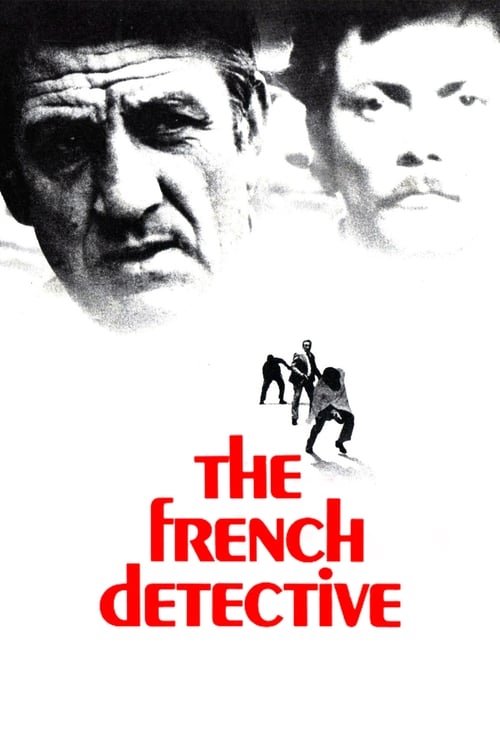
When political thugs murder an opponent's volunteer and also kill a cop, chief inspector Verjeat believes the politician who hired them is as guilty as the murderous goon. Verjeat's pursuit of the councilman, Lardatte, gets him a warning from his superiors. When he embarrasses Lardatte while disarming a hostage (the dead volunteer's father), Verjeat is told he's being transferred within a week. He speeds up his hunt for the goon and, with Lefévre, one of his young detectives, he engineers a complicated scheme to buy more time before the transfer. How should Verjeat play out his values of honor and duty?
The French Detective

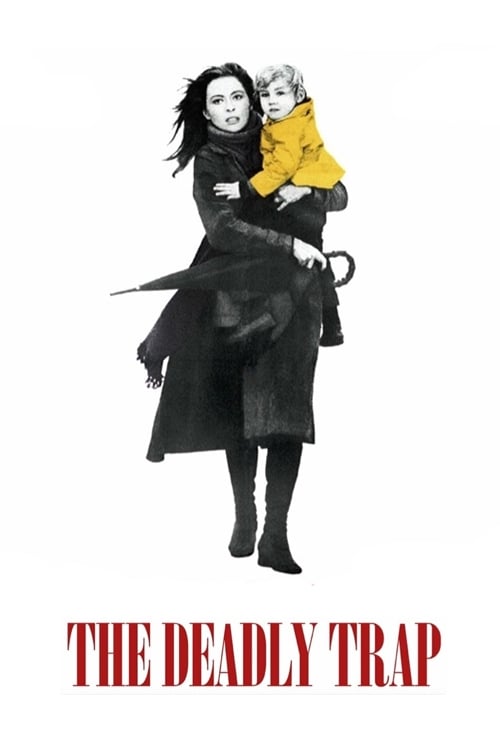
An industrial espionage group calls on a retired spy living with his wife and children in Paris.
The Deadly Trap

A tremendous congestion hits the Rome highway ring. The biggest traffic jam ever seen lasts more than 36 hours. At the beginning the people blocked in their cars react normally. But as more time passes, the more we witness personal dramas, hysteric reactions and other grotesque situations. All the episodes are linked as if in a single plot. Cars and their hosts are a microcosm of stories part of a larger universe: the congestion.
Traffic Jam
No description available.