Shirley Yumeng He
Directing
Known For
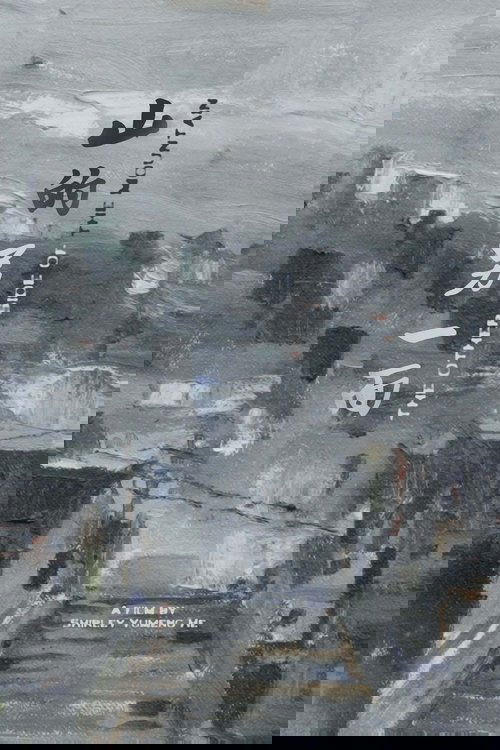
In the hilly city of Chongqing, a painter searches for the old apartment where he and his parents used to live. He asks local residents for directions, walks through narrow passages between buildings, and calls his 90-year-old mother for confirmation. But the city has changed beyond recognition. Behind the camera, his daughter documents his journey.
The Other Side of the Mountain

As Los Angeles reels from the hardships of the COVID-19 pandemic, Victor Villa, a young Latino entrepreneur and Los Angeles native, must persevere to keep his street taco business afloat. Against the backdrop of gentrification in his neighborhood, Victor must also maintain his role as a community leader with dreams of transitioning his backyard pop-up to a full-time brick and mortar restaurant.
Échale Ganas: The Villa's Tacos Story

Tulare Lake, once the largest freshwater lake west of the Mississippi, was drained by settlers in the 19th century and transformed into one of the most valuable agricultural lands in the world. This visual essay explores the emptiness of the former lake and the ongoing water crisis. Today, farm machinery, animals and people search for water in the resulting dry valley.
Lacuna
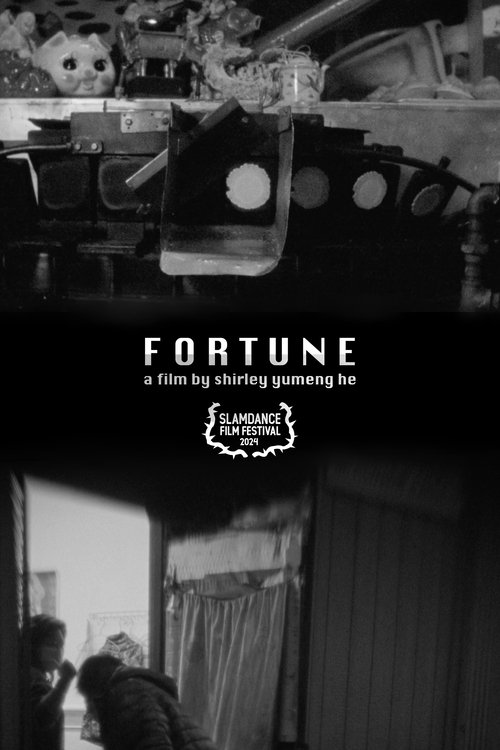
The film takes the viewer on an embodied journey moving through a space in which its existence in the real or imagined is debatable. Alike how the alleyway is a physical bridge between two main streets, the film presents a series of juxtaposed images that might seem opposing at a glance – the seer and the seen, the outside and inside, young and old, low and high, the leaving, coming, and returning – but are co-existing elements that sustain the living and breathing of the alleyway. The tactility of witnessing inherently embodied by the 16 mm celluloid is mirrored by the witnessing(s) of the tourists, the residents, the non-human subjects in the space. Via a constructed soundscape in which sonic elements from eastern spirituality find their prominence amongst real-life sounds, and through an embodied camera eye that moves freely in the geographical space of the alley, the film evokes a sense of magical realism which gives texture to the meditation on the Chinese American identity.