J.V. Durden
Directing
Known For
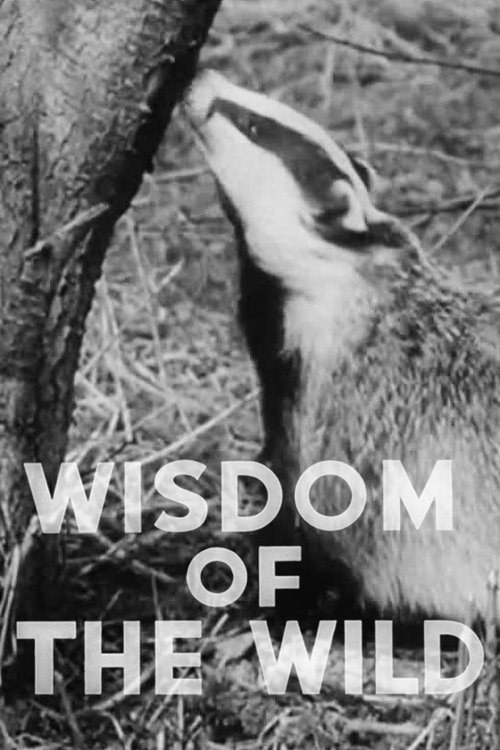
A wildlife film with a difference: it has A Message for any humans in the house. "The squirrel in the tree, the fox below, the birds, insects, all know that a time of plenty will not last forever". Austerity-stricken wartime viewers can learn from their economical feeding habits. An entertaining hybrid of public information and natural history from the makers of wildlife series Secrets of Life. Released in the BFI boxset Ration Books and Rabbit Pies: Films from the Home Front.
Wisdom of the Wild
Documentary on the life cycle of the tortoiseshell butterfly: first laying their eggs under the leaves of sting nettles and in2-3 weeks the caterpillars emerge and live off the nettle leaves. Then fully grown caterpillars spin a chrysalis. After 3 weeks the new butterfly emerges, and so the cycle continues.
Butterflies and Nettles
King Penguins are first seen in their natural habitat, the Antarctic, after which we see them in the Edinburgh Zoo. With slow-motion pictures we see how they swim with the use of their flippers and feet. Their mating and incubating of their eggs and later, the hatching of them; the rearing of the young at various stages of their growth are also shown.
Kings in Exile
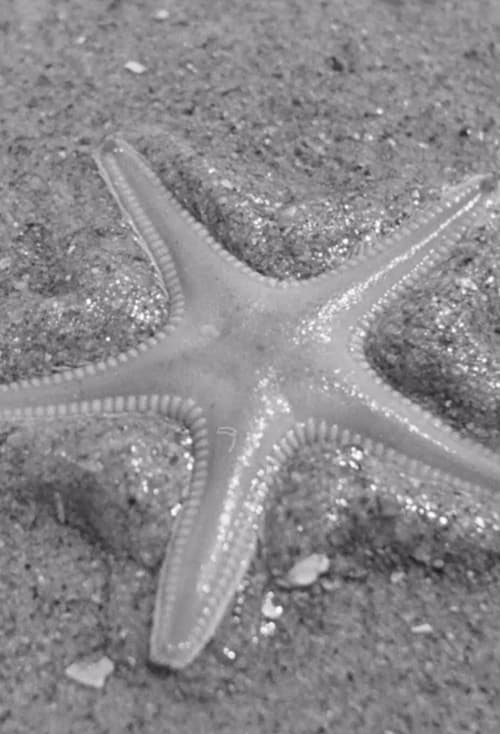
Go with the flow: to gentle but spellbinding effect this innovative natural history film glimpses marine life astride rising tides at Millport on the Isle of Cumbrae. Urchins, lugworm, weaver-fish and crabs are the shy-but-elegant stars coaxed onto the screen (with the assistance of Millport’s local research station) for this archetypal edition of Gaumont-British Instructional’s 1930s cinema series Secrets of Life.
Ebb-tide
This film probes the perennial miracle of the growth of a seedling, the seasonal upsurge of life in a forest giant, and the mysterious alchemy of a single leaf. Presented in magnified dimension through time-lapse photography and animated diagrams, a maple leaf and segments of a tree serve to illustrate the physiological processes that go on in all plants.
The Colour of Life
A Secrets of Life short to which the BFI gave this description: "The film falls into two related sections: the first part shows, by fast motion... the germination, growth-characteristic and fertilisation of the wild cabbage; the second part shows how the varied forms of cultivated cabbage - Savoys, Brussels sprouts, cauliflowers, sprouting broccoli - are related to the wild form, by illustrating the particular feature of the wild form that is present to an exaggerated degree in the cultivated variety... A very good example of how to deal with familiar gardening knowledge in an interesting manner, while at the same time using everyday facts to bring home the scientific lessons that can be drawn therefrom... Perhaps the most striking portions of the whole film are the sections showing which parts of the wild form have been greatly developed to produce the Brussels sprouts, cauliflower, or the Savoy cabbage."
Cabbage
The birdlife of Northumberland's Farne Islands comes under the spotlight.
Nursery Island
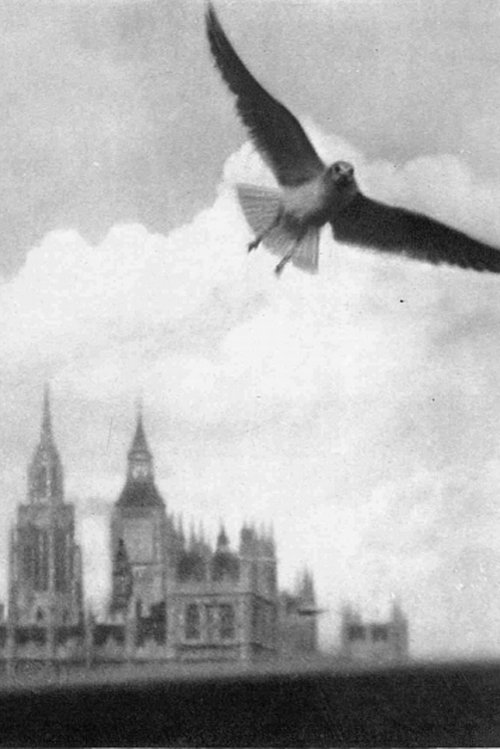
The film takes us to the North of England to follow the migration of the black-headed gull down to London. There, the narrator asks viewers to "listen to their gossip", before demonstrating the bird’s flight in slow motion. We see a polecat feasting on gull eggs, and then a man collecting the eggs for human consumption, with the film telling us that they are considered a “delicacy” in London. Indeed, according to the British Trust for Ornithology, around 300,000 gull’s eggs were sold every year in Leadenhall Market in London during the 1930s, when London Visitors was made.
London Visitors
The lifecycle of a freshwater trout; looking in detail at the development of a trout embryo and hatchling. Also shows the techniques involved in dry-fly trout fishing. (NFA Catalogue) Life cycle and habits of the trout. Photographed by Percy Smith. (Synopsis)
The Catch of the Season
A Secrets of Life short.
Water Baby
A Secrets of Life short of which the BFI gave this description: "The first part of the film is a speeded-up picture of germination and growth of the tomato plant, ending with the fertilization of the flower and the growth of the fruit. The white flies are then shown in action on the plant, and by skilful micro-photography their life cycle is shown, together with the means by which they injure the plant. A natural parasite—small species of wasp—is also shown in action by means of micro-photography,and its method of parasitism is clearlybrought out. The film concludes with apictorial demonstration of the means forridding tomato glass-houses infested withwhite fly by the use of hydrocyanic gas."
White Flies and Tomatoes
The first in the Secrets of Life series of short films.
Roots
Mary Field and F Percy Smith create this whimsical look at the breeding habits and life cycle of frogs.
He Would a-Wooing Go
A Secrets of Life short.
Three Wicked Sisters
A Secrets of Life short.
Over and Under
A Secrets of Life short.
Fish Face
Short nature documentary by Mary Field and F. Percy Smith.
Lupins
A Secrets of Life short, potentially the second in the series about the Lupin.
Old Blue
A Secrets of Life short about the Dityscus Beetle
U-Boat in the Pond
Explores the natural history of the otter, depicted through the fictitious account of a day in the life of Otto the Otter and his mother. The narrator claims that the short features "the first film ever taken of an otter swimming underwater."