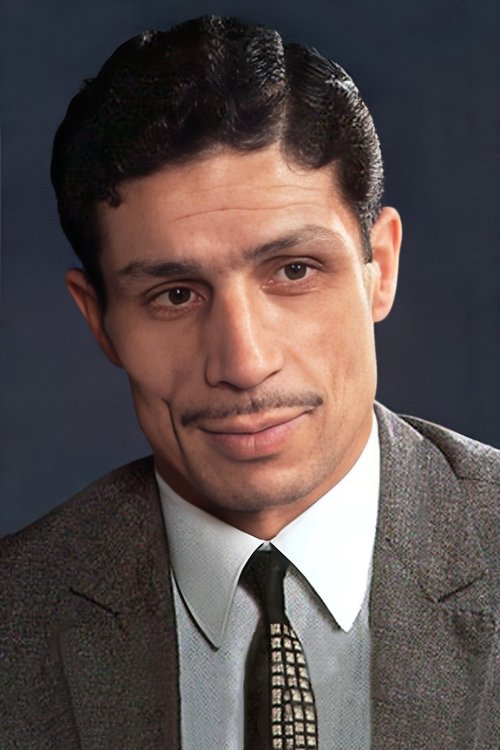
Dahmane El Harrachi
Sound
Biography
Abderrahmane Amrani, known by the stage name Dahmane el Harrachi (Arabic: دحمان الحراشي), is an Algerian musician, pianist, singer-songwriter, of chaâbi music. Born July 7, 1926 in El Biar, Algiers, and died August 31, 1980 in Aïn Benian in the western suburbs of Algiers. He is considered a great master (sheikh) of chaâbi. His son, Kamel El Harrachi, also a chaâbi singer-songwriter, continues to bring his repertoire to life. An Algerian originally from Djellal in the wilaya of Khenchela, his father settled in Algiers in 1920 and became muezzin at the Great Mosque. After the birth of Dahmane (short for Abderrahmane), the family moved to Belcourt, rue Marey, then settled permanently in El-Harrach. The youngest of a family of eleven children, it is from the El Harrach district that Dahmane gets his nickname El Harrachi. He began playing the banjo very early, influenced by the Chaâbi singer Khelifa Belkacem (died in 1951). At 16, he performed the latter's songs. With a school certificate in hand, he became a shoemaker and then a tram conductor on the line linking Maison Carrée to Bab El Oued. He is already a banjo virtuoso and many chaâbi singers from the 1940s offer his services such as Hadj Menouar, Cheïkh Bourahla, Cheïkh Larbi el Annabi, Abdelkader Ouchala and especially Cheikh El Hasnaoui with whom he performs for the first time at the Café des Artistes, rue de Charonne in Paris in 1952. In 1949, he went to France, and for years he performed in North African cafés in cities across France. He performs the Algiers chaâbi repertoire accompanied by a banjo. He then discovered the gap between the reality of immigration and the North African repertoire of melhoun written between the 16th and 19th centuries. Author-composer, he adapts chaâbi in his own way by creating a new musical and poetic language by singing the experiences of his contemporaries. He recorded his first record with Pathé Marconi in 1956, during the war of independence, the song bears the title Behdja Bidha Ma T'houl (White Algiers will never lose its shine) and also composed the song Kifech Nennsa Biled El Khir (How can I forget the land of plenty). An original artist, he modernizes the chaâbi and gives the banjo and the mandola a phrasing, harmony and accentuations that are his own and which distinguish him from other chaâbi singers. His repertoire consists of around 500 songs of which he is the author. He spent his entire artistic career in France and received recognition from his peers during the Maghreb Music Festival in the early 1970s in La Villette. Discovered late by the new generation in Algeria, he only officially performed in public in 1974 at the Atlas Hall in Algiers. On Algerian television, he left three recordings and played his own role as a chaâbi singer in a TV film entitled Saha Dahmane filmed just before his disappearance in a road accident on August 31, 1980 in Aïn Benian. One of his most famous songs Ya Rayah (O leaving), about emigration, departure, was a great success when it was released in France in 1973. Rachid Taha covered it in 1997. The original song made the around the world and was translated into several languages while keeping the same melody.
Known For

Alicia Florrick boldly assumes full responsibility for her family and re-enters the workforce after her husband's very public sex and political corruption scandal lands him in jail.
The Good Wife
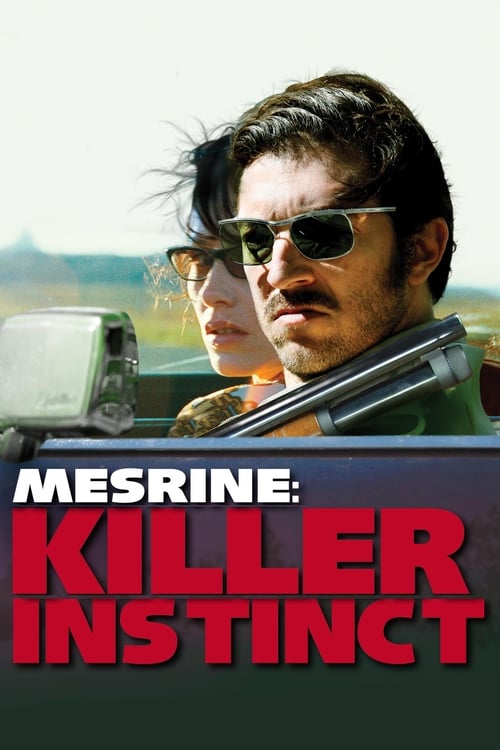
Jacques Mesrine, a loyal son and dedicated soldier, is back home and living with his parents after serving in the Algerian War. Soon he is seduced by the neon glamour of sixties Paris and the easy money it presents. Mentored by Guido, Mesrine turns his back on middle class law-abiding and soon moves swiftly up the criminal ladder.
Mesrine: Killer Instinct

Two women get on the highway heading to Santa Fe. Marilyn dreams of winning a contest held by a famous belly dancing company, while her friend, Mona, has a darker secret.
Just Like a Woman
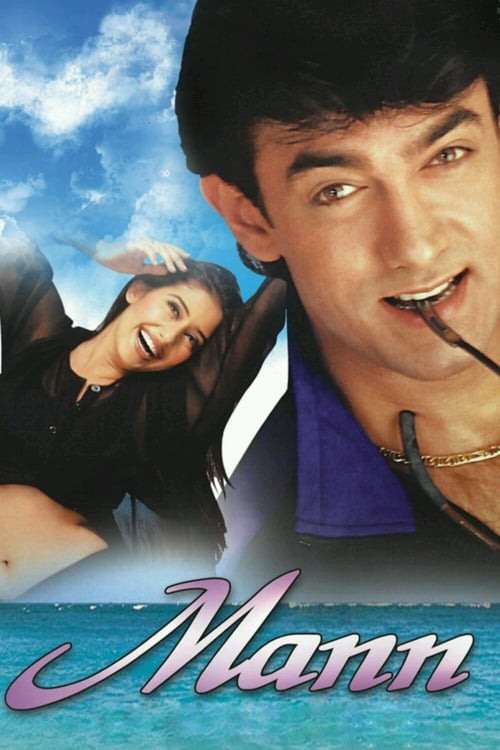
A young woman falls in love with a handsome playboy, while aboard a Singapore to India cruise. They make plans to meet again, but fate may have other plans...
Mann
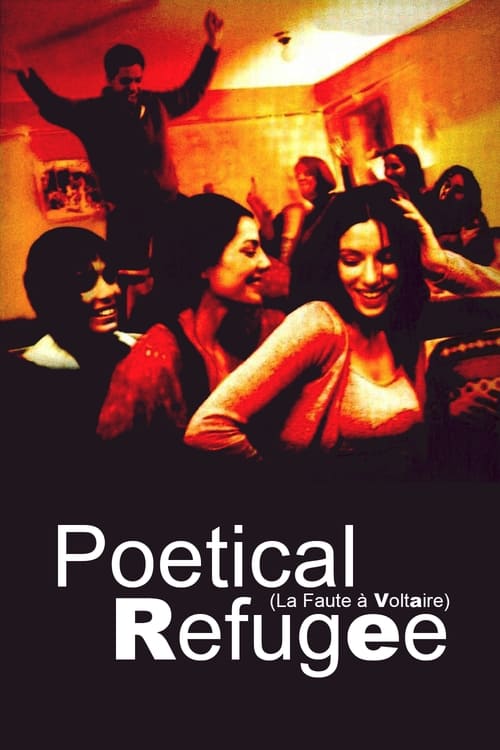
Like a Candide dreaming of Eldorado, Jallel lands in France, hoping to try his luck. From encounter to encounter, hostel to social welfare group, Jallel will make his way through a Paris of outcasts. Although failing to achieve his hopes, he discovers and shares in the solidarity felt by the destitute. –uniFrance
Poetical Refugee
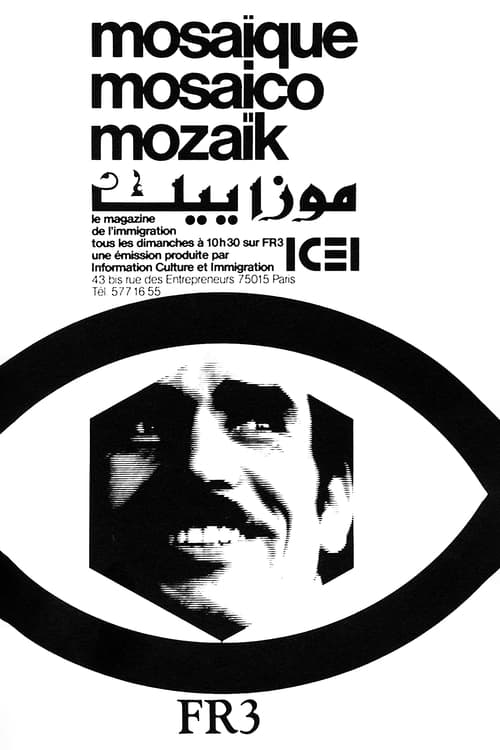
Broadcast from 1977 to 1987 on FR3, every Sunday morning, for 1h30, Mosaïque is a variety show with a set where music groups from the countries of origin of immigration perform, and which broadcasts reports on these countries and on immigrants who live in France. When it was created, it aimed to promote the cultures of origin of immigrants, but also to make them better known to the rest of the population. However, the program was never financed by public television which considers that it was aimed at a specific audience and was therefore not part of a public service mission. It received financial support from the Ministry of Labor, through its subsidy to the National Office for the Cultural Promotion of Immigrants, ONPCI (later becoming Information Culture and Immigration, ICEI, in 1977, then Agency for the Development of Intercultural Relations , ADRI). , in 1982).
Mosaïque
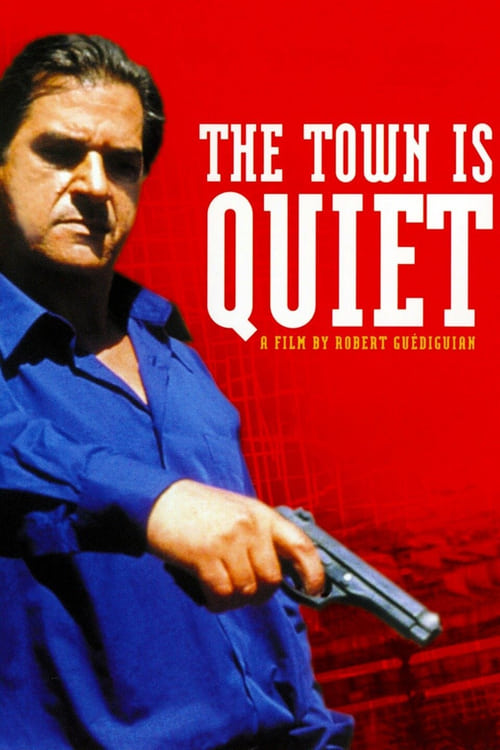
A dark tale of working-class life in Marseilles, a city in crisis. Interesting characters include a hard-bitten but compassionate fish market worker with a drug addicted daughter and a moody bartender with a shocking secret life.
The Town Is Quiet
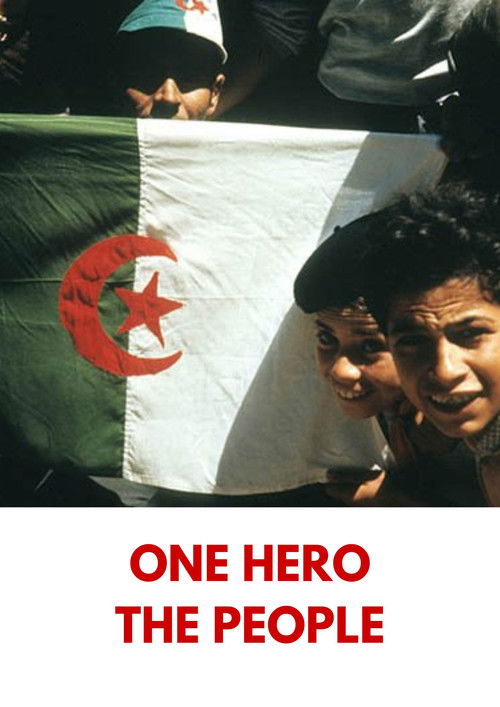
Adam Bensoltane takes us through the birth of Algerian cinema, in his native country, across the ages, exploring its evolution and its impact on the nation, politics, and the world.
One Hero, The People

The artistic journey of Dahmane El Harrachi, born in 1925 in Algiers, bears the mark of his experience. An attentive and vigilant observer of the environment of immigrant workers, Dahmane has always avoided falling into the ambient miserabilism. From the Algerian Chaâbi, he has kept certain melodic lines and a clear propensity for sayings drawn from the oral poetic tradition. El Harrachi uses simple language, understandable by all popular sectors of the Maghreb, which partly explains its wide success. In 1949, he went to France and it was in cafes, springboard places where people come to breathe the air of the country, that he performed regularly. Elegant, with his beautiful atmosphere, the “bluesman” of the suburbs seduces, upsets and stirs consciences. Discovered late by the new generation, the creator of Ya Rayah met a tragic end, on August 31, 1980, in a car accident, on the Algiers coast which he sublimated above all else.
The Revolution Of El Harrachi

Film about Dahmane El Harrachi, musician, singer and composer of the famous song "Ya Rayah", a cult song covered by Rachid Taha, which will enjoy international success. Virtuoso of the banjo, the work of Dahmane El Harrachi did not initially respond to the canons of the purists of Algiers Chaâbi song. However, he will end up establishing himself alongside great masters of the genre, El Hadj M'hamed El Anka, Boudjemaâ El Ankis, El Hachemi Guerouabi, Amar Ezzahi... He plays his own role in this film shot with his musician friends, just before his tragic death in 1980 in a car accident on the Corniche of Algiers.
Saha Dahmane
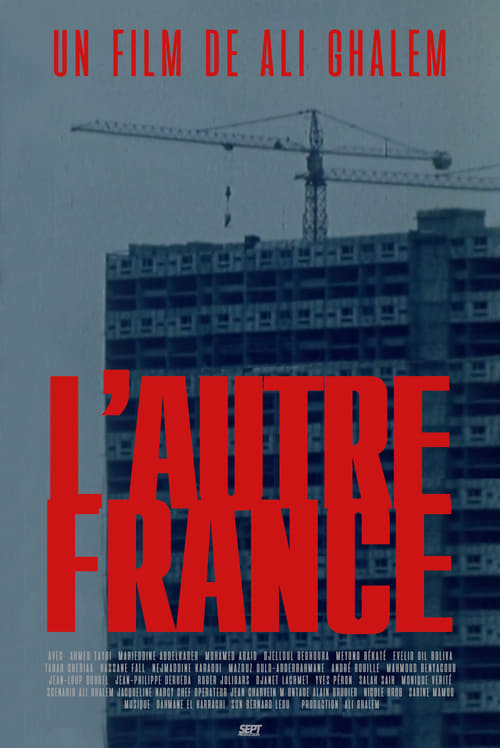
Social drama about Algerian immigrant workers who came searching for work in France.
L'autre France
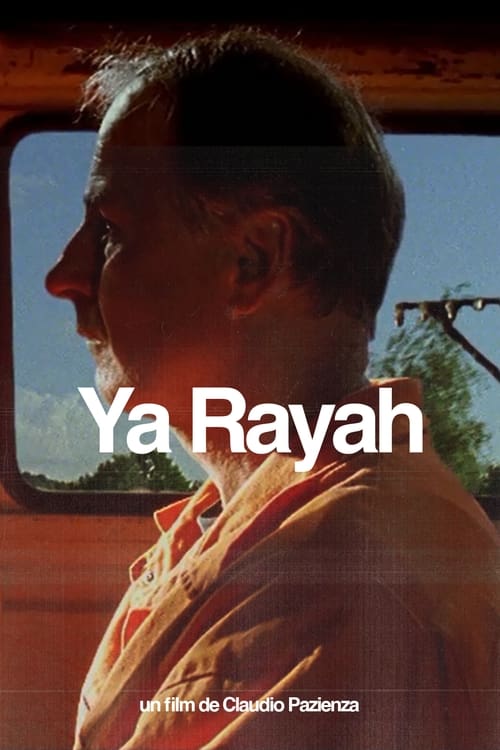
Discreetly zany, Ya Rayah collects heterogeneous objects and images. Throughout this list we find smoking shoes, errant typographies, x-rays of feet... The assembly of these materials creates a playful journey, revealing the movement of writing in the process of being written. Where we find the poetic gesture dear to the imagination of ALIS, whose work is inspired by the methods of Oulipo. The approach of ALIS, a group founded by Dominique Soria and Pierre Fourny, is not standard. It focuses on the search for a new expression using different artistic disciplines. Usually their compositions are exhibited on stage or exhibited in art galleries. After La Complaint du Progrès, this film once again opens up, to the music of Dahmane el Harrachi, a rich field of investigation into their joyful and cleverly organized words.
Ya Rayah

Filmed at the Mucem in Marseille, this concert is a musical journey across the Mediterranean, bringing together the Berber singer Karimouche, Egyptian Natacha Atlas, Spanish Queralt Lahoz, Greek Dafné Kritharas, Franco-Algerian Nesrine, Moroccan Walid Ben Selim, Italian Agathe Di Piro, and Franco-Lebanese Hausmane.