FEEL IT.STREAM
Ahmed Kadri (Krikèche)

Ahmed Kadri (Krikèche)

Acting

Biography

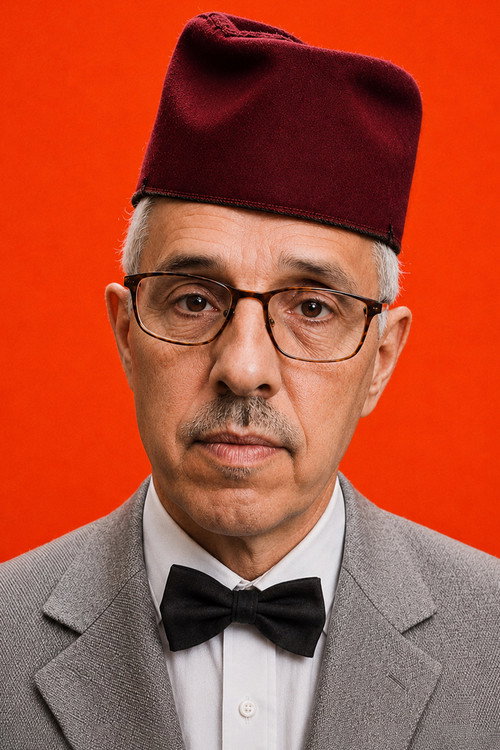
Ahmed Kadri, known by the stage name "Krikèche", is an Algerian actor, humorist and author. Although he was born on December 18, 1934 in La Casbah of Algiers, he spent his childhood in Tizi-Ouzou, where his parents and grandparents were from. Ahmed "Krikèche" Kadri initially worked in several professions, selling cigarettes on the street, cafe owner, administrative officer at the Algiers prefecture, nurse in a hospital, etc. Making people laugh is in his blood. Even when he worked in the hospital, as a nurse, he couldn't help but play pranks, even in the morgue, pretending to be a dead man wrapped in his shroud. In 1957 young Ahmed, then only 22 years old, was a nurse in a hospital. despite the need for nursing staff, the colonial authorities did not want Algerian staff. When he was notified of his dismissal, he entered the artistic world at the Algiers Conservatory. His introduction to comedy will be with the best masters of Algerian theater of the time, starting with Mahieddine Bachtarzi then Djelloul Bachdjerrah, Mustapha Kazdarli, Allel El Mouhoub and Mohamed Touri. Ahmed "Krikèche" Kadri quickly understands that he must combine form and substance, he perseveres in his studies and learning. In 1959, he created his first troupe, Nedjmet Es-Sabah, which brought together around forty performers. His first sketch, Docteur Krikeche, was broadcast on television in 1960; in 1962, he traveled across southern Algeria with his character "Krikèche". For the Nedjmet Es-Sabah troupe, Krikèche wrote, until 1967, 26 plays lasting from twenty minutes to two hours, including tragedies like "El Mal Iferreq" or "El Ikhwane". After Algeria's independence in 1962, "Krikèche" was prolific, both in sketches for children and in cinema and theater, in extroverted and funny roles. In 1968, it was the meeting with the artist Kaci Tizi Ouzou with whom they formed an explosive duo in theater and on television "Kaci et Krikeche", inspired by the American cinema duo Laurel and Hardy and the Egyptian Ismail Yassine and Abdessalem Alnaboulssi. In 2015, the Mouloud-Mammeri cultural center in Tizi Ouzou, as part of the “Lire En Fête” cultural festival, paid tribute to him in his presence and that of numerous guests, directors, friends, etc. with whom Ahmed "Krikèche" Kadri collaborated during his long artistic career.
Known For

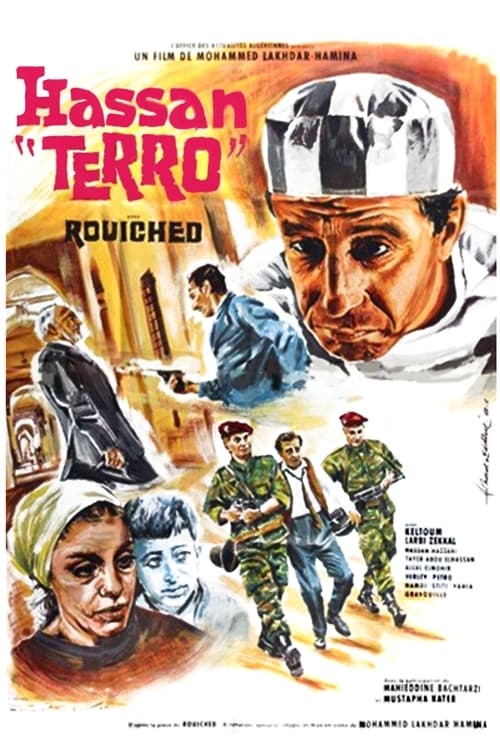
Hassan Terro
8.5

While he tries by all means to stay out of the bloody upheavals caused by the battle of Algiers, Hassan, an honest and naive father, unknowingly offers hospitality to a mujahid actively sought by the army. French. A series of events and misunderstandings quickly catapult him to the forefront, presenting him under the pseudonym “Hassan Terro”, a great fictitious terrorist who would have sworn the doom of the French army...

Hassan Terro

1967
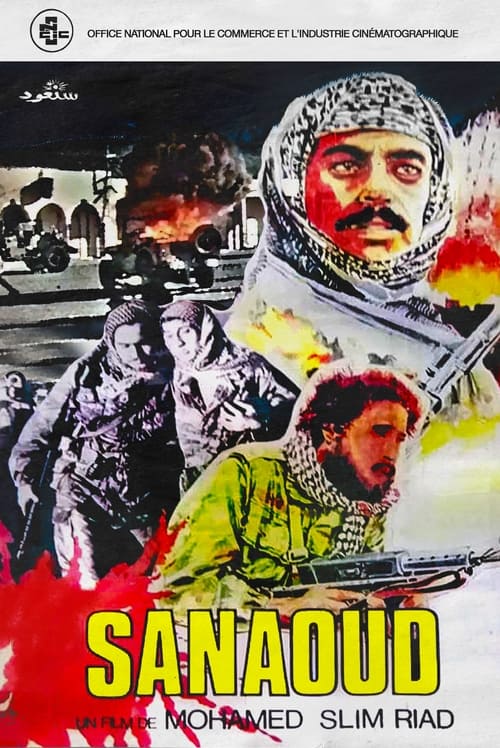
We Will Return
10.0

The story of a young Palestinian who left his refugee camp to become a resistance fighter in the Palestine Liberation Organization.

We Will Return

1972
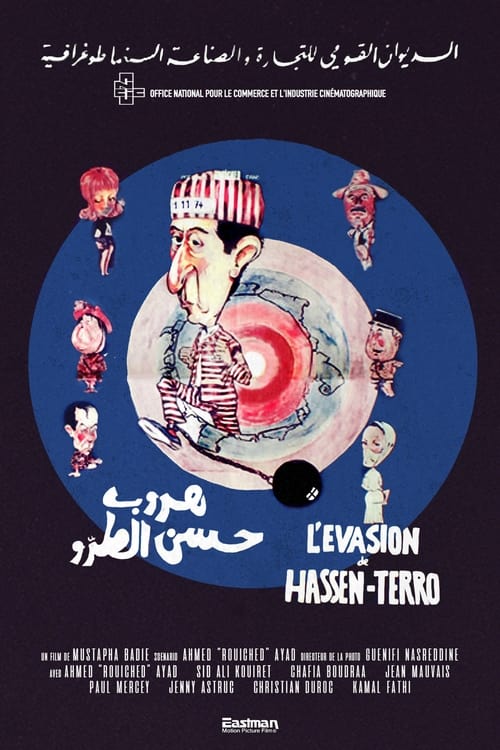
Hassan Terro's Escape
8.3

In 1957, the Battle of Algiers intensifies. Hassan, a peaceful resident of the Casbah, is mistakenly identified as a dangerous "terrorist leader," earning him the nickname "Hassan Terro." He is arrested, but the French occupation army secretly organizes his escape in the hope of tracking down the leaders of the resistance. In turn, the Algerian liberation army exploits Hassan's naivety to thwart the French military command and disperse its forces.

Hassan Terro's Escape

1974
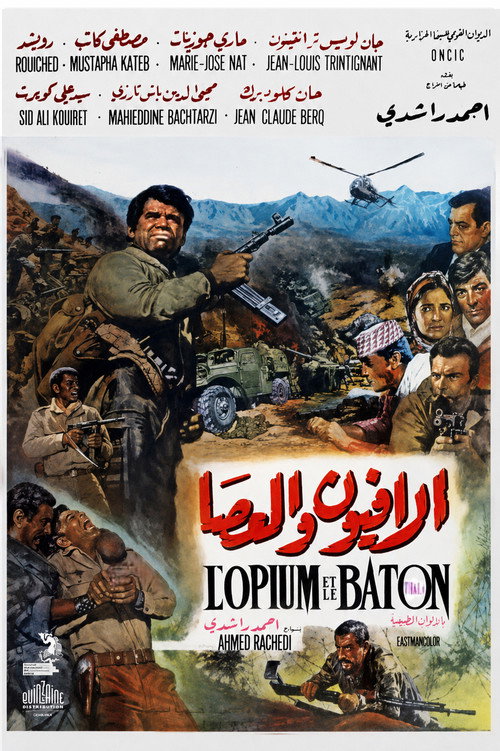
Opium and the Stick
7.8

In 1950, in Algeria, in a village in Kabylia, Algerian resistance fighters resisted the French occupation army. Bachir returns to the village to escape the clashes ravaging Algiers. In Thala, he has two brothers, Ali and Belaïd. The first is engaged with the ALN (The National Liberation Army) and fights against the colonizer. His second brother, Belaïd, the eldest, is convinced of a French Algeria. His family torn apart, Bachir decides to join the war and takes sides against the repression of the French army. The French army is trying in vain to turn the population against the insurgents by using disinformation. The more time passes, the more the inhabitants of the village and surrounding areas, oppressed, rally to the cause of the FLN, their houses and their fields will be burned... Adaptation to the cinema of the eponymous novel Opium and the Stick, published in 1965, by Mouloud Mammeri, the film was dubbed into Tamazight (Berber), a first for Algerian cinema.

Opium and the Stick

1970
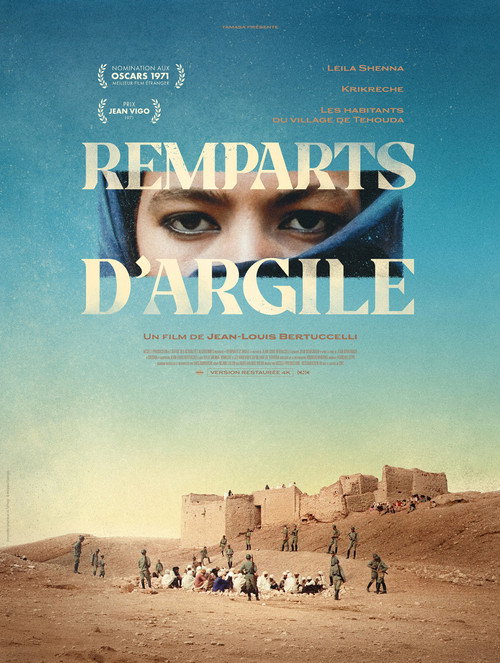
Ramparts of Clay
7.1

In a village on the edge of the Sahara, Rima, a 19-year-old orphan, dreams of learning, of discovering, of living free while the men of the salt mine go on strike. The authorities react by sending the army, Rima decides to help the strikers by trapping the soldiers. Co-produced with the Office des Actualités Algériens and shot in the region of Téhouda, 50 kilometers from Biskra, this Franco-Algerian film is fully part of the cinematographic heritage of both shores of the Mediterranean. Bertuccelli adopts the technique of cinema verite, with non-professional actors from the village itself, giving the film a striking documentary texture and a rare force of authenticity. Carried by the moving interpretation of Leila Shenna in the role of Rima, the actor Krikèche and lulled by the music of Taos Amrouche, the film questions female emancipation, social resistance and the relationship with the territory.

Ramparts of Clay

1970
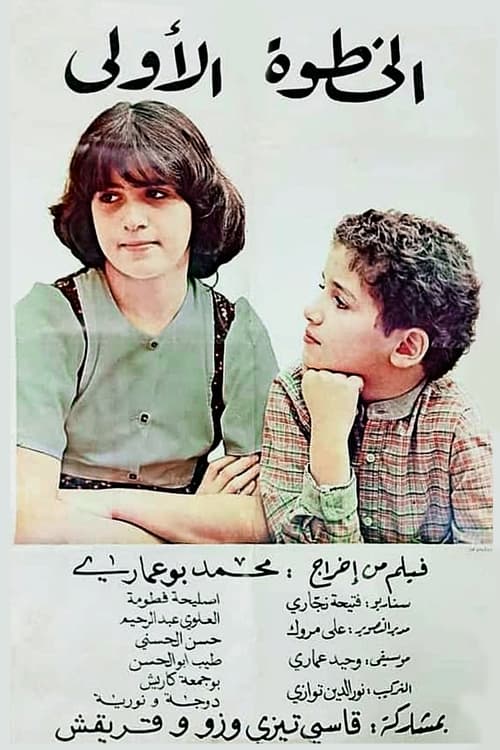
First Step
9.5

A modern couple seeks to find marital happiness in a context where Algerian society is taking the “first step” towards female emancipation. A woman becomes president of a popular municipal assembly. Will she find happiness ?

First Step

1980
Echebka (الشبكة)
10.0

Maamar (Sid Ali Kouiret), a young fisherman working in a small port in western Algeria, is forced to sell his goods at a discount every day to Si Khelifa (Abdelhalim Rais), owner of many trucks and a cannery where the wives work fishermen. He has a strange encounter. As he returns from fishing, bassinet in hand, he witnesses a car accident. Indeed, a car hits a tree with a beautiful girl “Hayat” on board who has lost consciousness. Maamar pulls her out of the car and saves her. It is at this precise moment that he realizes the existence of another world. As if awakened from a long sleep, he realizes that this exploitation can no longer continue. He leaves his village and his wife Laâlia (Fatima Belhadj) on a whim for three years. He finds himself in the capital which he leaves to return to his village and carry out a saving action...

Echebka (الشبكة)

1976
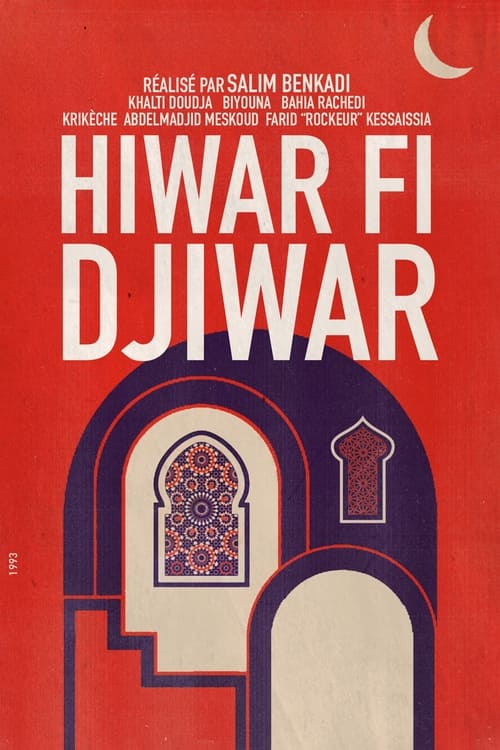
The Casbah of Algiers
10.0

The daily life and tribulations of colorful residents in the millennial popular district of the Casbah of Algiers.

The Casbah of Algiers

1993