Acting
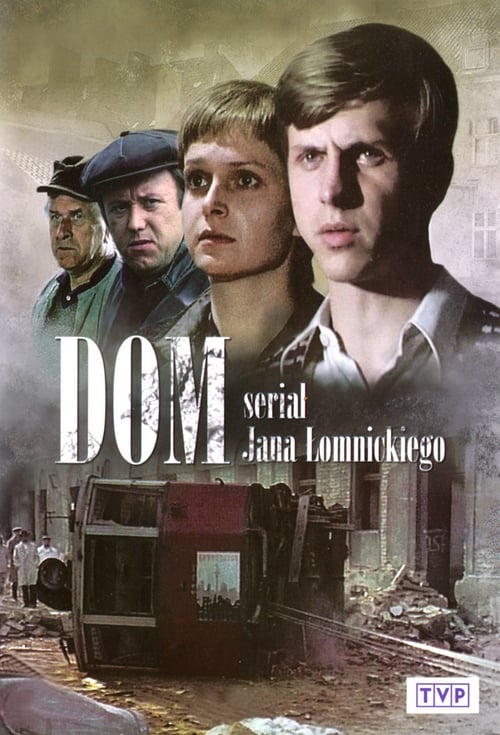
The story of the residents of a tenement house on Złota Street in Warsaw from 1945 to 1980.
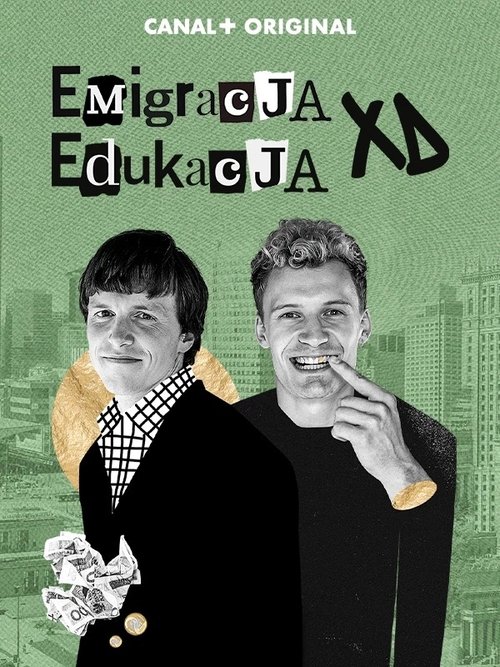
It's the story of two slightly crazy guys who are forced to leave their town, where the annual Gooseberry Days celebration is the biggest attraction, and go to London for work. To say, however, that the tour doesn't go according to plan would be a very mild description of what happens next. The protagonists get separated at the very beginning as a result of a gnarled party. The journey that follows is woven with a plethora of marvelous characters. The viewer will find among them: truckers, gypsy camper traders, anarchist squatters, recidivists hiding from the Polish justice system or go-go club employees.
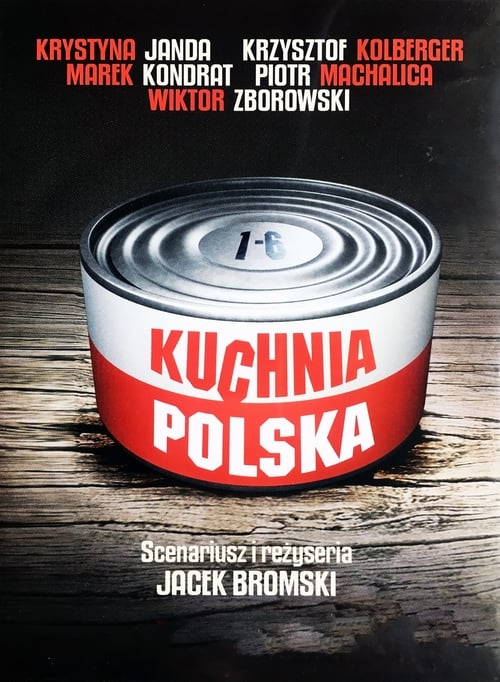
On the eve of World War II, Polish families are getting ready to defend the city.
No description available.
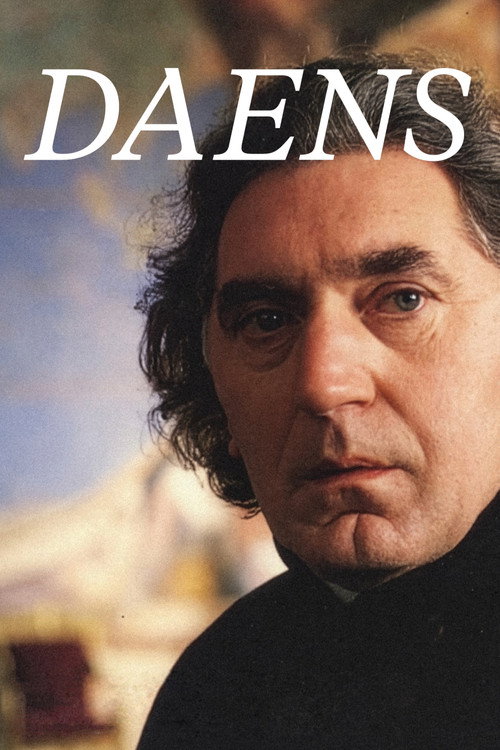
Father Daens returns to Aalst, where workers suffer from poverty, child labor, and exploitation in the textile industry. Driven by his sense of justice, he takes their side, even if it means confronting the church and the upper class. A detailed historical drama about the fight for justice.
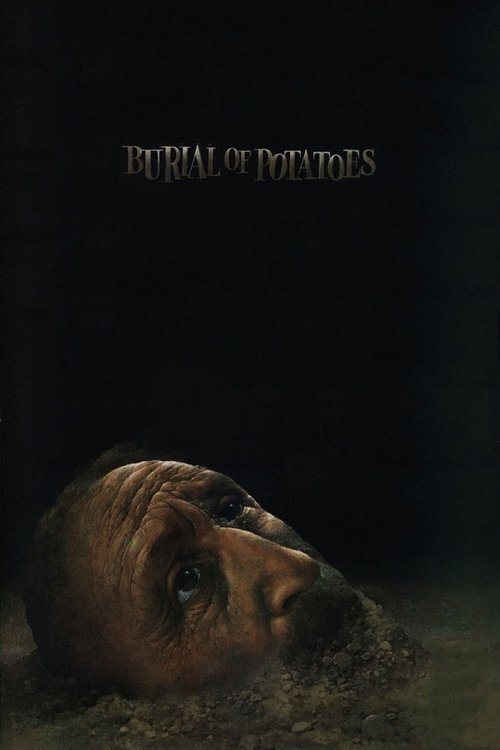
Bronek Pekosinski lives in Zamosc, Poland. He is probably 83 years old. He has no family and does not really know who he is. Everything about his life is fictitious: symbolic is the date of birth - the day World War II broke out, as well as his surname - after PKOS, an abbreviation of a charitable institution, and the place of birth - the Nazi concentration camp, from where his mother threw him over a barbed wire fence. Even his friends and guardians turned out to be false. Only his loneliness and his hump seem to be authentic. Two great powers have vied for young Bronek's soul: Roman-Catholic church and a totalitarian state. He fell into alcoholism. Partially paralyzed as the effect of cerebral hemorrhage, he is fired with an ambition of acquiring a mastery in a game of chess.
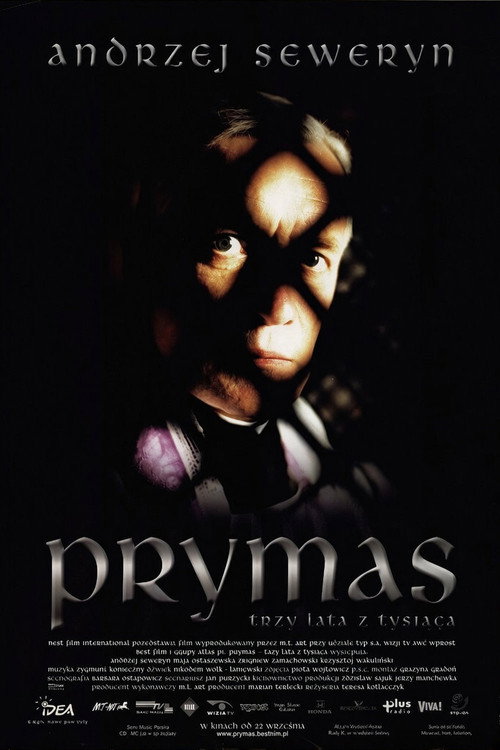
Cardinal Stefan Wyszyński is secretly abducted from the Primate’s Palace and sent into solitary confinement at Stoczek Warmiński, accompanied by Father Stanisław, recently freed from Rawicz, and Sister Leonia, coerced from Grudziądz, forming an unlikely retinue in his enforced exile. As state spies and the camp commandant conspire to break the Primate’s resolve, Father Stanisław risks everything to smuggle word of Wyszyński’s whereabouts to the outside, hoping to foil the regime’s darkest “third variant.”
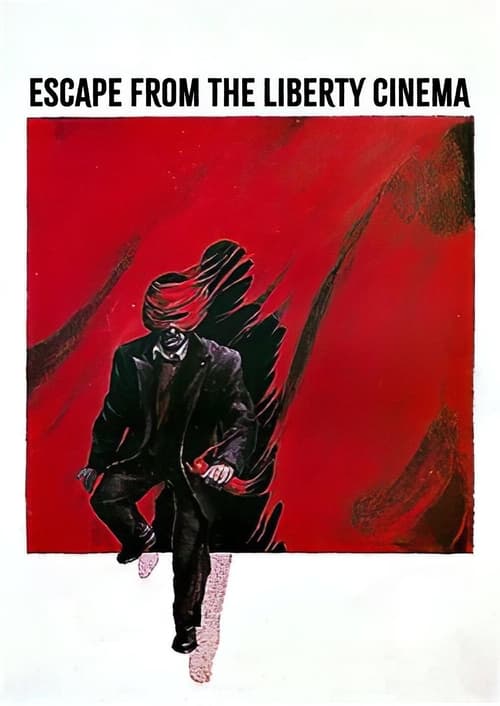
The screening of a movie "Daybreak" at the "Liberty" Cinema is interrupted by an unusual event - actors come to life on the screen, start conversations among themselves, draw the audience into them. Crowds gather around the cinema, the relevant authorities and services wonder what to do in this complicated situation. Also arriving is the censor, a man reaching his fifties, a one-time literary critic and journalist. The line between fiction and reality begins to blur.
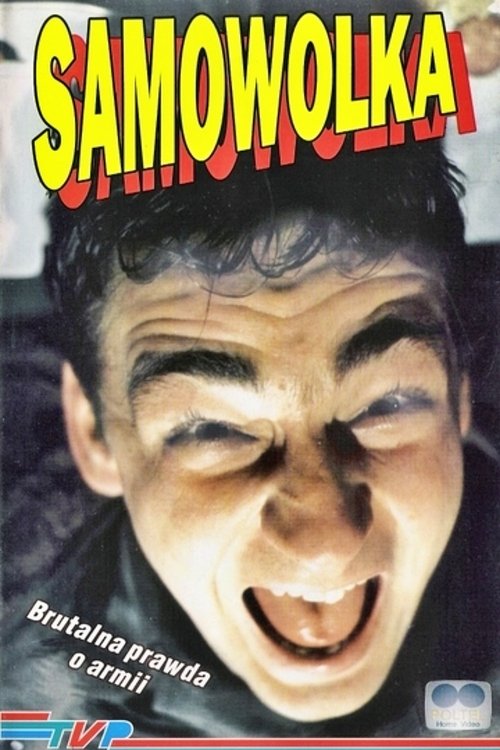
New recruits go to the army and experience nothing but humiliation, cruelty and pure sadism from older soldiers.
Set in 1946, the film tells a story of a Polish villager returning home after years in a concentration camp. Mateusz is an old-timer, a saddler, who finds nothing but hostility when he makes it home after years away. He is not a Jew, though the villagers brand him one and give him a hard time. They feel guilty about the death of his son at the end of the war, and don't want the father around. In the background: beginnings of the Communist regime in Poland.