FEEL IT.STREAM
Nobuo Kaneko

Nobuo Kaneko

Acting

Biography

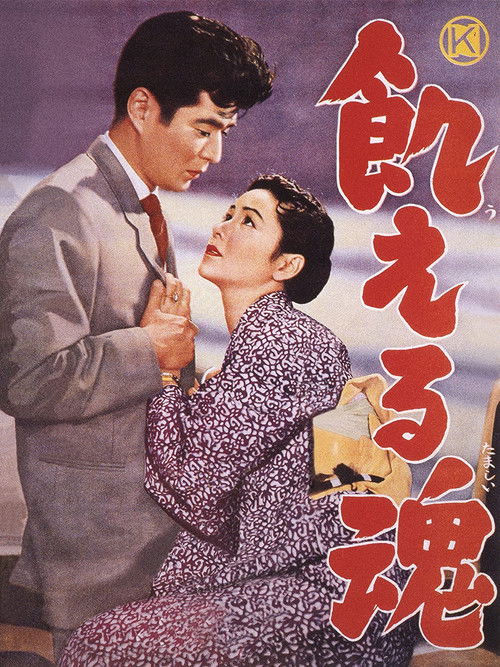
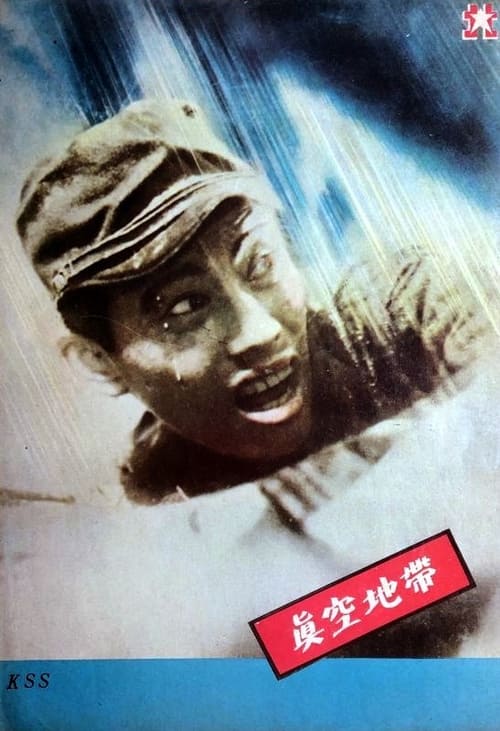
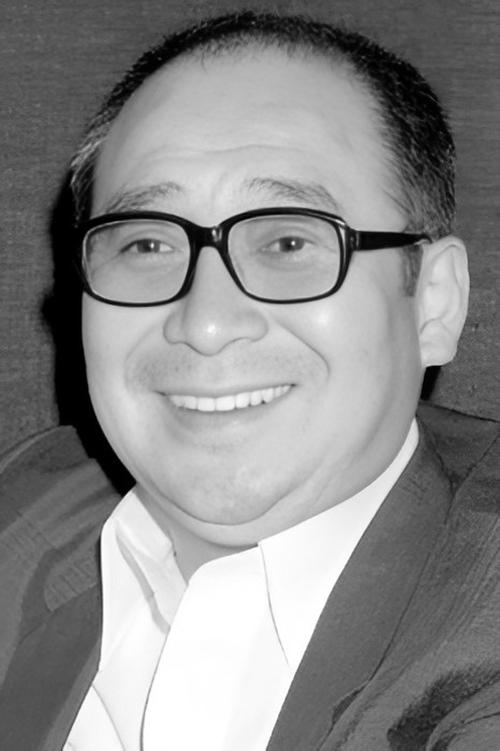
Nobuo Kaneko (金子信雄 Kaneko Nobuo, 27 March 1923 – 20 January 1995) was a Japanese actor. He appeared in more than 200 films between 1950 and 1993. He was a versatile character actor, playing roles ranging from comedic buffoons to hardened yakuza bosses.

Known For

Shōgun
7.7

An English navigator becomes both a player and pawn in complex political games in feudal Japan.

Shōgun

1980
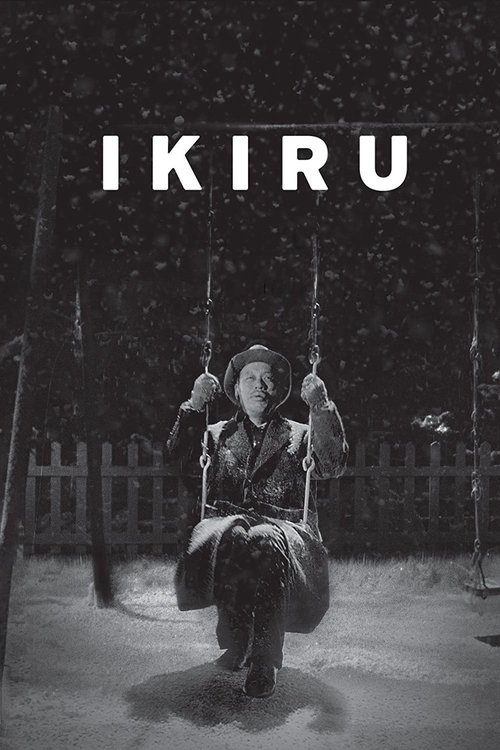
Ikiru
8.3

Kanji Watanabe is a middle-aged man who has worked in the same monotonous bureaucratic position for decades. Learning he has cancer, he starts to look for the meaning of his life.

Ikiru

1952
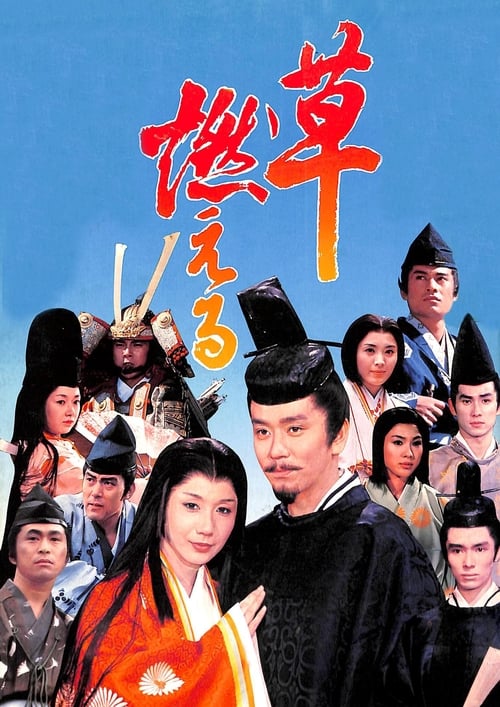
Kusa Moeru
7.0

The story chronicles the life of Hōjō Masako during the Kamakura Period.

Kusa Moeru

1979
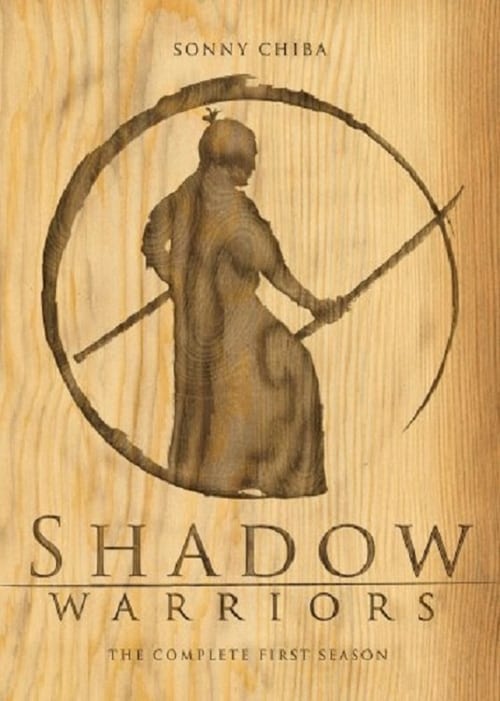
Shadow Warriors
8.0

Shadow Warriors is a Japanese television jidaigeki show featuring Sonny Chiba that ran for four seasons in the early 1980s. Chiba played different ninja characters in each series. In the first series he played Hattori Hanzō III, in second one he played Tsuge Shinpachi, in the third one he played Tarao Hanzō, in the fourth series and in Bakumatsu Hen, he played Hattori Hanzō XV. In the 2003 direct-to-DVD series Shin Kage no Gundan he played Hattori Hanzō I.

Shadow Warriors

1980
The Return of Godzilla
7.2

After a fishing boat is attacked, the sole surviving crew member realizes it is none other than a resurrected Godzilla. However, efforts to bring the story to light are suppressed by the Japanese government amid growing political tensions between the United States and the Soviet Union, who are both willing to bomb Japan to stop the monster.

The Return of Godzilla

1984
Unified Shadows
N/A

During the Tenpo period, the three samurai under the command of the Nanba magistrate were responsible for handling exceptional cases. However, their true identities as shadow assassins were hidden because they were secretly sent to eliminate villains who had escaped punishment by the law.

Unified Shadows

1975
The Imperial Navy
6.6

A lavish retelling of the true story of the final voyage and ultimate destruction and sinking of the battleship Yamato, Japan's greatest flagship during the Second World War.

The Imperial Navy

1981
Crimson Pistol
N/A

Wearing a symbol of justice and brotherhood on his waist – a crimson pistol belt, Ace Joe engages in a fight with villains trying to seize the mine.

Crimson Pistol

1961
The Human Condition III: A Soldier's Prayer
8.4

After the Japanese defeat to the Russians, Kaji leads the last remaining men through Manchuria. Intent on returning to his old life, he faces great odds in a variety of different harrowing circumstances as he and his men sneak behind enemy lines.

The Human Condition III: A Soldier's Prayer

1961
Father and Son Hawk
N/A

The life of Katsu Kaishū and his father.

Father and Son Hawk

1994
The Inferno
6.9

Hell manifests itself through the sins, shame and desires of an upper class rural family and a mother's grief from beyond the grave.

The Inferno

1979
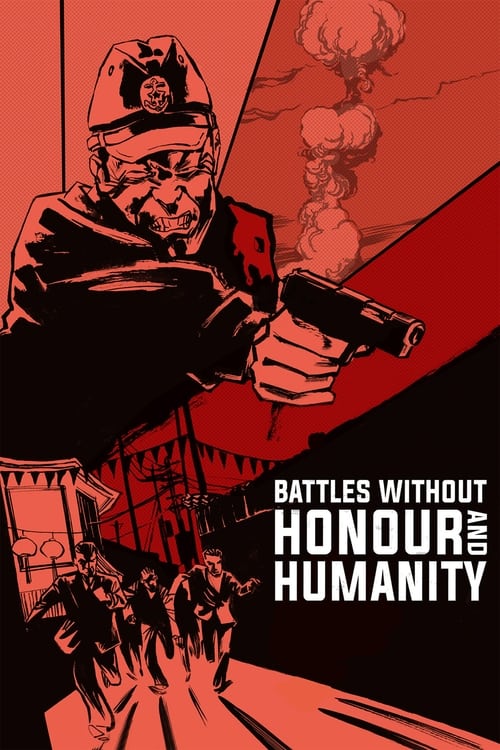
Battles Without Honor and Humanity
7.4

In the teeming black markets of postwar Japan, Shozo Hirono and his buddies find themselves in a new war between factious and ambitious yakuza.

Battles Without Honor and Humanity

1973
Battles Without Honor and Humanity: Deadly Fight in Hiroshima
7.4

Repeatedly beat to a pulp by gamblers, cops, and gangsters, lone wolf Shoji Yamanaka finally finds a home as a Muraoka family hitman and falls in love with boss Muraoka's niece. Meanwhile, the ambitions of mad dog Katsutoshi Otomo draws our series' hero, Shozo Hirono, and the other yakuza into a new round of bloodshed.

Battles Without Honor and Humanity: Deadly Fight in Hiroshima

1973
Floating Clouds
7.7

A married Japanese forester during WWII is sent to Indochina to manage forests. He meets a young Japanese typist and promises to leave his wife. He doesn't and after the war, she turns up and the affair resumes.

Floating Clouds

1955
Shogun's Samurai
7.0

Following the death of the second Tokugawa shogun, it is revealed that he was poisoned by retainers of his son Iemitsu in hopes of gaining him the shogunate despite the stammer and birthmark which undermine his respect. Iemitsu and his brother Tadanaga become bitter rivals for the shogunate, and the land is split into factions, eventually erupting into warfare. Iemitsu's mentor, his fencing instructor Yagyu, is fixated upon securing Iemitsu the shogunate and ends up betraying everyone, even his own family, in pursuit of the goal.

Shogun's Samurai

1978
Godzilla 1985
6.8

Originally released in Japan as "The Return of Godzilla" in 1984, this is the heavily re-edited, re-titled "Godzilla 1985". Adding in new footage of Raymond Burr, this 16th Godzilla film ignores all previous sequels and serves as a direct follow-up to the 1956 "Godzilla King of the Monsters", which also featured scenes with Burr edited into 1954's "Godzilla". This film restores the darker tone of the original, as we witness the nuclear destruction of giant lizard terrorizing Japan.

Godzilla 1985

1985
Four Days of Snow and Blood
7.4

Based on the "2.26 Incident", an attempted coup d'état in Japan 1936, launched by radical ultra-nationalist parts of the military. Several leading politicians were killed and the center of Tokyo was briefly held by the insurgents before the coup was suppressed.

Four Days of Snow and Blood

1989
Japan's Don
7.3

A yakuza leader must balance his violent tactics necessary for the rough streets of 1960s Tokyo with the domestic needs of his daughters.

Japan's Don

1977
Never Give Up
6.2

Special forces officer Ajisawa leaves his paramilitary group to take care of his newly-adopted daughter, Yoriko: the sole survival of a bloodbath for which he is responsible. Years later, Ajisawa is forced to return to the scene of the tragedy for his new job as a claims adjuster where he is subsequently arrested for his suspected involvement. But the threat of jail time is the least of his worries as his former organization comes gunning for him.

Never Give Up

1978
Battles Without Honor and Humanity: Police Tactics
7.0

As Japan gears up for the 1964 Olympic games, the cops start to crack down on the gangs, under pressure from the public and the press, adding a new dimension in the war for power among the yakuza families of Hiroshima.

Battles Without Honor and Humanity: Police Tactics

1974