Haruo Tanaka
Acting
Biography
Haruo Tanaka ( March 25 , 1912 – February 21, 1992 ) was a Japanese film actor noted for his supporting roles in a career that spanned seven decades. After the war, he appeared in films for Toho and Shintoho , but gradually he began to demonstrate his unique personality and became active as a character actor, appearing in works by many of the great directors who have shaped the history of Japanese cinema, including Akira Kurosawa , Yasujiro Ozu , Kenji Mizoguchi , and Shiro Toyoda. He died of lung cancer on February 21 , 1992 , at the age of 79.
Known For

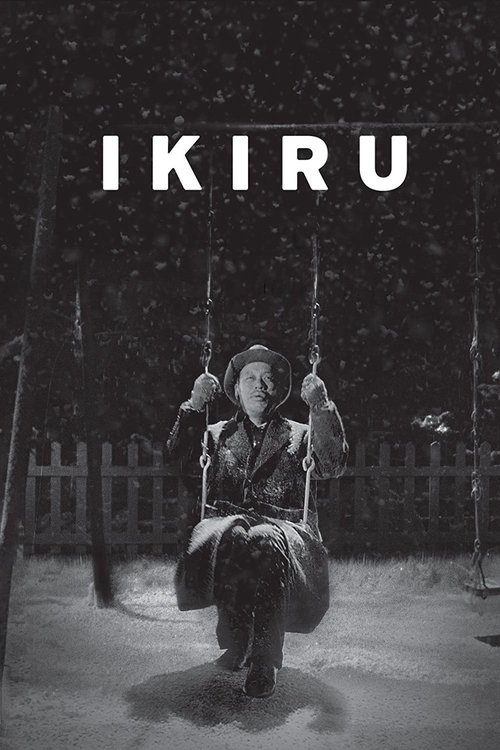
Kanji Watanabe is a middle-aged man who has worked in the same monotonous bureaucratic position for decades. Learning he has cancer, he starts to look for the meaning of his life.
Ikiru

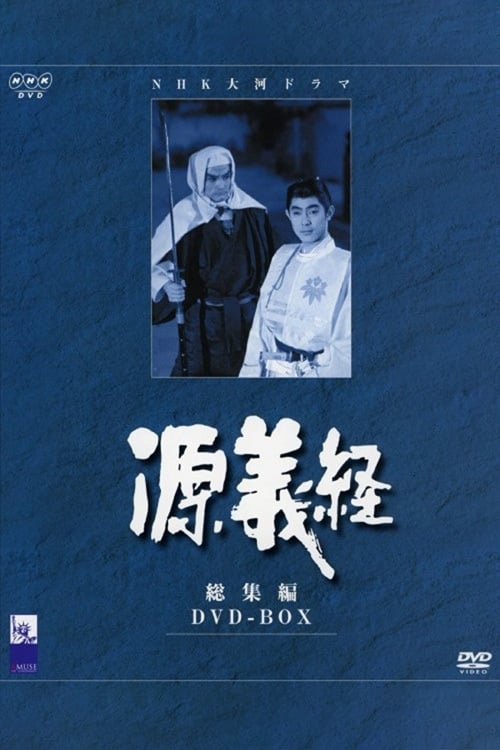
The chronicles of the life of Minamoto no Yoshitsune (1159 - May 17th, 1189). He was a late Heian and early Kamakura general of the Minamoto clan of Japan. Yoshitsune was the ninth son of Minamoto no Yoshitomo. His older brother Minamoto no Yoritomo founded the Kamakura shogunate.
Minamoto no Yoshitsune

Japan nineteenth century. High demand for tattooed geisha generates an entire industry for their "production". Europeans pay more for tattooed beauties. Against this background, and considering the gorgeous tattooed women develop the history of confrontation between two highly skilled masters of tattoo.
Inferno of Torture

A lighthearted take on director Yasujiro Ozu’s perennial theme of the challenges of intergenerational relationships, Good Morning tells the story of two young boys who stop speaking in protest after their parents refuse to buy a television set. Ozu weaves a wealth of subtle gags through a family portrait as rich as those of his dramatic films, mocking the foibles of the adult world through the eyes of his child protagonists. Shot in stunning color and set in a suburb of Tokyo where housewives gossip about the neighbors’ new washing machine and unemployed husbands look for work as door-to-door salesmen, this charming comedy refashions Ozu’s own silent classic I Was Born, But . . . to gently satirize consumerism in postwar Japan.
Good Morning

A humble and simple Takezo abandons his life as a knight errant. He's sought as a teacher and vassal by Shogun, Japan's most powerful clan leader. He's also challenged to fight by the supremely confident and skillful Sasaki Kojiro. Takezo agrees to fight Kojiro in a year's time but rejects Shogun's patronage, choosing instead to live on the edge of a village, raising vegetables. He's followed there by Otsu and later by Akemi, both in love with him. The year ends as Takezo assists the villagers against a band of brigands. He seeks Otsu's forgiveness and accepts her love, then sets off across the water to Ganryu Island for his final contest.
Samurai III: Duel at Ganryu Island

When the wife of a 17th-century Kyoto scrollmaker is falsely accused of having an affair with his best employee, the pair flee the city and find themselves truly falling for one another.
Chikamatsu Monogatari

Residents of a rundown boardinghouse in 19th-century Japan, including a mysterious old man and an aging actor, get drawn into a love triangle that turns violent. When amoral thief Sutekichi breaks off his affair with landlady Osugi to romance her younger sister, Okayo, Osugi extracts her revenge by revealing her infidelity to her jealous husband.
The Lower Depths

A theater troupe master's visit with his old flame unintentionally sets off a chain of unexpected events with devastating consequences.
Floating Weeds

When Wabisuke's father-in-law unexpectedly dies, the family goes through a series of random events and occurrences as the funeral unfolds over three days in their home.
The Funeral

After her anti-fascist professor father is dismissed, Yukie navigates love, political repression, and wartime upheaval—ultimately forging her own path in pre- and post-WWII Japan.
No Regrets for Our Youth

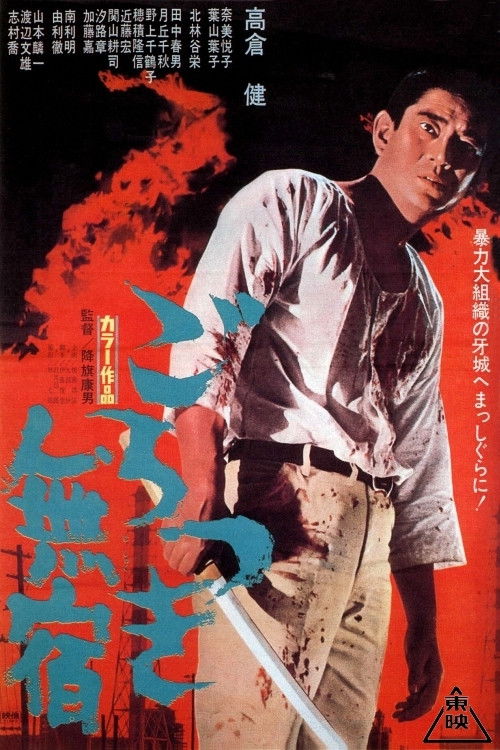
Young coal miner Takeda leaves Kyushu in search of a better job in Tokyo, only to fall into the lucrative yet dangerous life of a yakuza.
Patience Has An End

Gang leader Nami (cult film legend Meiko Kaji) kills a member of a yakuza group and goes away to prison. Upon her release three years later, she’s a shamed woman confined to living in the shadowy world of sex clubs and street gangs. She returns to the city to live with her uncle, a billiard-hall owner, and after befriending pimp and ne’er-do-well Ryuji (Tsunehiko Watase), she gets a job working at a hostess club in the chic Ginza neighborhood, where the expensive shops and neon lights conceal a dark world of crime and sexual slavery. But when a rival gang attempts to muscle in on the club, Nami becomes enmeshed in a violent struggle that forces her to wield a skilled pool cue to defend her uncle’s business, and eventually a short sword to wreak bloody vengeance upon her enemies.
Wandering Ginza Butterfly

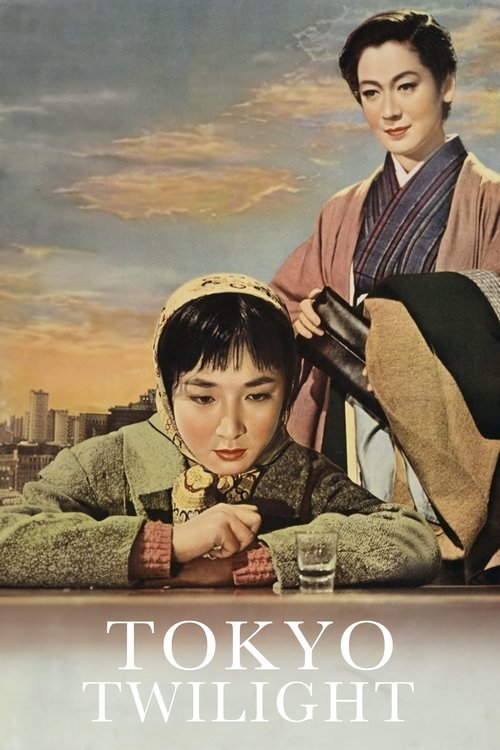
Two sisters find out the existence of their long-lost mother, but the younger cannot accept the fact that she was abandoned as a child.
Tokyo Twilight

Follows five sex workers employed at a Japanese brothel while the nation debates the passage of an anti-prostitution law.
Street of Shame

An aging actor returns to a small town with his troupe and reunites with his former lover and illegitimate son, a scenario that enrages his current mistress and results in heartbreak for all.
A Story of Floating Weeds

A woman marries, gives birth to a stillborn child, and divorces, falls in love with a hotel-keeper, only to find herself subordinated to his drive for success, takes up with a tailor who cannot console himself with her strong personality.
Untamed Woman

Subu makes pornographic films. He sees nothing wrong with it. They are an aid to a repressed society, and he uses the money to support his landlady, Haru, and her family. From time to time, Haru shares her bed with Subu, though she believes her dead husband, reincarnated as a carp, disapproves. Director Shohei Imamura has always delighted in the kinky exploits of lowlifes, and in this 1966 classic, he finds subversive humor in the bizarre dynamics of Haru, her Oedipal son, and her daughter, the true object of her pornographer-boyfriend’s obsession. Imamura’s comic treatment of such taboos as voyeurism and incest sparked controversy when the film was released, but The Pornographers has outlasted its critics, and now seems frankly ahead of its time.
The Pornographers

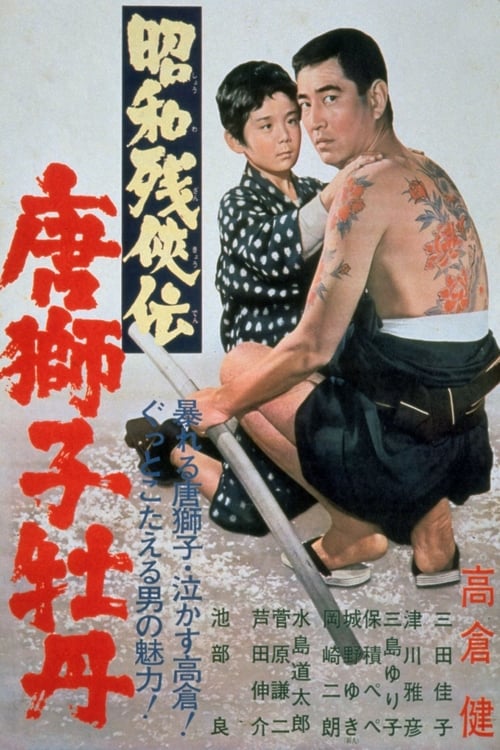
Third part of Nihon Kyokakuden series is set in Kanto in 1924. Ken Takakura playing a ship's mate befriending fish shop owners harassed by yakuza.
The Domain: Kanto Legends of Chivalry

A young salaryman and his wife struggle within the confines of their passionless relationship while he embarks on an extramarital affair.
Early Spring

In this Japanese drama, a dry goods merchant's daughter is surprised to discover that she has a twin sister. In rural Japan it was thought that twins bring bad luck, so the sister was abandoned at birth. Later her parents tell her that her sister was kidnapped. The woman doesn't believe this and when she eventually meets her twin, both women are involved in love affairs. The merchant's daughter is seeing an educated fellow. Trouble ensues when she begins suspecting that he may be more interested in her sister.