Kyōko Kagawa
Acting
Biography
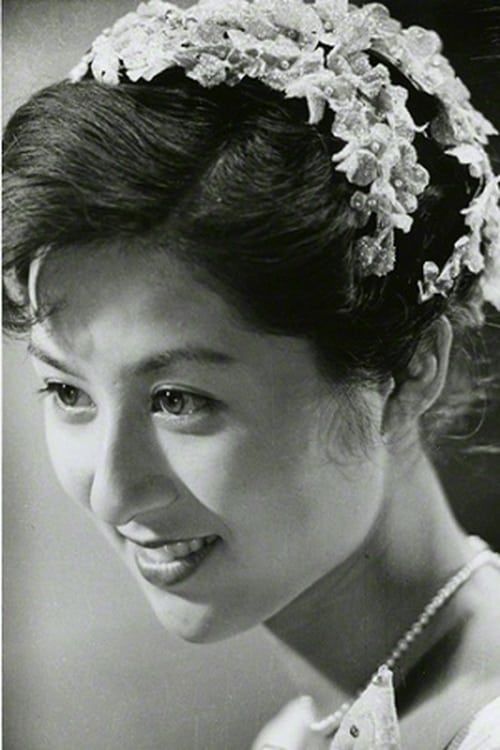
Kyōko Kagawa (香川 京子 Kagawa Kyōko, born 5 December 1931) is a Japanese actress. She has appeared in leading and supporting roles in such films as Akira Kurosawa's The Bad Sleep Well and High and Low, Yasujiro Ozu's Tokyo Story, and Kenji Mizoguchi's Sansho the Bailiff. She won the "New Face Nomination" sponsored by the Tokyo Shimbun newspaper out of about 6,000 applicants and joined Shintoho. She was also taking entrance exams for a regular company at the same time, and her final interview and the final exam for the New Faces camera test overlapped, but with her mother's advice, she decided to pursue acting. After appearing in Red Beard in 1965 , she gave birth to a child and accompanied her husband to New York where he was posted overseas, leaving the film industry for about three years. She returned to Japan in 1968. As film began to decline, she expanded her field of work to include television dramas and stage productions. She was awarded the Medal with Purple Ribbon in 1998 and the Order of the Rising Sun, Gold Rays with Rosette in 2004 .

Known For

A Yokohama shoe executive faces a wrenching choice when kidnappers mistakenly seize his chauffeur’s son but demand the ransom anyway.
High and Low

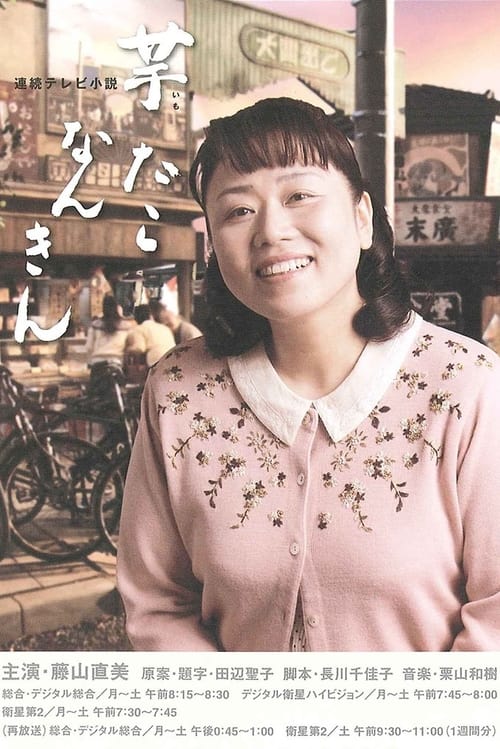
The series takes place in 1962 Osaka. Hanaoka Machiko, 37, is single and works at a hardware store in Osaka City while doing literary work. One day, she falls ill due to overwork and falls in love with Tokunaga Kenjiro, the doctor who examines her. Kenjiro and Machiko marry. But Kenjiro, who lost his first wife to illness, lives not just with his five children, but his brother, sister, and parents. In a comical and heart-warming way, the drama depicts Machiko's struggle with the new family while pursuing her career as a novelist.
Imo Tako Nankin

A worldwide guided tour of the greatest movies ever made and the story of international cinema through the history of cinematic innovation.
The Story of Film: An Odyssey

The 15th NHK Asadora. Starring Shinobu Otake in a story about a young woman striving to become a doctor and her mother, who is a nurse. The first six-month Asadora. Average rating of 40.1%.
Mizuiro no toki

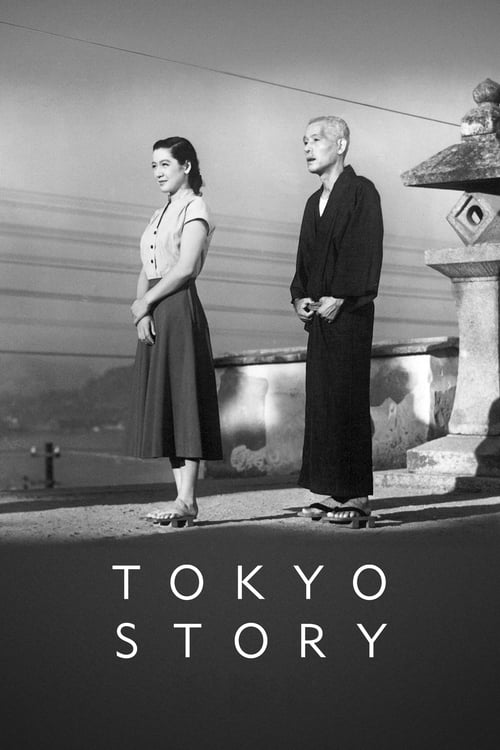
The elderly Shukishi and his wife, Tomi, take the long journey from their small seaside village to visit their adult children in Tokyo. Their elder son, Koichi, a doctor, and their daughter, Shige, a hairdresser, don't have much time to spend with their aged parents, and so it falls to Noriko, the widow of their younger son who was killed in the war, to keep her in-laws company.
Tokyo Story

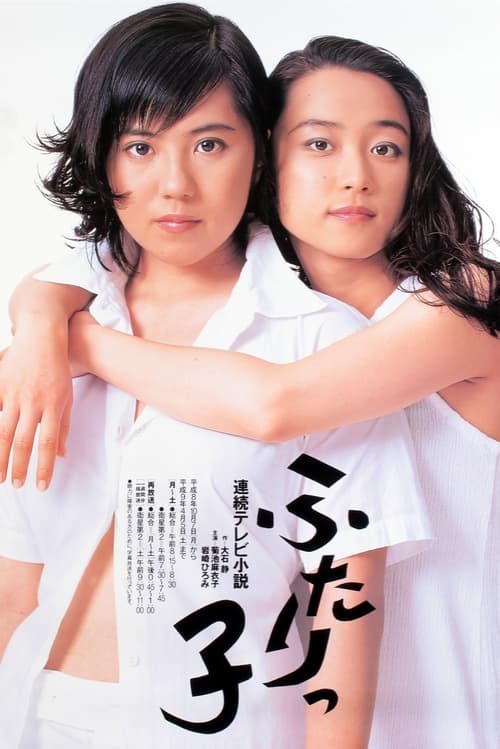
Born over a tofu shop in Osaka, twin sisters Reiko and Kyoko have very different characters. Reiko is diligent, and longs for a secure, middle class lifestyle. Kyoko is a free spirit, who seeks thrills and adventure.
Futarikko

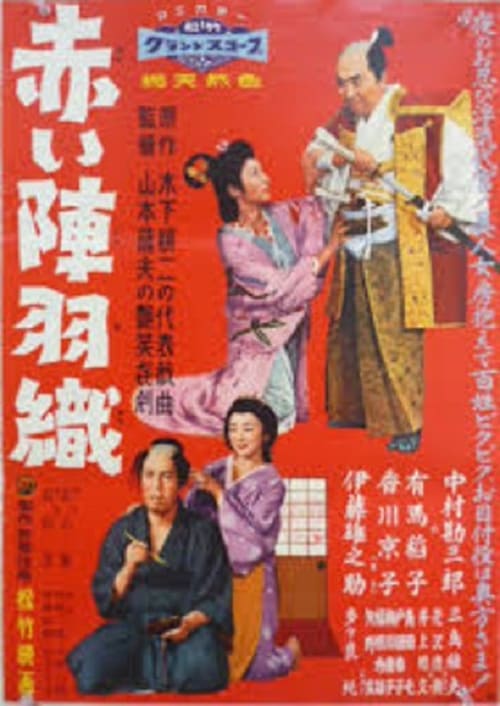
The story chronicles the life of Ii Naosuke.
Life of a Flower

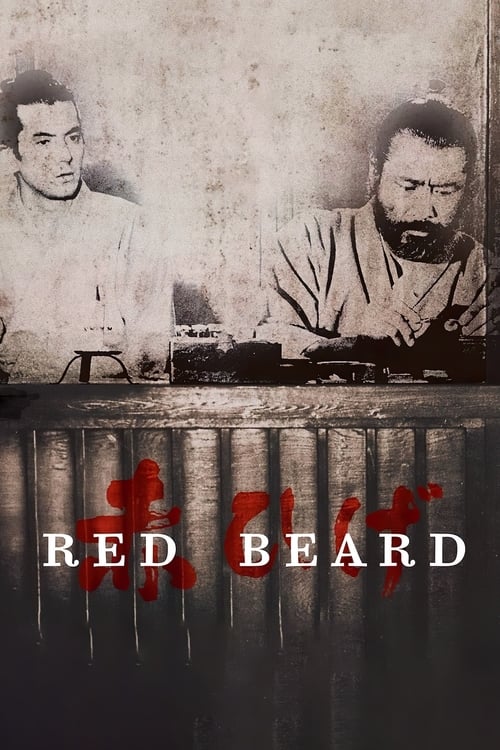
Aspiring to an easy job as personal physician to a wealthy family, Noboru Yasumoto is disappointed when his first post after medical school takes him to a small country clinic under the gruff doctor Red Beard. Yasumoto rebels in numerous ways, but Red Beard proves a wise and patient teacher. He gradually introduces his student to the unglamorous side of the profession, ultimately assigning him to care for a prostitute rescued from a local brothel.
Red Beard

In this loose adaptation of "Hamlet," illegitimate son Kôichi Nishi climbs to a high position within a Japanese corporation and marries the crippled daughter of company vice president Iwabuchi. At the reception, the wedding cake is a replica of their corporate headquarters, but an aspect of the design reminds the party of the hushed-up death of Nishi's father. It is then that Nishi unleashes his plan to avenge his father's death.
The Bad Sleep Well

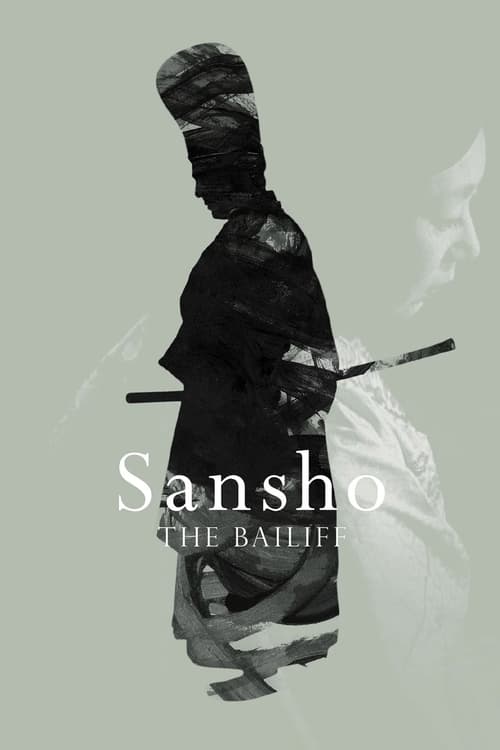
In 11th-century feudal Japan, following the exile of an idealistic governor, his wife and children are separated by slave traders; the children, Zushio and Anju, are sold into brutal servitude under the cruel bailiff Sansho.
Sansho the Bailiff

Set in a sake brewery in Niigata, from the Taisho to the Showa period, Retsu is a visually impaired girl with a strong will to make her own way in the world. Her aunt, Saho, watches over and supports her. The series centered on two women with opposing positions and personalities, depicting "home" as a member of pre-war Japanese society, along with a variety of human figures.
Kura

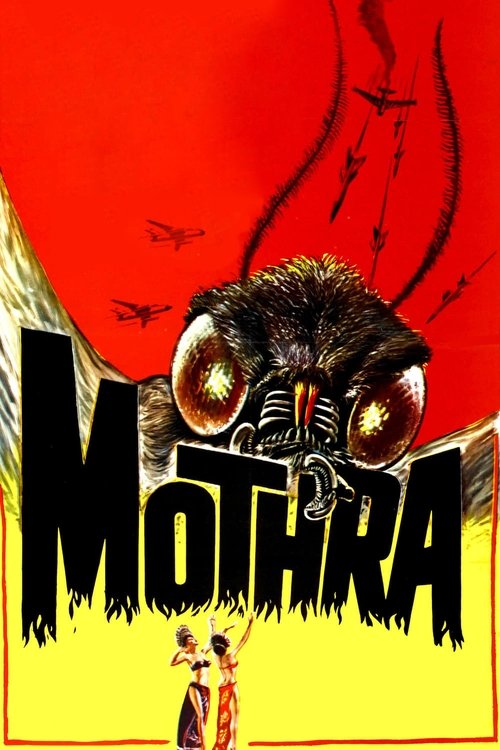
Shipwreck survivors found on the presumably uninhabited Infant Island leads to a scientific expedition that discovers a surviving native population along with the Shobijin, tiny twin fairy priestesses of the island's mythical deity called Mothra. After the fairies are kidnapped by an exploitative businessman named Clark Nelson, Mothra sets out to rescue them.
Mothra

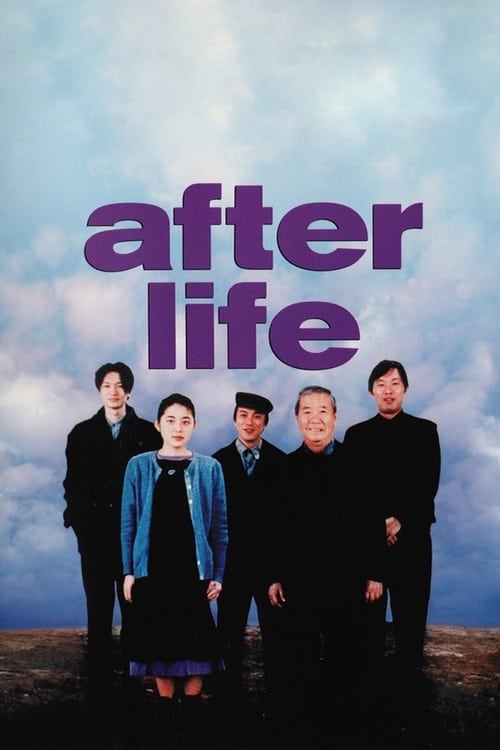
On a cold Monday morning, a group of counselors clock in at an old-fashioned social services office. Their task is to interview the recently deceased, record their personal details, then, over the course of the week, assist them in choosing a single memory to keep for eternity.
After Life

Silent poor... the poor and needy whose cries for help are drowned out in today's busling society. Their existence is spreading rapidly across the nation, and as such, the government decided to set up a body to help them. Nationwide, there are now people called Community Social Workers (CSW), and their jobs are to attend to the poor and needy. One such person is Satomi Ryo, and she works at the Shitamachi area's Council of Welfare. The people that she meets in her busy working life are people afflicted with juvenile dementia, those who have shunned society and locked themselves up in their rooms, the homeless... generally people who are in despair over life and the fate dealt to them. Ryo herself had been down the lonely road before, and as a way to pull herself out of her depression, she decided to work as a CSW, in order to help others like her. She strongly believes that one can always start all over again, and it is her belief that helps her to move forward in life.
Silent Poor

In postwar Tokyo, beloved writer-professor Hyakken Uchida retires and is buoyed through hardship by the fierce devotion of his former students, who honor him each year with a raucous “Not yet!” birthday toast. Told in warm, gently comic vignettes, Kurosawa’s farewell celebrates aging, friendship, and the sustaining ritual of teacher and pupils refusing to say goodbye.
Madadayo

Residents of a rundown boardinghouse in 19th-century Japan, including a mysterious old man and an aging actor, get drawn into a love triangle that turns violent. When amoral thief Sutekichi breaks off his affair with landlady Osugi to romance her younger sister, Okayo, Osugi extracts her revenge by revealing her infidelity to her jealous husband.
The Lower Depths

An account of the life and work of legendary Japanese actor Toshirō Mifune (1920-97), the most prominent actor of the Golden Age of Japanese cinema.
Mifune: The Last Samurai

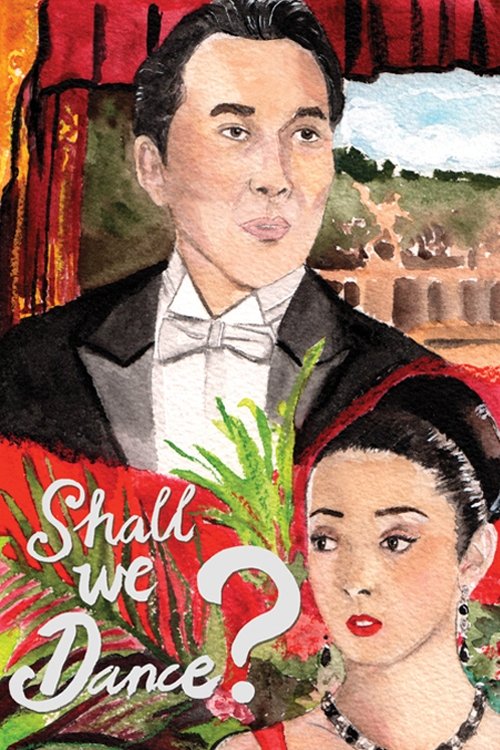
A bored accountant spots a beautiful woman in the window of a ballroom dance studio. He secretly starts taking dancing lessons to be near her, and then over time discovers how much he loves dancing. His wife, meanwhile, has hired a private detective to find out why he has started coming home late smelling of perfume.
Shall We Dance?

When the wife of a 17th-century Kyoto scrollmaker is falsely accused of having an affair with his best employee, the pair flee the city and find themselves truly falling for one another.
Chikamatsu Monogatari

The legend of the birth of Shintoism. In Fourth Century Japan, the Emperor's son Ouso expects to succeed his father on the throne, but Otomo, the Emperor's vassal, prefers Ouso's stepbrother, and conspires to have Ouso die on a dangerous mission he has contrived. But Ouso prevails in the mission and returns to his father's castle under a new name, Prince Yamato Takeru. Otomo plots to have the Prince sent into even greater danger, but Otomo is unaware that the gods have favored the Prince and the outcome is far from what any of them expected.