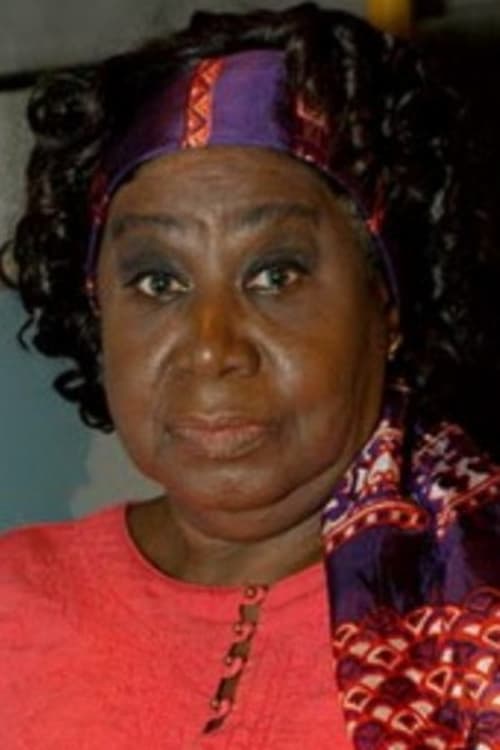
Marina Miranda
Acting
Known For
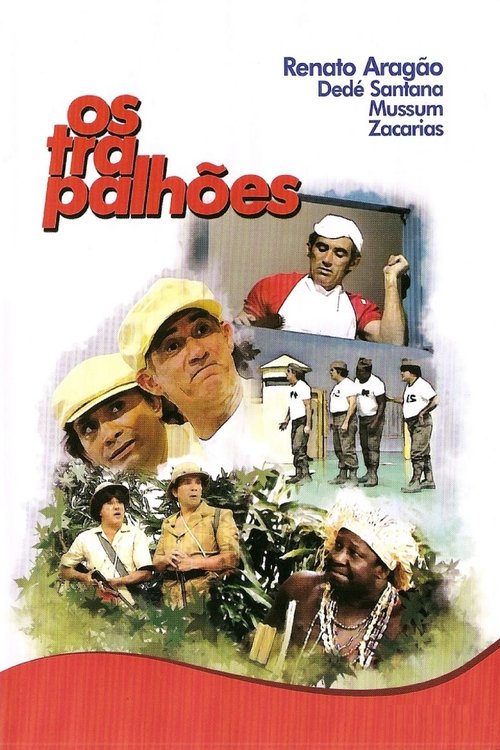
Os Trapalhões was a Brazilian comedy group and also a Brazilian television series created by Wilton Franco. Its members were Dedé Santana, Zacarias, Mussum and their leader Didi Mocó, that was played by Renato Aragão. The name Trapalhões is derived from the Portuguese verb atrapalhar, which means the opposite of helping, to do something the wrong way or to Those that confuse. The name is translated "Tramps" in English DVD subtitles. It was aired by Rede Globo from 1977 to 1999. On March 18, 1990, Zacarias died due to respiratory failure, but the group and the series didn't come to an end until July 29, 1994, when Mussum died due to an unsuccessful heart transplant.
The Trapalhões

No description available.
Caminhos do Coração
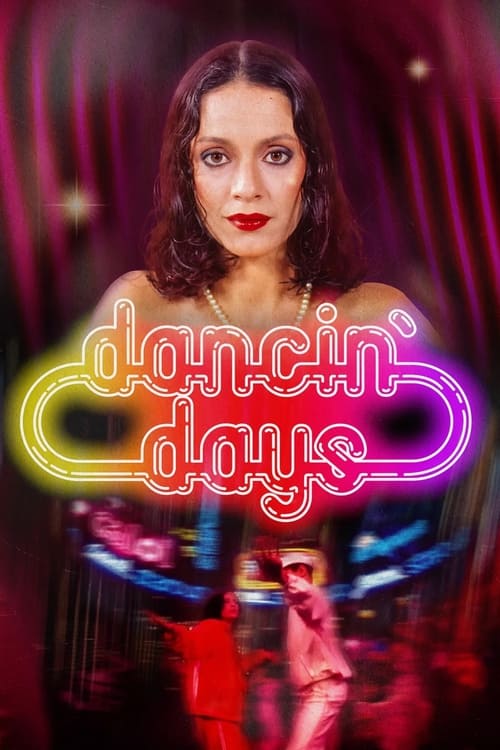
A down-on-her-luck former inmate tries to reconnect with her daughter--to the objections of her sister who raised the girl, meets a millionaire, and transforms into a strong woman, returning to society at Dancin' Days nightclub's opening.
Dancin' Days
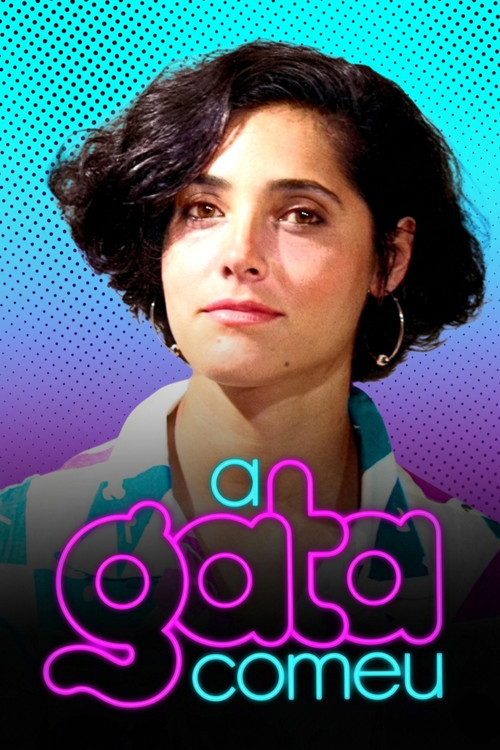
After getting lost on a sea excursion, Jô Penteado and Fábio Coutinho develop mutual feelings during the two months they spend stranded on a deserted island.
A Gata Comeu

No description available.
O Dono do Mundo
No description available.
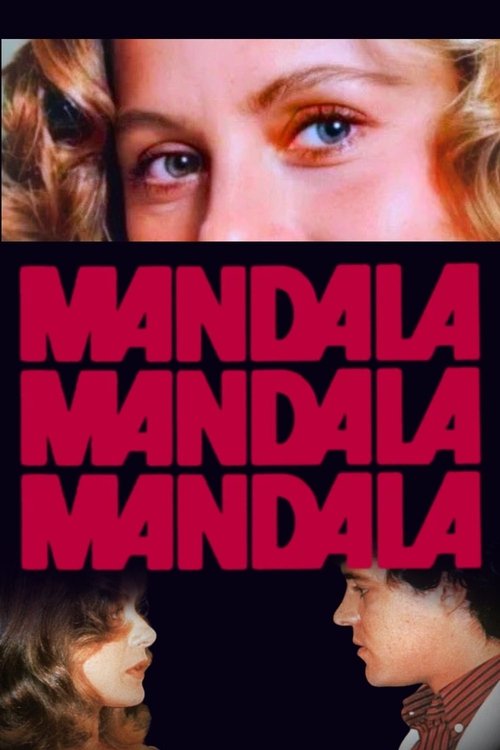
Mandala
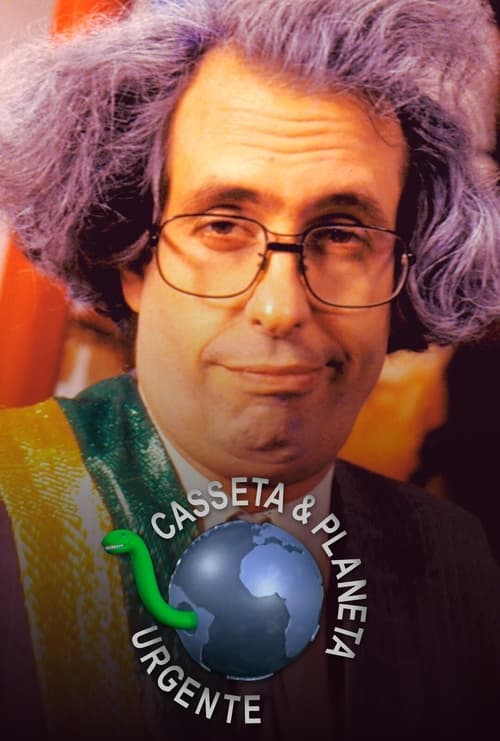
Casseta & Planeta is a Brazilian group of comedians who run a TV show named Casseta & Planeta Urgente, broadcast by Rede Globo. The humour featured on the show is mostly satirical, relating to religious or ethical groups, and minorities. The group founded a company called Toviassu Produções Artísticas, whose name is an acronym composed of syllables from the phrase "Todo viado é surdo" – "Every gay is deaf"; which is the ending of a widely known Brazilian practical joke. Each one of the seven members has a specific function within the company. They present their TV show at Rede Globo and publish a website and many books, among other products, for example the "Machobol". Originally a magazine named Casseta Popular and a humour newspaper called O Planeta Diário, the two teams joined forces and were hired by Rede Globo to become writers for the network's comedy shows, starting with TV Pirata in 1988. A few years later, they starred in their own show.
Casseta & Planeta, Urgente!
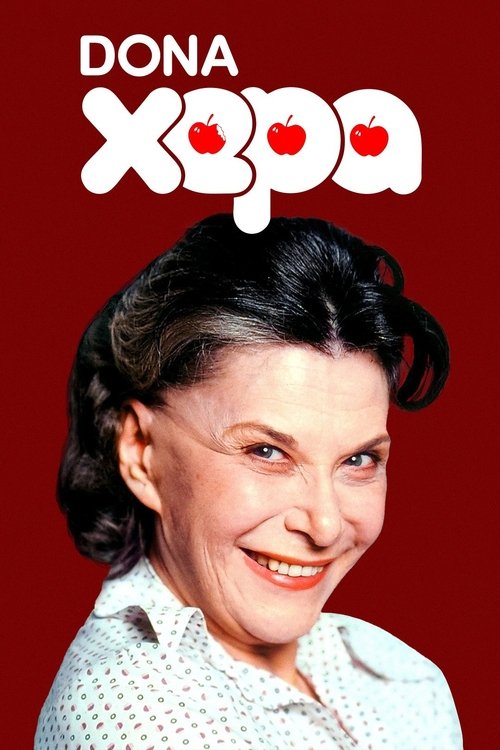
A hardworking market vendor, Mrs. Xepa faces many sacrifices to raise her children alone. However, as they achieve social advancement, they begin to feel ashamed of their mother.
Dona Xepa
No description available.
Balança Mas Não Cai
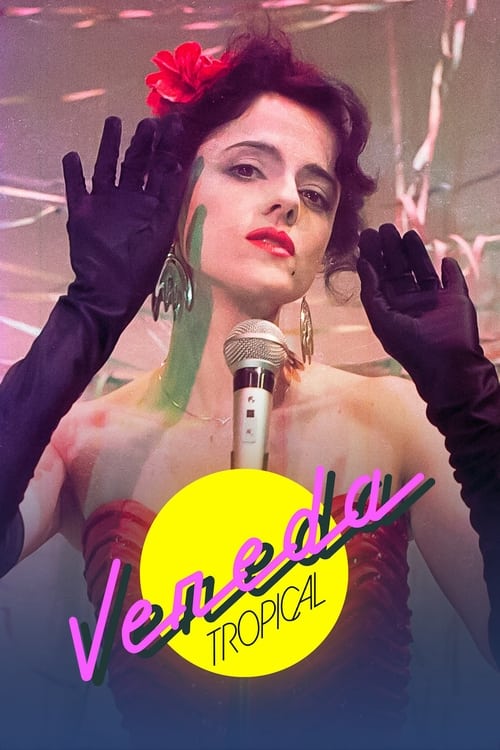
The story revolves around the conflicts within Silvana and Oliva's family—her mother and paternal grandfather—who are fighting for custody of Zeca after the child's father dies.
Vereda Tropical

No description available.
Prova de Amor
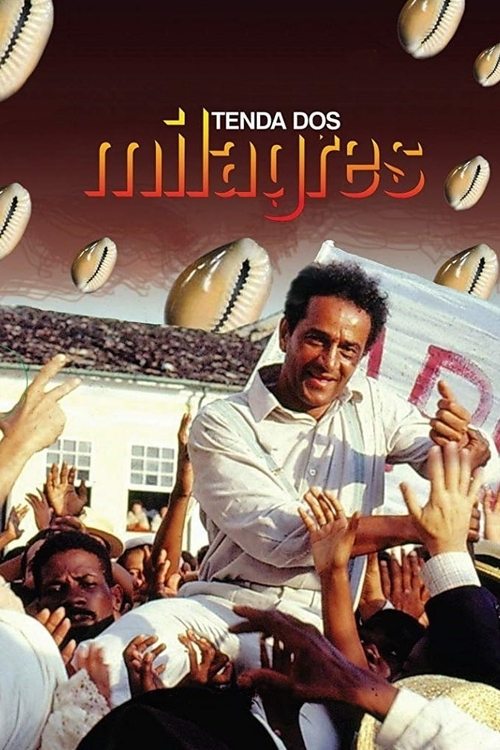
No description available.
Tenda dos Milagres
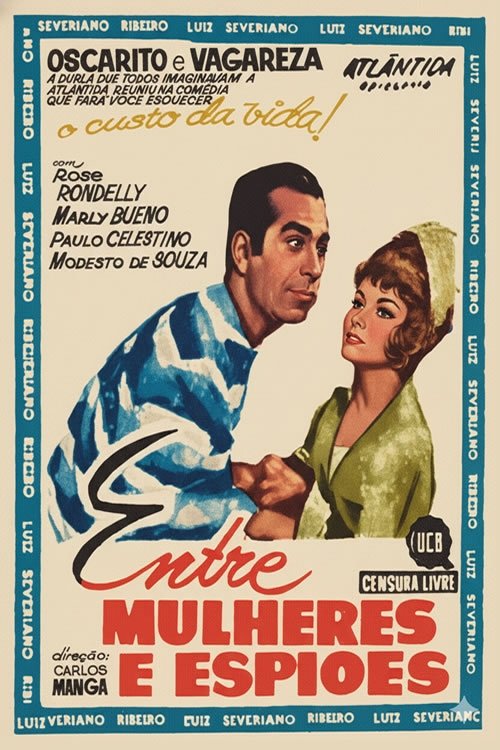
No description available.
Entre Mulheres e Espiões

No description available.