
Watusi
Acting
Known For

Midi Première is a French variety show presented by Danièle Gilbert, directed by Jacques Pierre and broadcast from January 6, 1975 until January 1, 1982 on TF1. The program was generally broadcast between 12:15 p.m. and 12:55 p.m., then giving way to the 1:00 p.m. TV news. However, the broadcast schedule could change, depending on the guests, and the setting where the recording of the program was shot. Certain performances by artists who have become cult like the one where Ringo jostles with a demonstrator in interpretation (1977), that of Dalida with the title There is always a song with the soundtrack that does not start, twice, at the right speed (1978), Claude François and his Clodettes, who, in the provinces, are unable to join "the set" in order to interpret his song, the latter being taken by the crowd of delirious fans (summer 1977) . The group Supertramp performed there with the title "Dreamer" on March 8, 1975.
Midi Première

No description available.
O Som do Vinil

No description available.
A, E, I, O... Urca
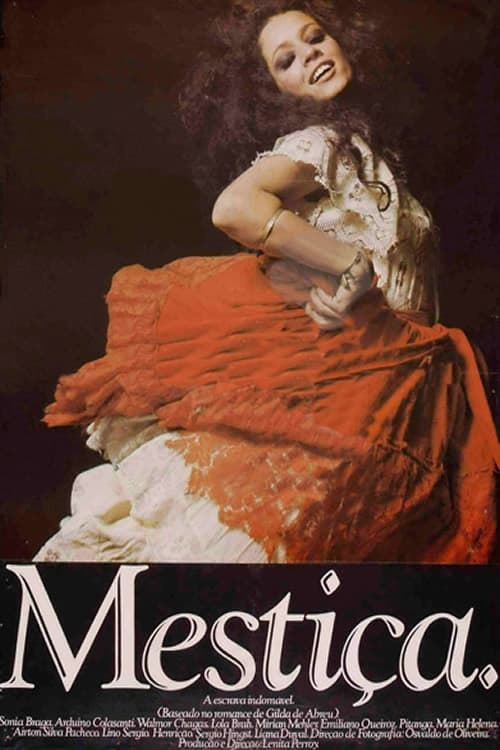
On a farm in rural Brazil in the 18th century, a new overseer arrives. He falls in love with one of the enslaved women, Mestiça, beloved by all the men. When a pair of silver earrings disappears from the farm and the overseer orders the leader of the enslaved women arrested, Mestiça decides to take revenge.
Mestiça, a Escrava Indomável

Created by Haroldo Costa in 1956, "Brasiliana" was a Brazilian musical with a repertoire of Black music that toured the world, visiting more than 90 countries between the 1950s and 1960s. Bringing Afro-Brazilian music, dance, and culture to international audiences at a time when Brazil was still synonymous with "samba, football, and beautiful women," the show helped present a more authentic image of the country's culture to the world.
Brasiliana: The Black Musical That Introduced Brazil to the World
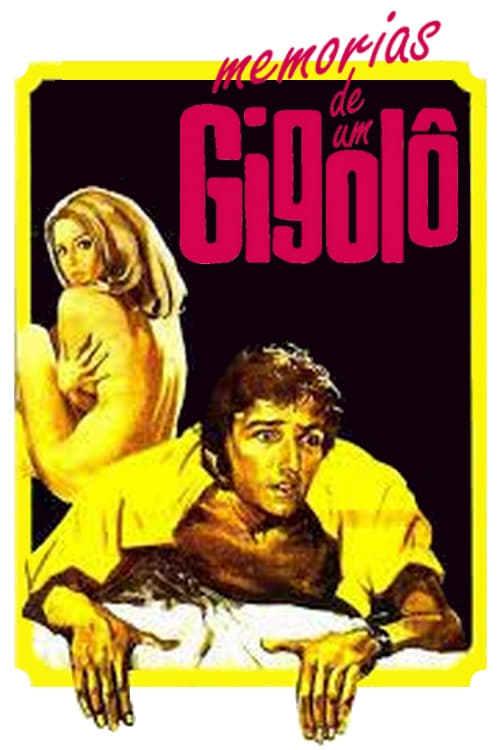
Man raised in a brothel tries to earn his living as a pimp, but gets in trouble when his girlfriend cheats on him with an older man.