Acting
Os Trapalhões was a Brazilian comedy group and also a Brazilian television series created by Wilton Franco. Its members were Dedé Santana, Zacarias, Mussum and their leader Didi Mocó, that was played by Renato Aragão. The name Trapalhões is derived from the Portuguese verb atrapalhar, which means the opposite of helping, to do something the wrong way or to Those that confuse. The name is translated "Tramps" in English DVD subtitles. It was aired by Rede Globo from 1977 to 1999. On March 18, 1990, Zacarias died due to respiratory failure, but the group and the series didn't come to an end until July 29, 1994, when Mussum died due to an unsuccessful heart transplant.
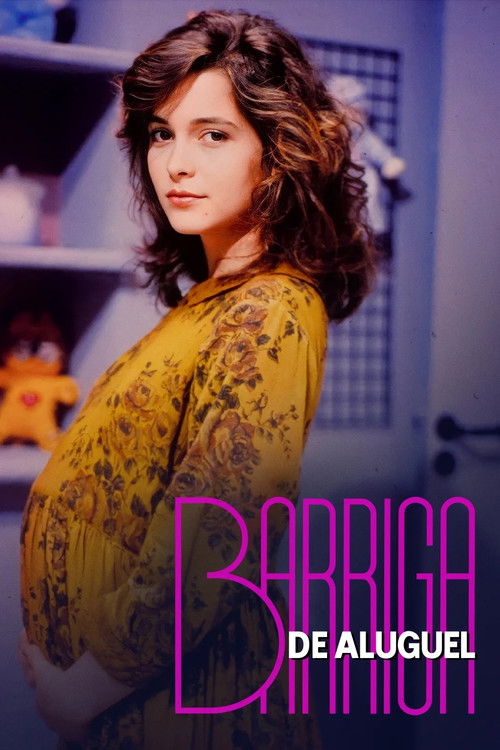
Ana and Zeca have a happy marriage, but they can't have children. To fulfill their dream, the couple hires the young Clara as a surrogate mother, which leads them into a legal dispute.
No description available.
Nonô Corrêa, a character inspired by Molière's "The Miser", is the story's protagonist. The orphan Zezinho crosses paths with Nonô and wins the neurotic gentleman's heart.
Carlão is a taxi driver who experiences a drama of conscience after fleeing bank robbers leave a suitcase with stolen money in his car: he doesn't know whether to hand it over to the police, running the risk of being accused of being an accomplice in the robbery, or whether to use the money to solve his problems.
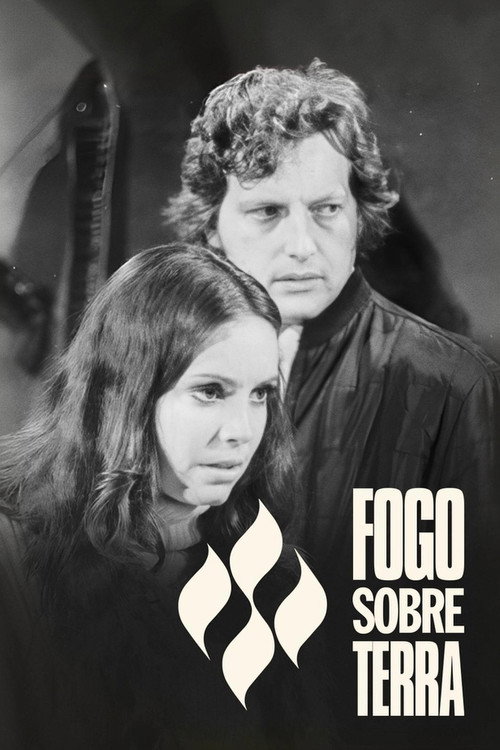
The plot takes place in a fictional city called Vale do Café, where two powerful families, the Toledo and Fontes, are locked in an intense dispute for power and land ownership. Conflicts are marked by betrayals, forbidden loves and dark secrets. The soap opera addresses themes such as ambition, revenge, romance and conflicts between families, showing the fire that consumes the land and human relationships.
Saramandaia is a Brazilian telenovela originally written by Dias Gomes in 1976. It's considered remarkable because of the Magic Realism (used by the author to subtly criticize the Military Regime of the time) and had 160 chapters. The story centers on the name change that the city undergoes, promoted by the younger citizens and reviled by the older ones. It also focuses on the lives of the city's quirky residents.
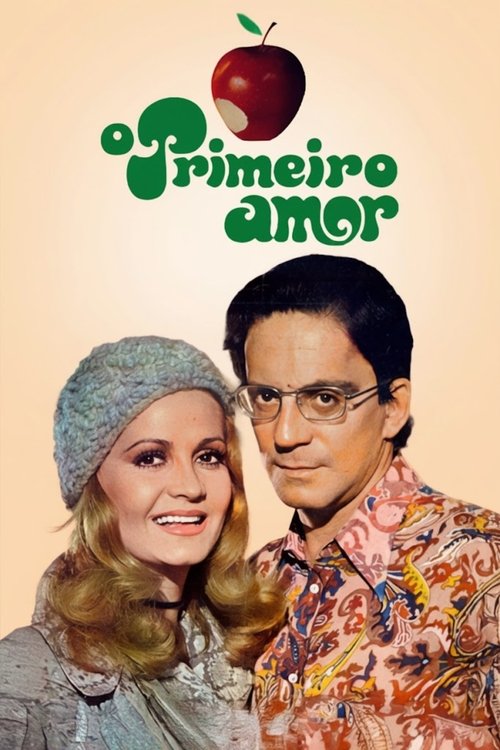
Professor Luciano Lima arrives in the fictional town of Nova Esperança to take over as principal of a school. A widower, he hires a governess to take care of his four children: Júnior, Babi, Zizi, and Rui. The professor and the governess, Paula, fall in love, but the romance faces strong resistance from the children, especially Babi, the most rebellious of the four. Luciano also encounters difficulties at the school. His former girlfriend, English teacher Maria do Carmo, does everything she can to steal his position as principal. Meanwhile, a group of maladjusted and rebellious students, led by the biker Rafa, disrupts the school environment and bothers the other students. In this scenario, Giovana, a young psychologist hired by Luciano to help him deal with the rebellious students, emerges. She ends up forming a love triangle with Paula and the professor.
Maria Augusta, Maria José, and Maria da Glória reunite in Rio after studying together in Switzerland and prove their friendship despite many twists and turns, crimes, and romances.
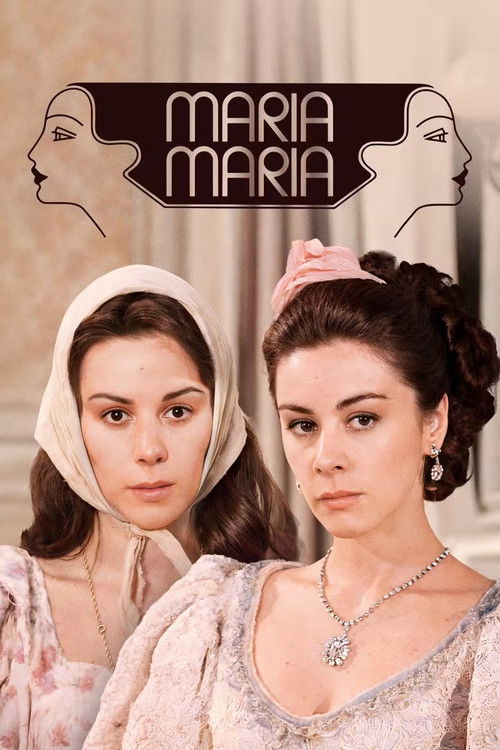
In the backlands, the drover Ricardo marks the destiny of young Maria. Years later, in Xique-Xique, a mistake between two identical women rekindles passions, separations, and an impossible love.
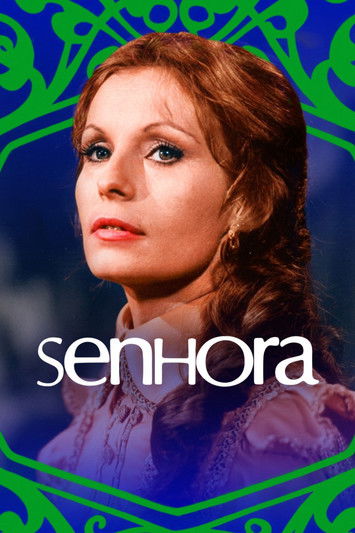
The soap opera follows the story of young Aurélia Camargo (Norma Blum), a girl who falls in love with the ambitious young journalist Fernando Seixas (Cláudio Marzo), who also falls in love with her, but rejects her when he receives an invitation to marry Adelaide (Fátima Freire), the daughter of Tavares do Amaral (Felipe Wagner), a wealthy banker. Feeling abandoned by her great love, Aurélia dreams of one day having him back. Until, when she turns 18, she is surprised with an inheritance from her grandfather, and becomes a very rich woman, allowing her to create her own rules for her life. However, for the society of the time, it was not good form for a woman to enjoy such independence. For this reason, Aurélia begins to rely on a distant relative, Dona Firmina Mascarenhas (Zilka Sallaberry), to act as her mother, and on the administrator Mr. Lemos (Alberto Perez), to guide her in business. So, she sees a great opportunity to have Fernando in her life again.
In love since childhood, Flô and Arnaldo join forces in the fight for the abolition of slavery. They will have to face challenges and prejudices to be able to live their love.