Gustave Charpentier
Sound
Known For
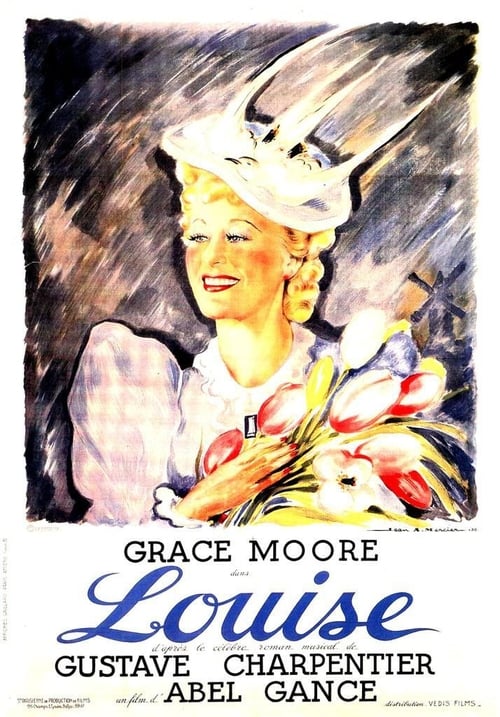
Louise, a young seamstress, has fallen in love with Julien, her neighbor, a composer who leads a bohemian lifestyle with his friends, who are artists like him. Her overprotective working-class parents are, unfortunately, opposed to her marrying the man she loves. Louise then decides to run away with Julien. One day, she runs into her father, who is now very ill...
Louise
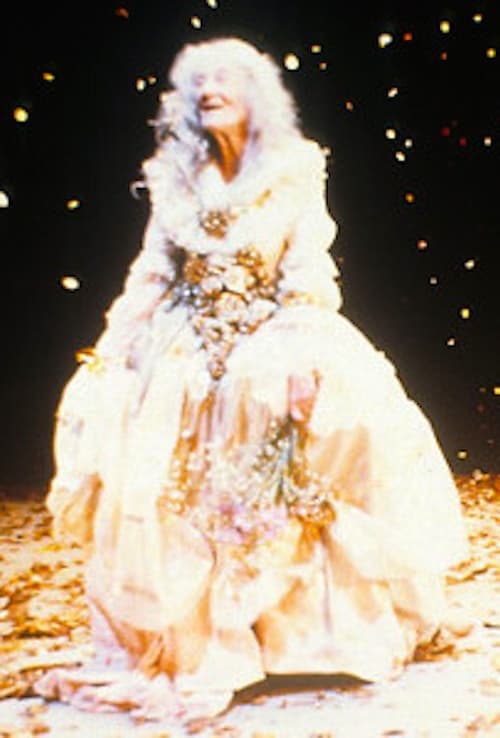
Derek Jarman's interpretation of the aria 'Depuis le jour' from the final act of Gustave Charpentier's opera Louise (1900) features Aimée Delamain as an aging opera singer taking her final bow and recalling a love affair from her youth. As the aria goes: 'Et je tremble délicieusement au souvenir charmant du premier jour d'amour! (And I tremble deliciously at the delightful memory of the first day of love!)' – Her reveries feature Tilda Swinton and Spencer Leigh wandering around the topiaries of Swinton's family garden and at various seaside locations. The film was made for Aria (1987), the portmanteau project of producer Don Boyd who invited ten directors to create short films set to operatic arias of their choice. The particular performance used in Depuis le jour is by esteemed African-American soprano Leontyne Price.
Depuis le Jour
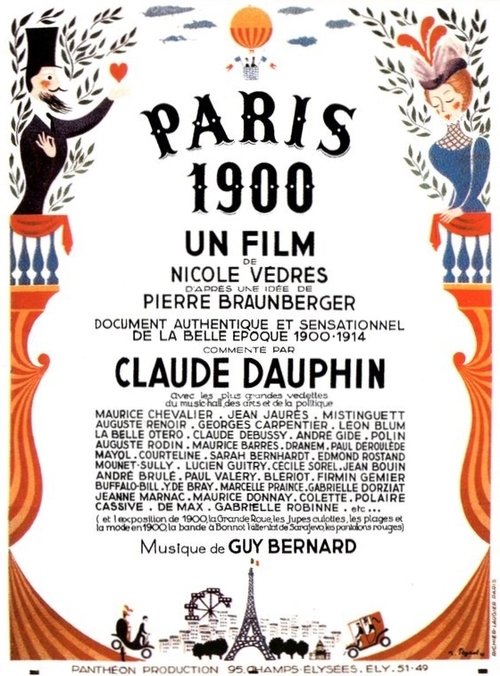
Nicole Védrès' chronicle of Paris from 1900 to 1914 is brought to life through the use of original material, all authentic, secured from more then 700 films belonging to public and private collections. A few of the celebrities of the time shown are Enrico Caruso, Sarah Bernhardt, and Maurice Chevalier.
Paris 1900

A huge success when it premiered at the Opéra-Comique in 1900, Gustave Charpentier’s (1860-1956) “musical novel in four acts and five scenes” was panned by the critics, who considered its depiction of female desire and its heroine’s rebellion against her family to be scandalous. In this new reading, Christof Loy (Salomé) – famous for his meticulous productions, precise direction and refined aesthetic – has detected beneath the innovative theme of female emancipation an unspoken aspect of Charpentier’s libretto: the toxic family relationship in which Louise finds herself trapped, and the hold that her possessive – even abusive – father exerts over her with the complicity of her mother. Keen to tell the story without judging the characters, the director draws the audience into Louise’s subconscious, highlighting the darker side of a society that, far from emancipating its daughters, only offers them cheap romance as a deflection from the frustrations of their limited prospects.