FEEL IT.STREAM
Zouzou

Zouzou

Acting

Biography

Zouzou (born Danièle Ciarlet on November 29, 1943) is an actress, model, singer and icon of the 1960s and early 1970s. She is known largely for her lead role in Éric Rohmer's Love in the Afternoon. Her career, however, was constantly hampered by her addiction to heroin and other drugs. She went for detox for 2 years away in the Antilles. Description above from the Wikipedia article Zouzou, licensed under CC-BY-SA, full list of contributors on Wikipedia.

Known For

No image
4.7

The BBC's flagship cinema review TV program featuring reviews of new releases, news items and interviews. The title of the program changes each year to incorporate the year of broadcast.

Film '72

1971
Cadet Rousselle
N/A

No description available.

Cadet Rousselle

1971
The Last Woman
6.1

Psychological drama of the compelling relationship between a young French engineer and the girl he takes into his home after his wife has left him with their baby son.

The Last Woman

1976
Guardian Angels
6.1

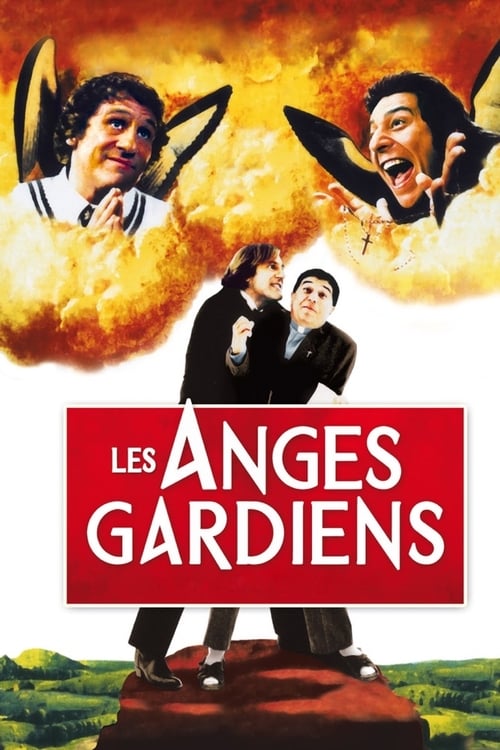
A sleazy Paris nightclub owner and ex-detective flies to Hong Kong to rescue the young son of a friend murdered by the Chinese mob.

Guardian Angels

1995
Love in the Afternoon
7.3

Frederic leads a bourgeois life; he is a partner in a small Paris office and is happily married to Helene, a teacher expecting her second child. In the afternoons, Frederic daydreams about other women, but has no intention of taking any action. One day, Chloe, who had been a mistress of an old friend, begins dropping by his office. They meet as friends, irregularly in the afternoons, till eventually Chloe decides to seduce Frederic, causing him a moral dilemma.

Love in the Afternoon

1972
S*P*Y*S
5.4

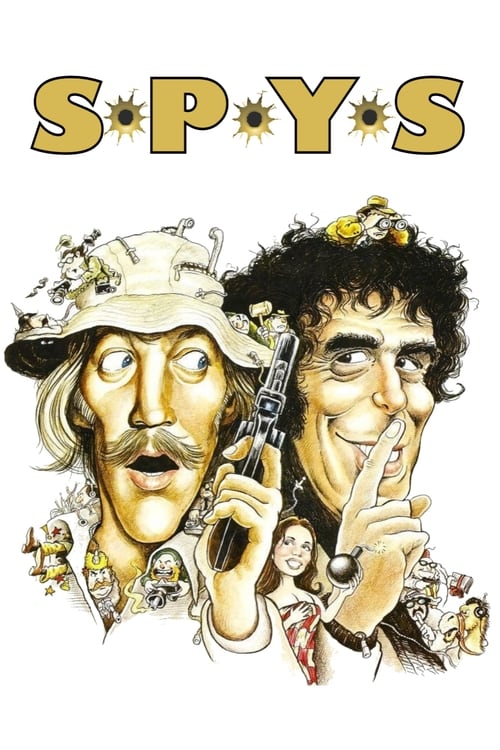
Two CIA bunglers botch a Soviet defection, then both sides mark them for termination.

S*P*Y*S

1974
The Stones and Brian Jones
7.1

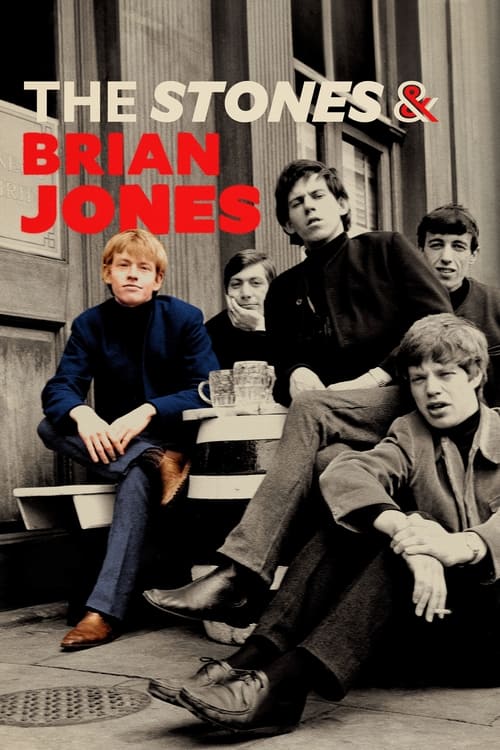
A look at the relationships and rivalries within The Rolling Stones in their formative years, as well as the creative musical genius of Brian Jones, key to the success of the band.

The Stones and Brian Jones

2024
Cinématon
4.9

Cinématon is a 156-hour long experimental film by French director Gérard Courant. It was the longest film ever released until 2011. Composed over 36 years from 1978 until 2006, it consists of a series of over 2,821 silent vignettes (cinématons), each 3 minutes and 25 seconds long, of various celebrities, artists, journalists and friends of the director, each doing whatever they want for the allotted time. Subjects of the film include directors Barbet Schroeder, Nagisa Oshima, Volker Schlöndorff, Ken Loach, Benjamin Cuq, Youssef Chahine, Wim Wenders, Joseph Losey, Jean-Luc Godard, Samuel Fuller and Terry Gilliam, chess grandmaster Joël Lautier, and actors Roberto Benigni, Stéphane Audran, Julie Delpy and Lesley Chatterley. Gilliam is featured eating a 100-franc note, while Fuller smokes a cigar. Courant's favourite subject was a 7-month-old baby. The film was screened in its then-entirety in Avignon in November 2009 and was screened in Redondo Beach, CA on April 9, 2010.

Cinématon

1978
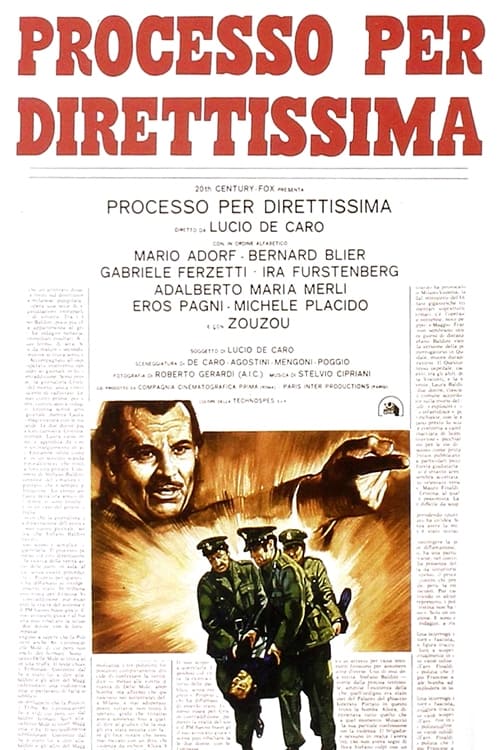
Quick Trial
6.3

After a terrorist attack against a train, the police arrest the young laborer Stefano Baldini, member of a group of militant leftists. Entrusted for interrogation to Sergeant Pendicò and special agents Lorusso and Spasiani, Stefano dies, after four days, in unclear circumstances. Doubting the official version of the police, the second time in which a young person died in custody, journalist Cristina Visconti tries, with the aid of the sister of Stefano, to discover the truth. They rub up against a conspiracy of silence that encircles the acts of Pendicò and his associates. Frustrated beyond reason, Cristina tries a desperate ploy: publishing a story without evidence in the newspaper, accusing the three agents of having caused the death of Stefano with their blows. Cristina is put on trial for defamation. Can she avoid going to jail and also reveal the facts surrounding Stefano's death?

Quick Trial

1974
Sky Riders
6.2

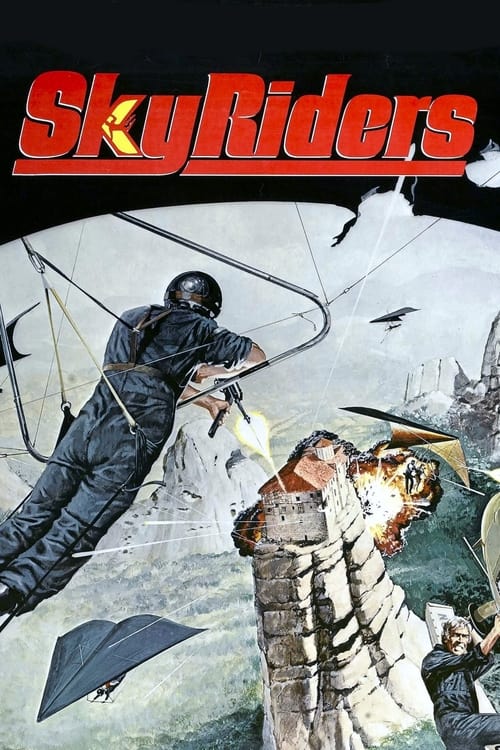
When an industrialist's wife and kids are kidnapped by terrorists in Greece, the woman's ex-husband comes to the rescue with a plan involving hang gliders.

Sky Riders

1976
Les Contes secrets ou les Rohmériens
10.0

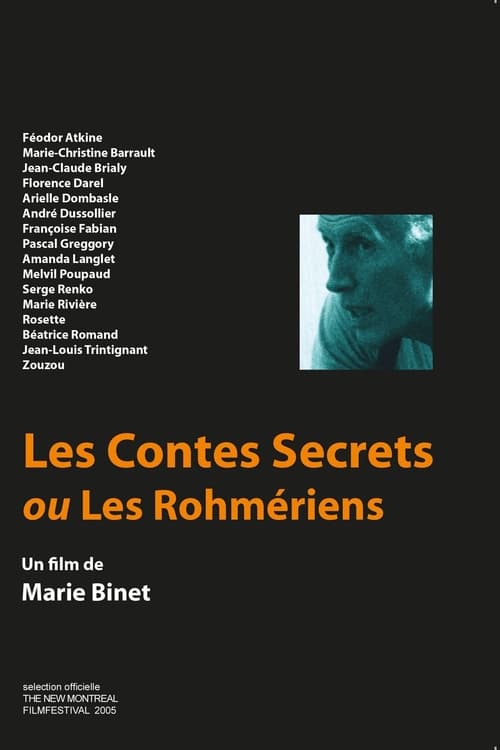
Les Contes Secrets ou les Rohmériens features interviews with 16 actors who have appeared in Rohmer's films, and they talk on camera about his unusual working methods, his personality, and his spare but evocative signature style. Among the thespians who share their memories are Jean-Louis Trinitignant, Marie-Christine Barrault, Zouzou, Jean-Claude Brialy, Béatrice Romand, Françoise Fabian, and Andre Dussolier; the film also includes rare footage of Rohmer himself at work on the set of his 1978 effort Perceval.

Les Contes secrets ou les Rohmériens

2005
Lola's Lolos
5.3

In a deliberately erratic and disjointed fashion, this film follows the adventures of Bernard (Jean-Pierre Leaud). A young man from the provinces, he makes his pilgrimage to Paris and seeks adventure while living on a barge.

Lola's Lolos

1976
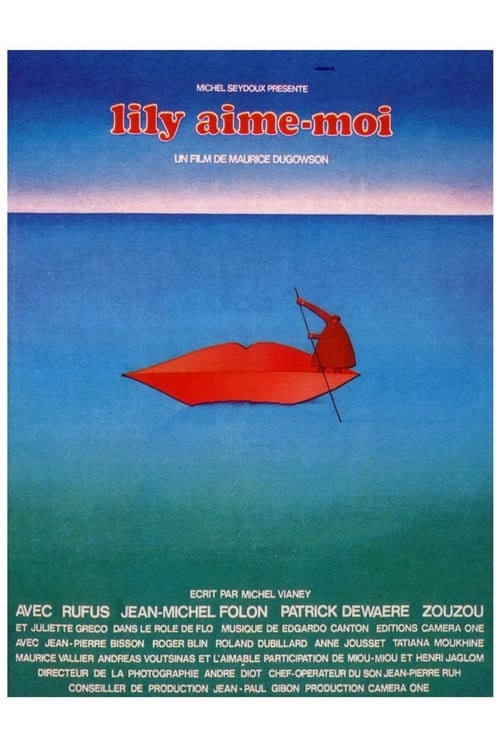
Lily, aime-moi
5.7

Everything starts when a journalist François decides to investigate the world of working class people. He gets into the lives of Claude, a worker and his wife Lily who has left him.

Lily, aime-moi

1975
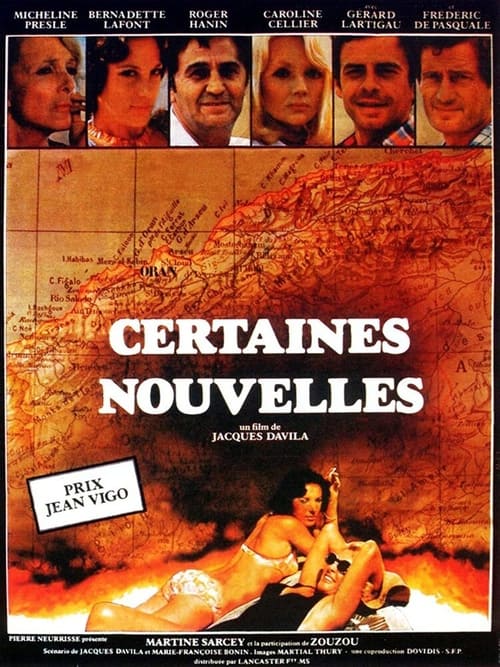
Certaines nouvelles
7.3

No description available.

Certaines nouvelles

1980
Comme un poisson dans l'eau
7.0

When his uncle Paul died, Lucien Berlemont inherited a telescope and a sextant, which only aggravated his aversion to the high seas. At the age of 20, he began taking clandestine navigation courses. During his vacations in St-Lunac, even Mr. Dumesnil's daughters struggled to distract him from his marine reveries. But one evening, he inadvertently finds himself locked up with Marie-Angeline; the consequences of this prolonged evening force him to make a decision and commit himself, for better or for worse, to one of the Dumesnil girls.

Comme un poisson dans l'eau

1962
No image
7.5

A thriller in which the characters are Latin-American exiles living in Paris. It is also a comedy about artists who play at revolution rather than actually participate in one

The Sorceror's Apprentice

1977
No image
7.5

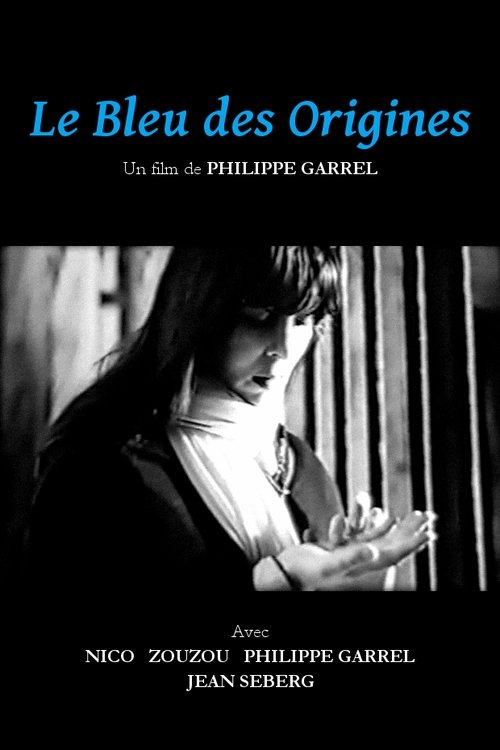
A year and a half after "Le Lit e la vierge", Zouzou and Pierre Clémenti are in another bed, this time in front of a window, with Sacré-Coeur in the background. Filmed in two days, in July 1970, with a stolen film from the ORTF, this film, a tribute to these two vedettes of the French underground, is of immense beauty. The title is inspired by the silhouette of Pierre Clémenti, evocative, for Lagrange, of the male physicist during the Renaissance. Grandson of Léo Lagrange and nephew of the chief operator Ghislain Cloquet, Yvan Lagrange is two years younger than Philippe Garrel. "Renaissance", his first film, shows to what extent his generation was influenced by Garrel.

Renaissance

1970
Concentration
8.7

La Concentration features an androgynous young man (Jean-Pierre Léaud) and woman (Zouzou), dressed only in their underwear, locked in a room with a bed.

Concentration

1968
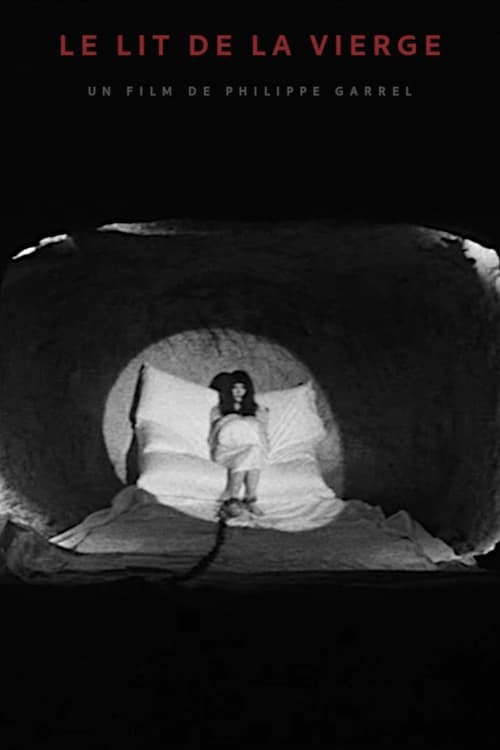
The Virgin's Bed
5.8

30 year old child enters the new city, riding on a donkey. He says he is the Savior. He has spent no time among men. He is trembling with cold. His clothes are soaked. His mother was overprotective ; his father conspicuously absent. He knows that he must face the mockery, refusal, ignorance and blindness of the men around him. They travel in gangs, in large numbers : soldiers, mercenaries or the like, on majestic, imposing horses. Everything is out of proportion to his thin, bewildered, innocent body ; he is the madman of the new city...

The Virgin's Bed

1969
L’Or et le plomb
N/A

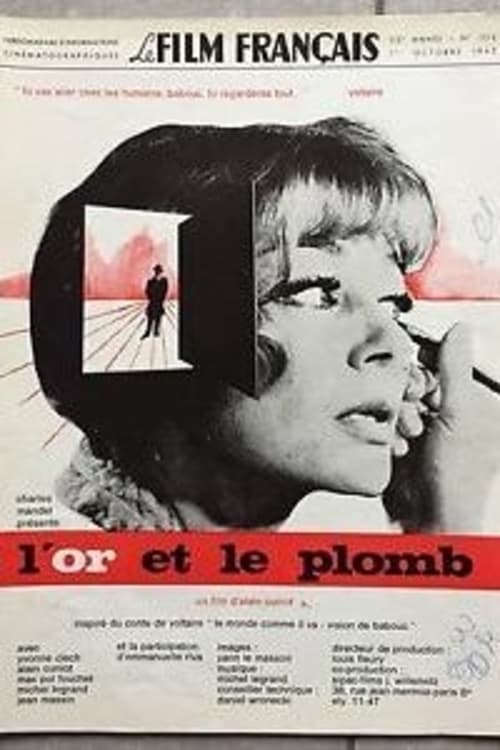
The story is based on Voltaire's tale "Le monde comme il va" ("The world as it is"). Sent by the genie who presides over the destiny of Persepolis (Paris!), the Scythian Babouc carefully informs himself of everything, to tell the genie whether or not to destroy the city. This is the pretext for a series of interviews, scenes taken on the spot or reconstructed in the studio. We meet a musician who lives for his art and a Marxist historian, both of them optimists in the end; but also a war widow and an economically weak old lady: while the "fureur de vivre" gives free rein to the Golf Drouot and socialites hide their turpitudes behind a façade of good manners. A large, poorly housed family bravely faces up to its fate, and the children are happy; a working-class household talks about the union struggle, inhumane working conditions and reasons for hope. Finally, a poet sums it all up by talking about his commitment to the service of mankind.

L’Or et le plomb

1966