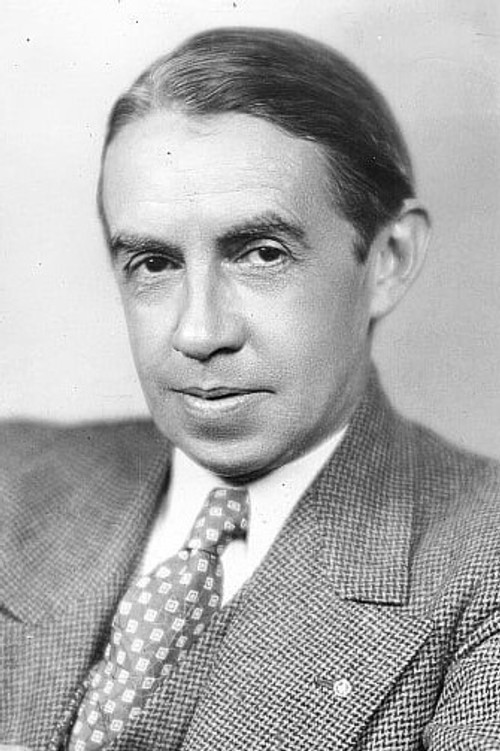
Harlan Briggs
Acting
Biography
From Wikipedia, the free encyclopedia Harlan Briggs (August 17, 1879 – January 26, 1952) was an American actor and vaudeville performer who was active from the 1930s until his death in 1952. During the course of his career he appeared on Broadway, in over 100 films, as well as appearing on television once towards the end of his career. Briggs was born in Blissfield, Michigan. Although he was a graduate of the University of Michigan Law School, he chose to go into acting rather than pursue a career in law. His acting career began in vaudeville at around the beginning of the 20th century. He would make his Broadway debut in 1926, in the drama Up the Line. He worked steadily on Broadway through 1935. On August 6, 1929 he began a successful run in the featured role of G. A. Appleby in It's a Wise Child at the Belasco Theatre. In 1934 he had another featured role in the successful play Dodsworth, as Tubby Pearson. The show opened at the Shubert Theatre on February 24, 1934 and ran for 147 performances, starring Walter Huston as Samuel Dodsworth. After a six-week hiatus, the show reopened at the Shubert on August 20 and ran for an additional 168 performances. When Samuel Goldwyn bought the rights to the play, Briggs was one of two of the original Broadway cast to reprise their roles in the film, the other being Huston in the title role. Briggs would focus on his film career for the remainder of the 1930s, before returning to Broadway in the 1940s, combining both stage and screen performances during that decade. The most successful of his Broadway appearances in the 1940s was as Constable Small in Ramshackle Inn, which featured ZaSu Pitts in her Broadway debut. The Story of Mary Surratt, in which Briggs appeared in 1947, was Briggs' 400th play. Beginning with Dodsworth, Briggs worked consistently in films over the next 16 years, until his death in 1952, appearing in over 100 films. His most famous role was as Dr. Stall in the 1940 comedy classic The Bank Dick, starring W.C. Fields. Other notable films in which he appeared include After the Thin Man (1936), Stella Dallas (1937), Having Wonderful Time (1938), The Adventures of Huckleberry Finn (1939), Mr. Smith Goes to Washington (1939), My Little Chickadee (1940), Abe Lincoln in Illinois (1940), State Fair (1945), Night and Day (1946), Little Women (1949), Goodbye, My Fancy (1951), and Carrie (1952). The last film on which Briggs worked was The Sea Hornet, which was in production in April and May 1951, and released later that year. On January 26, 1952, Briggs died in Motion Picture & Television Country House and Hospital from complications resulting from a heart attack. His death occurred almost half a year prior to the release of Carrie. Briggs married actress Viola Scott on July 3, 1914. They had four sons.
Known For

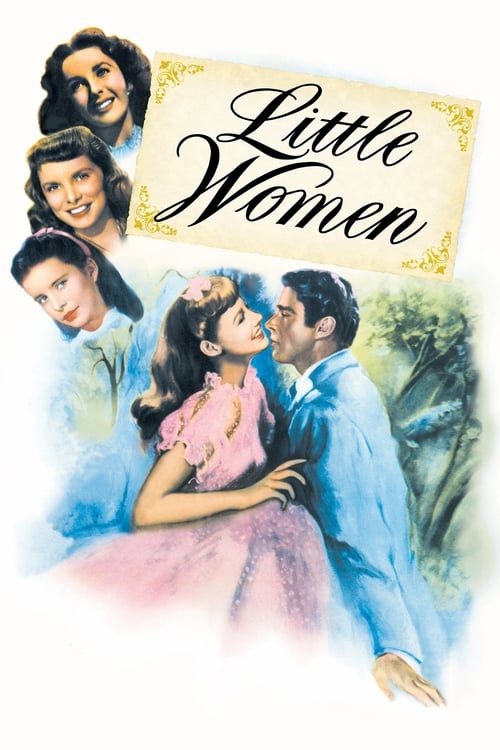
Four sisters come of age in America in the aftermath of the Civil War.
Little Women

After the death of a United States Senator, idealistic Jefferson Smith is appointed as his replacement in Washington. Soon, the naive and earnest new senator has to battle political corruption.
Mr. Smith Goes to Washington

In 1850s Oregon, a businessman is torn between his love of two very different women and his loyalty to a compulsive gambler friend who goes over the line.
Canyon Passage

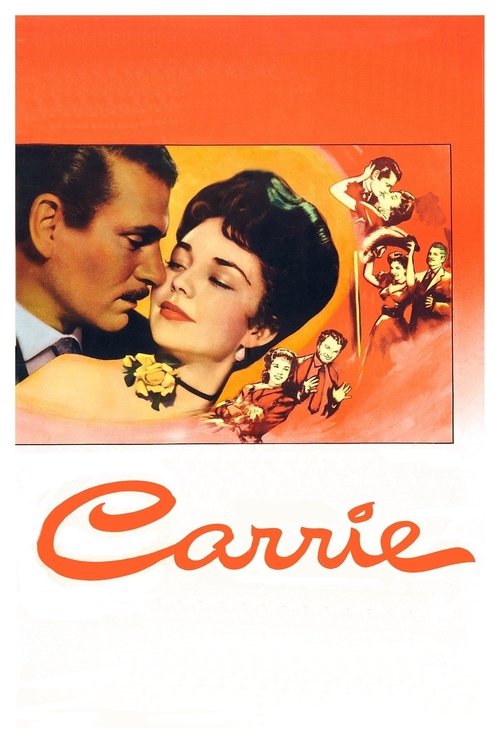
In the late 1890s, the ambitious, innocent Carrie arrives in Chicago’s South Side and stays with her nagging, dullish married sister. She then runs for help to traveling salesman Charles Drouet. She soon becomes his mistress, but falls in love with married restaurant manager George Hurstwood.
Carrie

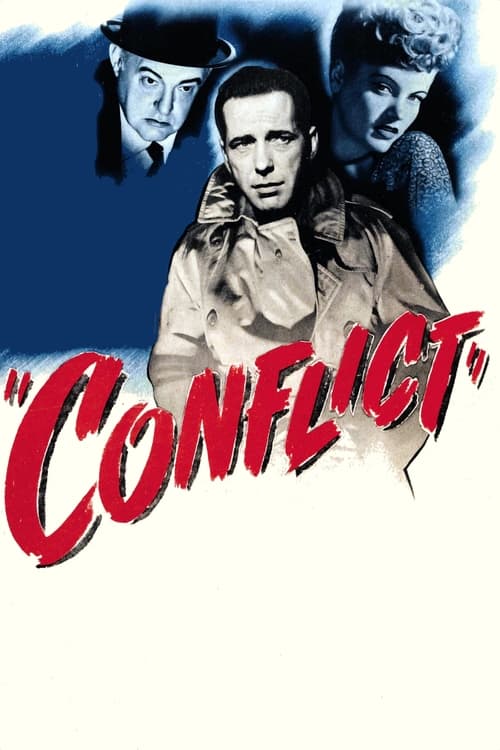
Unhappily married Richard Mason concocts a meticulous scheme to kill his shrewish wife so that he'll be free to marry her sister.
Conflict

A working-class woman is willing to do whatever it takes to give her daughter a socially promising future.
Stella Dallas

Mr. Morris, the owner of a large metropolitan department store, gives jobs to paroled ex-convicts in an effort to help them reform and go straight. Among his 'employed-prison-graduates' are Helen Roberts and Joe Dennis, working as sales clerks. Joe is in love with Helen and asks her to marry him, but she is forbidden to marry as she is still on parole, but she says yes and they are married. In spite of their poverty-level life, their marriage is a happy one until Joe discovers she has lied about her past, in order to marry him. Disillusioned, he leaves, goes back to his old gang and plans to rob the department store.
You and Me

A fussy shopkeeper's life drastically changes when his wife takes in two homeless boys.
Boy Trouble

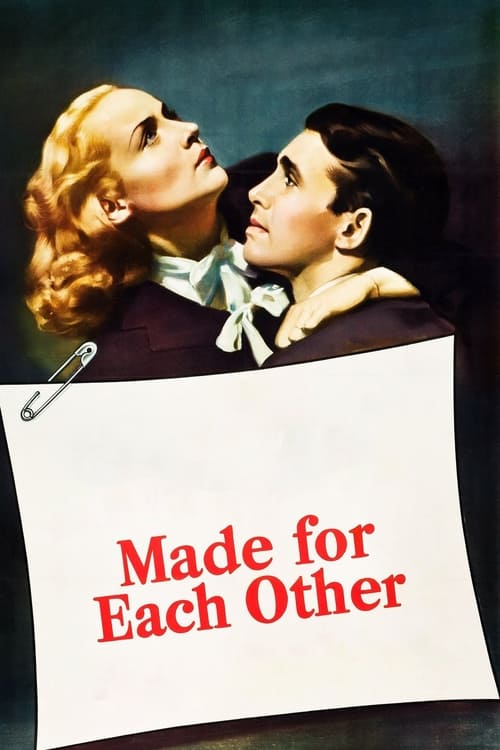
A couple struggle to find happiness after a whirlwind courtship.
Made for Each Other

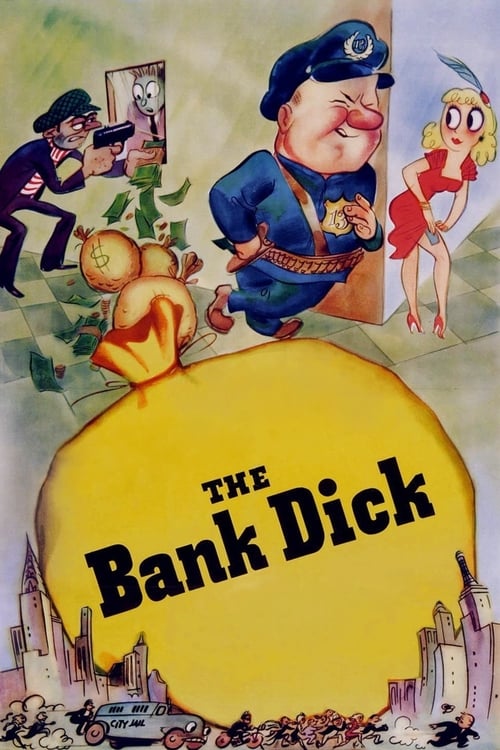
Egbert Sousé becomes an unexpected hero when a bank robber falls over a bench he's occupying. Now considered brave, Egbert is given a job as a bank guard. Soon, he is approached by charlatan J. Frothingham Waterbury about buying shares in a mining company. Egbert persuades teller Og Oggilby to lend him bank money, to be returned when the scheme pays off. Unfortunately, bank inspector Snoopington then makes a surprise appearance.
The Bank Dick

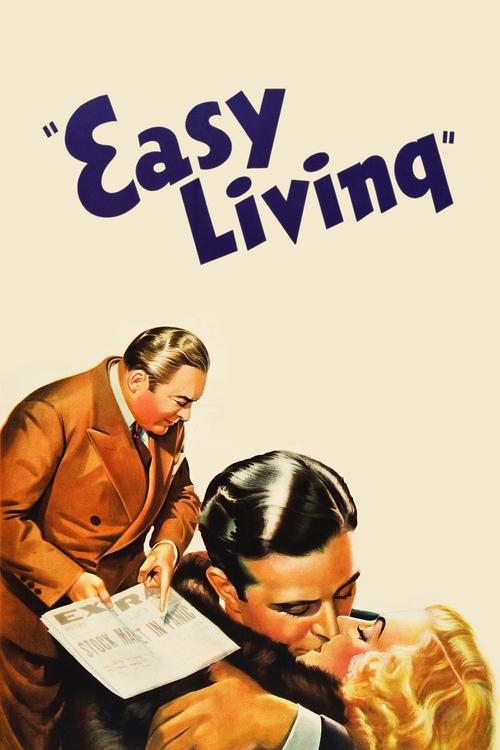
J.B. Ball, a rich financier, gets fed up with his free-spending family. He takes his wife's just-bought (very expensive) sable coat and throws it out the window, it lands on poor hard-working girl Mary Smith. But it isn't so easy to just give away something so valuable, as he soon learns.
Easy Living

On her way by stagecoach to visit relatives out west, Flower Belle Lee is held up by a masked bandit who also takes the coach's shipment of gold. When he abducts Flower Belle and they arrive in town, Flower Belle is suspected of being in collusion with the bandit.
My Little Chickadee

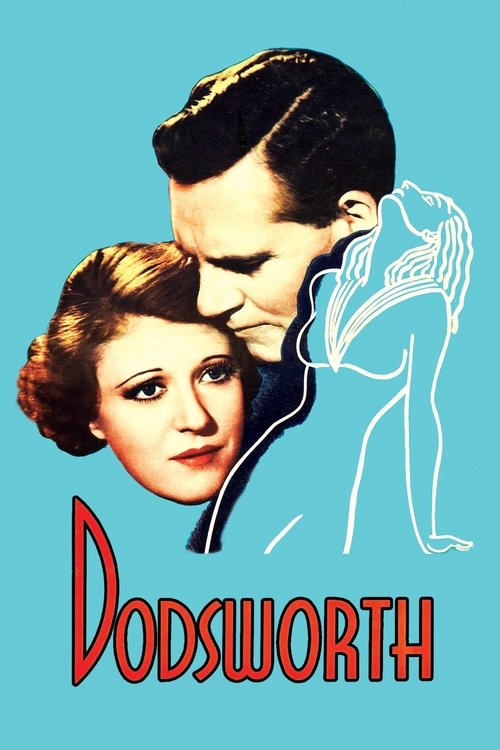
A retired auto manufacturer and his wife take a long-planned European vacation only to find that they want very different things from life.
Dodsworth

Marianne Jannetier, a well-to-do Parisian, engaged to Andre Benoit, a high-ranking government official, flees the city when the goose-stepping Nazi storm-troopers arrive. When her mother dies on the road to Bordeaux as a result of Nazi bombing, she returns to Paris and joins the underground movement. Nicholas Jordan, an American member of the RAF, stranded in Paris after the evacuation is also working with the Paris underground. Marianne kills her former fiancée, a pro-Nazi informant, for the traitorous state papers he is carrying, and she and Jordan try to flee over a French seaport...
Paris Calling

In the underworld of Manhattan, a woman dares to stand up to one of the city's most powerful gangsters.
Marked Woman

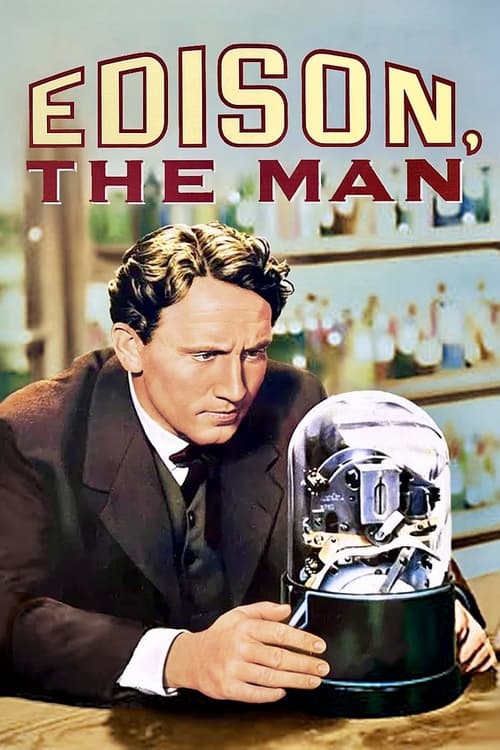
In flashback, fifty years after inventing the light bulb, an 82-year-old Edison tells his story starting at age twenty-two with his arrival in New York. He's on his way with the invention of an early form of the stock market ticker.
Edison, the Man

A classical musician from a working class background is sidetracked by his love for a wealthy, neurotic socialite.
Humoresque

Dr. Henryk Savaard is a scientist working on experiments to restore life to the dead. When he is unjustly hanged for murder, he is brought back to life by his trusted assistant. Re-animated he turns decidedly nasty and sets about murdering the jury that convicted him.
The Man They Could Not Hang

Two rival newspaper editors try to scoop each other through their different methods of integrity on reporting the news.
Exclusive

A Shakespearian actor starring as Othello opposite his wife finds the character's jealous rage taking over his mind off-stage.