Acting
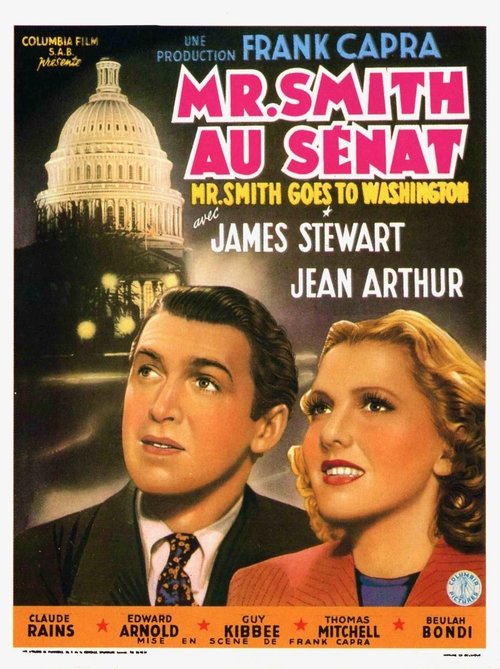
Jefferson Smith est très aimé des Boys Rangers, un club de jeunes garçons qu'il dirige. Cet homme populaire et naïf est une affaire pour le gouverneur Hopper et son chef politique Jim Taylor, qui en font un sénateur idéal pour couvrir leurs sombres histoires. Mr. Smith devient alors vite la risée du Congrès et est, malgré lui, compromis dans une affaire louche. Après un moment de découragement et grâce à sa secrétaire, il prend la parole au Sénat et la garde vingt-trois heures durant.
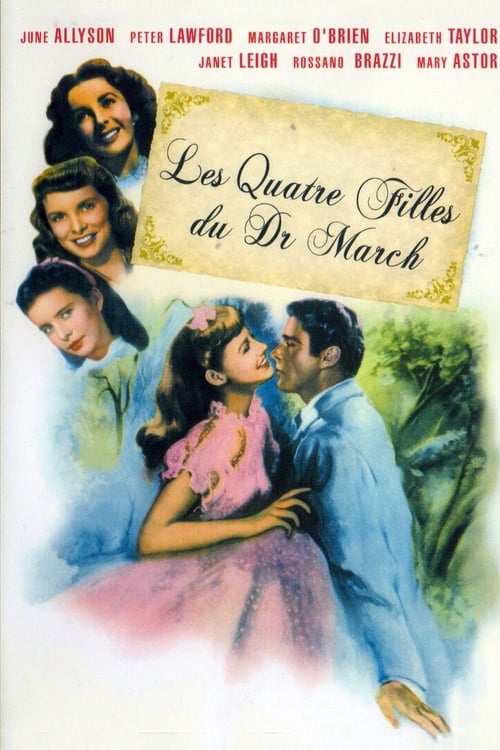
Pendant la guerre de Sécession, dans le Massachusetts, Mme March et ses 4 filles, Jo, Beth, Amy et Meg tentent de se débrouiller, tandis que leur père combat au front. Jo se découvre alors une passion pour l'écriture et rédige des pièces de théâtre que jouent ses sœurs en plus de son idylle avec leur voisin Laurie. Quand elle a l'opportunité de devenir écrivain, Jo s'en va à New York où elle rencontre le professeur Baher.
Huckleberry Finn, un aventurier exubérant qui frétille sous les liens de la civilisation, échappe à son univers banal et à son égoïsme…
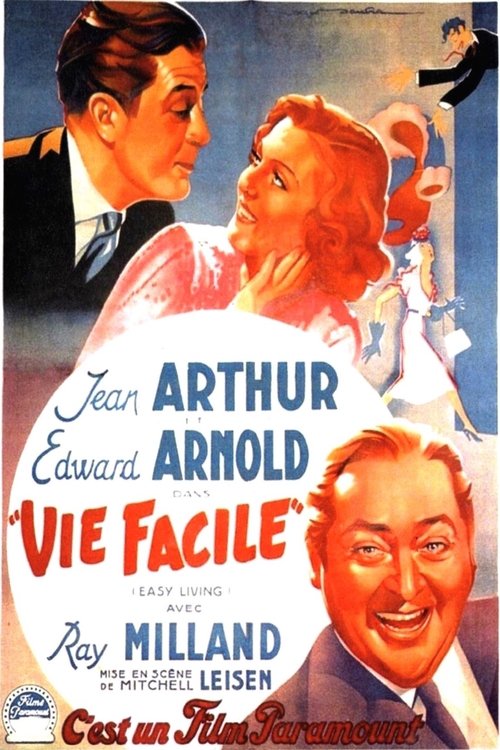
JB Ball, un financier milliardaire, en a assez de sa famille et plus particulièrement de son épouse dispendieuse. Au cours d'une dispute conjugale, excessivement violente, il s'empare du manteau de vison, très cher et juste acquis, de sa femme et le lance par-dessus le balcon de sa luxueuse demeure. Il atterrit sur la jeune Mary Smith, qui passait par là. Pauvre, travaillant dur, Mary n'hésite guère devant ce don du ciel. Elle s'en revêt et constate qu'on la prend dorénavant pour la moitié du milliardaire. Décidant de vivre conformément à son statut elle se rend à la Bourse, où elle réussit à provoquer un krach. D'aventures catastrophiques en soirées mondaines, Mary rencontre le fils du milliardaire. Le coup de foudre est immédiat...
Alors qu'il effectue en solitaire une croisière, Larry Wilson, un homme réputé pour son avarice, tombe à l'eau et reçoit un coup sur la tête qui le rend amnésique. À son réveil, il se rend compte qu'il souffre d'amnésie depuis 9 ans et qu'il est en réalité George Carey, un escroc notoire. À l'arrivée du bateau, il se découvre doté d'une femme charmante, Kay, qui réclame le divorce. Bien décidé à gagner un peu d'argent, il retourne à Habersville, Pennsylvanie avec la ferme intention de vider son compte en banque.
A l'époque de la ruée vers l'or, Wyatt Earp accepte le poste de shérif de Tombstone. Il ne prend pas très au sérieux sa nouvelle tache, jusqu'au jour ou il est rossé par des bandits. Des lors, il leur répondra par la violence et ramènera le calme dans la ville.
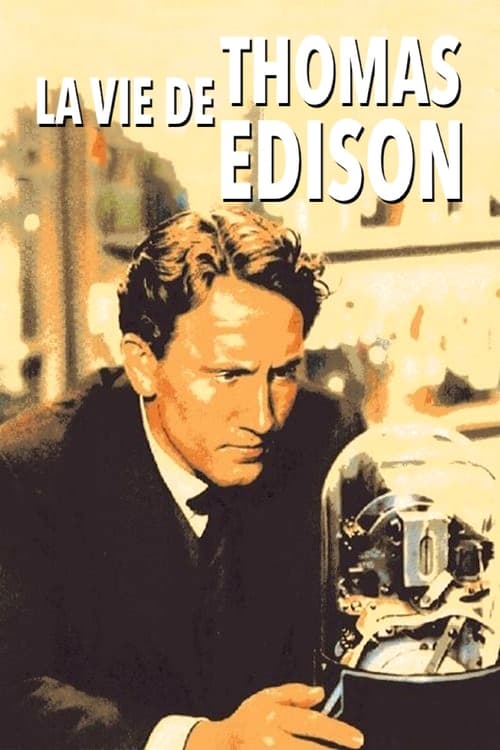
En flash-back, cinquante ans après avoir inventé l'ampoule, un Edison âgé de 82 ans raconte son histoire à partir de vingt-deux ans avec son arrivée à New York. Il est sur son chemin avec invention d'une forme précoce de ticker sur le marché boursier.
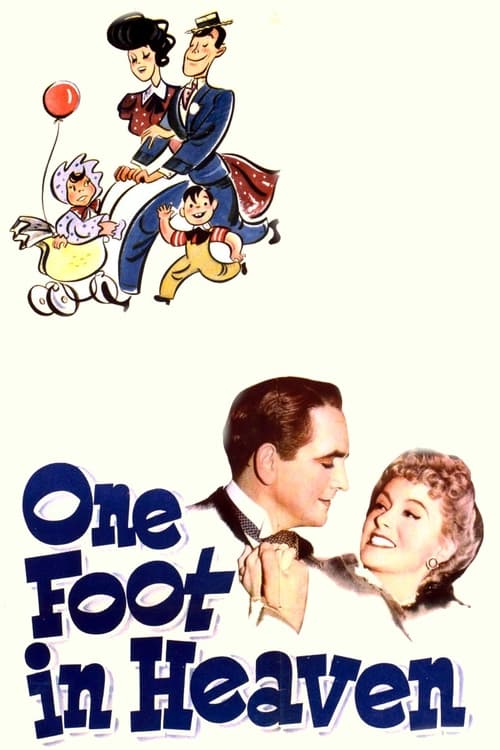
L'histoire de William Spence, un pasteur américain qui se déplace d'une paroisse à une autre avec sa famille.
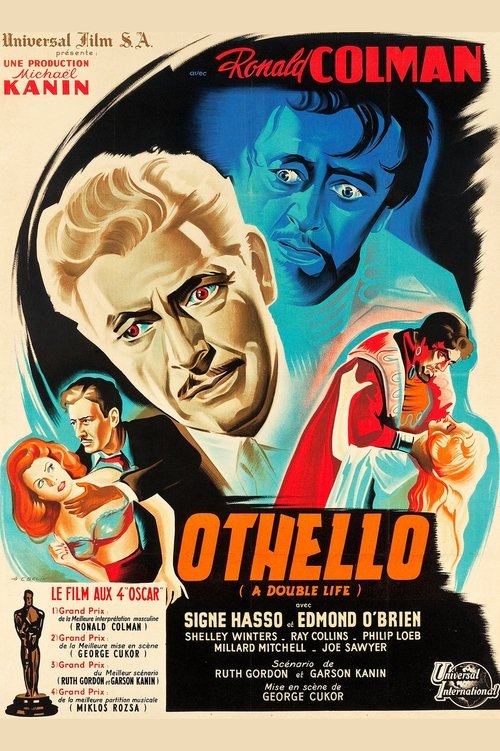
Anthony John est l'un des comédiens les plus réputés de Broadway, à l'aise aussi bien dans la comédie que dans le drame. Mais lorsque son agent lui propose de monter Othello, Tony se montre réticent. Il sait que ses rôles ont tendance à influencer sa vie privée: c'est d'ailleurs ce qui a causé l'échec de son mariage avec Brita, sa partenaire attitrée. Cependant, poussé par le désir de briller dans un rôle difficile, Tony finit par se laisser convaincre. Avec Brita en Desdémone, le spectacle triomphe brillamment, mais bientôt le comédien se sent dominé par la jalousie meurtrière d'Othello...
Marianne Jannetier, une parisienne aisée, est fiancée à André Benoit, un haut fonctionnaire qui fuit la ville à l'arrivée de l'armée allemande. Lorsque sa mère meurt sur la route de Bordeaux à la suite d'un bombardement nazi, elle rejoint la résistance où elle fait la rencontre de Nicholas Jordan, un soldat américain, qu s'est engagé dans la RAF. Plus tard, Marianne reçoit l'ordre de traquer et de tuer un collaborateur pro-allemand, qui se révèle être son ancien fiancé. Elle récupère ensuite les papiers qu'il transportait et tente avec Jordan de s'enfuir par un port maritime français.
Le Docteur Savaard invente un cœur artificiel capable de redonner la vie aux cadavres. Afin d'essayer sa machine, il tue un étudiant qui s'est porté volontaire. Son assistante, Betty Crawford, avertit la police. Refusant de croire que le docteur peut faire revivre l'étudiant, les policiers arrêtent Savaard. Accusé du meurtre, il est condamné à être pendu. Lang, son fidèle assistant, réclame le corps à la prison et il ressuscite le docteur en utilisant le cœur artificiel. Brûlant de se venger, Savaard décide de tuer tous ceux qui l'ont condamné à mort...
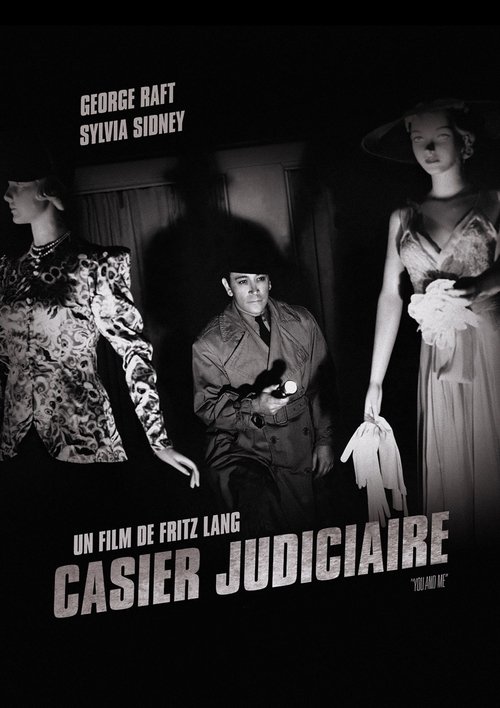
Travaillant dans le même magasin, Joe et Helen, deux condamnés libérés sur parole, sont épris l'un de l'autre. Des deux amants, seul Joe a avoué son passé. Lorsqu'il découvre la vérité sur Helen, trahi et déçu, il se lance par désespoir dans la préparation d'un mauvais coup.
Elle ne danse guère mais est accro au back gammon. Elle a gagné un séjour de deux semaines dans un camp de vacances au milieu des sapins; dortoir de jolies filles en tout bien tout honneur, activités sportives en tous genres, soirée japonaise très animée, sous l'orage, sur l'air de la marche des 7 nains; quiproquos et quelques coups de poing qui soulagent. Elle repart vers la ville avec un futur mari très beau garçon.Pour les habitués des camps de vacances...
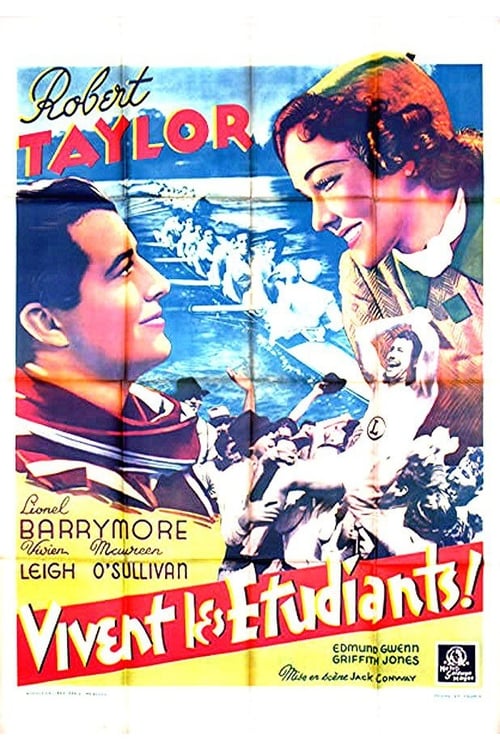
Robert Taylor, un jeune athlète américain, arrive à l'Université d'Oxford. Son attitude arrogante lui vaut brimades et humiliations de la part des étudiants anglais. De plus, il tombe amoureux de Molly Beaumont, la sœur d'un chef d'une académie rivale.
Au début du XXe siècle. Une jeune paysanne part pour Chicago dans l'espoir de devenir vedette. Après une première aventure ratée avec un homme de son âge, elle en rencontre un autre, marié et père de famille, plus âgé qu'elle et très riche. Il s'éprend d'elle au point de vouloir tout quitter et de compromettre sa situation pour lui consacrer sa vie. Entre-temps, la jeune femme est devenue une vedette et son amant prend ombrage de cette gloire...
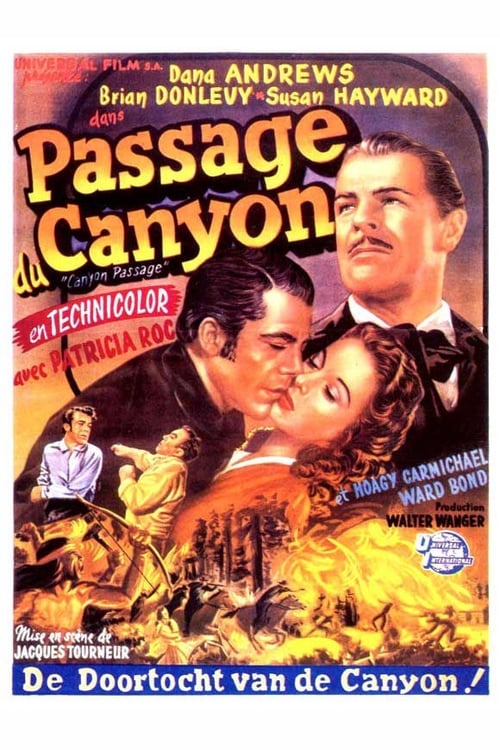
En 1856, Logan Stuart escorte Lucy Overmire, la fiancée de son ami, à Jacksonville dans l'Oregon. Au fil du voyage Lucy tombe sous le charme de Logan. Arrivé à destination, le duo s'apperçoit que l'aventure ne fait que commencer...
Stella est une jeune femme issue de la classe ouvrière. Elle a l’ambition d’épouser Stephen Dallas, un homme issu d’une autre classe, montant ainsi dans la « haute ». Elle n’y arrivera pas, ou si mal, et Stephen sera de plus en plus distant vis-à-vis de Stella. Le ménage finit par sombrer, et Stella se retrouve seule avec sa fille Laurel, pour laquelle elle se bat afin de lui assurer un avenir meilleur. Seule Laurel, élevée tantôt chez sa mère, tantôt chez son père, parviendra à réaliser le rêve de sa mère, au prix du sacrifice affectif de cette dernière.
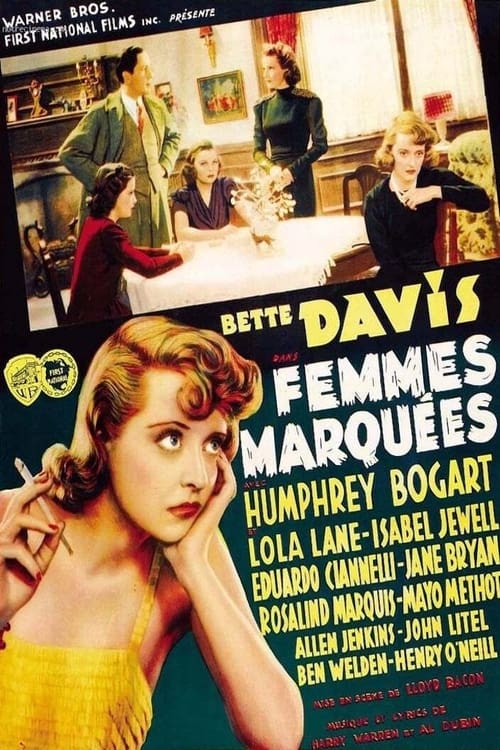
Une boîte de nuit, des "hôtesses" qui appâtent le gogo, le client, un gangster puissant qui “domine la ville” (basé sur l'histoire de Lucky Luciano) et prend possession des boites, des femmes, un jeune procureur ambitieux , promis à un bel avenir politique. Cinq de ces femmes se révolteront contre cette emprise en se jouant de l'aide intéressée de ce procureur, sans pour autant perdre de vue que leur destin, dans cette société reste l'exploitation.
Egbert Sousé devient un héros inattendu quand un voleur de banque tombe sur un banc qu'il occupe. Maintenant considéré comme courageux, Egbert est donné un emploi comme gardien de banque. Bientôt, il est approché par J. charlatan Frothingham Waterbury sur l'achat d'actions dans une société minière. Egbert persuade caissier Og Oggilby lui prêter de l'argent de la banque, à retourner lorsque le système est payant. Malheureusement, inspecteur de banque Snoopington fait ensuite une apparition surprise.
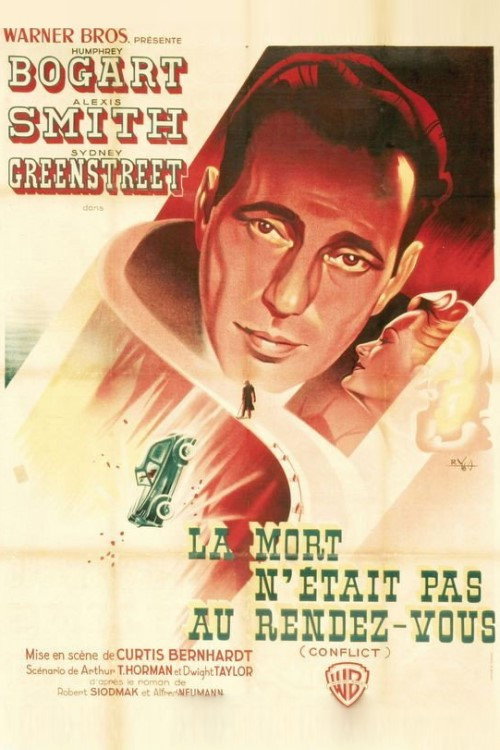
Richard et Katherine Mason semblent former un couple heureux. En réalité, Richard est amoureux de Evelyn, la plus jeune sœur de son épouse. Quand cette dernière découvre leur secret et déclare ne pas vouloir divorcer, Richard imagine alors une machination afin de s'en débarrasser. Richard, riche architecte, feignant d'être confiné à un fauteuil roulant suite à un accident de voiture, projette froidement un plan d'assassinat de sa femme lors d'un voyage en voiture dans une station thermale de montagne, où il doit être soigné. À la dernière minute, sous prétexte de terminer un travail urgent, Richard diffère son départ et Katherine se rend seule en voiture au lieu de séjour. Il emprunte alors un itinéraire plus court pour rejoindre la route, déserte, empruntée par son épouse. Son véhicule en travers d'un passage, il attend Katherine, l'étrangle et précipite la voiture dans le vide. Il revient rapidement à son domicile et reprend sa place dans le fauteuil roulant...