Willie Best
Acting
Biography
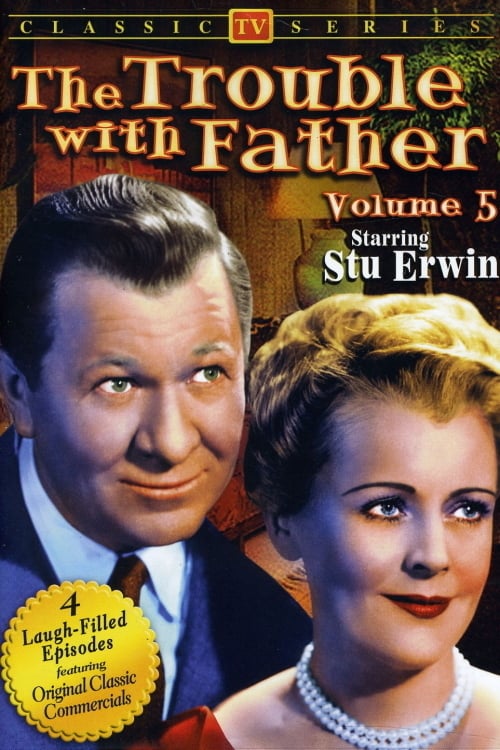
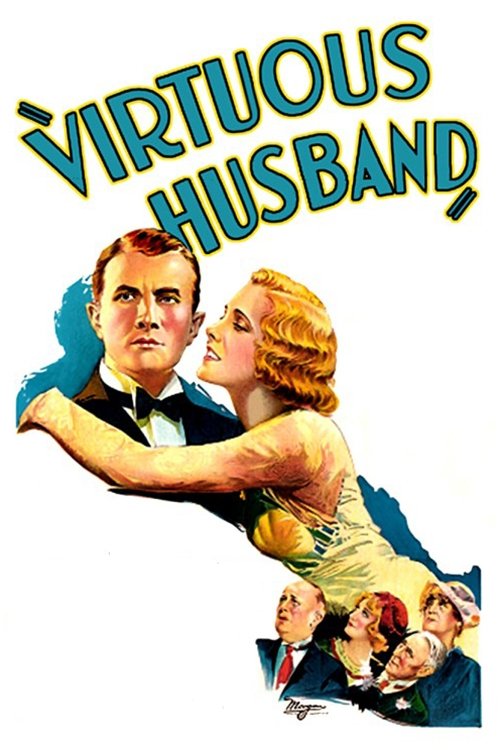
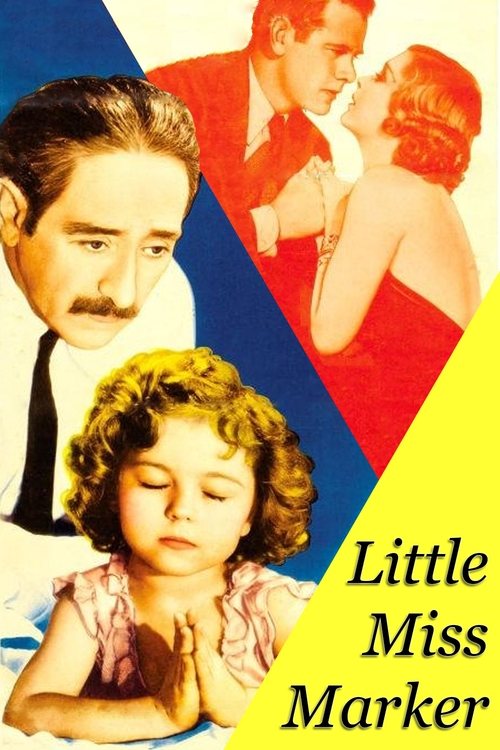
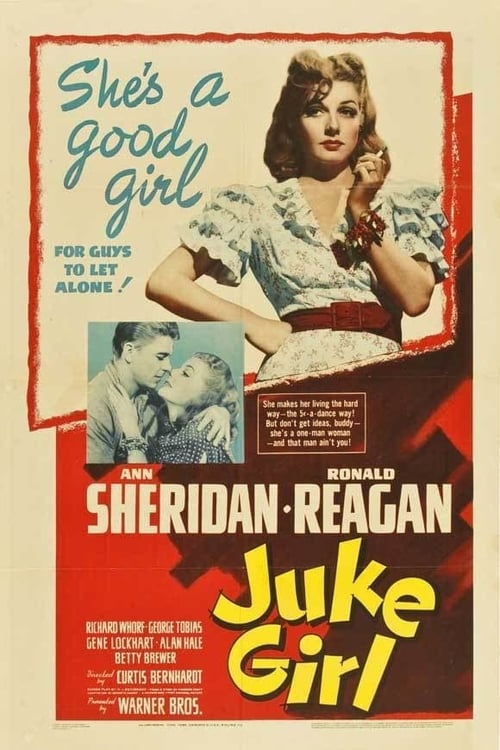
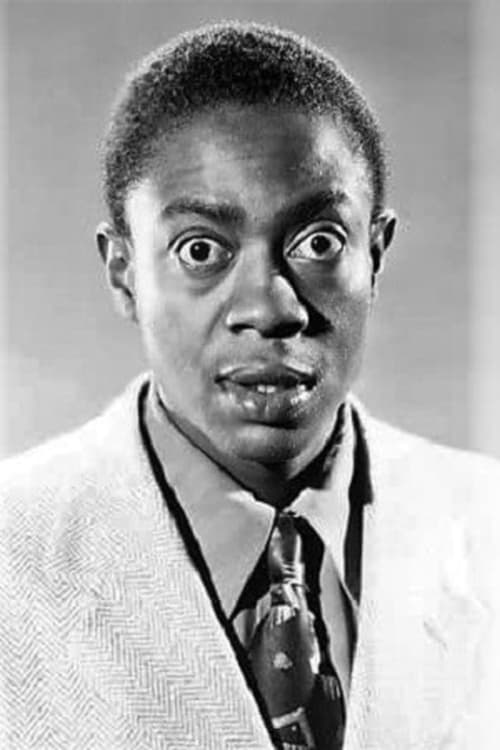
William “Willie” Best (May 27, 1916 - February 27, 1962), sometimes known as “Sleep n' Eat,” was an American television and film actor. Best was one of the first African-American film actors and comedians to become well known. In the 21st century, his work, like that of Stepin Fetchit, is sometimes reviled because he was often called upon to play stereotypically lazy, illiterate, and/or simple-minded characters in films. Of the 124 films he appeared in, he received screen credit in at least 77, an unusual feat for an African-American bit player. Willie Best appeared in more than one hundred films of the 1930s and 1940s. Although several sources state that for years he was billed only as “Sleep n' Eat,” Best received credit under this moniker instead of his real name in only six movies: his first film as a bit player (Harold Lloyd's Feet First) and in Up Pops the Devil (1931), The Monster Walks (1932), Kentucky Kernels and West of the Pecos (both 1934), and Murder on a Honeymoon (1935). Best was first loved as a great clown, then later in the 20th century reviled and pitied, before being forgotten in the history of film. Hal Roach called him one of the greatest talents he had ever met. Comedian Bob Hope similarly acclaimed him as “the best actor I know,” while the two were working together in 1940 on The Ghost Breakers. As a supporting actor, Best, like many black actors of his era, was regularly cast in domestic worker or service-oriented roles (though a few times he played the role echoing his previous occupation as a private chauffeur). He was often seen making a brief comic turn as a hotel, airline or train porter, as well as an elevator operator, custodian, butler, valet, waiter, deliveryman, and at least once as a launch pilot (in the 1939 movie Mr. Moto in Danger Island). Willie Best received screen credit most of the time, which was unusual for “bit players,” most in the 1930s and '40s were not accorded due credit. This also happened to white actors in small roles, but black actors were not credited even when their roles were larger. In more than 80 of his movies, he was given a proper character name (as opposed to simple descriptions such as “room service waiter” or “shoe-shine boy”), beginning with his second film. Best played “Chattanooga Brown” in two Charlie Chan films —The Red Dragon in 1945 and Dangerous Money in 1946. He also played the character of “Hipp” in three of RKO’s six Scattergood Baines films with Guy Kibbee: Scattergood Baines (1941), Scattergood Survives a Murder (1942), and Cinderella Swings It in 1943. (Actor Paul White, who played a young version of Best’s “Hipp” in the first film, went on to play “Hipp” in the next three films. Best returned to the role in the last two.) After a drug arrest ended his film career, he worked in television for a while and became known to early TV audiences as “Charlie the Elevator Operator” on CBS's My Little Margie, from 1953 to 1955. He also played Willie, the house servant, handyman and close friend of the title character of ABC’s The Trouble with Father, for its entire run from 1950 to 1955.
Known For

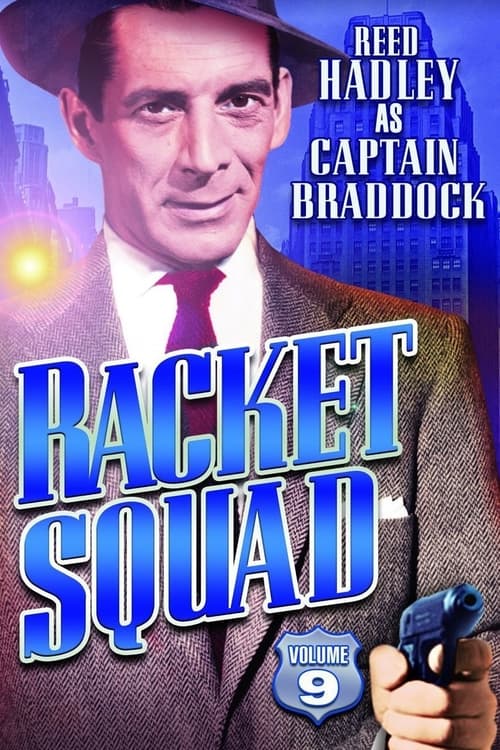
Racket Squad is an American TV crime drama series starring Reed Hadley as Captain John Braddock, a fictional detective working for the San Francisco, California Police Department. The show aired in syndication for a season before being picked up by CBS for three seasons. The series was filmed at Hal Roach Studios in Culver City, California, and was sponsored by cigarette manufacturer Philip Morris, hence there was a pack of the sponsor's brand on Braddock's desk at the beginning and end of the episode, as well as occasional scenes of him or other characters "lighting up".
Racket Squad

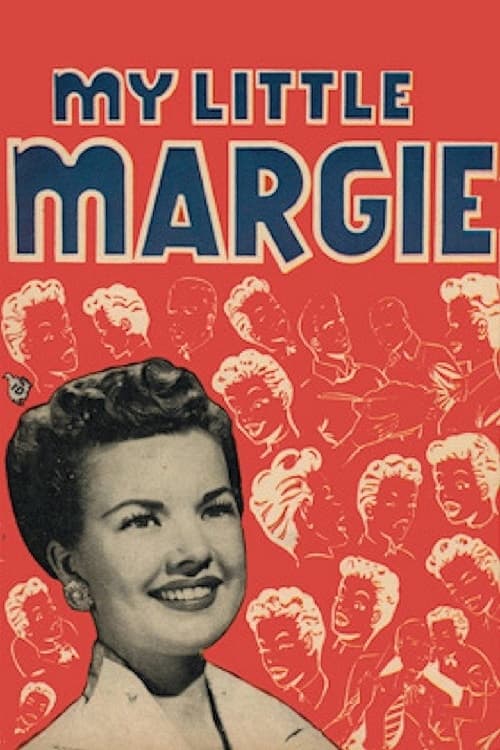
My Little Margie is an American situation comedy starring Gale Storm and Charles Farrell that alternated between CBS and NBC from 1952 to 1955.
My Little Margie

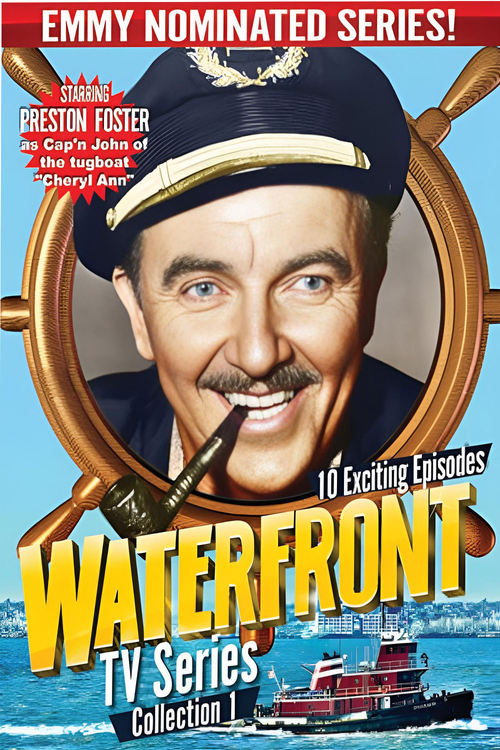
Waterfront is an 1954-1955 American series following the adventures of tugboat captain John Herrick, played by Preston Foster.
Waterfront

The Stu Erwin Show is an American sitcom which aired on ABC for five seasons from 1950 to 1955.
The Stu Erwin Show

A fugitive from a chain gang becomes an oil-well firefighter and meets the man who framed him.
Blackmail

Period music, film clips and newsreel footage combined into a visual exploration of the American entertainment industry during the Great Depression.
Brother, Can You Spare a Dime?

Discover how television has reflected the African American experience in this retrospective of the medium's first half-century. Actors, writers and historians discuss the image of black America on television from Amos and Andy to the present day. The interviews accompany clips from groundbreaking shows and performances by entertainment pioneers that create a timeline of the portrayal of African Americans throughout TV history.
TV in Black: The First Fifty Years

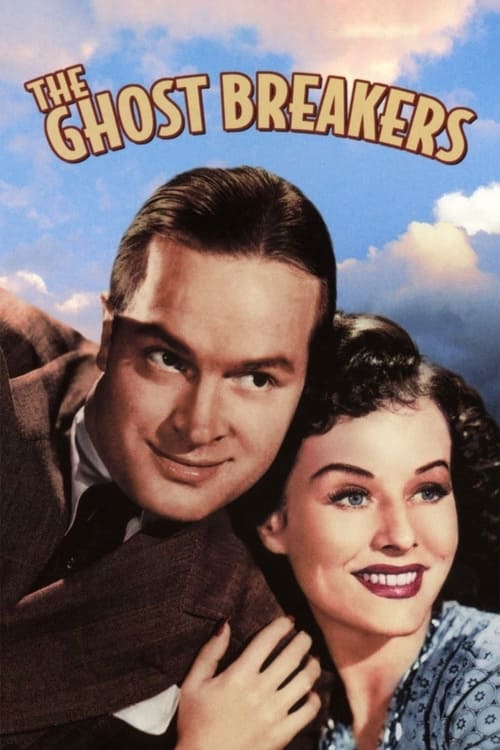
After intrepid working girl Mary Carter becomes the new owner of a reputedly haunted mansion located off the Cuban coast, a stranger phones warning her to stay away from the castle. Undaunted, Mary sets sail for Cuba with a stowaway in her trunk—wise-cracking Larry Lawrence, a radio announcer who helps Mary get to the bottom of the voodoo magic, zombies and ghosts that supposedly curse the spooky estate.
The Ghost Breakers

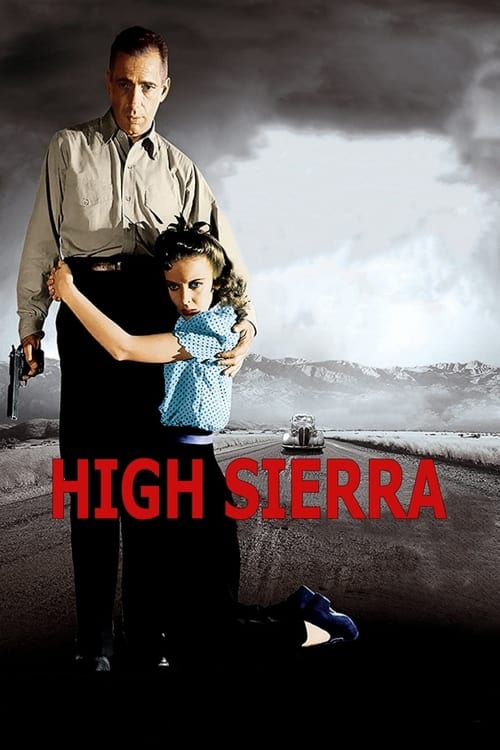
Given a pardon from jail, Roy Earle gets back into the swing of things as he robs a swanky resort.
High Sierra

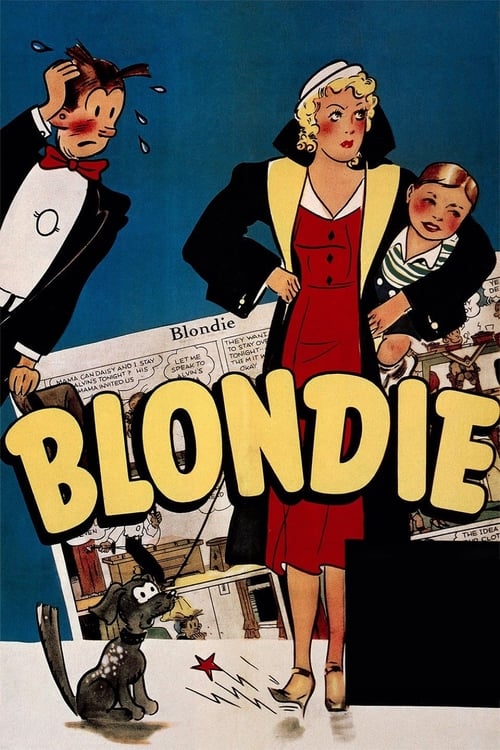
Blondie and Dagwood are about to celebrate their fifth wedding anniversary but this happy occasion is marred when the bumbling Dagwood gets himself involved in a scheme that is promising financial ruin for the Bumstead family.
Blondie

Stan and Ollie get involved with con men, crooks, a genial magician, and two interchangeable coffins with disastrous but funny results.
A-Haunting We Will Go

A detective (Milton Berle) who solves cases on the radio investigates the mysterious decade-old murder of a sea captain.
Whispering Ghosts

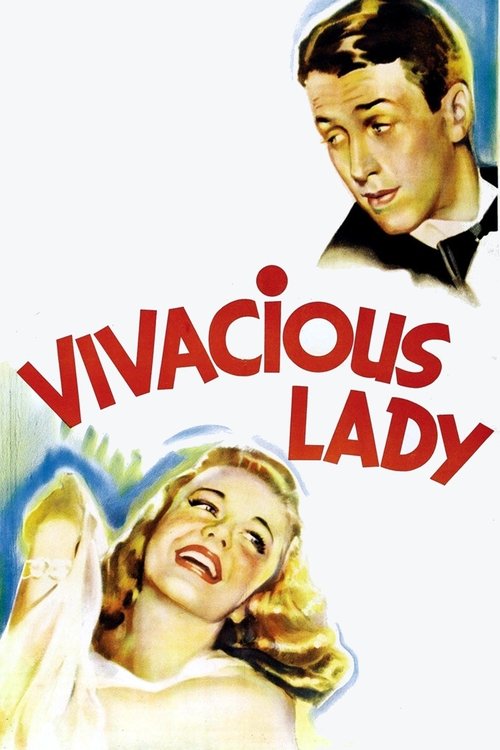
College town life gets turned upside down after a button-down botany professor secretly weds a sizzling night-club singer.
Vivacious Lady

Virgie Cary's father, a rebel officer, sneaks back to his rundown plantation to see his dying wife and is arrested. A Yankee officer takes pity and sets up an escape. Everyone is captured and the officers are to be executed. Virgie and Uncle Billy beg President Lincoln to intercede.
The Littlest Rebel

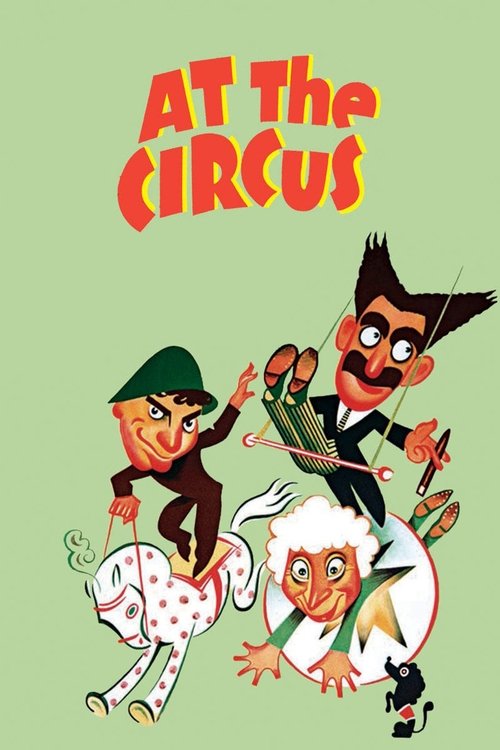
Jeff Wilson, the owner of a small circus, owes his partner Carter $10,000. Before Jeff can pay, Carter's accomplices steal the money so he can take over the circus. Antonio Pirelli and Punchy, who work at the circus, together with lawyer Loophole try to find the thief and get the money back.
At the Circus

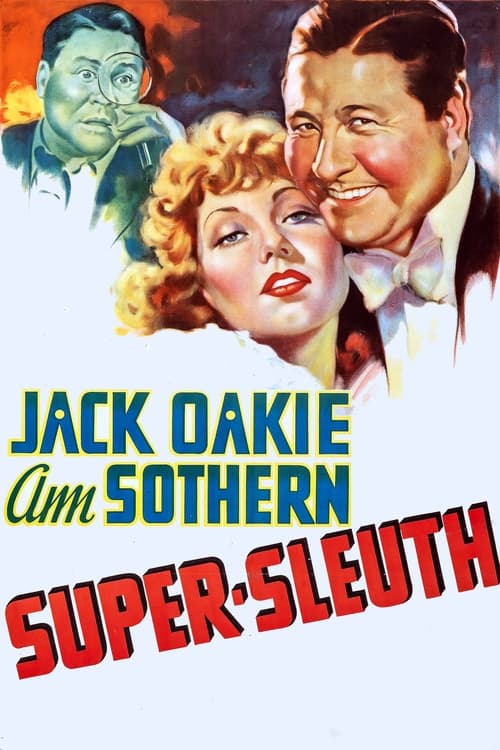
A movie actor playing a detective gets carried away with his role and starts trying to solve real-life crimes.
Super-Sleuth

A newlywed develops amnesia and can't remember his wife.
Kisses for Breakfast

Dagwood wants to join the trout club and Blondie wants a fur coat. Jealousy reigns when Dag's old girlfriend Joan shows up, but nothing else matters when a drawing at the movie theatre provides money for the coat.
Blondie on a Budget

Westinghouse claims its electric appliances "freed women from the drudgery of housework." The first half involves a dream salesman at work; the second half is focused on the "Spring Sales Event," called "Freedomland."
Ellis in Freedomland

McCrea plays Joe Meadows, whose only ambition as a Kansas farm boy was a life at sea. He moves to New York to try to get a job as a sailor, finds it more difficult than he thought, and meets Helen Brown, who falls for him and uses her feminine wiles to try to prevent him leaving.