Balázs Szendőfi
Directing
Known For
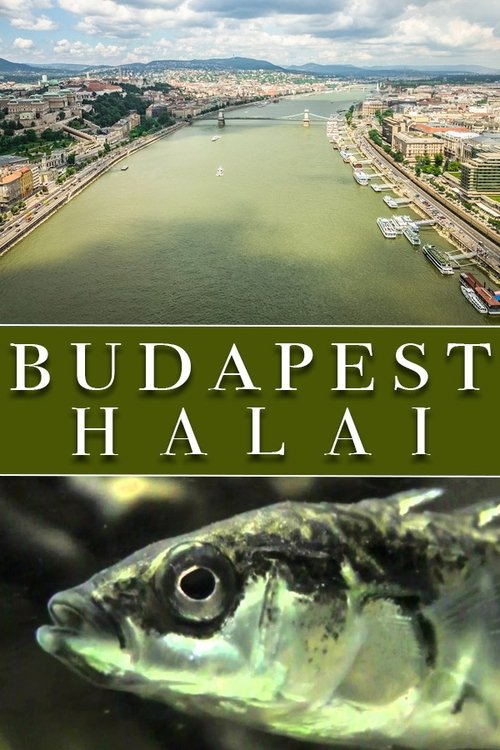
Documentary about the fish in Budapest
The Fish of Budapest
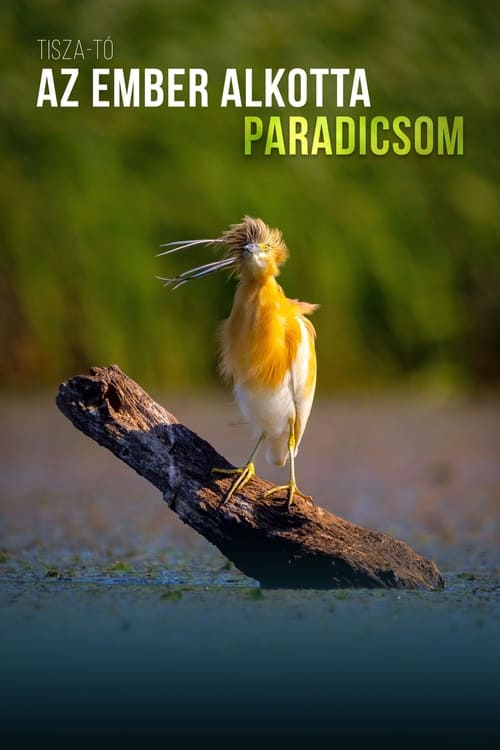
The Tisza has meandered through the Great Plain for thousands of years. Ever since man first appeared on its banks, he has been trying to put the blonde river at his service. He has drunk its water, irrigated it, cut it up and levelled it. And 50 years ago he stopped it to turn it into a big reservoir. Little did he know then that his work would conjure up the world of the ancient Tisza. Thanks to the river’s waters, a unique ecosystem has been created. Man built it, nature built it. Thus was created a man-made paradise: the Tisza Lake. The narrator of the film, Dimitry Ljasuk, takes the viewer by the hand and shows, through all 4 seasons, what this special place has become over the decades. Millions of special birds and fish have settled here, and the dense vegetation has painted the banks of the blonde river green. Today, wild meanders, black-water inland lakes, labyrinths of reeds and thousands of islands are reminiscent of the ancient Tisza.
A Man-Made Paradise
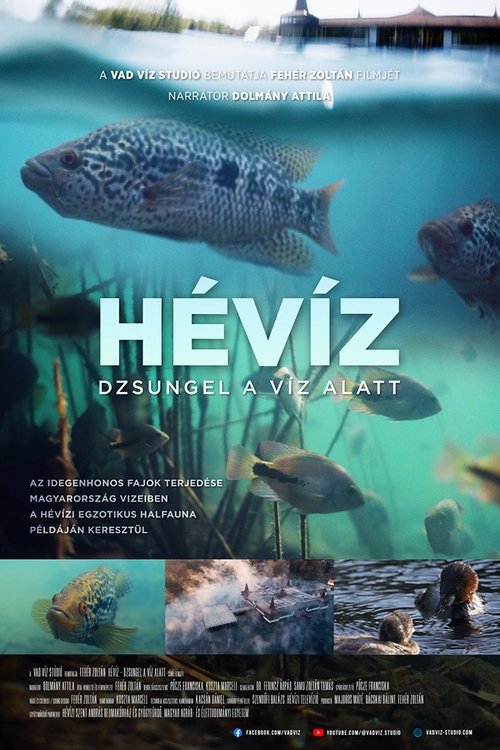
In West Hungary, north of Lake Balaton, we find a lake that is completely unique. The world's largest biologically active, medicinal thermal lake, Lake Hévíz. Its name is familiar to many people, both in Hungary and internationally. Its gentle, warm waters are used for medicinal treatments, and the spa is open to visitors all year round. But Lake Hévíz also has a hidden world. Today, this is the setting for a strange but completely unsuspected ecological experiment. Both the lake and the outflow channel, known as the Hévíz Stream, have become home to tropical fish species. Hidden among the Indian water lilies, Central American cichlids, known from pet shops, live their daily lives. Huge swarms of firehead cichlids forage on the bottom, jewel cichlids protect their young in the cover of aquatic plants, and predatory jaguar cichlids hunt unsuspecting small fish. But how did this diverse yet alien community come to be? And what are the consequences of their presence for native wildlife?
The Underwater Jungle
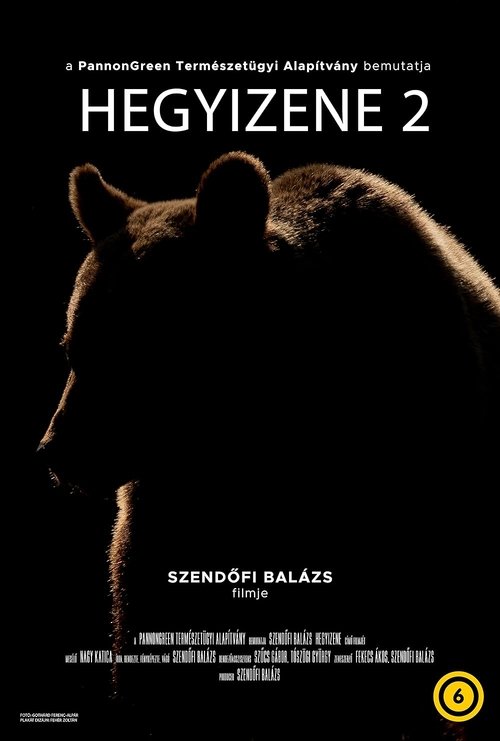
In the film, the landscape itself speaks — and in reality, it also reaches out to us through the narrator’s voice. While it presents an almost unreal, fairy-tale-like wilderness, it also confronts us, without any embellishment, with how soullessly and drastically we are destroying even the primeval nature of the inaccessible mountains, leaving less and less of it each day. In the first part, mining and overtourism are in focus; here, among other things, logging (deforestation), hydroelectric plants, and road construction are examined.
Hegyizene 2
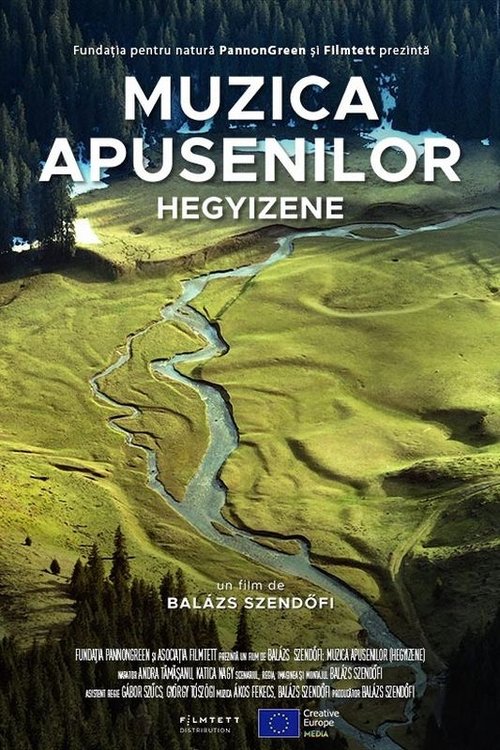
Balázs Szendőfi's nature documentary about the Apuseni Mountains explores an area where many regions are still somewhat white spots, both in terms of scientific exploration and public awareness. Located near Romania’s western border, and thus close to Hungary, the Apuseni Mountains lie at the boundary between Partium and Transylvania. Numerous rivers, including the Berettyó, the Criș rivers, and the Arieș, flow through this 145-million-year-old mountain range. The most diverse karst landscape in Europe is still entirely shaped by water. It is a world of cave entrances as high as twenty-five stories, chasms that yawn hundreds of meters deep, underground glaciers, and waterways that rise and fall below the surface. The landscape speaks through the narrator’s voice and, while presenting a fairytale-like wilderness, it also confronts us with the harsh and drastic ways in which we are destroying even the untouched nature of these inaccessible mountains, leaving less and less of it behind.