Acting
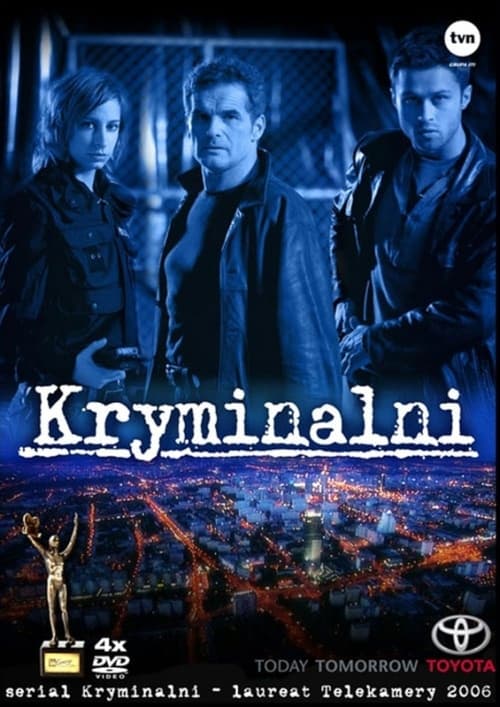
Kryminalni was a Polish crime drama television series that aired on TVN network from September 18, 2004 until May 24, 2008. It ran for 8 seasons and 101 episodes were broadcast in total. It was created by Polish director and screenwriter Piotr Wereśniak and produced by MTL Maxfilm studio. The series followed life and work of police officers from the elite Criminal Terror and Murders Division of the Warsaw Metropolitan Police; the title refers to police officers in the crime section. The three main characters were Adam Zawada, an experienced, tough cup, his younger colleague Marek Brodecki and Barbara Storosz, an ambitious female officer who in the first season joins the team just after graduating. Although none of the main actors had had star status before the series debuted, all three of them rose to prominence and popularity during the 5-year-long run. Many of Poland's best known actors guest starred, usually playing roles of people involved in just one particular investigation. The serial was one of the most popular in Poland: each week it had an audience of 4 million.
When actress Nikki Grace gets the lead role in a cursed film, her world becomes more and more surreal, blending realities and ideas of infidelity, reincarnation, and supernatural forces.
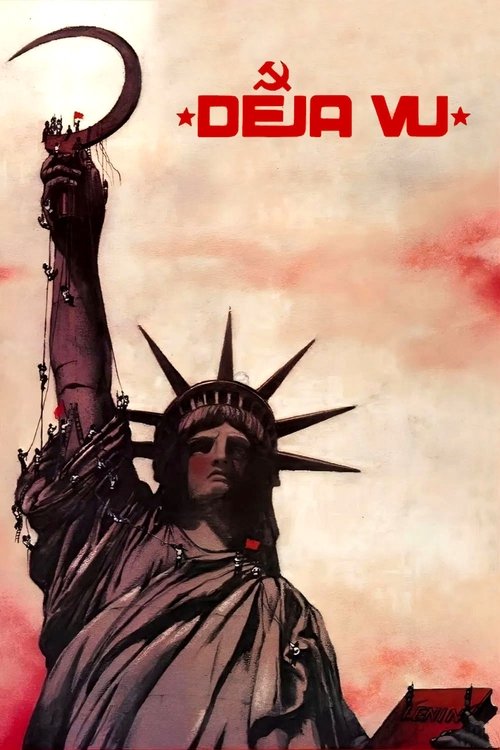
No description available.
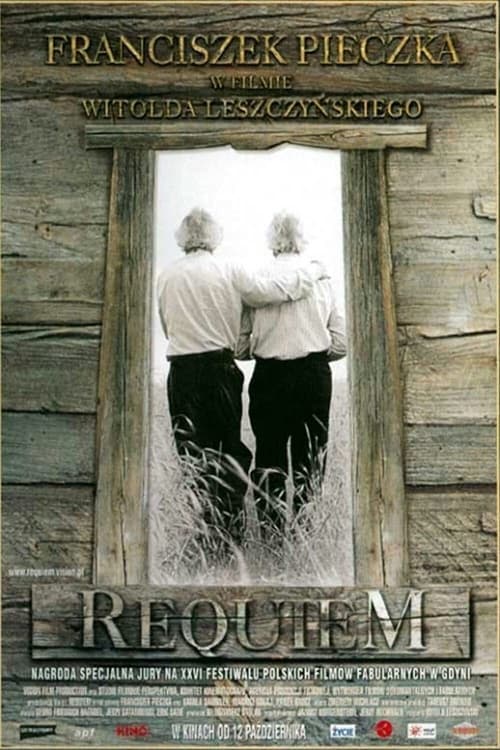
Bartłomiej, community elder and orator, must choose an appropriate successor, but finds difficulty in the aftermath of a local girl's tragic hit-and-run death. A community's pain reverberates through fractured relationships and the burden of funereal responsibility.
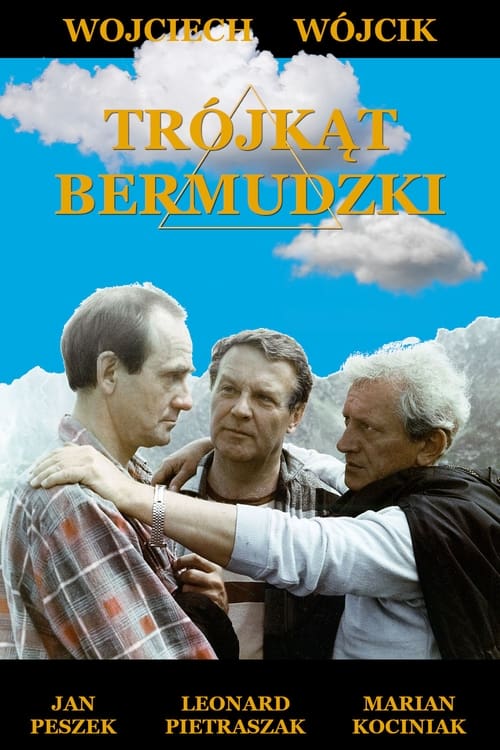
Three old friends living in distant cities decide to help each other get rid of people who stand in their way to achieve happiness.
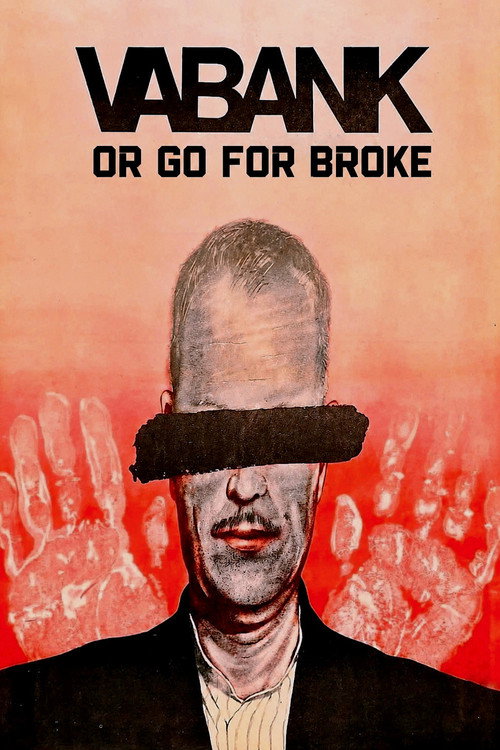
October 1934. Poland. Famous bank robber Kwinto decided to quit his dangerous criminal job, but after his friend's death, he changed his mind and organized a burglary of famous and well protected bank which belonged to his former partner in crime, backstabbing and double-crossing Kramer. Kwinto designs a clever plan not to only rob the Kramer's bank but to make it look like Kramer himself did it.
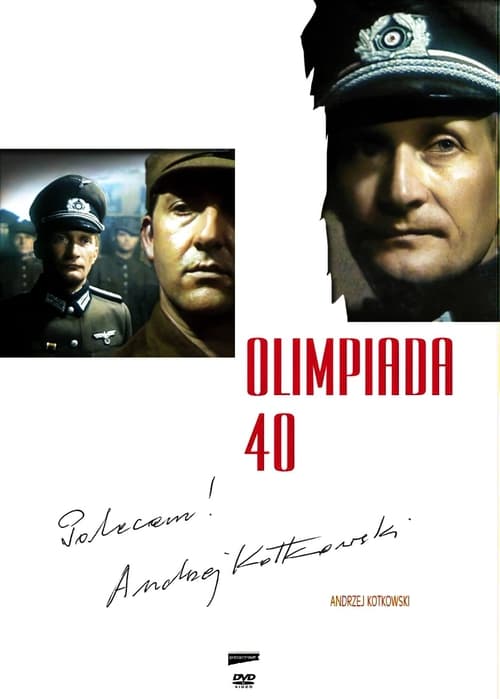
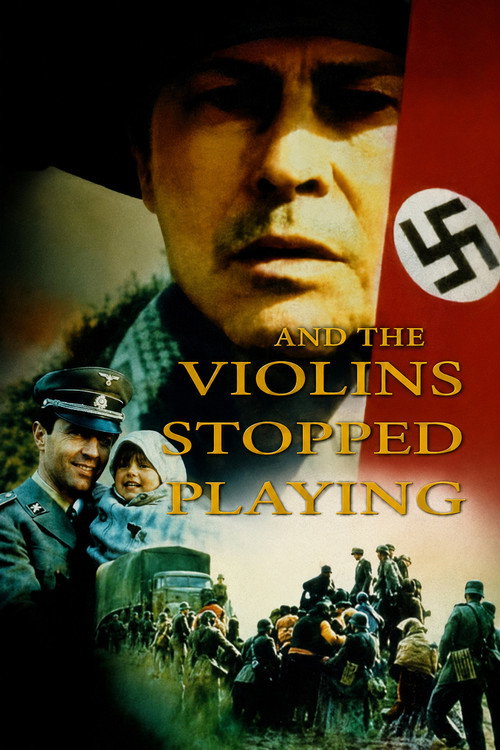
The film deals with the a clandestine Olympiade held in a German POW camp during WW II, housing many Poles, but also French and Brits. A spit and a Polish German lieutenant is added to the staff of a prison camp. He sees a Pole, the acknowledged leader of the Polish prisoners, against whom he had competed during the Berlin Olympics in 1936. He asks the Pole to train with him but is refused; the Pole points out out that he is a prisoner and nothing more. But that plants the seed and the Pole proposes and Olympics 40 to be held among the prisoners. They ingeniously make a flag and medals, set up a number of races; a croaching hop race is unwittingly organized by a German prison guard who uses it as a torture. The German lieutenant knows that something is going on but cannot find out. Finally the Germans realize the idea and the Polish chief is sent to concentration camp but the others disobey the orders.
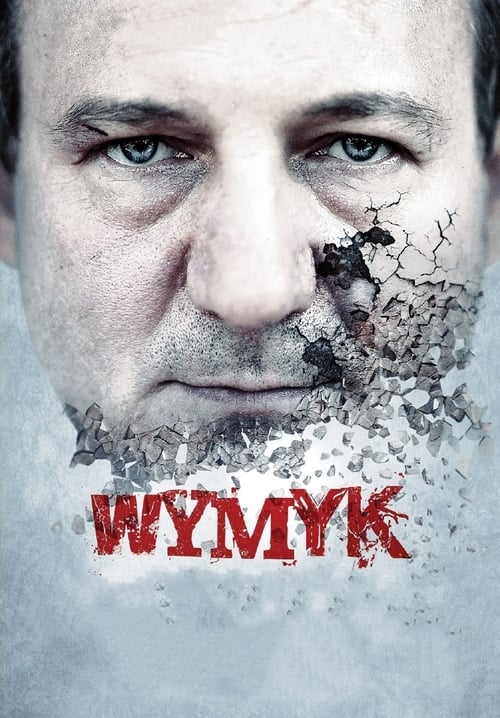
A journalist from "Gazeta Wyborcza" recalls his investigative reports and the consequences he suffered while trying to reveal the truth.
During a pogrom in Poland on the eve of World War I, a group of Jews seek refuge from the Cossacks. The fugitives hide out in a rural inn, terrified that they may be given away at any moment.
After Mick Nich, a 1930's Chicago gangster, sells out his own gang to the police, the Mafia hires the best hitman in town, Johnny Pollack, to follow him to Odessa, USSR. Upon arrival, Pollack loses his memory and goes on various adventures with a group of thick-headed Odessa locals who think he is a harmless butterfly collector.
Alfred and Jerzy take part in a brutal incident: during a train ride, a couple of hooligans harass a young woman. Jerzy stands in her defense. Alfred hesitates and becomes a helpless bystander as his younger brother is thrown off the moving train. 'Courage' is about people whose lives get disturbed by a violent act, which forces them to reveal who they really are.
The final stage of the great artist's life, a stage in which Witkacy decides to destroy himself. A growing sense of danger, the futility of all actions, and fear of what is to come accompany him constantly during his escape from Warsaw to the East at the outbreak of World War II. Everyday facts and events are intertwined in the film with reminiscences and images from his life, supported by the artist's inner monologue. The style of narration and the way of filming make the film a poignant study of the writer's inner disintegration. By emphasizing the painterly quality of the image and introducing dreamlike themes, Kluba captures on screen the characteristics of both Witkacy's playwriting and painting.
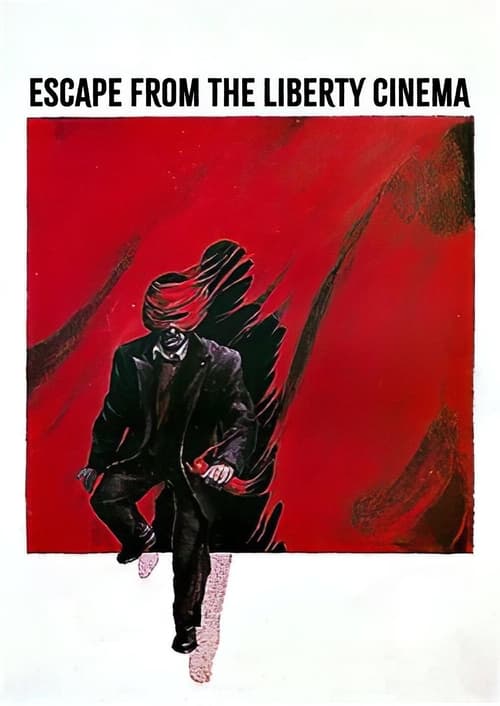
The screening of a movie "Daybreak" at the "Liberty" Cinema is interrupted by an unusual event - actors come to life on the screen, start conversations among themselves, draw the audience into them. Crowds gather around the cinema, the relevant authorities and services wonder what to do in this complicated situation. Also arriving is the censor, a man reaching his fifties, a one-time literary critic and journalist. The line between fiction and reality begins to blur.
Ignacy Jan Paderewski returns to Poland. A journalist who is supposed to describe his arrival is called to the editorial office.
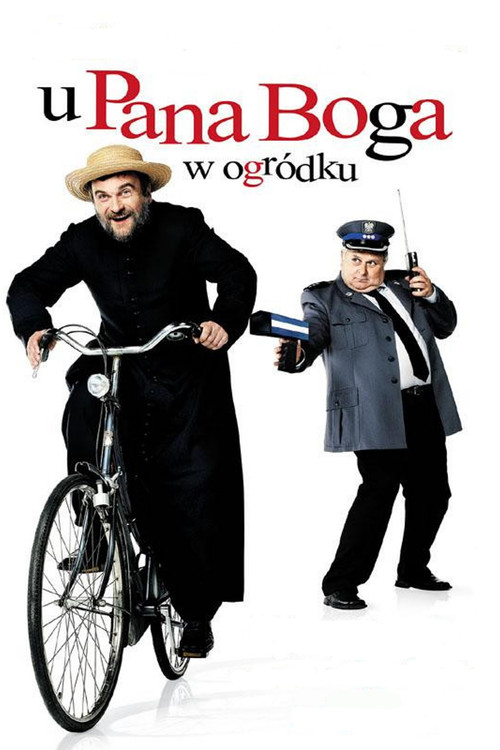
The worst graduate of the police school goes to Królowy Most. At the same time, this town is chosen as an asylum for a crown witness in a mafia trial.
This is the true story about a group of Romani's (gypsy) in occupied Poland during World War II as they confront the atrocities and tragedies of a forgotten holocaust.
The young count makes a bet with his friends about who will be the first to win the favor of a girl they meet. The opportunity to meet her arises unexpectedly quickly.
Story of life of Father Jerzy Popieluszko, the priest called "The Solidarity Chaplain", murdered by communist secret police.