Areski Nebti
Acting
Biography
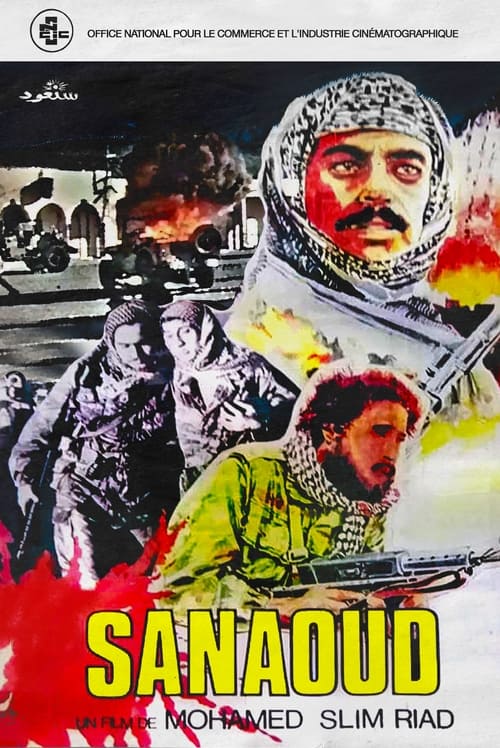
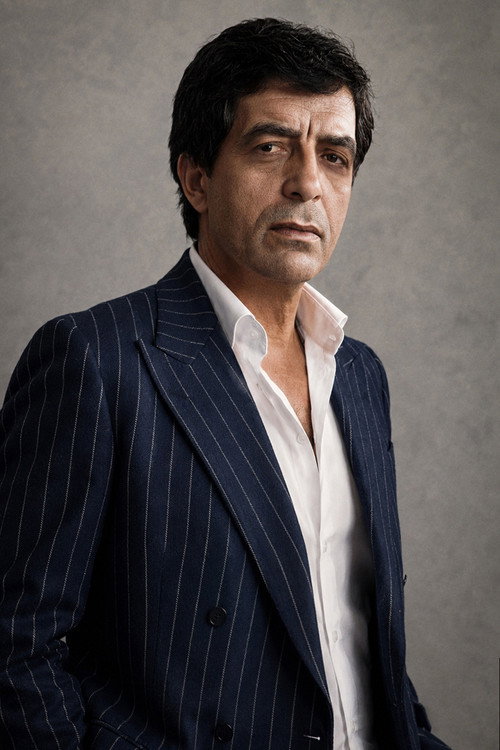
Areski Nebti (Arabic: أريسكي نبتي) born on May 5, 1926, in the Belcourt district of Algiers, is an Algerian actor and assistant director. Arezki Nabti is often spelled Arezki. A major figure on Algerian television and film, he is known for the name of one of his characters, Moh Bab El-Oued, in Abdelkader Bouritina's film El Hozi. From a young age, he was passionate about theater and cinema. He appeared on the radio shows of Mrs. Lafarge, aka L’la Tassadit, who had created a children's program where she trained young talents, girls and boys, mainly from Kabylie. From his school emerged true talents such as Kadri Seghir, Arezki Nabti, Smaïl Si Ahmed, Ahmed Halit, Madjid Bennacer, and Saïd Hilmi. In 1963, he made his film debut. He went on to star in classic post-independence Algerian films, ranging from dramas to comedies, including Mohamed Slimane Riad's The Way (1967), Tewfik Farès's The Outlaws (1969), Inspector Tahar, The Hanged Man's Inn (1969), Mohamed Slimane Riad's Sanaoud (1972), Mohamed Slimane Riad's The South Wind (1975), Mohammed Lakhdar-Hamina's Chronicle of the Years of Embers (1975), Merzak Allouache's Omar Gatlato (1976), and Mahmoud Zemmouri's From Hollywood to Tamanrasset (1990). Areski Nebti died on April 28, 1994, of a heart attack at the age of 68.
Known For

A meticulous chronicle of the evolution of the Algerian national movement from 1939 until the outbreak of the revolution on November 1, 1954, the film unequivocally demonstrates that the "Algerian War" is not an accident of history, but a slow process of suffering and warlike revolts, uninterrupted, from the start of colonization in 1830, until this "Red All Saints' Day" of November 1, 1954. At its center, Ahmed gradually awakens to political awareness against colonization, under the gaze of his son, a symbol of the new Algeria, and that of Miloud, half-mad haranguer, half-prophet, incarnation of Popular memory of the revolt, the liberation of Algeria and its people.
Chronicle of the Years of Fire

The story of a young Palestinian who left his refugee camp to become a resistance fighter in the Palestine Liberation Organization.
We Will Return

A revolutionary militant is killed during the repression of May 1945. His son, who is unaware of the real circumstances of the murder, ends up being attached to the ideal for which his father died.
Forbidden Zone

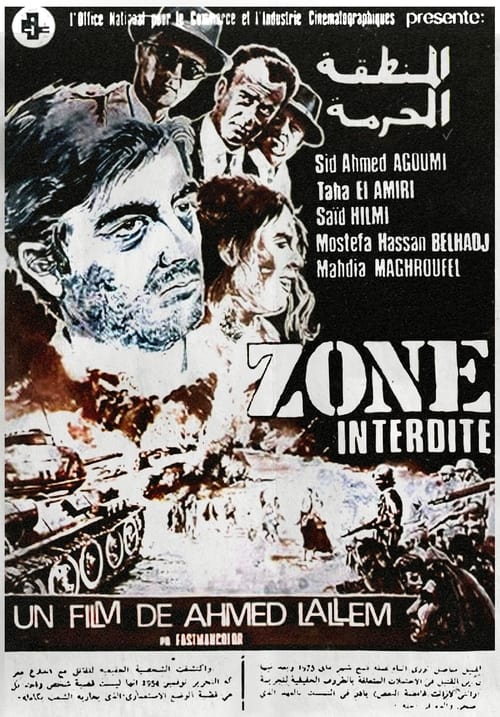
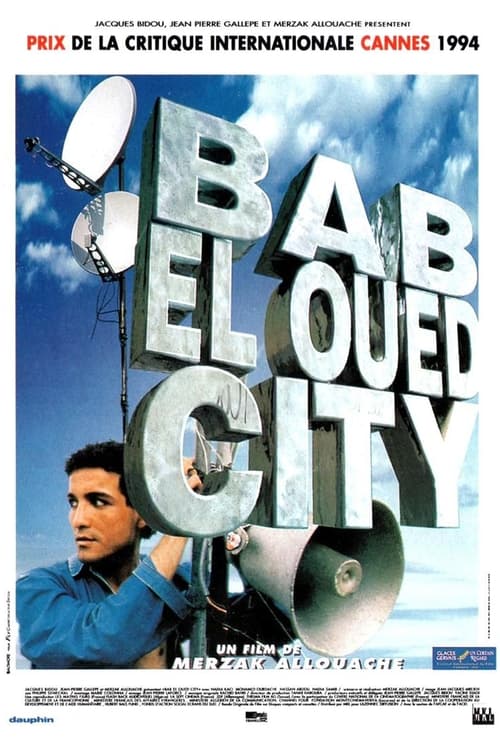
Bab El-Oued, a popular district of Algiers, in 1989, a few months after the riots. Boualem works at night in a bakery and steals the loudspeaker that was installed on his roof and was broadcasting the Imam's word... therefore preventing him from sleeping. This blunder is taken as a pretext by the Islamists to put the district under their control...
Bab El Oued City

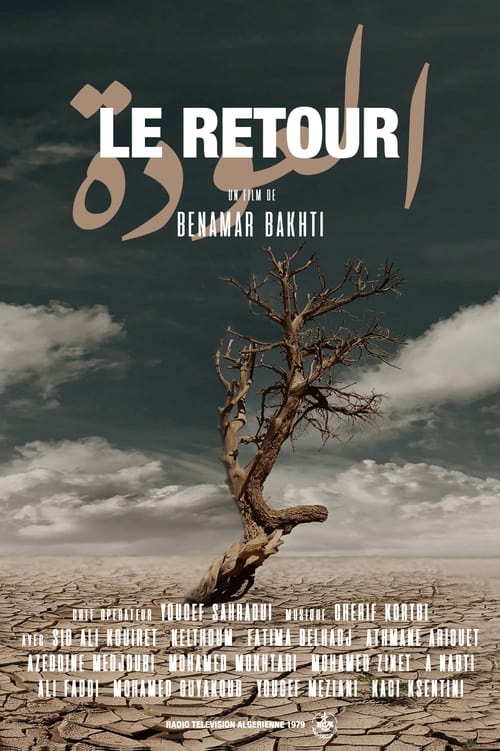
In the early 1970s, Lakhdar, an Algerian peasant, is forced to leave his desert land and his family for France, but immigration weighs on him and he dreams of returning. This day arrives, he walks in Paris, events decide otherwise.
Le Retour

An Algerian social satire that tells the story of Boujemaa, who marries a second wife in addition to his first wife, who is ill and with whom he has a son and a daughter. Living all under the same roof, the new wife imposes her authority in the house. The lives of the family members are then turned upside down.
Deux Femmes

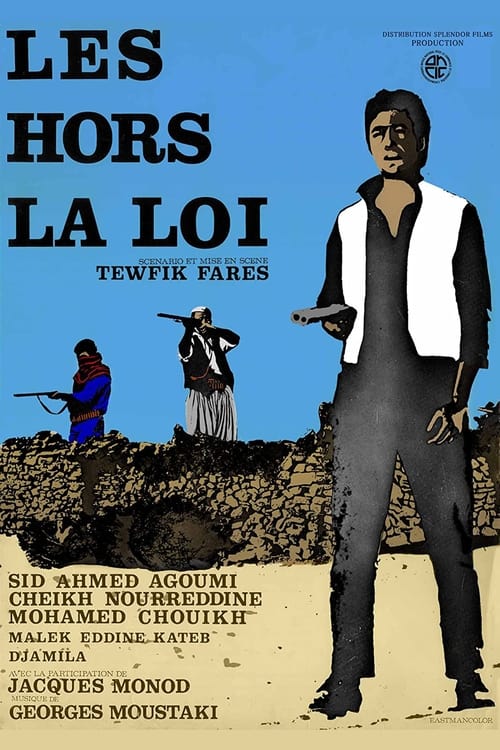
In prison in colonial Algeria, shortly after the end of the Second World War, three indigenous cellmates make out. Once free, they attack the authority represented by the triad of the boss, the gendarme and the administrator. “Living the colonial condition,” confided Tewfik Farès, “is something! It’s not sociologically or historically speaking. It’s life. And I think that’s all there in it. [...] For a hundred and thirty years, we wait. We hold back. We push back. We hope. At the same time, on different occasions, there are skirmishes, unrest.
The Outlaws

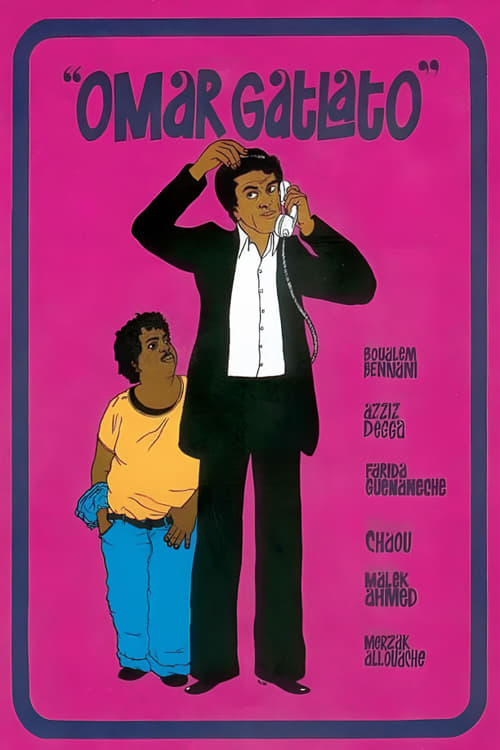
Omar, a young man, lives a simple life with his family and suffers from loneliness. His life changes when he tries to bond with a girl he barely knows.
Omar Gatlato

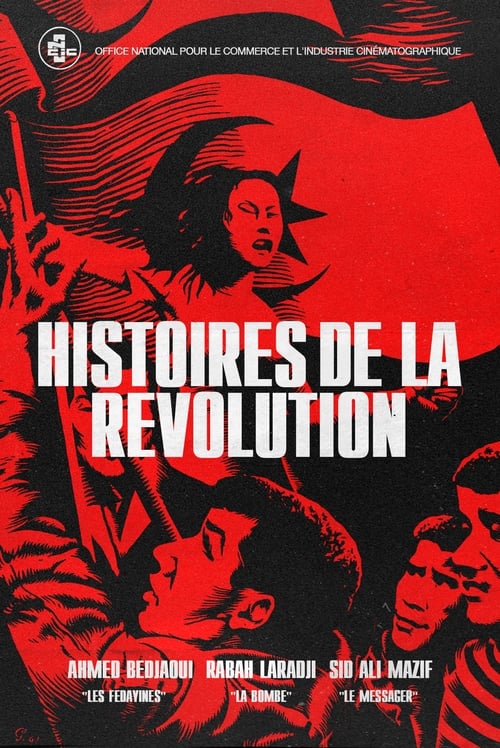
The film recounts in three parts by three different directors the Algerian people's struggle for independence after 130 years of French colonization: Ahmed Bedjaoui "Les Fedayines," Rabah Laradji "La Bombe," Sid Ali Mazif "Le Messager."
Stories of the Revolution

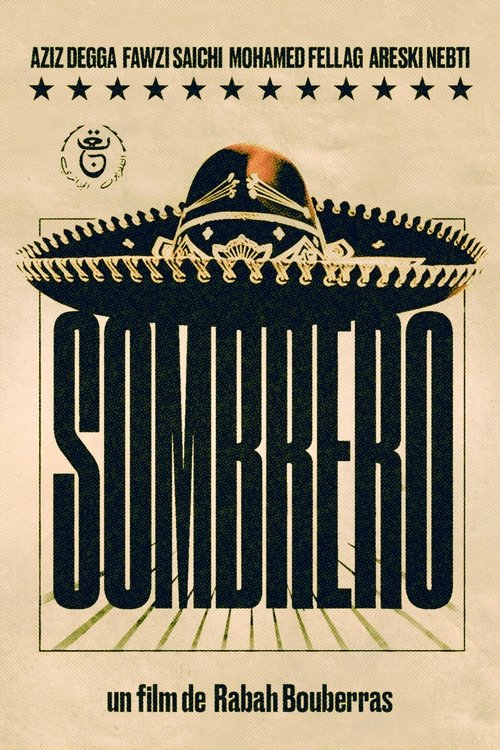
Sombrero is a 1986 crime comedy by Algerian director Rabah Bouberras, produced by ENTV. A gang smuggles precious diamonds hidden in a Mexican sombrero through customs, but the hat is stolen and passed from head to head, from one person to another, throughout the Algerian capital. Everyone sets out to find it...
Sombréro
Inspector Tahar conducts one of his investigations in an inn...
L'inspecteur Tahar L'auberge du Pendu

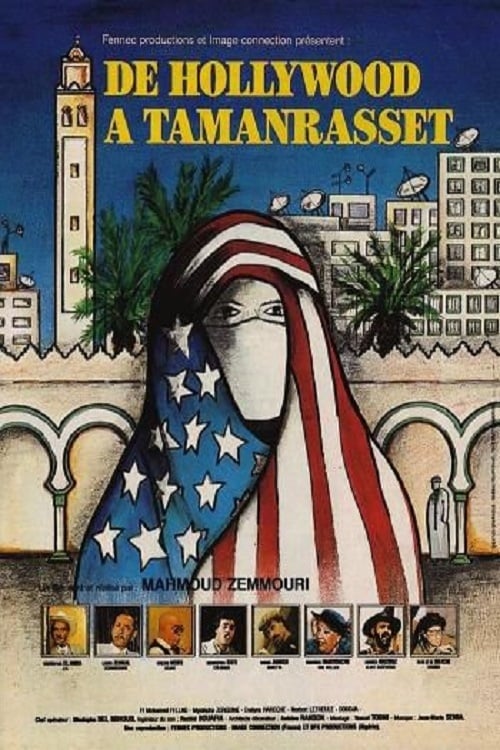
On the outskirts of Algiers, Algeria. the arrival of the satellite dishes governs the lives of the inhabitants. Dissatisfied with their lives, they think of themselves as the heroes of American soap opera and movies, so JR, Sue Ellen, Rambo, Kojak, Spock and others take possession of bodies and minds, with many typical American culture elements. These heroes mix in a beautiful funny mess, with tradition and modernism, Islam and television, reality and fiction.
From Hollywood to Tamanrasset

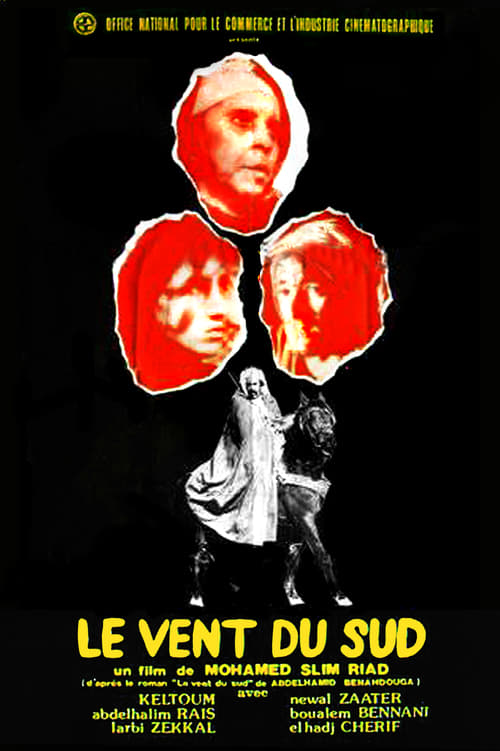
Néfissa, a student in Algiers, returns to her village in the south in the summer. Her father wants her to marry the mayor but she wants to continue her studies. Confronting her father and the opinion of the villagers who do not understand her, she decides to flee to Algiers. The shepherd Rabah discovering her wounded and lost in the mountains, has her treated by her mother. In contact with Nefissa, Rabat becomes aware of his exploited condition and discovers the possibilities offered to him by the cooperatives of the agrarian revolution. The two young people will go through the decisive stage together which will allow them to escape obscurantism and exploitation. Based on the novel "Le vent du sud" by Abdelhamid Benahouga
Wind from the South

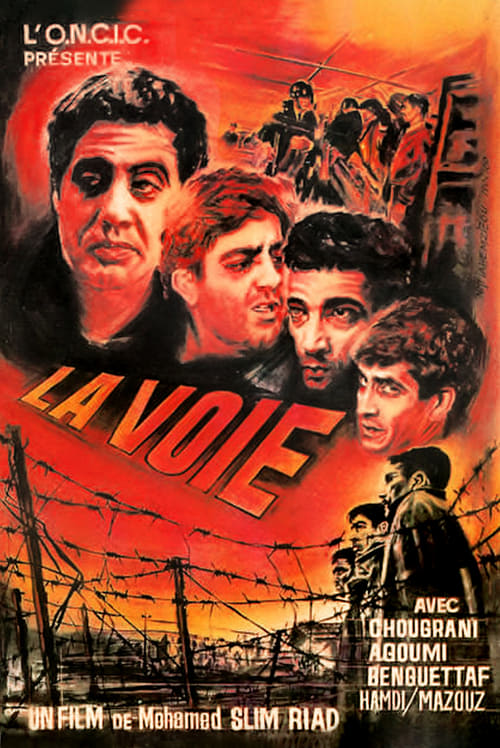
The Algerian War is seen through the eyes of a group of Algerian freedom-fighters who have been captured and incarcerated in French-run military prisons both in France and Algeria. In addition to attempts at escape, this prison drama also includes propaganda and brainwashing attempts by the French and scenes of torture. In what is possibly the most horrible torture of all, the inmates are forced to listen to broadcast speeches by General Charles de Gaulle -- speeches which illustrate the changing relations between the French and the Algerians.