Acting
Maxwell Smart, a hilariously inept and maladroit secret agent for CONTROL, battles the nefarious—though equally incompetent—KAOS.
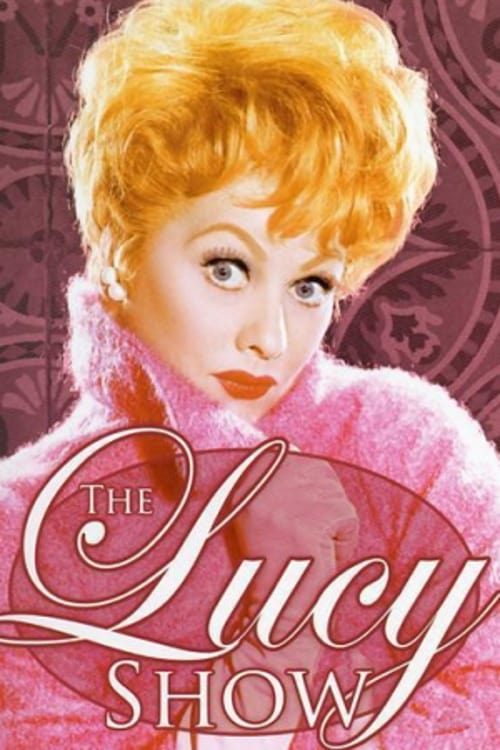
The Lucy Show is an American sitcom that aired on CBS from 1962–68. It was Lucille Ball's follow-up to I Love Lucy. A significant change in cast and premise for the 1965–66 season divides the program into two distinct eras; aside from Ball, only Gale Gordon, who joined the program for its second season, remained. For the first three seasons, Vivian Vance was the co-star. The earliest scripts were entitled The Lucille Ball Show, but when this title was declined, producers thought of calling the show This Is Lucy or The New Adventures of Lucy, before deciding on the title The Lucy Show. Ball won consecutive Emmy Awards as Outstanding Lead Actress in a Comedy Series for the series' final two seasons, 1966–67 and 1967–68.
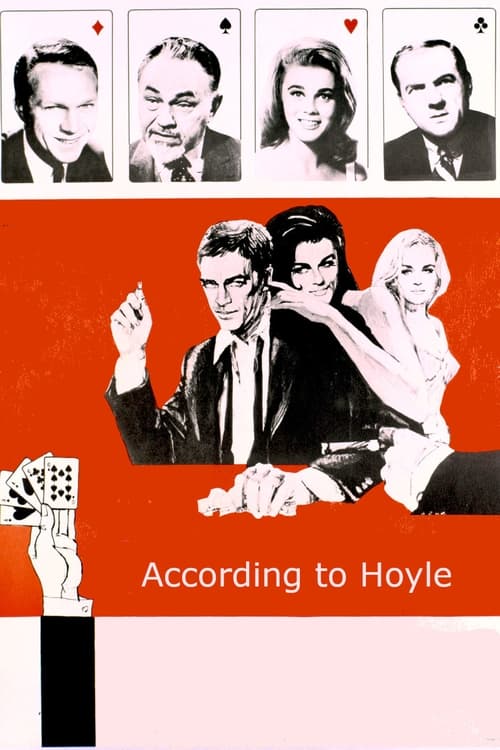
After a professional gambler kills a Confederate soldier, he finds a map pinpointing the location in the desert where stolen army gold bullion is buried. He plans to retrieve it, but others are searching for it too.
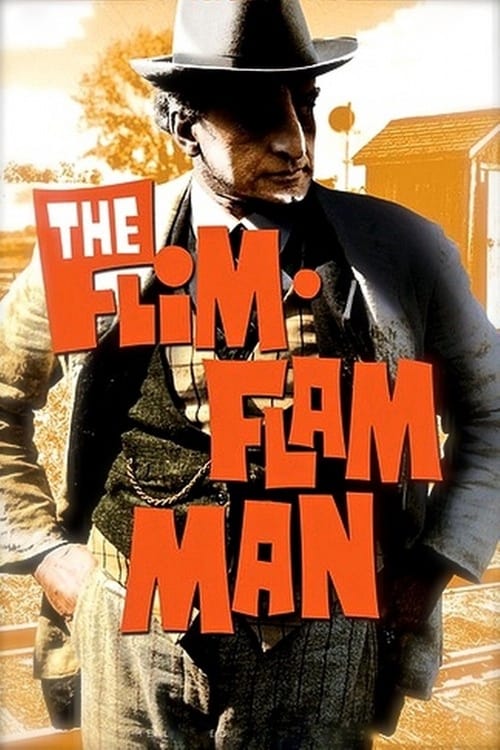
Mordecai Jones, a silver-tongued swindler and self-proclaimed “M.B.S., C.S., D.D.—Master of Back-Stabbing, Cork-Screwing and Double-Dealing,” has made a career out of charming and cheating his way through life. Played with devilish charm by George C. Scott, Jones takes on a new protégé in Curley, a wide-eyed Army deserter eager for direction. Together, they crisscross the backroads of the rural South, pulling off a string of homespun cons while staying one step ahead of a relentless local sheriff. Along the way, Curley falls for Bonnie Lee Packard, a rebellious heiress who joins their misadventures. But as the scams grow riskier, Curley begins to wonder whether a life of flimflam is worth the price. With its colorful characters, offbeat humor, and standout performance by Scott, The Flim-Flam Man is a rollicking Southern caper about cons, conscience, and unlikely camaraderie.
The Stews shun Mulligan when he refuses to follow the direction of a fad diet promoter. Mulligan is ultimately proven correct, but not without some anguish on his part.
A promotional short for The Cincinnati Kid (1965) showcasing the card handling skills of magician and one-time gambler Jay Ose who was hired as technical adviser to instruct the actors on the techniques used by professional poker players.