Editing
Dorota Wardęszkiewicz is a Polish documentary film editor.
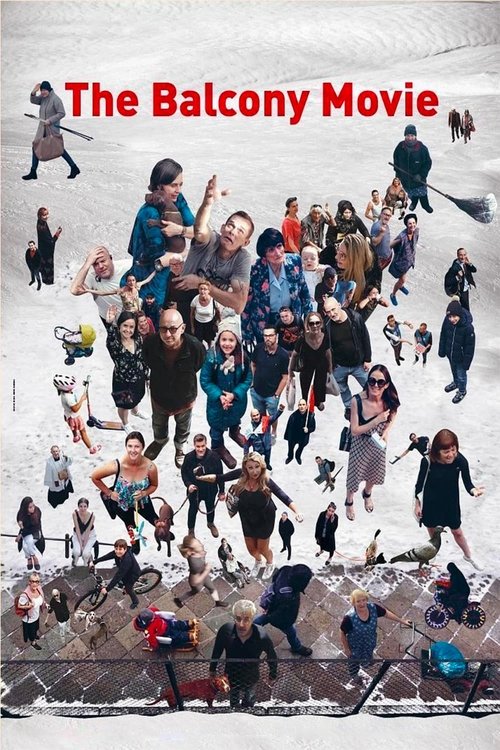
Composed from the conversations that the director holds with people passing by in the street under his Warsaw apartment, each story in 'The Balcony Movie' is unique and deals with the way we try to cope with life as individuals. All together, they create a self-portrait of contemporary human life, and the passers-by present a composite picture of today's world.
A documentary charting the rigors of the Russian space program, where the symbol of national pride would justify the most demanding training conditions.
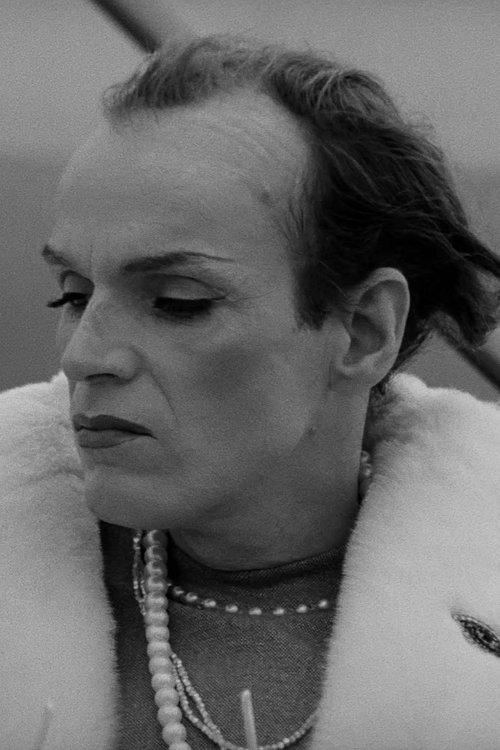
The protagonist of the film is Tomasz Machciński, a man with a hundred faces, or rather with one face, but one that is both a material and a work of art. Machciński photographs himself disguised as famous people.
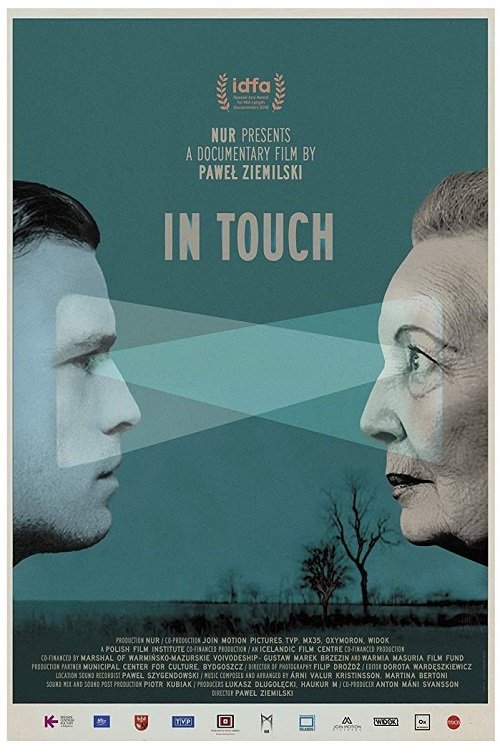
The Polish village of Stare Juchy has been pulled apart. A third of the population left to work in Iceland, and those who stayed behind—most of them from the older generation—are hoping for their return. But by now their children and grandchildren are settling into new lives on the other side of Europe. The distance separating them is great and the journey expensive, so they don’t get to hug each other very often. The best alternative is intensive contact by Skype.
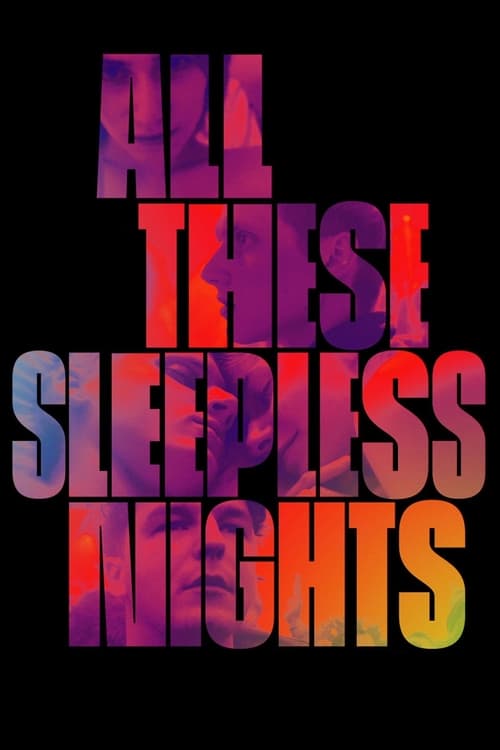
What does it mean to be awake in a world that seems satisfied to be asleep? Kris and Michal push their experiences of life and love to a breaking point as they restlessly roam the city streets in search of answers, adrift in the euphoria and uncertainty of youth.
The story of a journalist, member of the Communist Party and Solidarity, who gave up his profession during martial law and started selling bread.
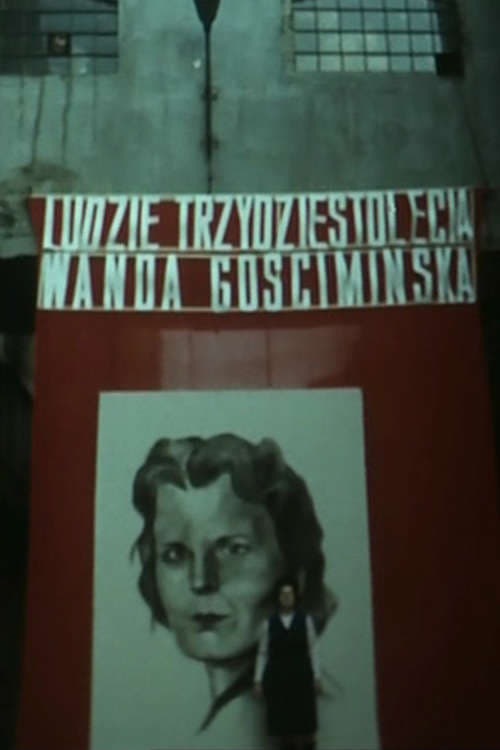
The life of a female weaver is thrown onto the socio-political canvas of pre-war and post-war communist Poland through the use of expressive allegorical and symbolic imagery in this imaginative take on the documentary form.
The content of the film is a set of reflections of the author reflected in unusual combinations of trick shots based on the principles of geometric division of the frame. People and the city walls around them, their everyday life presented in an unusual way, create conditions for personal perception of the film by each viewer individually.
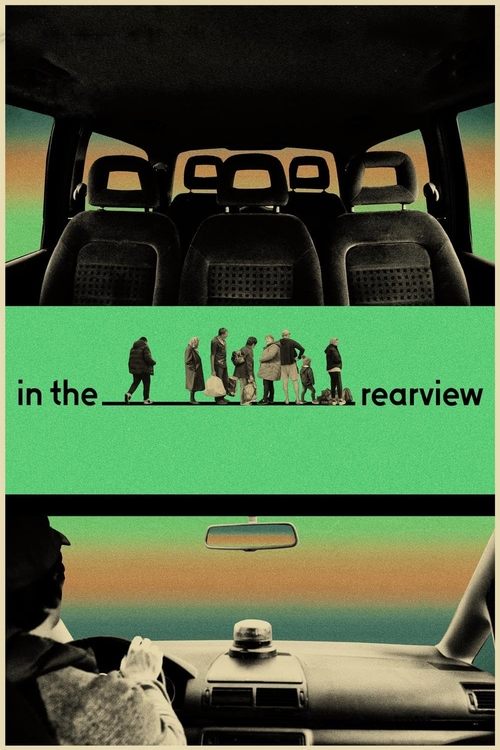
A Polish vehicle traverses the roads of Ukraine. On board, people are evacuated following the Russian invasion. This van becomes a fragile and transitory refuge, a zone of confidences and confessions of exiles who have only one objective, to escape the war.
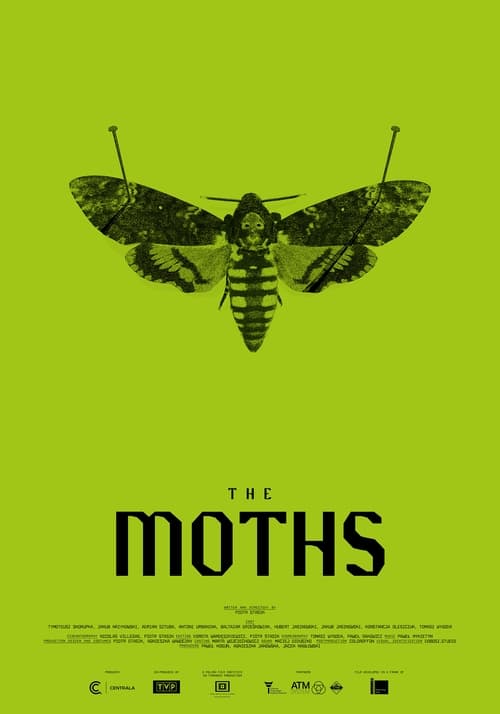
A group of teenagers run away from a computer game camp after group leaders confiscate their computers and cut their access to the Internet. The impossibility to escape to the virtual world makes it equally impossible to stay in the former reality. The youngsters are found 20 days later in the forest, deeply traumatised by hiding in silence and the knowledge that one of them is forever lost.
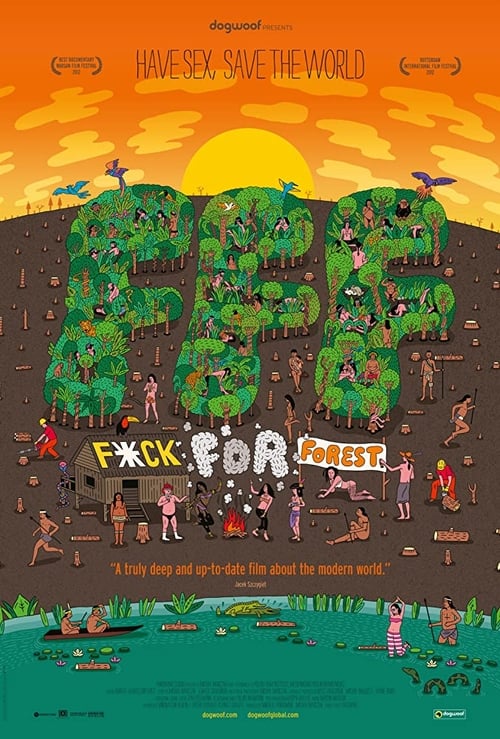
A film on the world's most bizarre charity: based on the idea that sex can change the world, the NGO raises money for their environmental cause by selling home-made erotic films on the internet.
No description available.
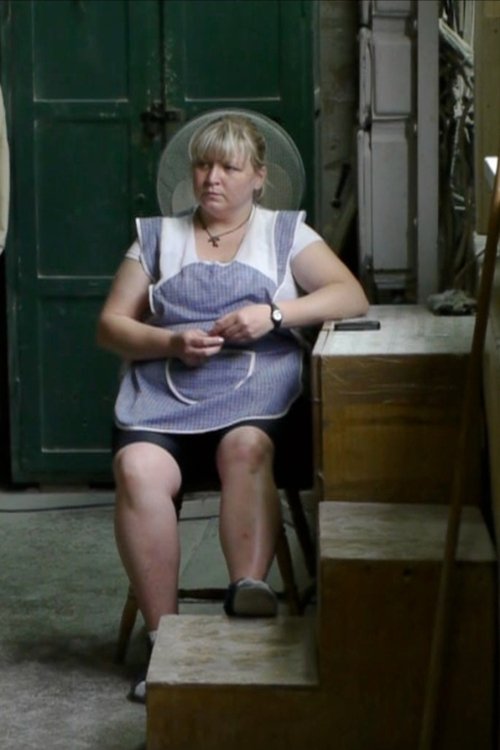
What are the limits of personal sacrifice? The film tells the story of a match factory worker who takes up a remarkable challenge. We observe several crucial months in her life as she attempts to turn her dreams into reality. It’s the story of an extraordinary transformation, and about a love that gives her life meaning.
The film touches on the problems of adolescence among the Polish youth.
Four nights in Caracas. A documentary essay about chaos and civilization.
Alexei is a nineteen year old recruit being flown in to perform his military service on the frontier of northern Russia. The base is one of few such remaining outposts on the Arctic Ocean. There are five other seasoned and long serving soldiers stationed here, each with their own personal story or secret that has caused them to retreat from the real world. Their training and breaking in of the new arrival is sometimes humorous, at times harsh. Gradually, they each reveal something of themselves in their daily interactions and private moments as they continue their absurd duty in this snow covered no man's land, hundreds of miles from the nearest human settlement.
Impressionistic poster warning of harmfulness of lead to the human body.
Writer Slawomir Mrozek recalls his past as he prepares himself to move out from Mexico and resettle in his native Poland. He discusses his youth, career and emigration, while walking down his vast Mexican ranch La Epifania.
The Future of an Illusion (1997) is a poetic, semi-documentary portrait of Havana on New Year’s Day, following seven characters whose lives intertwine amid the crumbling beauty of the city. An old widow, a young prostitute, a fallen aristocrat, a jobless couple, a weary coachman, a lonely child, and a wandering poet each face their own illusions of change, love, and escape. Through their stories, Franco de Peña crafts a lyrical meditation on hope and disappointment, where the promise of renewal fades into the quiet persistence of everyday survival.