Production
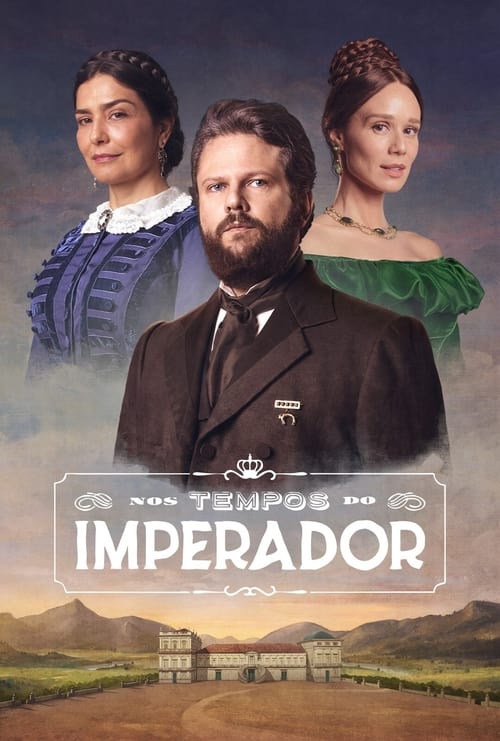
In 1856, the emperor Dom Pedro II lived a marriage of appearances with Teresa Cristina, with whom he was forced to marry at a young age by his parents' political alliance, having two daughters with her: Isabel and Leopoldina. He truly loves Countess Luisa, a cultured and time-ahead woman who fights for the abolitionist cause and women's rights, married to Eugenio, the emperor Napoleon's cousin. At the same time there are sisters Pilar and Dolores: the first went to a convent after her mother's death in childhood, growing up among books and dreaming of studying medicine - inspired by the story of Elizabeth Blackwell, the first doctor in the world -, while the second stayed at home to take care of her father, Colonel Eudoro, growing up repressed, illiterate and without vanity.
A story about love and its different manifestations, told through the little boy Marcelino in search of his biggest dream: to meet his mother. Inspired by a famous book, the plot takes place in the 1940s.
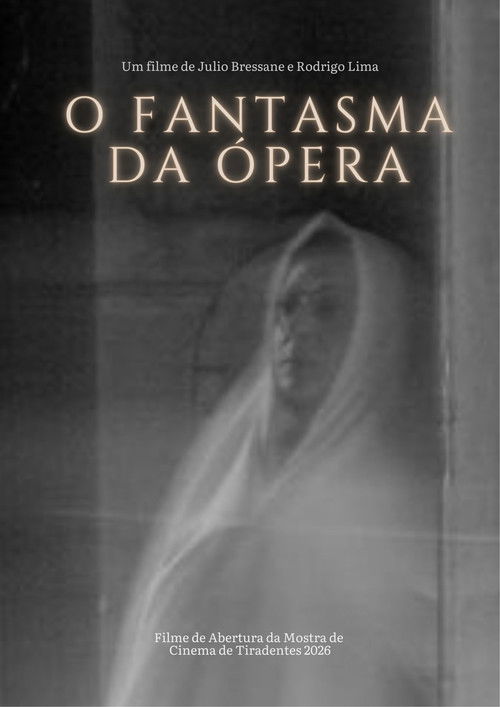
We see the film, not the cinema; cinema remains hidden within the film. Cinema is the Phantom of the Opera. A movement and a moment of transition, the Phantom fades away with each opera. It disappears and then reemerges in another, and another, and another, and yet another opera.
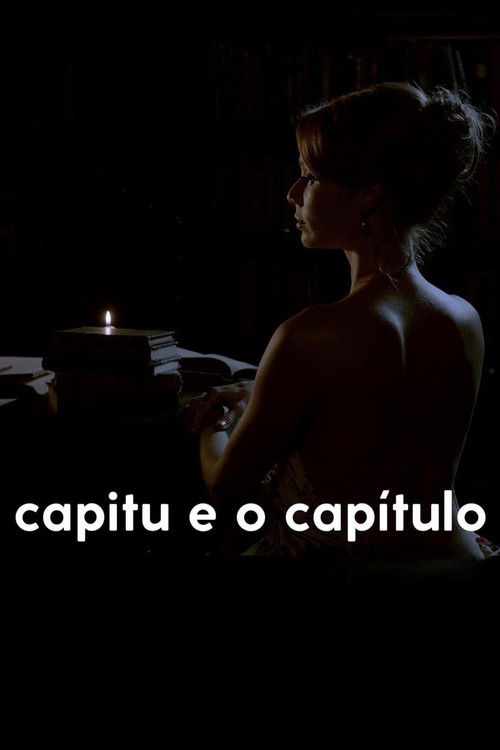
“If you had to choose between me and your mother, who would it be?” Capitu asks provocatively of her problematic lover. Elsewhere, they dance to inaudible music with their friends, each couple keeping to a rhythm of their own. At times, this depiction of the memories we see one Dom Casmurro commit to paper with a flamboyant pen seems to be an interplay of conflicting emotions – particularly when jealousy raises its head. Adapted from the Brazilian classic novel 'Dom Casmurro' (1899) by Machado de Assis as an ironic/philosophical essay on poetry and jealousy, and featuring fragments of Bressane’s previous works.