Kawaguchi Hajime
Directing
Known For

16mm short film by Hajime Kawaguchi.
Sumie 2.1
Kawaguchi's Aether follows on from his earlier film Air (1992), in which he enlarged 8 mm film material, breaking down the image to the level of individual grains and transforming it into a painting. Now he replicates the experiment through a different medium: a digital camera captures a girl walking away in slow motion, and artificial intelligence transforms the enlarged image, finding patterns in the visual noise and thousands of faces in the blurred image. The immortalization of a single happy moment is transformed into a meditation on digital visuality.
Aether
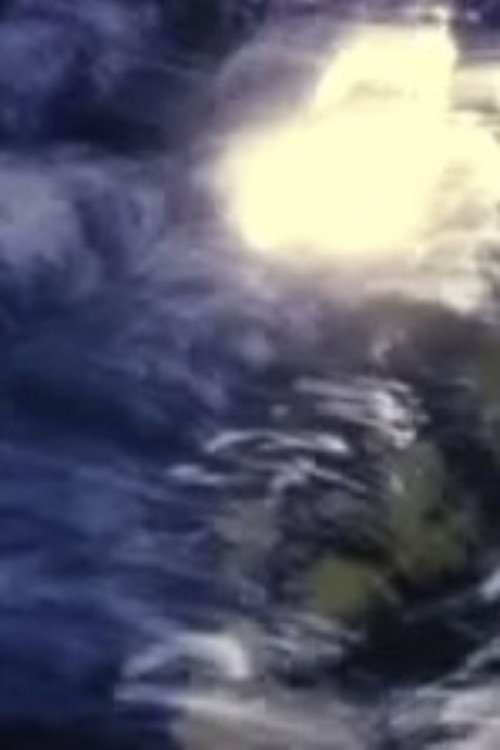
Carrying an 8mm camera fitted with a wide-angle lens and an ND filter, I descended the mountain while turning the bulb crank, performing long exposures along the way. With each step, the body swayed. That movement was inscribed onto the film through dappled sunlight filtering through the trees. The blue of the sky, the white of the clouds, and the green of the leaves merged and mixed directly on the film surface. This work marks the beginning of the “light drawing” series using 8mm film. While employing the methodology developed in the previous work Prominence, this piece moves away from its static approach. Instead, it embraces the unavoidable blur inherent in the process and incorporates it more actively, treating motion itself as a dynamic element of the image.
blue (World / 2)
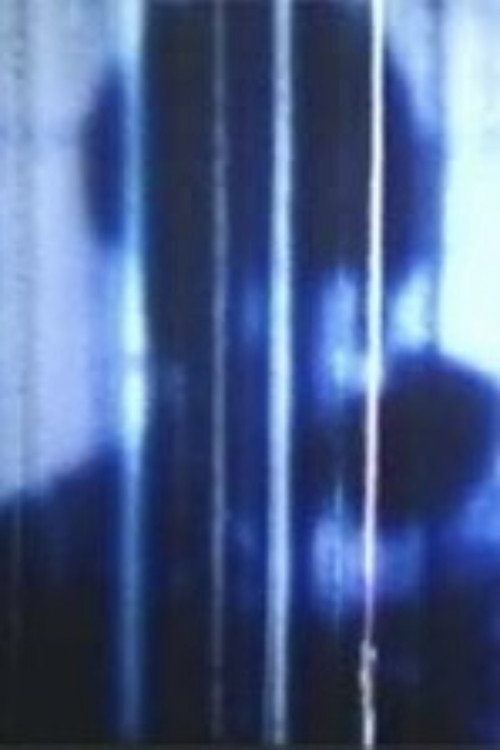
The time within a film’s frame generates a sense of reality through its synchronization with the viewer’s perception. The moment this synchronization is disrupted, the image moves to the foreground, and the viewer becomes aware of themselves as an external observer. Beyond the film (a thin membrane), there is something that cannot be reached, even by extending a hand.
filmy
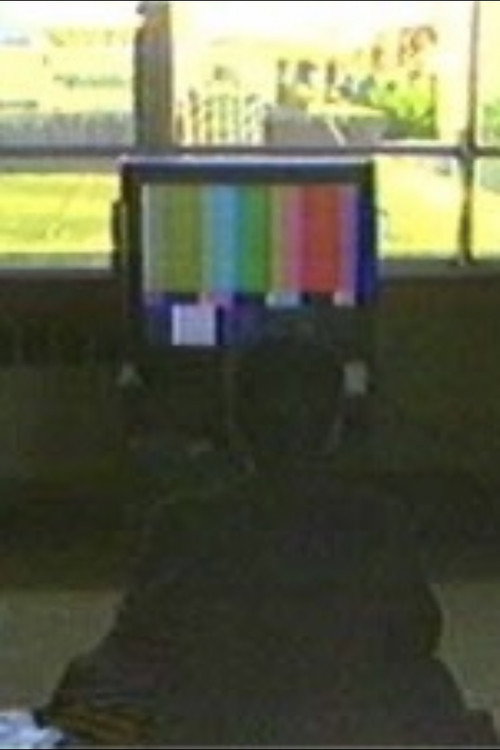
To create dreams through video (VTR). Not to reproduce dreams, but to dream through video itself. For this purpose, calculation and planning were deliberately minimized, and the work was constructed while relying as much as possible on intuition and immediate sensation, so that the unconscious could be directly projected into the work.
Dreams in real/Real of dreams
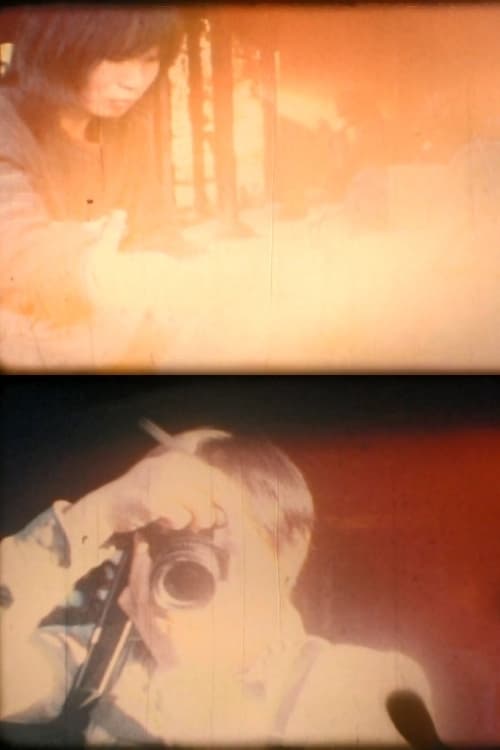
A very special event that took place immediately following the 2009 Yamagata International Documentary Film Festival in Furuyashiki Village. They held a ‘dojo,’ a school where the veteran independent filmmakers from Japan taught the younger generation of independent filmmakers from China and Japan. They watched films, shot and hand-developed Super-8 films. Participants: Azuma Mieko, Cong Feng, Huang Weikai, Ji Dan, Kawabe Ryota, Mao Chenyu, Sato Leo, and others... The participants formed teams. Each received a camera, several rolls of film, and a CD with (mostly urban) sounds to use as a soundtrack. They were to plan and shoot a short film using in-camera editing. (total 4 short films).
SELF AND OTHERS - Eiga Dojo Workshop film
8mm short film by Hajime Kawaguchi.
KANSOKU

An afternoon spent in Nagatoro at the end of summer. That day light and time were carved into the 8mm film. Memories and details are a dream that melts into the reflected light. 8mm short film by Hajime Kawaguchi.
Nagatoro
A fixed camera captures a woman walking away. The recorded footage is then re-photographed frame by frame, during which a zoom is gradually introduced as if following the subject. As a result, the size of the subject remains constant, while the image grain progressively expands. From “image” to a “painterly” state of particles.
Air
A work that attempts long exposure in strong sunlight using an 8mm camera fitted with an ND filter. A rose, as a still life subject, was used, and movement was created through camera shake during shooting and variations in exposure.
prominence
Reality generated by time flowing under sunlight changes as the angle of perception shifts. A single, fixed reality is nothing more than an illusion; once it begins to collapse, it slips into other realities. This is an attempt to create an alternate world through a simple method slow playback, a basic motion-control capability of video.
Fault of Reality
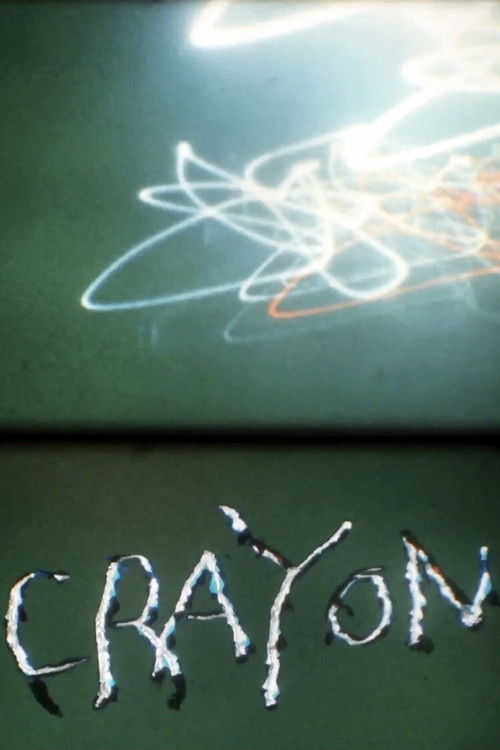
8mm short film by Hajime Kawaguchi.
CRAYON
A short film by Kawaguchi Hajime
Aquarium
The footage of birds shot on 8mm film was projected frame by frame and then re-photographed using bulb exposure (long exposure), thereby reconstructing time through stop-motion.
dis-contact
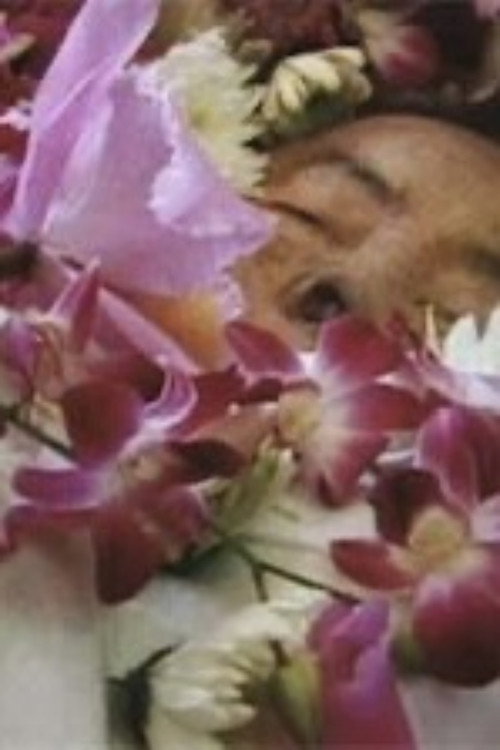
A fake documentary in which an everyday drinking gathering at an izakaya and the sudden death of a grandmother intertwine. Through on-screen captions and narration delivered by a computer-generated voice, a story centered on human relationships gradually takes shape.
Phases of Real
8mm short film by Hajime Kawaguchi.
A Moon Of Photogene
The “constants” that describe the real world. That sequence of numbers, like an incantation, guarantees this world that feels undeniably real to us. And while sustained by them, we observe the world. Within the diffuse reflections of our countless gazes, the world is constructed inside us. The constructed world, in turn, begins to weave its own “constants.” To be observers; could that not be the very reason for our existence?
POINT 1415
Long-exposure shooting with the Fujica Single-8 is performed using a hand crank. This method of filming feels as though the reflected light of the subject is being ‘carved’ directly into the film.
世界/4 active-scan
Using the methodology of this series, carrying an 8mm camera fitted with a wide-angle lens and an ND filter, and performing long exposures while walking and turning the bulb crank, I turned the camera toward myself to create a self-portrait.
world/3 inter-face
Video work by Hajime Kawaguchi.