Directing
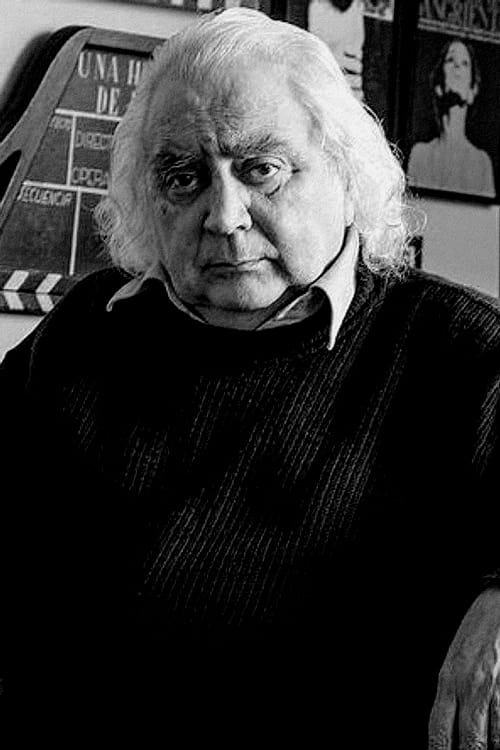
Jorge Grau Solá was a Spanish director, scriptwriter, playwright and painter.
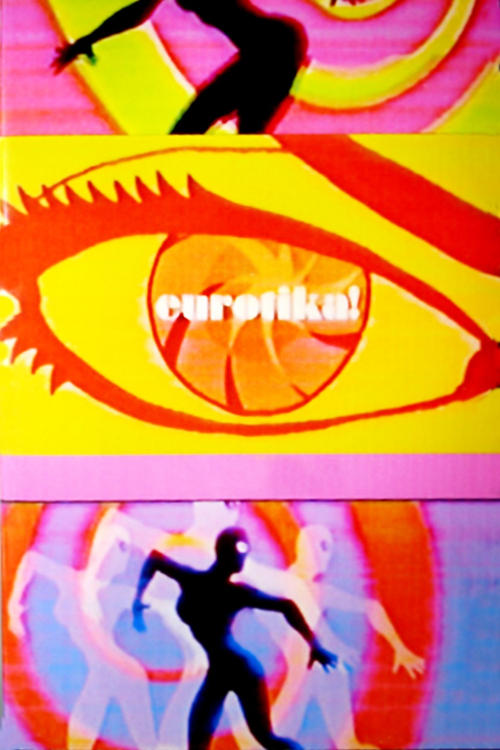
Eurotika is a Channel 4 documentary film on European exploitation cinema. The documentary is similarly themed to Pete Tombs's book Immoral Tales: European Sex and Horror Movies 1956-1984. During the 1960s and 1970s, European low-budget films went kinky, emerging as a new type of cinema that blended eroticism, surrealism, horror, and over-the-top atmospherics.
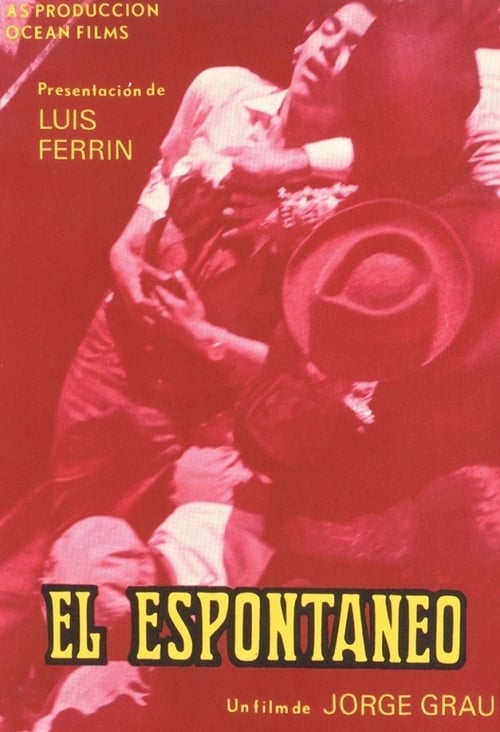
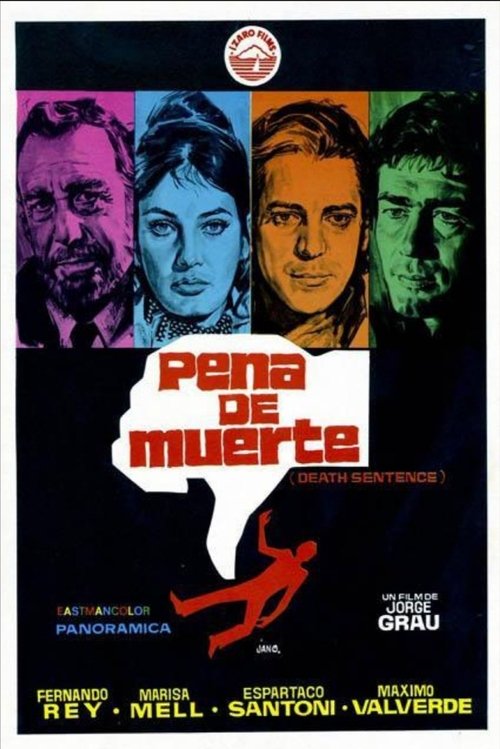
Paco is the boy buttons a luxury hotel. Usually do small businesses with the resale of tickets to bullfights tourists. By a misunderstanding is fired from his job. There is no use of his taste and wanders the Victoria Street taverns. Finally discovers his only chance in bulls, easy craft that believes and loves. The reality is very different and has to accept the truth which manifests itself in a very dramatic.
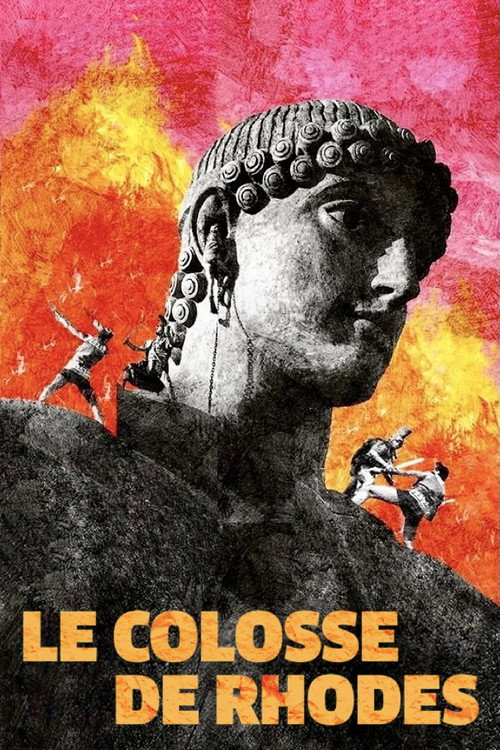
While on holiday in Rhodes, Athenian war hero Darios becomes involved in two different plots to overthrow the tyrannical king, one from Rhodian patriots and the other from sinister Phoenician agents.
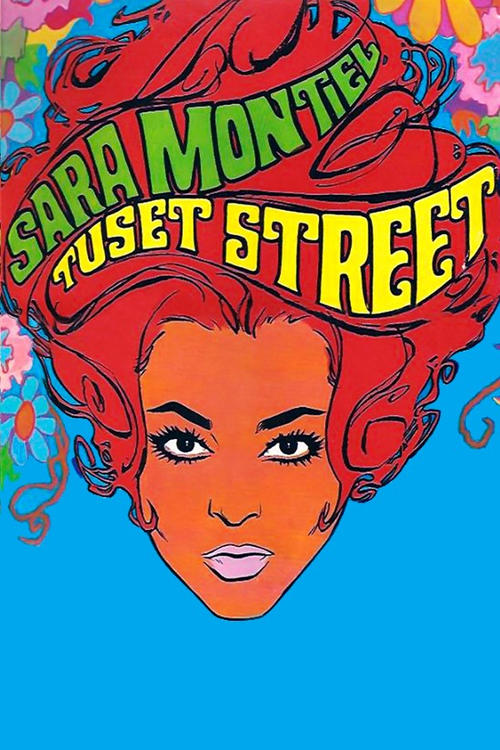
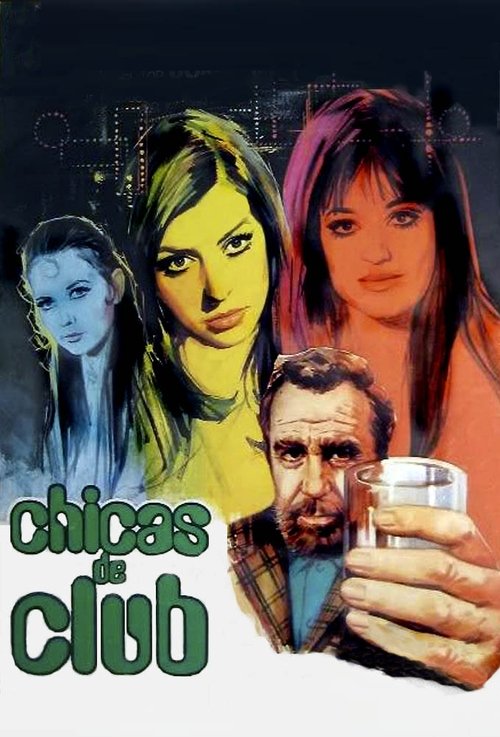
Barcelona 1967. The pop culture revolution. Jordi (Patrick Bauchau) is a rich playboy who runs around with a bunch of high-end hippies, smoking, drinking, dancing and daydreaming about Tuset Street, an effort to develop a popular street in the newer section of Barcelona after the models of Haight Ashbury Street in San Francisco and Carnaby Street in London. Jordi and his gang represent the new Barcelona, wealthy, artificial and striving for imported sophistication. On the older side of the city is El Paralelo, the theater district. At El Molino, one of its many music halls, performs Violeta (Sara Montiel), a showgirl in the old style tradition who supplements her singing income with prostitution. Somehow Violeta represents the old values, the "real world" living along side an artificial creation such as Tuset.
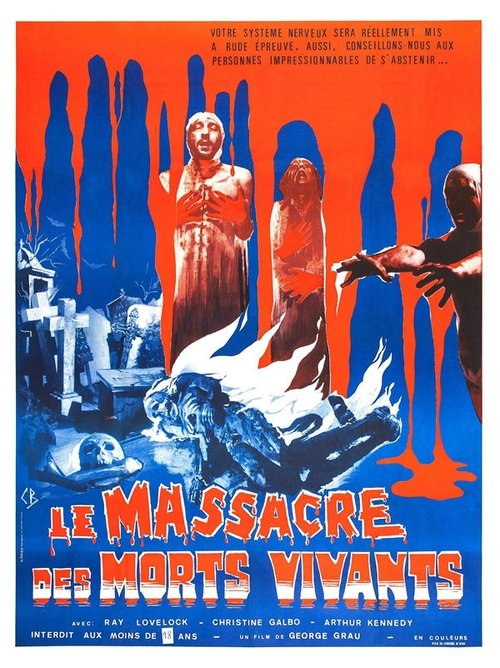
When a series of murders hit the remote English countryside, a detective suspects a pair of travelers when it is actually the work of the undead, jarred back to life by an experimental ultra-sonic radiation machine used by the Ministry of Agriculture to kill insects.
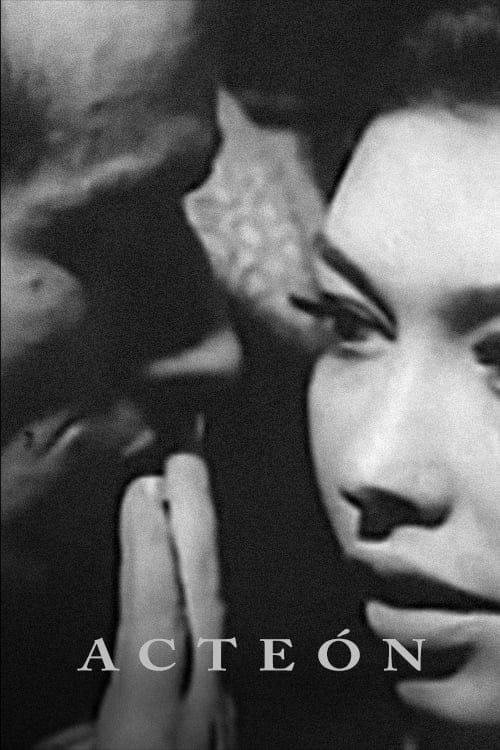
An expressionist reimagining of the classic Greek myth involving Acteón and Diana, transposed to Spain's Costa Brava by a future auteur of horror cinema. Based on the myth from Ovid's Metamorphoses in which Acteón accidentally catches a glimpse of Diana, the goddess of love, and is subsequently turned into a deer for his dogs to devour, Jorge Grau's modernist retelling resets the story to contemporary Spain, where a fisherman – played by Martin LaSalle, star of Bresson's Pickpocket – follows an enchanting, flirtatious stranger into the city.
No description available.
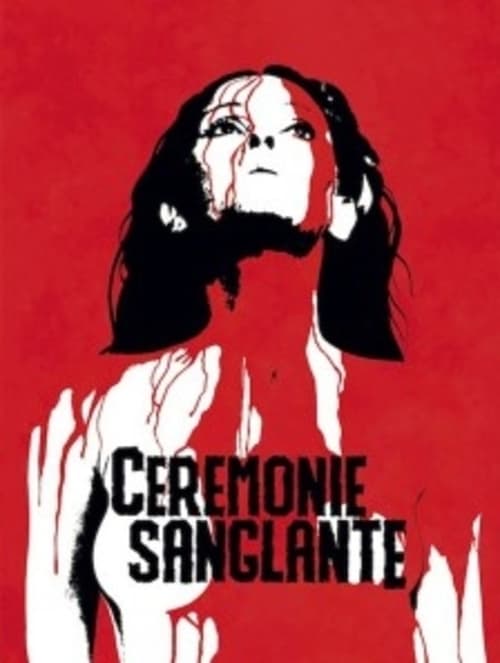
Countess Elizabeth Bathory conspires with her husband to acquire the blood of virgins to maintain her youth and beauty.
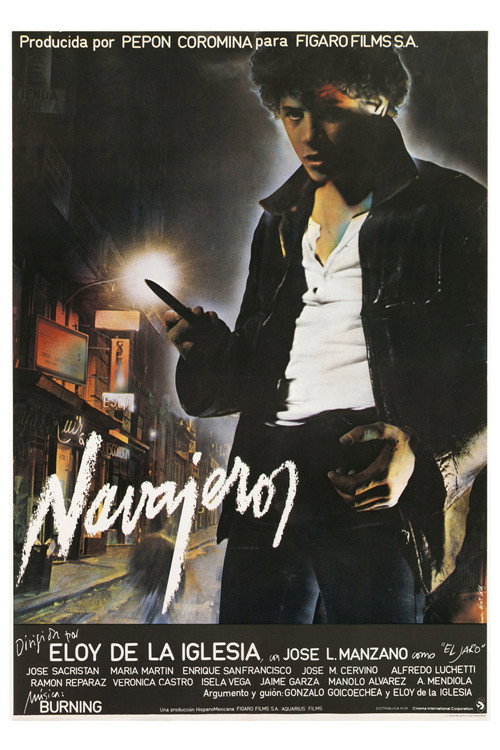
A chronicle of the life of Jaro, the leader of a juvenile delinquent gang, depicting his rise from street urchin to outlaw anti-hero on the way to his inevitable end.
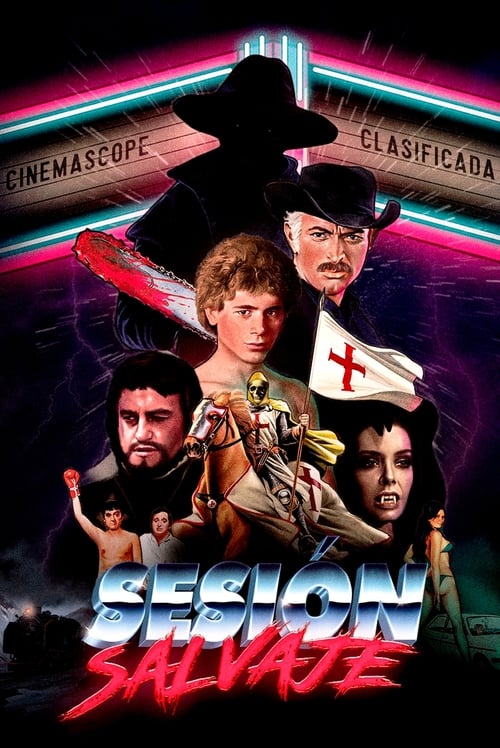
A walk through the golden age of Spanish exploitation cinema, from the sixties to the eighties; a low-budget cinema and great popular acceptance that exploited cinematographic fashions: westerns, horror movies, erotic comedies and thrillers about petty criminals.
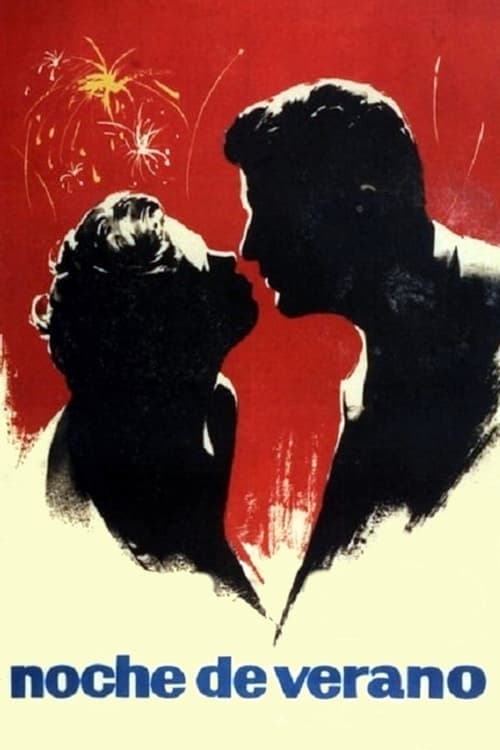
Barcelona in the early sixties: black and white chronicle of the ups and downs in the relationship of several young couples of the Catalan bourgeoisie during the time between two Saint John's eve festivals.
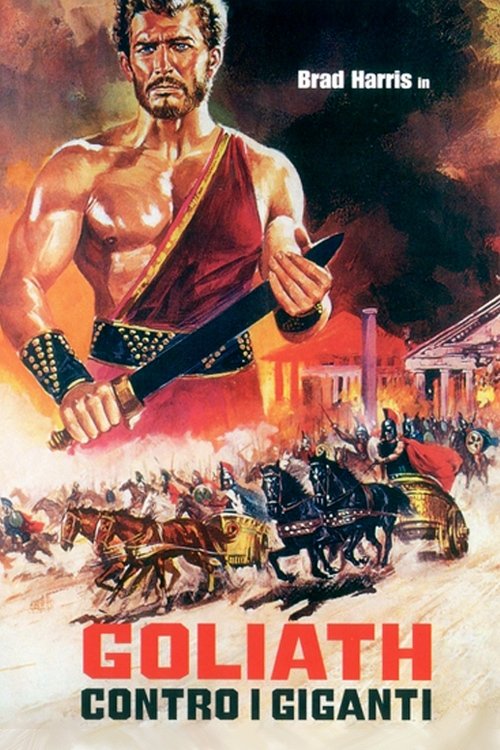
Muscleman fights sea monsters and Amazon warriors, then returns home to find a race of giants living in a valley, into which fellow countrymen are being thrown as punishment for opposing a usurper king and his consort.
"El Florido Pensil" is a humorous reflection of the education of several generations of Spaniards from the 1940s to the 1960s. Based on the book of the same name by Andrés Sopeña, it evokes, from the present, his memories of that time: everyday school, local radio, Roberto Alcázar's comics, Thursday cinema with Franco opening swamps and "Yon Güein" chasing and killing Indians. Through the childish eyes of a child Sopeña (Daniel Rubio) and his schoolmates, we discover a way of understanding the world, society and a Spain "of glories and flowery pensil", as the national anthem of those years used to sing.
Pamplona, 1975: Dr. Navarro, a famous doctor in the city, feels strongly attracted to Juana, his nurse, who is also in love with the doctor. Navarro, however, moved by his strong religious convictions (in fact, he is a numerary member of Opus Dei) remains faithful to his wife and tries by all means to prevent that their relations with Juana break through professional boundaries. For the purpose of that, he orders the nurse will sent to another hospital. This will push Juana to take the initiative and provoke the doctor during San Fermines.
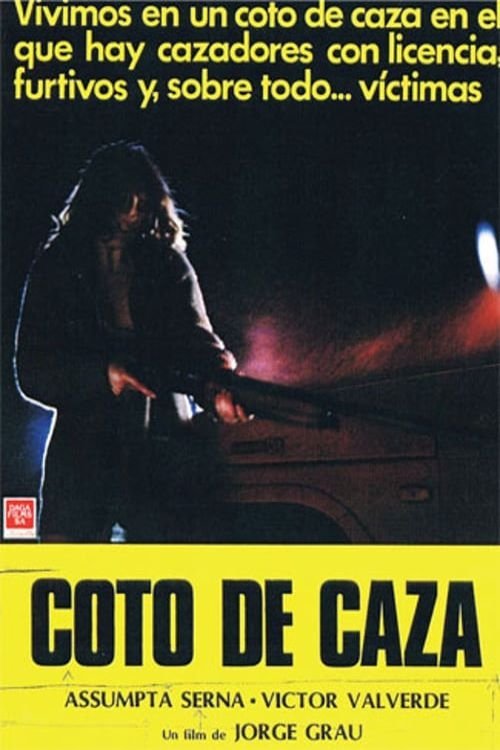
A female lawyer passionately defends criminals, believing that everyone deserves a second chance. But her latest defendants have no qualms about making her their next victim.
Actor and writer Mark Gatiss embarks on a chilling journey through European horror cinema, from the silent nightmares of German Expressionism in the 1920s to the Belgian lesbian vampires in the 1970s, from the black-gloved killers of Italian bloody giallo cinema to the ghosts of the Spanish Civil War, and finally reveals how Europe's turbulent 20th century forged its ground-breaking horror tradition.
A notoriously harsh French judge, vacationing at a luxury resort, finds his holiday interrupted when a mysterious killer begins murdering those in and around the hotel.
A chronicle of the different reactions of a girl when she finds that her boyfriend decides to end their relationship.
While conducting interviews with women working in local brothels, Fernando, a journalist, meets Elisa. The woman will tell him her dramatic story, which begins at age 14 when she is raped by her godfather.
King of Horror, legendary actor, scriptwriter and director, Paul Naschy is regarded as the Spanish Lon Chaney and the most prolific filmmaker dedicated to the fantastic cinema in Spain.