FEEL IT.STREAM
Shinichi Himori

Shinichi Himori

Acting

Biography

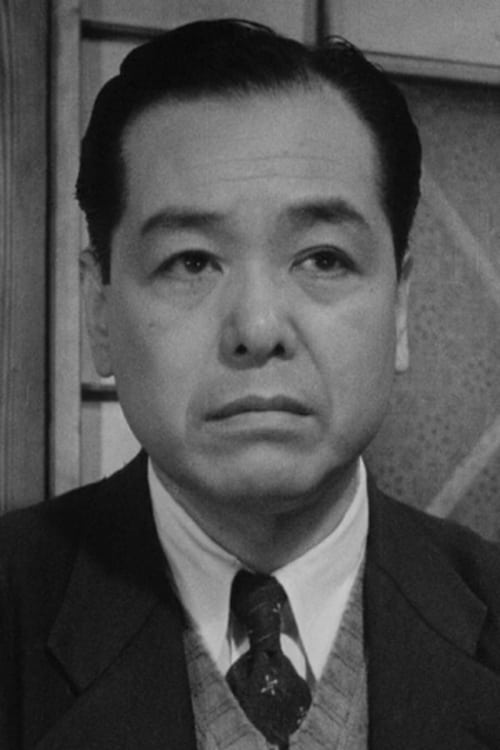
Shinichi Himori (10 January 1907 – 12 September 1959), born Kazuo Moriyama, was a Japanese film actor. He appeared in more than seventy films from 1925 to 1959. Born in Tokyo, Himori entered the Shochiku studios in 1924 and, after starting out in side roles, became a leading player, particularly specializing in realistic films after the coming of sound.[1] With his starring role in Yasujirō Ozu's The Only Son as the best example, he was often featured in films by famous directors for his earnest acting that smelled of reality.[1] He became a by player after the war, but died of a heart attack in 1959. Shochiku honored him with a company funeral. Description above from the Wikipedia article Shinichi Himori, licensed under CC-BY-SA, full list of contributors on Wikipedia.
Known For

Ikiru
8.3

Kanji Watanabe is a middle-aged man who has worked in the same monotonous bureaucratic position for decades. Learning he has cancer, he starts to look for the meaning of his life.

Ikiru

1952
Scandal
6.9

A celebrity photograph sparks a court case as a tabloid magazine spins a scandalous yarn over a painter and a famous singer.

Scandal

1950
Mole Alley
8.0

33-year-old poor writer Ogata was able to endure his miserable life cheerfully thanks to Yoshie, a 19-year-old innocent young wife. After graduating from a girls' school in Hokuriku, she immediately moved to Tokyo to meet and marry Ogata. After neatly writing Ogata's manuscript, he would buy dorayaki as a gratuity and devour it.

Mole Alley

1953
The Only Son
7.4

A rural widow sends her only son to Tokyo to receive a better education. Years later, she visits him and finds he has become a night school teacher struggling to support his wife and son.

The Only Son

1936
A Japanese Tragedy
5.8

At the close of the war in Japan, a widowed mother makes every possible sacrifice to bring up her ungrateful son and daughter who are unimpressed with their poor standard of living at home. They gradually reject her in search of the material comforts that working as a maid cannot provide. The mother's despair becomes interminable.

A Japanese Tragedy

1953
Street Without End
6.6

Mikio Naruse’s final silent film is a gloriously rich portrait of a waitress, Sugiko, whose life, despite a host of male admirers and even some intrigued movie talent scouts, ends up taking a suffocatingly domestic turn after a wealthy businessman accidentally hits her with his car.

Street Without End

1934
The Ball at the Anjo House
6.9

After Japan's defeat in the war, the Anjo family lose their peerage and wealth. Since their mansion is due to pass into the hands of a creditor, the family holds one last ball before leaving.

The Ball at the Anjo House

1947
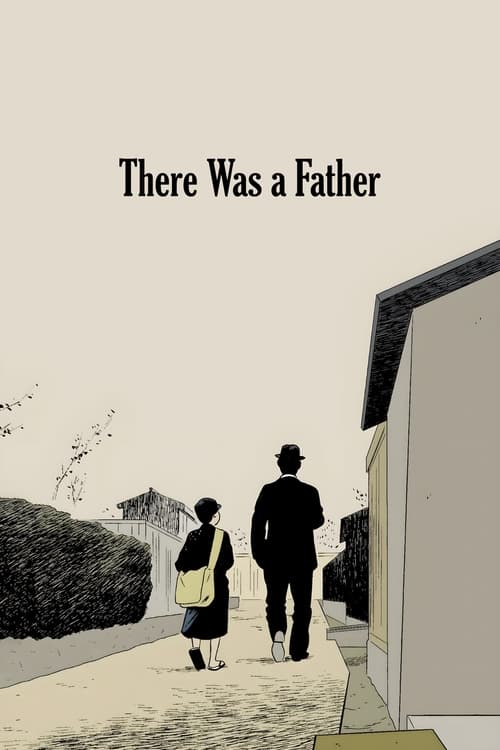
There Was a Father
7.0

Shuhei Horikawa, a poor schoolteacher, struggles to raise his son Ryohei by himself, despite neither money nor prospects.

There Was a Father

1942
Somewhere Beneath the Wide Sky
6.6

A Tokyo family running a liquor store overcome impotence and dysfunction as they induce an understanding through each other of how to deal with their individual problems.

Somewhere Beneath the Wide Sky

1954
Carmen's Innocent Love
5.2

Strip dancer Carmen falls in love with Hajime, who is engaged to the daughter of a right-wing politician.

Carmen's Innocent Love

1952
Mr. Shosuke Ohara
6.2

Saheita, the final heir of a once rich and respectable family, can't refuse the many villagers that come to him for favours and money, even though he is on the brink of bankruptcy. Around town he is better known by his nickname Mr. Shosuke Ohara.

Mr. Shosuke Ohara

1949
Always in My Heart Part 2
6.5

Machiko and Haruki’s drama continues. Two meet again in Hokkaido only to be separated again.

Always in My Heart Part 2

1953
Birth of Romance
N/A

The cabaret «Romance», run by Masami Daisaku's father, is experiencing financial difficulties, and Masami is betting on changes and asks singer Hibari Misora to perform. Musical youth comedy with young actors, passion, funny songs and laughter. Hibari Misora appears as herself.

Birth of Romance

1957
Farewell to Dream
7.1

A coming-of-age story portrayed as the loss of all youthful illusions. Sixteen-year-old Yoichi dreams of becoming a sailor. His parents are fishmongers, and Yoichi lives together with them and his four siblings in cramped living conditions. His beloved younger sister is given to a wealthy, childless uncle; his best friend moves away; the girl he fell in love with from afar is with someone else: little by little, Yoichi loses all the people that are important to him.

Farewell to Dream

1956
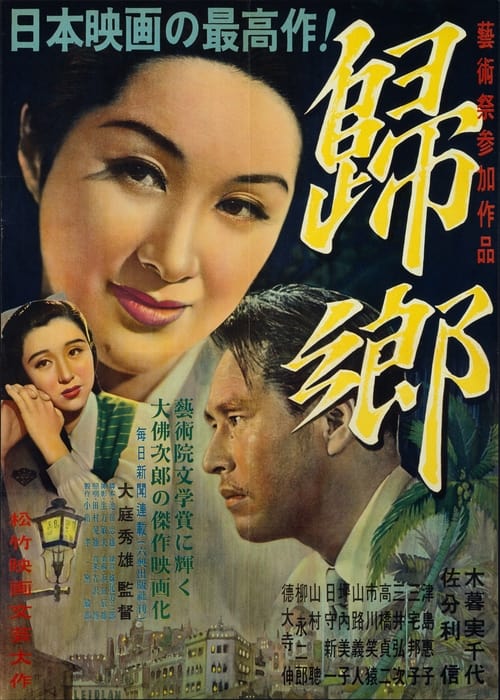
Homecoming
8.0

A former naval officer returns to Japan after the Second World War ends, encounters the former mistress who ratted him out, and reconnects with his daughter.

Homecoming

1950
I Graduated, But...
5.8

Tetsuo Nomoto, a young college graduate tries to find a decent job by himself. Later on, he will marry his girlfriend, Machiko, whom he hides the fact that he has no job. Hardships come quickly, which forces Machiko to find a job in a bar.

I Graduated, But...

1929
The Loyal 47 Ronin
N/A

This 1932 adaptation is the earliest sound version of the ever-popular and much-filmed Chushingura story of the loyal 47 retainers who avenged their feudal lord after he was obliged to commit hara-kiri due to the machinations of a villainous courtier. As the first sound version of the classic narrative, the film was something of an event, and employed a stellar cast, who give a roster of memorable performances. Director Teinosuke Kinugasa was primarily a specialist in jidai-geki (period films), such as the internationally celebrated Gate of Hell (Jigokumon, 1953), and although he is now most famous as the maker of the avant-garde silent films A Page of Madness (Kurutta ichipeji, 1926) and Crossroads (Jujiro, 1928), Chushingura is in fact more typical of his output than those experimental works. The film ranked third in that year’s Kinema Junpo critics’ poll, and Joseph Anderson and Donald Richie noted that 'not only the sound but the quick cutting was admired by many critics.

The Loyal 47 Ronin

1932
Utau yajikita kogane dōchū
N/A

1957 Japanese movie

Utau yajikita kogane dōchū

1957
Ornamental Hairpin
6.7

A Japanese mountain inn patron's foot is cut by an ornamental hairpin accidentally left behind by a former patron, leading to much curiosity among the other patrons regarding her identity.

Ornamental Hairpin

1941
Okoto and Sasuke
6.8

A period piece about the love of a wealthy blind woman, a teacher of koto and shamisen, and her devoted manservant. Based on a novella by Tanizaki Junichiro.

Okoto and Sasuke

1935